
 admin
Introduction
Croatia is the Mediterranean as it used to be — or at least, the closest thing left to it. A small Adriatic country of fewer than four million people, it packs Roman palaces you can sleep inside, medieval walled cities, sixteen-lake waterfalls, and more than a thousand islands into a coastline that runs from Istria in the north to Dubrovnik in the south. Then television came along: Dubrovnik became King’s Landing, Split became Meereen, and suddenly everyone wanted a photo on the Jesuit Stairs.
This guide is built around the classic first trip: seven days on the Dalmatian Coast, from Dubrovnik to Split, with Plitvice Lakes inland and an island or two in between. Below you will find the geography that explains the country, the cities worth your days, the sights that justify the trip, the seasons that change everything, and the practical costs — including the honest truth that Dubrovnik is now one of the most expensive cities on the Adriatic, and how to enjoy it anyway.
🎬 [Croatia in 60 Seconds — video link]
Geography & Climate
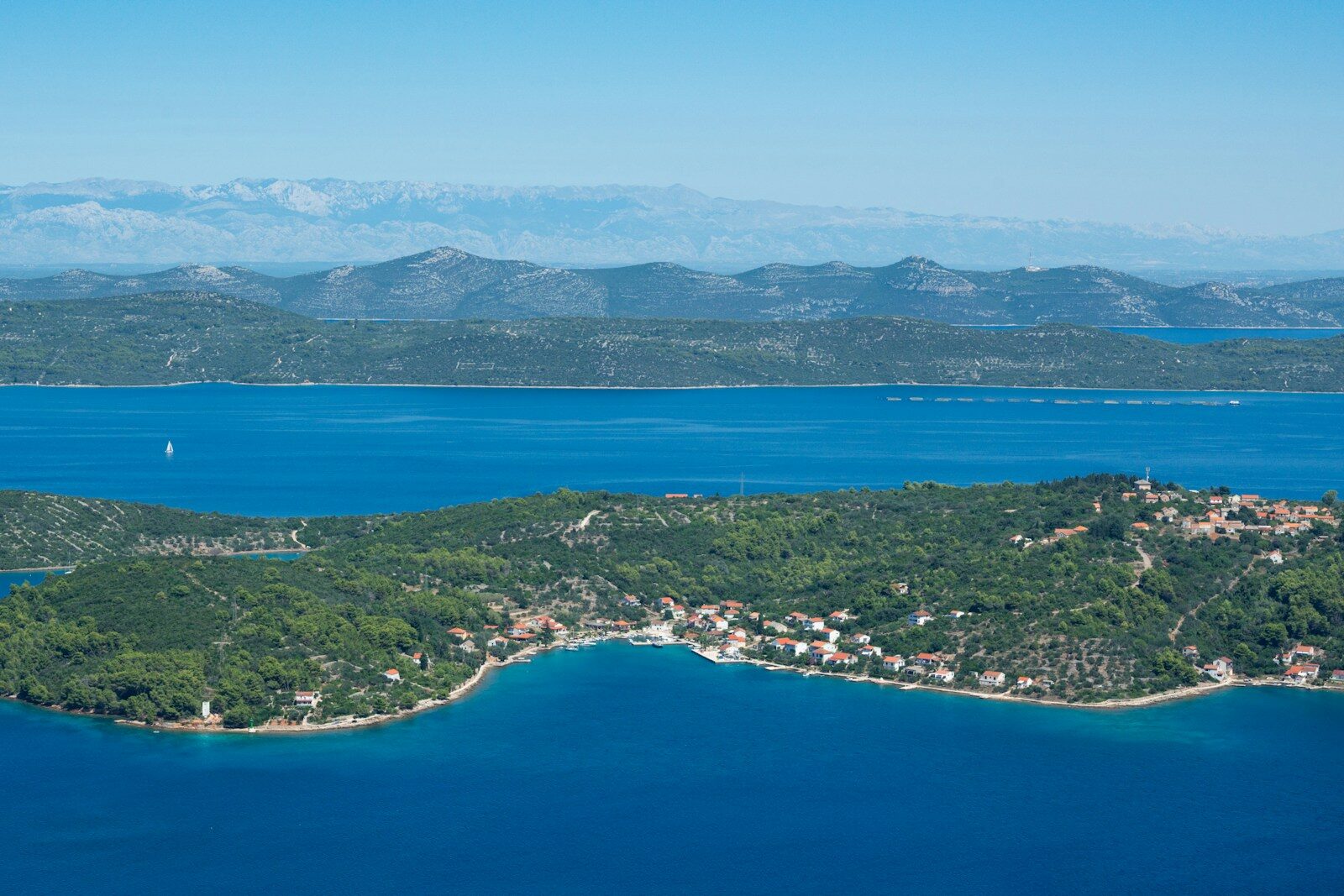
Croatia sits on the eastern shore of the Adriatic Sea, across from Italy, with Slovenia and Hungary to the north, Serbia and Bosnia and Herzegovina to the east, and Montenegro to the south. It is a long, crescent-shaped country: about 56,000 square kilometres on land, but with a coastline — counting the islands — of roughly 5,800 kilometres. The Dinaric Alps run down the spine of the country, which is why the coast is so dramatic: mountains drop straight into the sea, and the islands offshore are really the drowned peaks of that same range.
The coast has a classic Mediterranean climate: hot, dry summers (Dubrovnik averages around 28–30°C in July and August, with sea temperatures in the mid-20s) and mild, wetter winters. Inland, around Zagreb and the Slavonian plains, the climate turns continental — cold winters, hot summers, and far fewer tourists. The most famous local wind is the bura, a cold, gusty northeasterly that can shut down bridges and ferries in winter and occasionally in spring; the jugo, a warm southerly, brings rain and rough seas. If your ferry is cancelled, it is usually one of these two.
People & Demographics
Croatia has about 3.89 million residents, and the number has been falling for years as young Croats emigrate to Ireland, Germany, and elsewhere in the EU. Roughly a quarter of the population lives in and around Zagreb. Ethnically the country is overwhelmingly Croat (around 90%), with Serb, Bosniak, Italian, and other minorities; about 85% identify as Roman Catholic, which shapes everything from Sunday rhythms to the village feast days that fill the summer calendar. Croatian is the official language, a Slavic language written in the Latin alphabet — which at least means you can read the signs, even if you cannot pronounce them.
English is widely spoken in tourist areas, especially by younger Croats and anyone working in hospitality; German and Italian are common second languages on the coast. A few words go a long way: dobar dan (good day), hvala (thank you), molim (please / you’re welcome), doviđenja (goodbye), and živjeli! (cheers!). Croats appreciate the effort, and in smaller towns a greeting in Croatian is often the difference between a polite transaction and a real conversation.
Culture, Etiquette & Daily Habits
Croatian daily life runs on coffee — and we do not mean a quick takeaway. Kava is a ritual: sit down, order a small espresso, and stay for an hour. Nobody will rush you, and ordering a coffee to go marks you out instantly as a tourist. Lunch is the main meal, usually eaten later than northern Europeans expect, and dinner rarely starts before 8 pm in summer. Tipping is relaxed but appreciated: round up the bill, or leave 10% for good service in restaurants; there is no hard rule, and nobody will chase you for it.
A few practical norms: dress modestly when entering churches (shoulders covered, no beachwear), even in summer. Do not walk through Dubrovnik’s Old Town in swimwear — the city has fined people for it. Greet shopkeepers when you enter a small shop; a simple dobar dan is expected. Croats are direct and warm once you get past the first formality, and family matters enormously — do not be surprised if a restaurant owner asks where you are from and then tells you about a cousin who lives there.
Do: try the local wine (Istrian Malvazija whites and Plavac Mali reds from the Pelješac peninsula are superb and cheap by European standards), swim at the rocky beaches the locals use (sandy beaches are rare — bring swim shoes), and slow down to the local pace. Don’t: eat every meal on Dubrovnik’s Stradun, where prices carry a 35–50% view markup — one street back, the same grilled fish costs half as much. Don’t assume the kuna still works: Croatia adopted the euro in January 2023, and any old kuna notes are souvenirs now.
Lifestyle
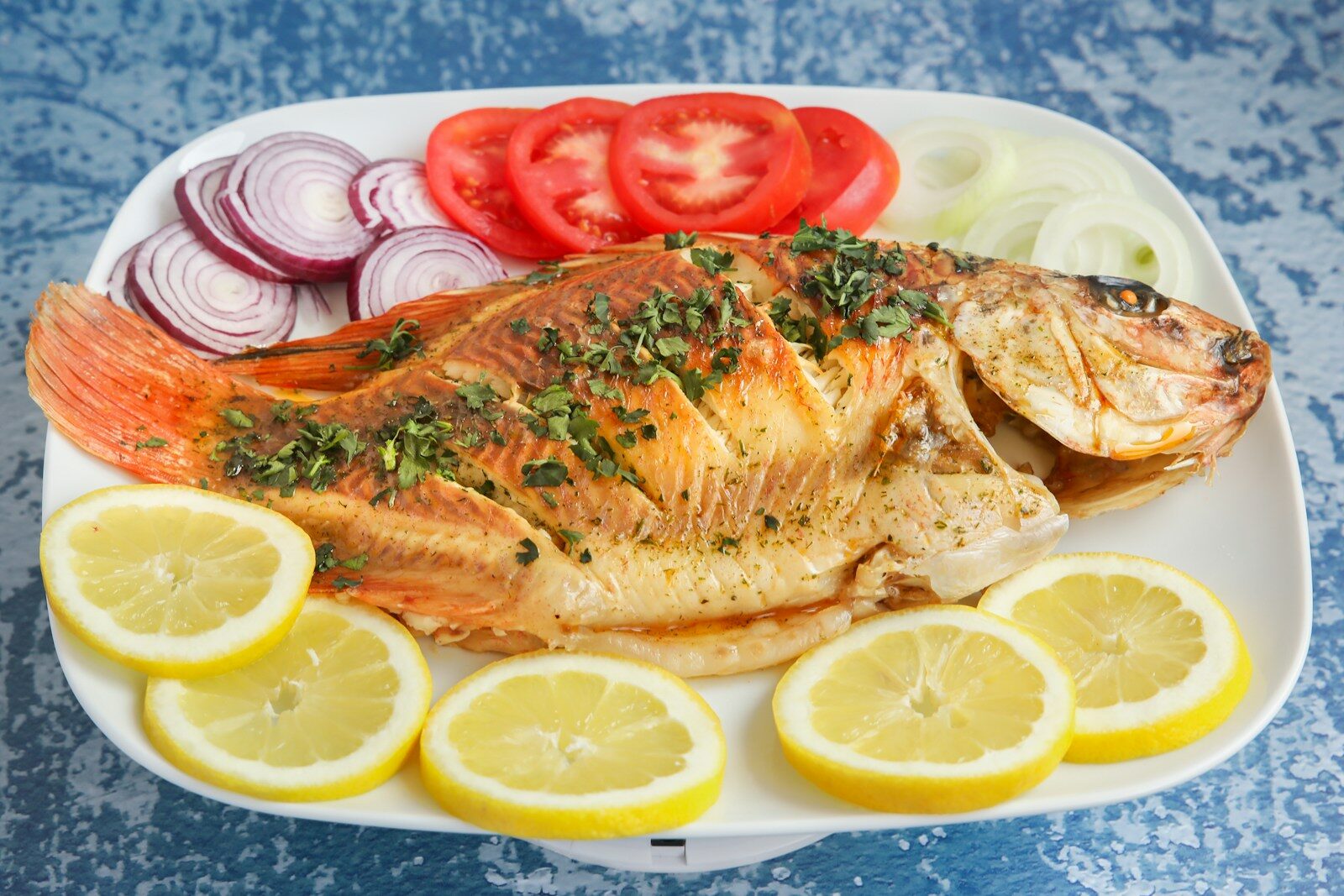
Food is the fastest way into Croatian life. On the coast, the diet is Mediterranean: grilled fish and calamari, octopus salad, black risotto (made with cuttlefish ink), pašticada (slow-braised beef in Dalmatia), and olive oil from groves that are sometimes a thousand years old. Inland, the food turns heartier: ćevapi (grilled minced-meat sausages), strukli (baked cheese pastry from Zagreb), and game stews. Breakfast is small — coffee and a pastry — and the big social meal is lunch. Markets are a daily habit: Zagreb’s Dolac market, Split’s Pazar next to the palace walls, and every coastal town’s morning fish market are worth a wander even if you buy nothing.
Work culture is Mediterranean with a Central European edge: mornings are productive, afternoons in summer slow down, and August empties the cities as Croats head to the coast themselves. Sport is a national obsession — football first, then handball, water polo, and basketball — and a Croatia match in a café is a full-contact social event. Tech and tradition sit side by side: you will pay by card almost everywhere, but the fisherman mending nets in the harbour and the grandmother selling lavender on the steps are not performances; they are Tuesday.
Main Cities
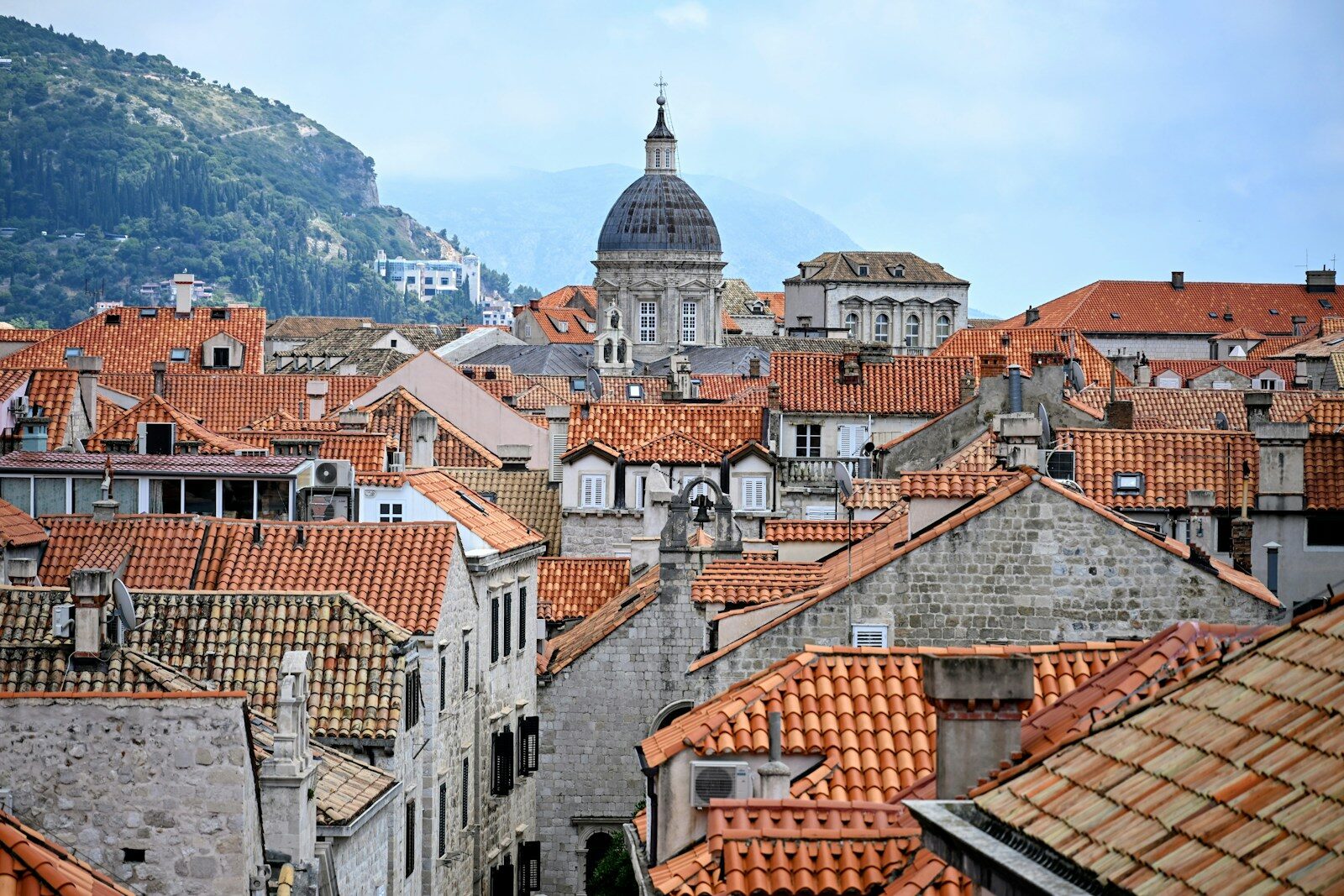
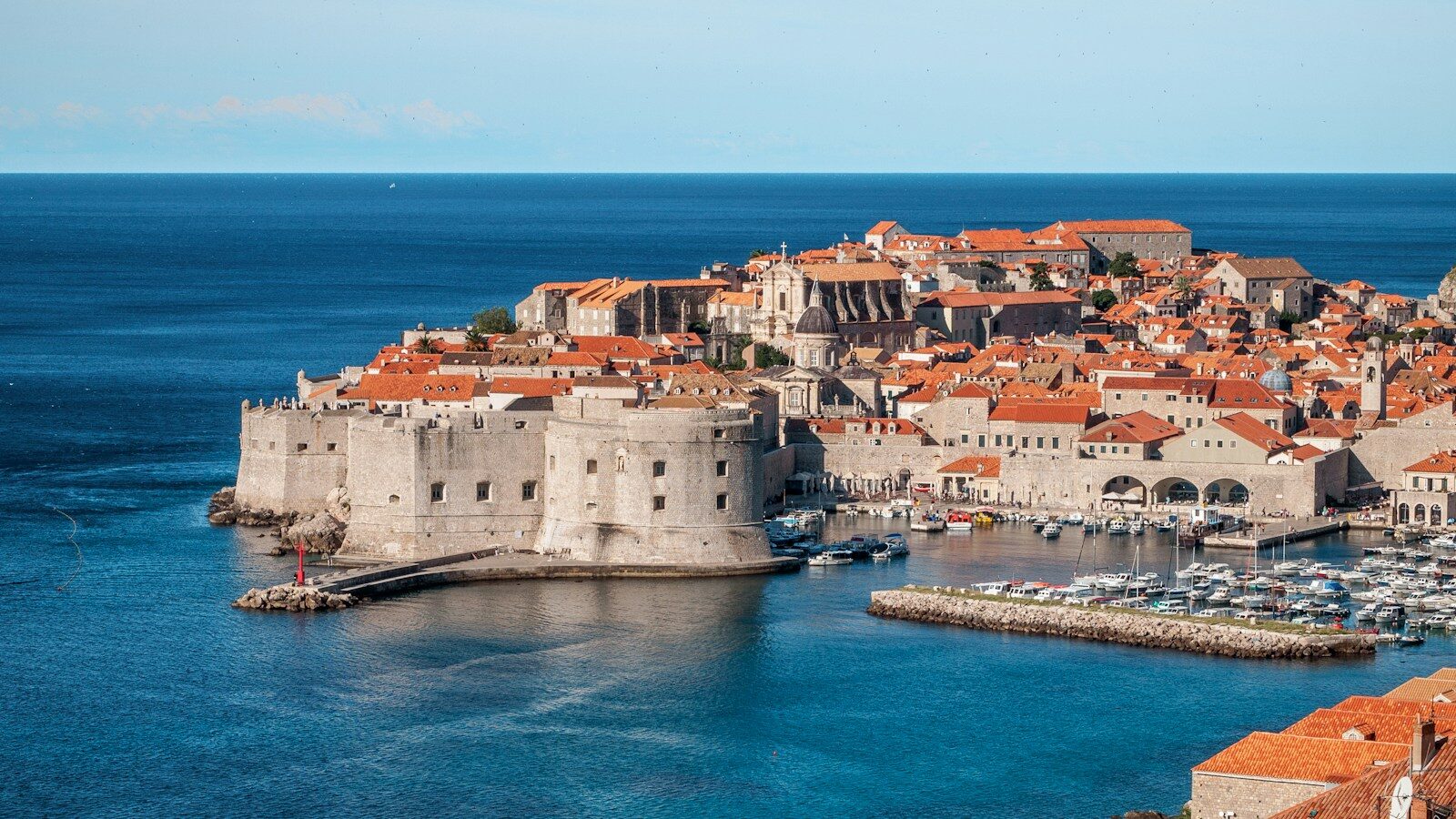
Dubrovnik — the Pearl of the Adriatic and the trip’s showpiece. A fully walled medieval city on a rocky promontory, its limestone Stradun gleams after rain, its walls run 1,940 metres around the Old Town, and its red roofs are the most photographed sight in the country. Walk the walls early, ride the cable car to Mount Srđ at sunset, and escape to Lokrum Island for a swim. It is also the most expensive and crowded stop — plan accordingly.
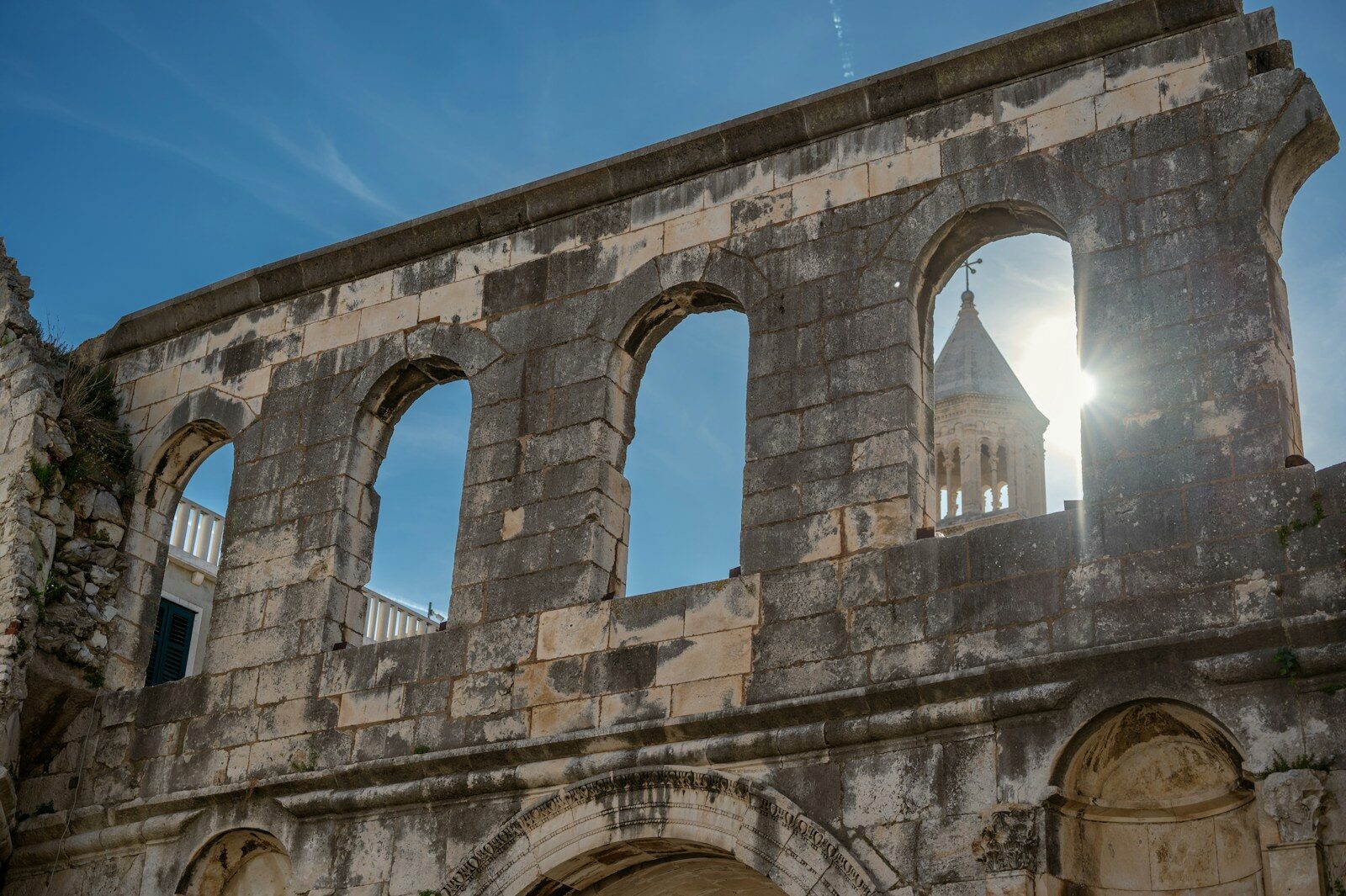
Split — Croatia’s second city and its most lived-in ancient site. Diocletian’s Palace, built around 305 AD for the retired Roman emperor, is not a museum: it is the old town itself, full of apartments, shops, cafés, and a cathedral inside a former mausoleum. Climb the bell tower of St. Domnius, promenade the Riva at dusk, and use Split as the ferry hub for the islands.
Zagreb — the capital, often skipped and unfairly so. Upper Town (Gornji Grad) is a red-roofed medieval core of gas lamps, St. Mark’s Square, and the Museum of Broken Relationships (€9) — a small, strange, wonderful museum built from donated objects and their stories. The Lower Town has Austro-Hungarian squares, the Dolac market, and a café culture to rival Vienna’s. Give it a day, ideally at the start or end of the trip.
Zadar — a Roman and Venetian city with two modern masterpieces on its seafront: the Sea Organ, stone steps that play music from the waves, and the Greeting to the Sun, a solar-powered light installation. Sunset here, Alfred Hitchcock allegedly said, is the most beautiful in the world. It is also the gateway to the Kornati islands.
Rovinj (Istria) — a pastel Venetian fishing port on a peninsula, all narrow lanes climbing to the Church of St. Euphemia. Istria is Croatia’s food region: truffles, olive oil, and Malvazija wine, plus the hilltop town of Motovun and Hum, the self-proclaimed smallest town in the world.
Hvar Town (island of Hvar) — the glamorous one: a Venetian harbour, a hilltop fortress with the best view in the Adriatic, lavender fields inland, and a party reputation that has softened into something more grown-up. Come for a night or two, not a week, unless you have a yacht.
Top Places to Visit
- Dubrovnik City Walls — the full 1,940-metre loop; go at opening time to beat the cruise crowds. €40 in main season.
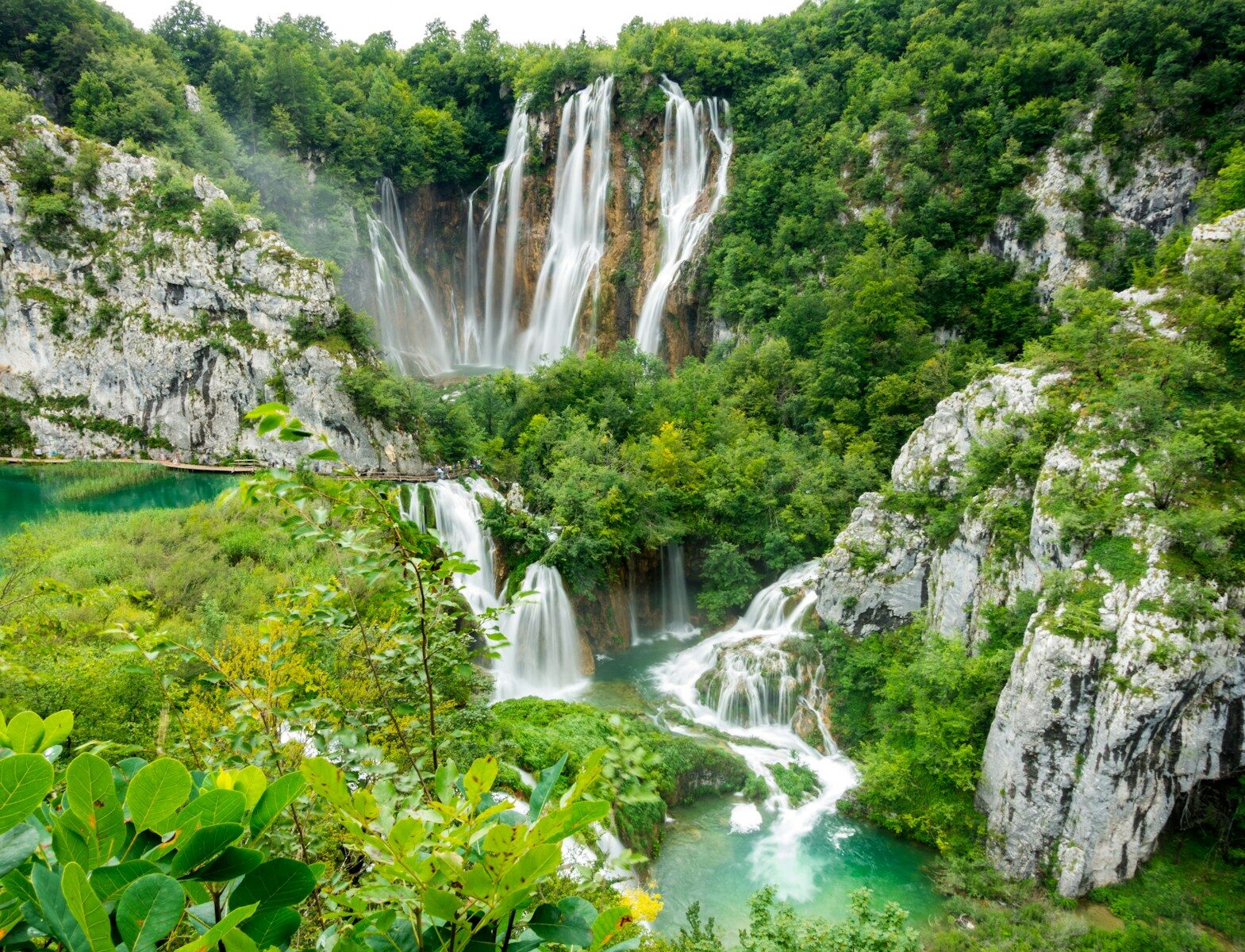
- Plitvice Lakes National Park — sixteen terraced lakes and dozens of waterfalls on boardwalks; book a timed entry online. €40 in summer, €10 in winter.
- Diocletian’s Palace, Split — wander the cellars, the Peristyle, and the cathedral bell tower; the palace is free to enter, individual sights are ticketed.
- Lokrum Island — ten minutes by ferry from Dubrovnik’s Old Port; botanical gardens, peacocks, a monastery, and the official Iron Throne photo spot. €30 ferry + admission.
- Krka National Park — waterfalls you can admire up close (swimming near Skradinski Buk is no longer allowed, but the park is still superb) and a boat trip to the Visovac monastery island.
- Elaphiti Islands — Koločep, Lopud, and Šipan by day boat from Dubrovnik; Lopud’s Šunj beach is one of the few sandy beaches on the coast.
- Hvar and the Pakleni Islands — swim, sail, and eat well; the Pakleni islets off Hvar Town are the classic day-boat escape.
- Korčula — the alleged birthplace of Marco Polo, a walled town on its own island, quieter than Dubrovnik and all the better for it.
- Kornati National Park — 89 mostly uninhabited islands, best seen by sailing boat from Zadar or Šibenik.
- Hum, Istria — the world’s smallest town: around thirty residents, a church, a town gate, and a mayor elected every year by the village elders.
- Fort Lovrijenac, Dubrovnik — the Red Keep itself, on a cliff outside the walls; €15, free with a City Walls ticket or Dubrovnik Pass.
- Mljet National Park — two saltwater lakes and a monastery island on one of the greenest, quietest islands in the Adriatic.
🎟️ Book experiences in Croatia
Tours we’d actually book — free cancellation on most. We may earn a commission if you book through these links, at no extra cost to you. Our affiliate disclosure.
- Dubrovnik: Game of Thrones tour + Lokrum & Iron Throne — the King’s Landing walk (Jesuit Stairs, Fort Lovrijenac, Blackwater Bay) with an optional Lokrum Island and Iron Throne photo.
- Elaphite Island Cruise with drinks & optional lunch — Lopud, Šipan, and Koločep in one day, with swimming stops and Croatian wine on board.
- Browse all Dubrovnik tours & activities
🎟️ More ways to book (Viator)
Two more reader-favorite ways to see Dubrovnik. We may earn a commission if you book through these links, at no extra cost to you. Our affiliate disclosure.
- Dubrovnik “Game of Thrones” and Lokrum Island Tour — Old Town filming locations, Fort Lovrijenac, and a Lokrum visit with an Iron Throne photo opportunity.
- Dubrovnik “Game of Thrones” Tour and Optional Lokrum Visit — a 2–3 hour King’s Landing walk from Pile Gate to the Walk of Shame stairs, with an optional Lokrum extension.
When to Visit & Getting Around
May, June, September, and early October are the sweet spot: warm enough to swim (the sea is warmest in August and September), cool enough to walk the walls without melting, and free of the July–August crush. July and August bring peak prices, peak crowds, and ferries that sell out — if you must go then, book accommodation, Plitvice timed entries, and Jadrolinija ferries weeks ahead. November to March is quiet, cheap, and lovely for Zagreb and the inland cities, but many island restaurants and boat lines shut down, and the sea is too cold for most swimmers.
Getting there: fly into Dubrovnik (DBV), Split (SPU), or Zagreb (ZAG). Dubrovnik and Split are the natural bookends of a coastal trip; Zagreb works best as a start or finish with a domestic flight or bus south. Getting around: the bus network is excellent and cheap — coastal buses connect Dubrovnik, Split, Zadar, and Zagreb several times a day. Trains are scenic but slow and limited on the coast; the Zagreb–Split line is the useful one. Ferries are the joy of the trip: Jadrolinija runs car ferries to the big islands, and fast catamarans (Jadrolinija and Krilo) connect Split to Hvar, Korčula, and Vis. Renting a car gives you Istria, the Pelješac peninsula, and Plitvice at your own pace — but do not drive into Dubrovnik’s Old Town (it is car-free, and parking nearby is expensive and scarce). In Dubrovnik itself, city buses (Libertas) and walking cover everything; the Dubrovnik Pass (1, 3, or 7 days) bundles the City Walls, museums, and buses and can pay for itself in a day if you walk the walls.
✈️ Find cheap flights to Croatia — We may earn a commission if you book through this link, at no extra cost to you.
🚗 Rent a car in Croatia — We may earn a commission if you book through this link, at no extra cost to you.
Budget
Croatia is mid-tier Europe: cheaper than Italy or France on paper, but Dubrovnik in August is not cheap anywhere. 2026 guides put a typical day at €45–75 budget, €85–150 mid-range, and €250+ comfort in peak season, and roughly half that off-season. Accommodation is the swing factor: a hostel bed or private room runs €30–60 in shoulder season, a decent mid-range hotel €100–180 in Dubrovnik in summer (less in Split or Zadar), and a seafront apartment €150–250.
Food can be your friend: a bakery breakfast is €3–5, a market lunch or a ćevapi stand €8–12, a konoba (tavern) dinner with grilled fish and local wine €25–40 per person. The big-ticket sights are the walls (€40) and Plitvice (€40 in summer) — budget for both, and remember the Dubrovnik Pass softens the blow. Ferries to the islands run €5–20 per person each way depending on distance. Money-saving truths: stay one street back from the Stradun and the Riva; eat where the menus are in Croatian first; travel in May or September; and drink the tap water — it is excellent, and a bottle of water at a café table is the most expensive water you will ever buy.
Practical Tips
- Book Plitvice and the walls early. Plitvice uses timed entries that sell out in summer; the walls are best at opening time (8 am in summer) before the cruise groups arrive.
- Bring swim shoes. Most Croatian beaches are pebble or rock, not sand — swim shoes turn a painful entry into a pleasure, and they cost a few euros at any beach shop.
- Cash is useful, cards are king. Cards work almost everywhere, but small konobas, market stalls, and island buses may be cash-only. ATMs are plentiful — always decline the machine’s currency conversion and pay in euros.
- Power and connectivity: Type C/F plugs at 230V, as in the rest of continental Europe. EU roaming applies for EU visitors; everyone else should grab a local SIM or eSIM at the airport — coverage is good, even on the islands.
- Emergency numbers: 112 for all emergencies, 192 police, 193 fire, 194 ambulance. Pharmacies (ljekarna) are marked with a green cross and keep long hours in cities.
- Sun and sea safety: the Adriatic sun is fierce — reef-safe sunscreen, a hat, and water on every walk. Sea urchins live on the rocks: shuffle, don’t step, and swim shoes help here too.
- One local quirk: the necktie was invented here. Croatian mercenaries wore knotted scarves in 17th-century France, the French called them cravates, and the rest is neckwear history — so if you buy one souvenir in Zagreb, make it a tie.
🛍️ Shop this guide: Croatia packing essentials
Gear we’d actually pack for this trip. As an Amazon Associate we earn from qualifying purchases — at no extra cost to you. Our affiliate disclosure.
- Swim shoes / water shoes — Croatia’s beaches are pebble and rock; these are the single most useful thing you will pack.
- Waterproof dry bag (10L) — for island boat days, beach swims, and ferry crossings with your phone and wallet aboard.
- Reef-safe sunscreen SPF 50 — the Adriatic sun is fierce, and the sea deserves the reef-safe kind.
- Lightweight packable daypack — for wall walks, Plitvice boardwalks, and island days, with room for water and a market picnic.
- Type C/F travel adapter — Croatia uses continental two-pin sockets at 230V.
🧳 Plan your trip: Croatia
Flights, stays, tours, and cruises — booked in one place. We may earn a commission if you book through these links, at no extra cost to you. Our affiliate disclosure.
- ✈️ Find cheap flights to Croatia — compare fares across airlines and booking sites in one search.
- 🏨 Browse our Expedia Travel Shop — hand-picked stays and travel deals from our curated storefront.
- 🎟️ Browse Dubrovnik tours & activities — free cancellation on most.
- 🛳️ Compare Adriatic cruises on CruiseDirect — Dalmatian Coast and island sailings from Split and Dubrovnik.
Closing
Croatia rewards the traveller who slows down. Walk the walls at dawn, before the city wakes. Take the slow ferry instead of the fast catamaran, and watch the islands slide past. Eat the fish the fishermen brought in this morning, in a konoba with no view and no English menu, and you will eat better than anyone on the Stradun. Come for King’s Landing if you must — everyone does — but stay for the rest: the palace you can live in, the lakes that do not look real, and a sunset over the Adriatic that makes even the crowds worth it.
🎬 [Croatia in 60 Seconds — video link]
Keep exploring
- Swiss Alps on a Budget: The $100/Day Strategy That Works
- Amsterdam Beyond the Red Light: Canals, Cheese & Tulip Season
- The Golden Circle vs the Ring Road: How to Do Iceland Right
- Santorini Alternatives: Naxos & Paros, the Islands Greeks Visit
- Lisbon in 3 Days + Day Trips to Sintra & Porto
FAQ
How many days do you need in Croatia? Seven days covers the classic Dubrovnik-to-Split coast with Plitvice and one island. Ten to fourteen days adds Istria, Zagreb, and two or three islands at a relaxed pace.
Is Croatia expensive? Mid-range Europe. Budget €45–75 a day, mid-range €85–150 in peak summer, and roughly half that off-season. Dubrovnik is the priciest stop; Split, Zadar, and inland towns are noticeably cheaper.
When is the best time to visit Croatia? May, June, September, and early October: warm seas, walkable cities, and thinner crowds. July and August are hottest, priciest, and most crowded — book ferries and Plitvice entries early.
Do I need a visa for Croatia? Croatia is in Schengen. US, Canadian, UK, and Australian visitors are visa-free for up to 90 days in any 180-day period; check your own nationality’s rules before booking.
Is the Dubrovnik Pass worth it? If you walk the City Walls (€40 alone), yes — the 1-day pass bundles the walls, museums, and city buses, and the 3- and 7-day passes add discounts on the Lokrum ferry. Buy it only if you will actually use the museums too.
Can you island-hop without a car? Yes, easily. Jadrolinija ferries and Krilo catamarans connect Split and Dubrovnik to Hvar, Korčula, Vis, and the Elaphiti Islands; buses cover the mainland coast. A car helps for Istria and Plitvice, not for the islands.
[…] Dubrovnik to Split: The 7-Day Dalmatian Coast Itinerary […]
[…] Croatia travel guide — Dubrovnik to Split on the Dalmatian coast, another sea-and-stone classic. […]
[…] Croatia travel guide — Dubrovnik to Split on the Dalmatian coast. […]