
 admin
Spain is the country that eats dinner at ten, dances at midnight, and still makes it to the beach by noon. It is also the country where first-time visitors face a genuinely hard choice: Barcelona or Madrid? Gaudí’s wild, seaside, Catalan capital — or the grand, museum-stuffed, tapas-crawling Spanish capital? Both deserve a week. Most trips only have room for one first.
This guide settles the debate honestly, then goes wide: the geography, the people, the unwritten rules (yes, dinner really is that late), the cities beyond the big two, the places worth the hype, when to go, what it costs, and the practical details that keep a Spain trip smooth. If you only read one section, read the Barcelona vs Madrid verdict in the cities chapter — then build your trip around it.
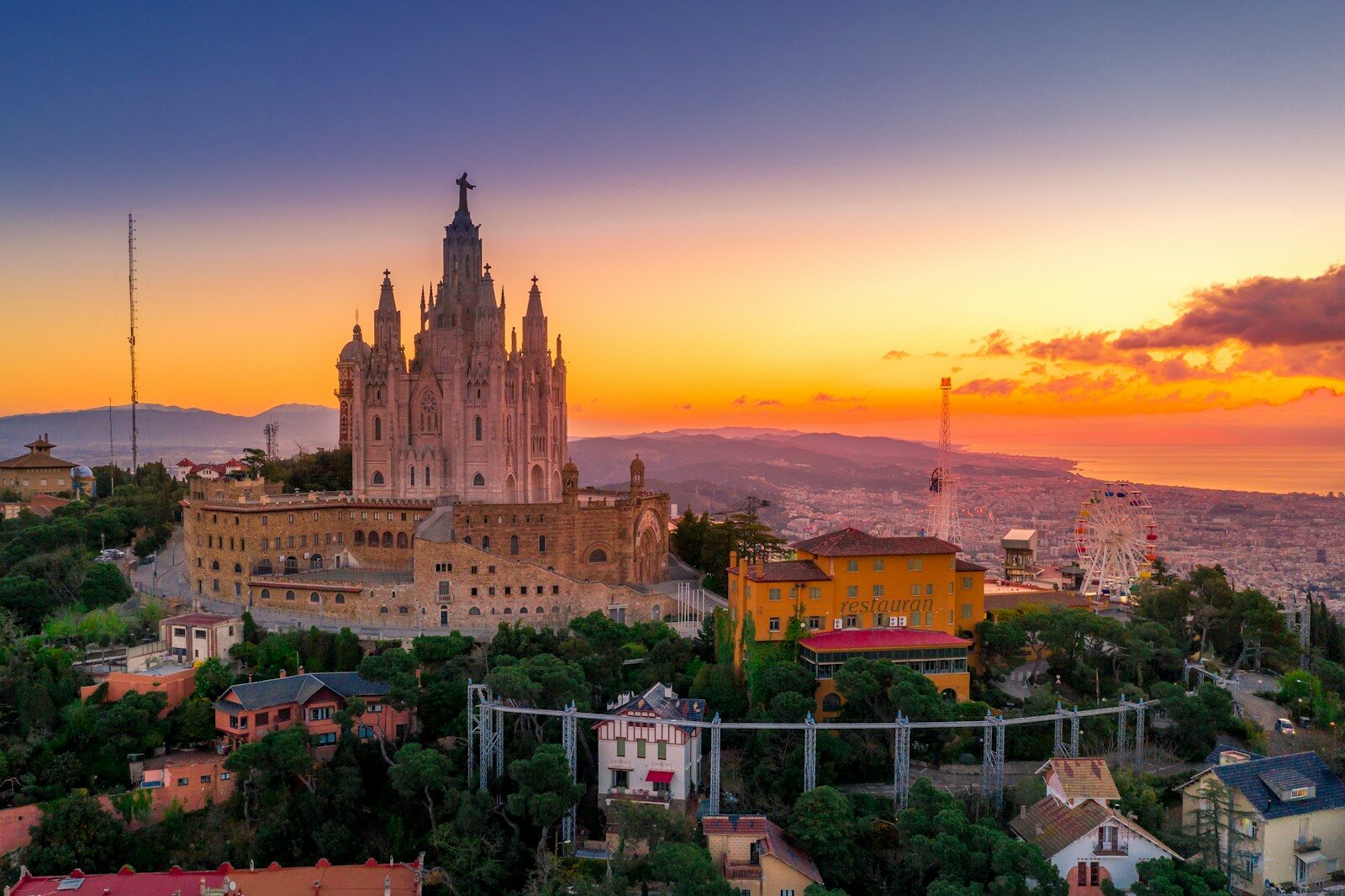
Geography & Climate
Spain occupies most of the Iberian Peninsula in southwestern Europe, sharing the peninsula with Portugal and a small border with France along the Pyrenees. It is the second-largest country in the European Union by area — about 505,000 square kilometres — and one of its most geographically varied. The Pyrenees wall off the north, the Sierra Nevada rises above Andalusia in the south (Mulhacén, 3,479 m, is the highest peak on the mainland), and the vast Meseta central plateau holds Madrid at 650 metres above sea level, making it one of Europe’s highest capitals.
Spain is not one climate but several. The north (Galicia, Asturias, the Basque Country) is Atlantic: green, rainy, and mild — locals call it “Green Spain” for a reason. The Mediterranean coast (Barcelona, Valencia, Málaga) is the postcard climate: hot dry summers, gentle winters. The interior (Madrid, Castilla) is continental: scorching summers over 35°C, cold winters that can dip below freezing, and big swings between day and night. The Canary Islands, off Africa’s northwest coast, are spring-like almost all year.
Natural hazards are modest for visitors: summer heatwaves in the interior and south are the real risk (carry water, plan shade at midday), and flash flooding can hit Mediterranean coastal areas in autumn storms. The Canary Islands’ Mount Teide is an active volcano but closely monitored and safe to visit.
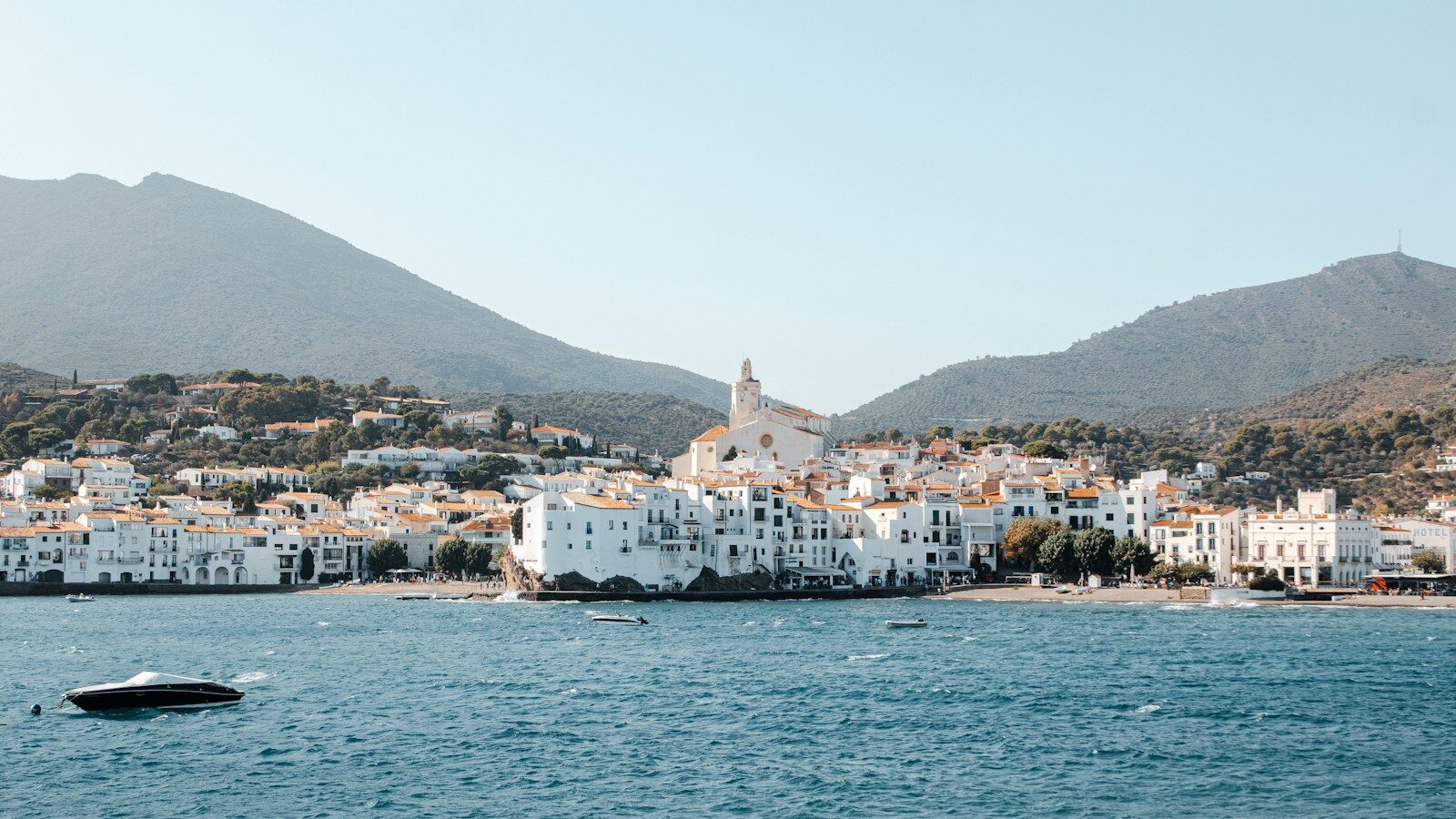
People & Demographics
Spain has about 49 million people in 2026, making it one of Europe’s largest countries by population — and one of its oldest, with a median age around 45. The population is concentrated along the coasts and in Madrid; the interior’s villages have been emptying for decades, a phenomenon Spaniards call la España vacía, “empty Spain.”
Identity in Spain is fiercely regional. Spain is divided into 17 autonomous communities, each with its own government, and several with their own language: Catalan in Catalonia, Basque (Euskera) in the Basque Country, Galician in Galicia. A Catalan or Basque person will often introduce themselves by region first, country second — and in Barcelona, you will see Catalan on street signs before Spanish. This is not a quirk to tiptoe around; it is the point. Spain rewards visitors who notice the differences.
Religion: a majority identify as Catholic, though regular church attendance is low, especially among the young. The great cathedrals — Burgos, Seville, Santiago de Compostela — are as much cultural monuments as places of worship, and the Camino de Santiago pilgrimage draws hundreds of thousands of walkers a year from every faith and none.
Language: Spanish (Castilian) is official everywhere, and English is widely spoken in Barcelona, Madrid, and resort areas — less so in rural towns and smaller cities. A little Spanish goes a long way, and in Catalonia, a bon dia (good day in Catalan) earns a smile.
Mini Spanish phrasebox: hola (hello) · buenos días (good morning) · buenas tardes (good afternoon) · gracias (thank you) · por favor (please) · la cuenta, por favor (the bill, please) · ¿dónde está…? (where is…?) · una caña (a small beer) · ¡salud! (cheers!)
Culture, Etiquette & Daily Habits
Spain runs on a different clock, and fighting it is the fastest way to have a bad trip. Lunch is at 2–3pm, dinner at 9–10pm, and the streets come alive after dark. Shops close for lunch in smaller towns (the famous siesta is real, though in big cities it mostly means a long lunch break, not a nap). Bars are for standing, eating, and talking — often all at once.
The do list:
- Eat late, or eat twice. If a restaurant is full at 7pm, it is feeding tourists. Eat a big lunch (the menú del día, a fixed-price lunch, is Spain’s great bargain) and dine after 9pm like everyone else.
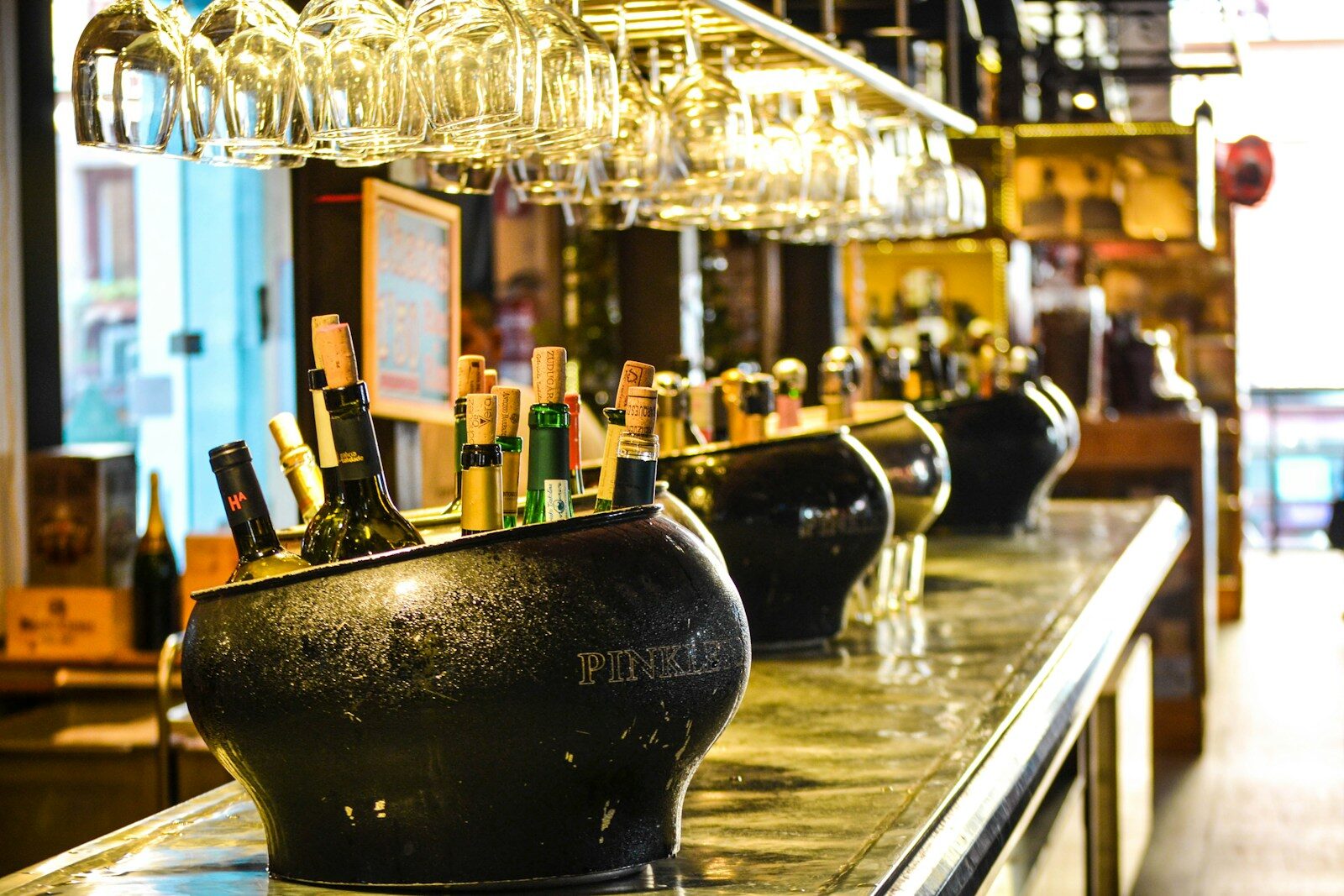
- Stand at the bar for tapas. Order a drink, get a small plate, move on. A tapas crawl (ir de tapas) across three or four bars is dinner, Spanish-style.
- Greet with two kisses when meeting friends of friends socially (right cheek first) — but a handshake is fine for first business meetings.
- Dress for the occasion. Spaniards dress smartly even casually; beachwear stays at the beach, and churches and cathedrals require covered shoulders and knees.
- Learn the regional greeting. In Barcelona, bon dia in Catalan is noticed and appreciated.
The don’t list:
- Don’t expect dinner at 6pm. Kitchens in local restaurants often do not even open until 8 or 8:30pm.
- Don’t tip like an American. Tipping is modest: round up the bill or leave a euro or two for great service. The 15–20% rule does not apply.
- Don’t call everyone “Spanish” without nuance. In Catalonia and the Basque Country, regional identity matters — listen to how locals describe themselves.
- Don’t rush a meal. A long lunch is not slow service; it is the point. The table is yours.
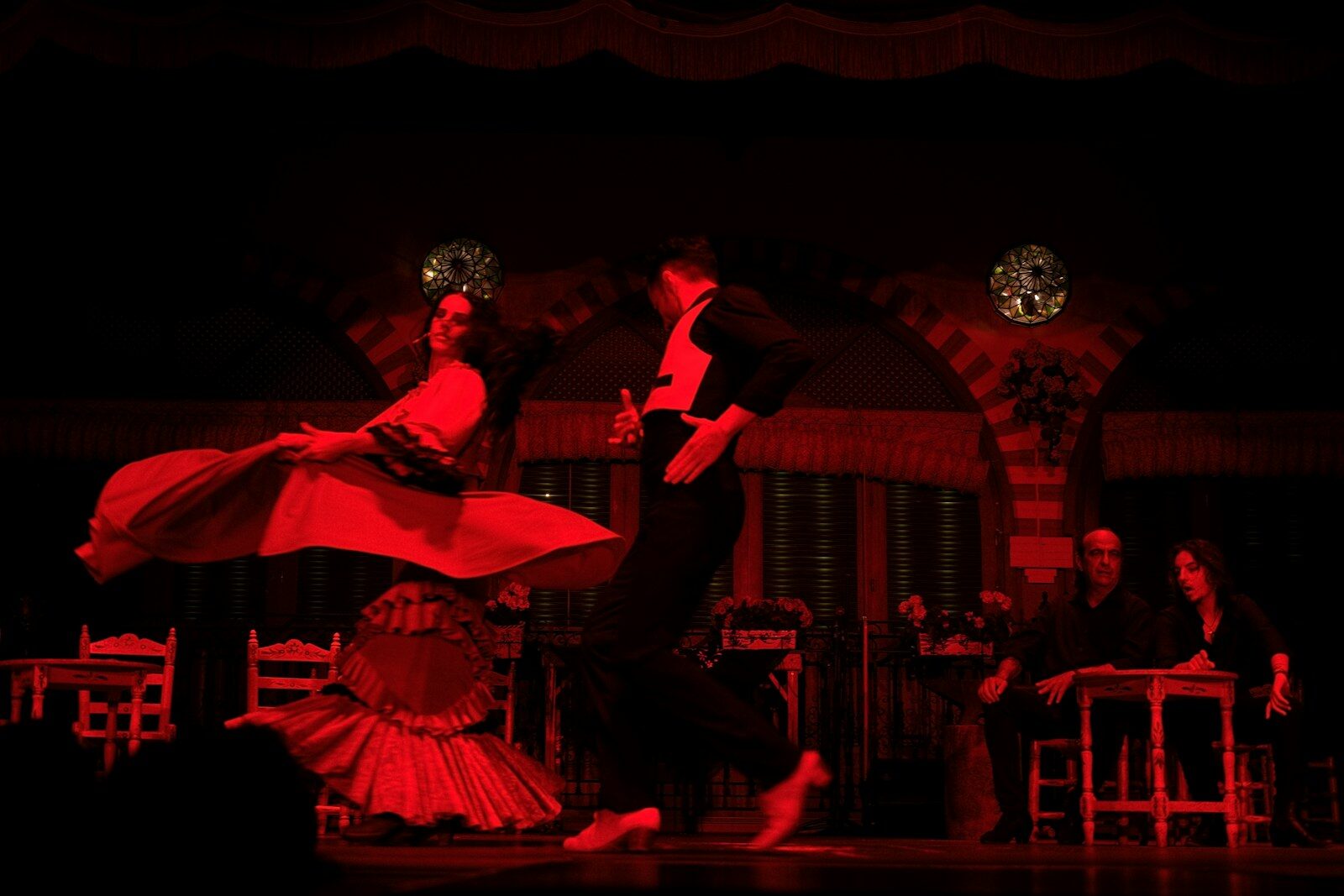
- Don’t photograph flamenco shows where it is banned — many tablaos prohibit phones, and the performers will notice.
Lifestyle
Spanish daily life is built around the street, the square, and the table. Mornings start late by northern European standards — coffee and toast at a bar counter, standing up. The workday stretches with a long midday break, then the evening paseo, the stroll through town, fills the plazas before dinner. Weekends are for family lunches that last three hours and for football: Real Madrid vs Barcelona, El Clásico, is less a match than a national event.
Food is the national obsession, and every region defends its version. The Basque Country has pintxos (tapas on bread, eaten standing, one bar after another in San Sebastián). Valencia claims the only true paella. Galicia serves octopus (pulpo a la gallega) and seafood straight off the Atlantic boats. Andalusia fries everything beautifully and drinks chilled fino sherry. And everywhere, cured jamón ibérico is treated with the reverence other countries reserve for wine.
Nightlife is serious: Madrid’s clubs do not fill until 1am, Barcelona’s beach bars run all summer, and the summer festivals — from Pamplona’s Running of the Bulls to Valencia’s Las Fallas fire festival — turn whole cities into street parties.
Main Cities
Barcelona vs Madrid — the verdict. Visit Barcelona first if you want the postcard: Gaudí’s architecture, the beach, walkable old quarters, and food you can graze your way through. Visit Madrid first if you want the deep cut: the world’s greatest Spanish art collections, the best tapas crawl in the country, grand boulevards, and day trips to Toledo and Segovia that feel like time travel. If you can only pick one and you travel for sights, pick Barcelona. If you travel for food, art, and nightlife, pick Madrid. And if you have ten days, do both — the high-speed AVE train connects them in about two and a half hours.
Barcelona — Gaudí’s city. The Sagrada Família, still under construction since 1882, is the most-visited monument in Spain. Park Güell, Casa Batlló, and La Pedrera turn the whole city into an open-air museum, while the Gothic Quarter’s narrow lanes and the beach at Barceloneta give you two cities in one. Budget at least three days; book Sagrada Família tickets weeks ahead.
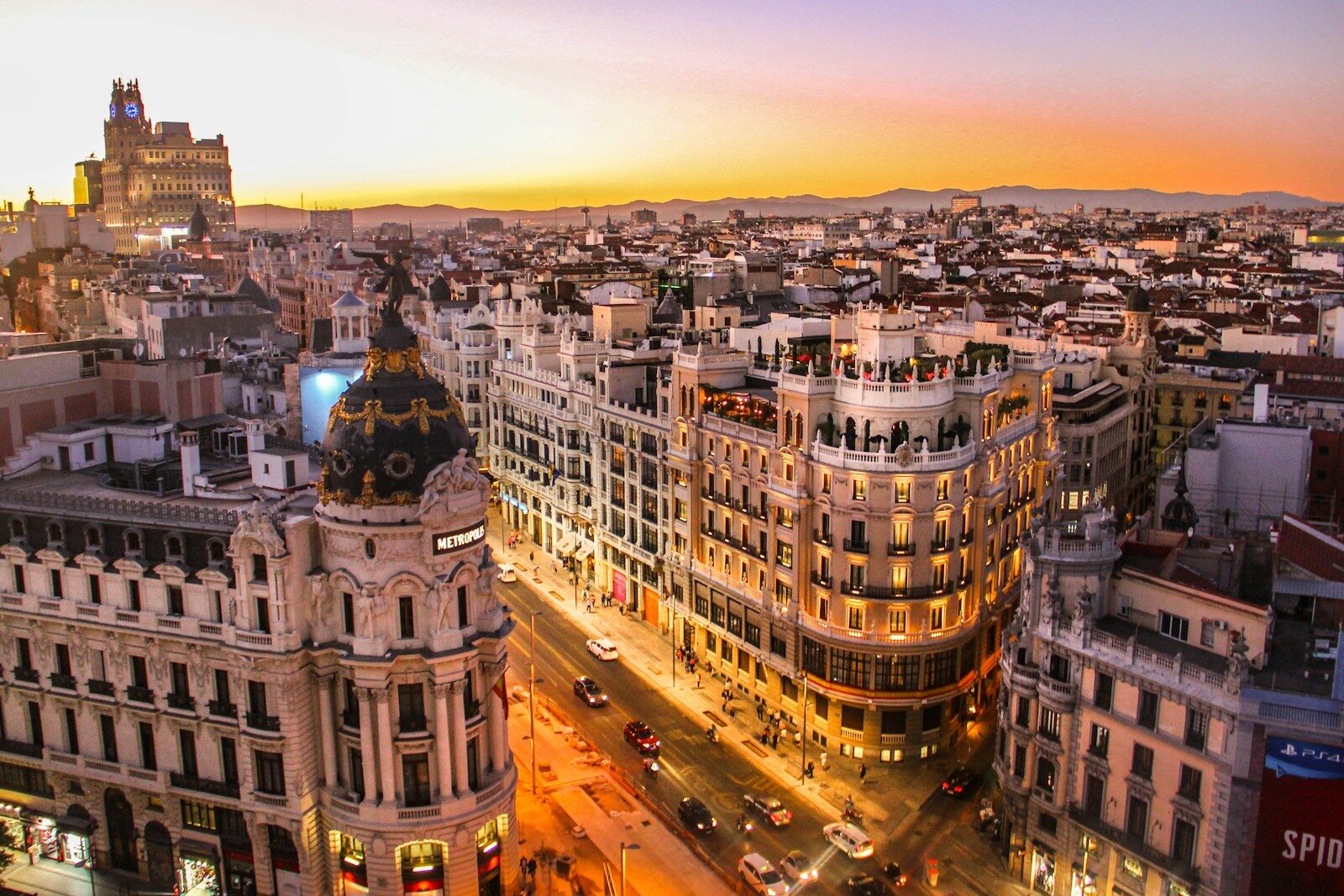
Madrid — the capital, and the city Spaniards themselves pick for a night out. The Prado, Reina Sofía (home of Picasso’s Guernica), and Thyssen museums form the “Golden Triangle of Art.” The tapas crawl around La Latina on a Sunday, the Retiro Park rowboats, and the Gran Vía at night are the city’s real signature. Three days minimum, plus a day trip.
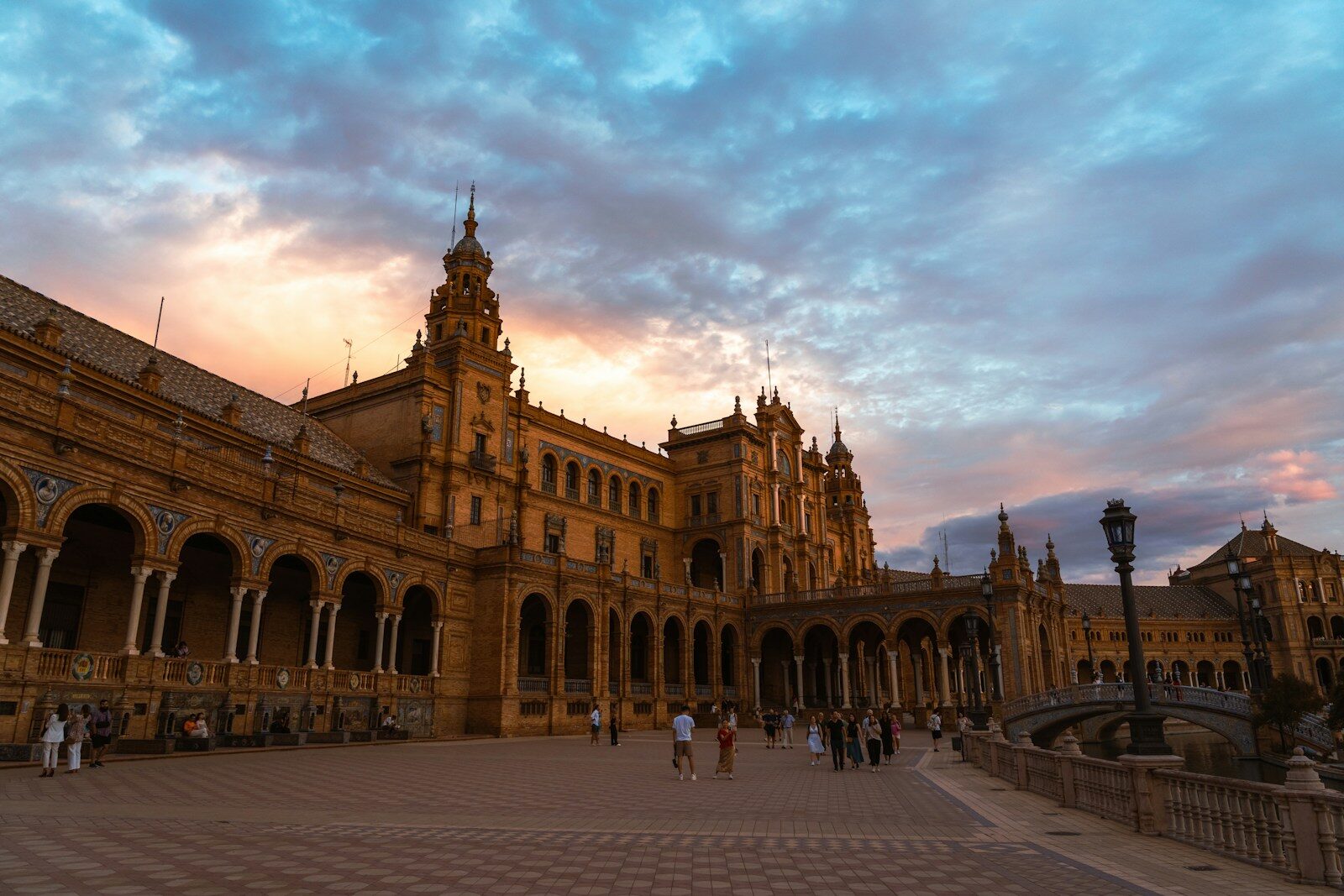
Seville — Andalusia’s jewel: the Alcázar palace, the world’s largest Gothic cathedral, flamenco born in its Triana quarter, and orange trees lining every street. Best in spring, when the Feria de Abril turns the city into a week-long party.
Granada — home of the Alhambra, the Moorish palace-fortress that is Spain’s single most breathtaking sight. Book Alhambra tickets weeks in advance; the free-tapas-with-a-drink tradition in Granada’s bars is the stuff of legend.
Valencia — the paella capital, with a futuristic City of Arts and Sciences, a long beach, and the March fire festival of Las Fallas. More relaxed and cheaper than Barcelona, and an excellent first-timer alternative.
San Sebastián — the food capital: more Michelin stars per capita than almost anywhere on Earth, plus the pintxos bars of the Old Town and the perfect crescent of La Concha beach. Small, walkable, unforgettable.
Bilbao — the Guggenheim effect made real: Frank Gehry’s titanium museum turned an industrial port into a design destination, with Basque culture and pintxos to match.
Santiago de Compostela — the end of the Camino, a granite old town of arcades and bagpipes, and one of Spain’s great rainy-day cities.
Top Places to Visit
- The Alhambra, Granada — Moorish palace-city of carved courtyards and Generalife gardens; book weeks ahead.
- Sagrada Família, Barcelona — Gaudí’s unfinished basilica, a forest of stone columns and coloured light.
- Mezquita-Catedral, Córdoba — a mosque-cathedral of 850 striped arches, one of the wonders of the Islamic world.
- The Guggenheim, Bilbao — Gehry’s titanium flower on the Nervión river, worth the trip alone.
- The Camino de Santiago — walk the last 100 km from Sarria, or just join pilgrims for a day.
- Ronda — a white town split by a 120-metre gorge, with Spain’s oldest bullring.
- Toledo — the “city of three cultures” (Christian, Muslim, Jewish) on a Tagus hilltop, an easy day trip from Madrid.
- Segovia — a Roman aqueduct standing without mortar, plus a fairy-tale Alcázar castle.
- The Picos de Europa — limestone peaks and green valleys in the north, Spain’s best-kept hiking secret.
- La Tomatina, Buñol — the last Wednesday of August, when the town throws 145 tonnes of tomatoes at each other.
- Ibiza’s quiet north — beyond the clubs, pine coves and sunset cliffs on the White Isle.
- The Canary Islands’ Teide National Park — a volcanic moonscape above the clouds on Tenerife.
🎟️ Book experiences in Spain
Tours we’d actually book — free cancellation on most. We may earn a commission if you book through these links, at no extra cost to you. Our affiliate disclosure.
- Sagrada Família & Park Güell fast-track tour — Gaudí’s two masterpieces in one 4.5-hour guided tour, with tower views.
- Barcelona tapas & flamenco experience — a Gothic Quarter food walk plus a passionate flamenco show.
- Browse all Barcelona tours & activities
🎟️ More ways to book (Viator)
Two more reader-favorite ways to see Spain. We may earn a commission if you book through these links, at no extra cost to you. Our affiliate disclosure.
- Skip-the-line Sagrada Família tour with tower access — fast-track entry plus the tower views, with a local guide.
- Gaudí & Modernisme walking tour — Passeig de Gràcia’s Casa Batlló and La Pedrera, ending at the Sagrada Família.
When to Visit & Getting Around
Best seasons: April–June and September–October are Spain’s sweet spots — warm days, bearable crowds, and festivals (Seville’s Feria in April/May, San Isidro in Madrid in May). July and August are brutally hot inland (Madrid and Seville regularly pass 38°C) but perfect on the northern coast and in the Canaries; this is also when Spaniards themselves go on holiday, so coastal towns fill up. Winter is underrated: Madrid’s museums without queues, Andalusia in the low 20s, and skiing in the Sierra Nevada.
Festivals to catch or avoid: Las Fallas (Valencia, March) and the Feria de Abril (Seville, spring) are worth building a trip around; Pamplona’s San Fermín (July 6–14) is thrilling and crowded — book a year ahead if you want a balcony. Semana Santa (Holy Week) processions in Seville and Málaga are spectacular but push hotel prices up.
Getting around: Spain’s AVE high-speed rail is superb — Madrid–Barcelona in ~2.5 hours, Madrid–Seville in ~2.5 hours, with advance fares from around €25–40 on those routes. Budget operators Ouigo and Avlo undercut Renfe on the same lines. Within cities, metro systems in Madrid and Barcelona are cheap and fast (a 10-ride bonotren/T-Casual in Barcelona costs about €12). Rent a car only for Andalusia’s white villages, the Picos, or the north coast — city driving and parking are painful.
✈️ Find cheap flights to Spain — compare fares across airlines and booking sites in one search. We may earn a commission if you book through this link, at no extra cost to you.
🚗 Rent a car in Spain — compare rental prices across suppliers in one search. Affiliate link: we may earn a commission at no extra cost to you.
Budget
Spain is one of Western Europe’s best-value destinations — a full meal can cost less than a sandwich in Paris or London. Prices in euros (€; roughly €1 ≈ $1.08 USD in 2026).
- Budget — €60–90/day ($65–100): hostel dorm or budget pension, menú del día lunches, supermarket breakfasts, free museum hours (the Prado is free weekday evenings), walking and metro.
- Mid-range — €120–180/day ($130–195): 3-star hotel or good apartment, restaurant dinners, paid sights with advance tickets, one AVE leg, a tapas crawl or two.
- Comfort — €250+/day ($270+): boutique hotel or parador, fine dining (including a Michelin-starred splurge in San Sebastián), private guides, rental car for day trips.
Money-saving truths: the menú del día (usually €12–18 for three courses with wine) is the single best deal in European travel. Many major museums have free hours — check before you pay. And tapas are cheapest where locals eat: if the menu is only in English and the photos are laminated, walk on.
Practical Tips
- Connectivity: EU roaming is free for EU visitors; others should grab a local prepaid SIM (Orange or Vodafone) at the airport or a phone shop — €10–20 for a month of data.
- Cash vs card: cards are accepted nearly everywhere, including most bars — but carry some cash for small tapas bars, markets, and rural towns.
- Power plugs: Type C/F (two round pins), 230V — the standard European plug; North American visitors need an adapter.
- Water: tap water is safe in nearly all of Spain, though many locals in Barcelona and Valencia prefer bottled for taste.
- Emergency numbers: 112 works across the EU for police, fire, and ambulance.
- Pickpockets: Barcelona’s Las Ramblas and the Madrid metro are classic spots — front pockets, zipped bags, and no phone in the back pocket.
- Book the big three early: Sagrada Família, Alhambra, and Guggenheim tickets all sell out — reserve weeks ahead, not days.
🛍️ Shop this guide: Spain
Gear we’d pack for Spain. We may earn a commission if you buy through these links, at no extra cost to you. Our affiliate disclosure.
- Spain travel guidebook — for the Barcelona vs Madrid planning and the Andalusia detours.
- Spanish phrasebook — small, light, and worth it the first time a menu has no English.
- Comfortable walking shoes — Barcelona’s Gothic Quarter and Toledo’s hills are cobblestone country.
- Lightweight daypack — for water, sunscreen, and the market haul.
- European travel adapter (Type C/F) — the one adapter Spain actually needs.
🧳 Plan your trip: Spain
Flights, stays, tours, and cruises — booked in one place. We may earn a commission if you book through these links, at no extra cost to you. Our affiliate disclosure.
- ✈️ Find cheap flights to Spain — compare fares across airlines and booking sites in one search.
- 🏨 Browse our Expedia Travel Shop — hand-picked stays and travel deals from our curated storefront.
- 🎟️ Browse Barcelona tours & activities — free cancellation on most.
- 🛳️ Compare Mediterranean cruises on CruiseDirect — sailings calling at Barcelona, Valencia, and Málaga.
Closing
Spain does not ask you to choose between its cities forever — it asks you to start somewhere. Start in Barcelona if you want the postcard, Madrid if you want the deep cut, and know that either way, the second city is a two-and-a-half-hour train ride away. Eat late, walk everywhere, say yes to the extra tapa, and let the evening stretch. Spain rewards the unhurried: the best table, the best sunset, and the best story always go to the traveler who stayed for one more round.
FAQ
Barcelona or Madrid first? Barcelona for first-timers who want sights, beaches, and walkability; Madrid for food, art, and nightlife lovers. With 10 days, do both via the AVE train.
How many days do you need in Spain? Seven days covers Barcelona + Madrid or one region well. Ten to fourteen days adds Andalusia (Seville, Granada, Córdoba) properly.
Is Spain expensive? By Western European standards, no. Budget travelers manage on €60–90/day; the menú del día and cheap local wine keep food costs low.
When is the best time to visit Spain? April–June and September–October for most of the country; the north coast shines in July–August, and the Canaries are year-round.
Is Spain safe for tourists? Yes — violent crime against tourists is rare. The main risk is pickpocketing in Barcelona and Madrid tourist zones; keep bags zipped and phones out of back pockets.
Do I need a visa for Spain? Most US, Canadian, UK, and Australian visitors get 90 days visa-free in the Schengen Area. Check current rules before booking, as ETIAS pre-authorization is rolling out.
Keep exploring
- France travel guide — Paris beyond the Eiffel Tower, and the Riviera beyond the crowds.
- Italy travel guide — the classic Rome → Amalfi → Cinque Terre route.
- UAE travel guide — Dubai on a budget, plus Abu Dhabi in a day.
- Thailand travel guide — the full $50-a-day budget breakdown.
- Japan travel guide — seven days from Tokyo to Kyoto to Nara.
[…] Spain travel guide: Barcelona vs Madrid — the neighbour across the border: fiesta, flamenco, and tapas, with the same late dinners and long lunches. […]
[…] Spain travel guide: Barcelona vs Madrid […]
[…] Barcelona vs Madrid: Which City Should You Visit First? — from the Wild Atlantic Wa […]
[…] Spain travel guide — Barcelona vs Madrid, and the country Mexico’s language and colonial cities came from. […]
[…] Spain Travel Guide: Barcelona vs Madrid — Which City Should You Visit First? […]
[…] Spain travel guide — fourteen kilometres across the strait, and the other half of the Al-Andalus story […]