
 admin
Introduction
Portugal is the best-value country in Western Europe, and it knows it. An espresso costs under a euro, a three-course lunch with wine runs €12–14, and the trains are so cheap that the country’s greatest day trip — a fairytale palace in the clouds — costs €5.10 return. Yet for years, travellers treated Portugal as Spain’s quieter neighbour, a place to tack onto a Madrid trip. That is changing fast: Lisbon is now one of Europe’s most visited capitals, Porto’s riverside is on every “best city” list, and the Douro Valley produces wine the whole world toasts with.
This guide is built around a simple, proven shape: three days in Lisbon, one day trip to Sintra, and an overnight (or very long day) in Porto — the two cities that anchor any first trip. It covers what Portugal costs in 2026, how the trains and the Lisboa Card actually work, where to go beyond the two big cities, and the small cultural rules — fado silence, the long lunch, the art of saudade — that turn a good trip into a memorable one.
🎬 Watch: Portugal in 60 Seconds
Geography & Climate
Portugal occupies the western edge of the Iberian Peninsula, facing the Atlantic — the last land before America. The country is small (about 92,000 square kilometres, roughly the size of Indiana) but strikingly varied: the green, rainy north around Porto and the Douro Valley; the rolling Alentejo plains of cork oaks and whitewashed villages in the centre; and the sun-baked Algarve cliffs in the south. Two island groups, the Azores and Madeira, sit far out in the Atlantic and are autonomous regions with their own character (and their own weather).
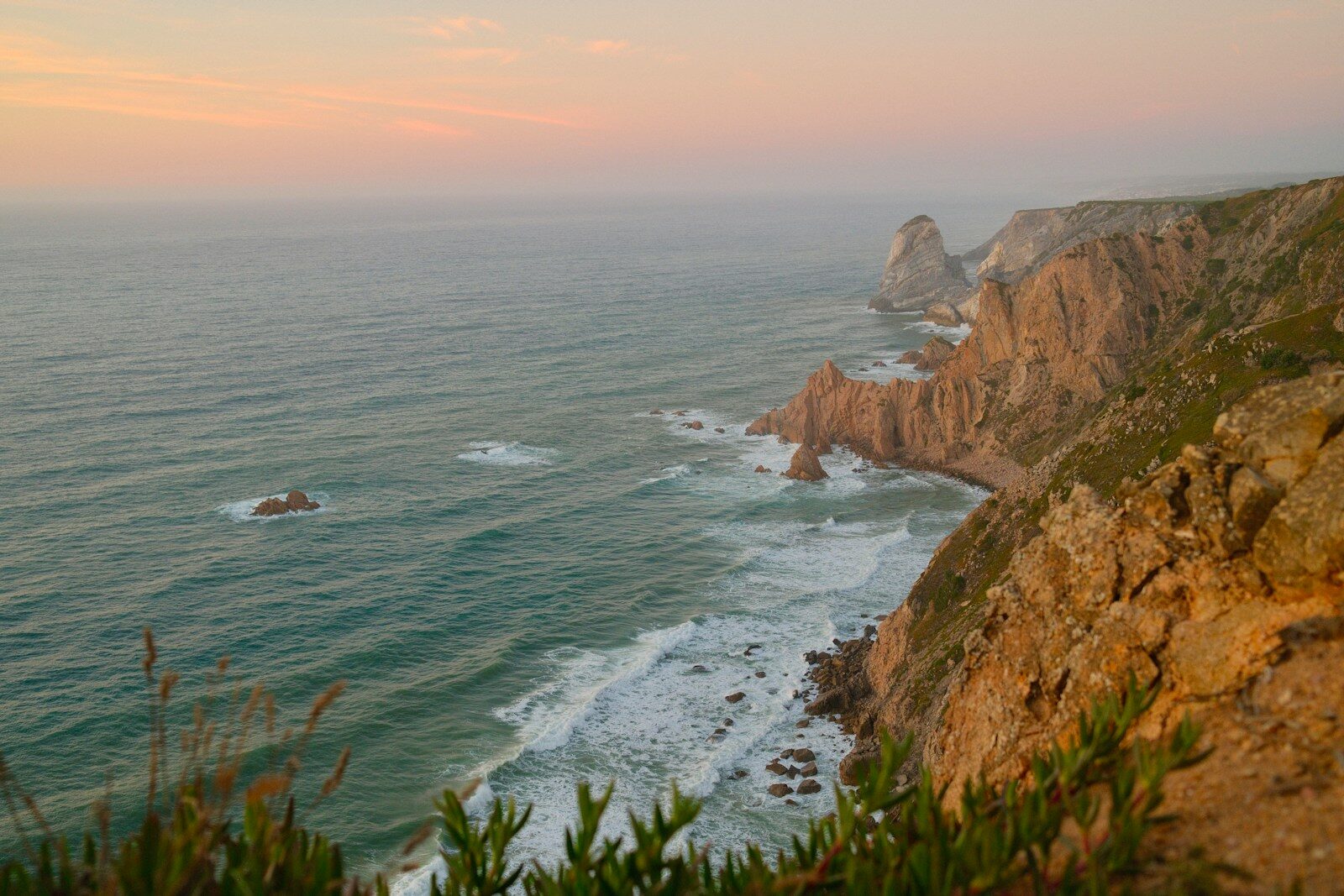
The mainland’s spine is the Tagus River, which divides the cooler, wetter north from the drier, hotter south. Lisbon sits on the Tagus estuary, built across seven hills — the reason every walk in the city feels like a workout and every viewpoint (miradouro) feels earned. The climate is Mediterranean with an Atlantic influence: Lisbon averages 28°C (82°F) in July and August and about 15°C (59°F) in January. The north is cooler and rainier, especially in winter; the Algarve is the warmest and driest region, with over 300 days of sunshine a year. The Atlantic keeps summers from getting brutal — but it also means the ocean is cold (18–20°C even in August), and the wind on the coast can be sharp, especially at Cabo da Roca and in Nazaré, where the underwater canyon creates some of the tallest surfable waves on Earth, over 30 metres in winter.
The best months to visit are April to June and September to October: warm, dry, and uncrowded. July and August bring peak heat in the Algarve and the interior, plus festival crowds. Winter is mild in Lisbon and the Algarve (a genuine European winter-sun option) but wet and grey in Porto and the north.
People & Demographics
Portugal has a population of about 10.4 million, and nearly a third of them live in the two big metropolitan areas: Lisbon (~2.9 million) and Porto (~1.7 million). The rest of the country is strikingly empty by European standards — the Alentejo has some of the lowest population densities in Western Europe, and whole villages in the interior are slowly emptying as young people move to the cities or abroad. The population is ageing (median age around 46) and overwhelmingly Portuguese, with growing Brazilian, Angolan, and other Lusophone communities, plus a large and visible expat population in Lisbon and the Algarve.
Portuguese is the official language, and it is not Spanish — the two are related but mutually unintelligible in speech, and Portuguese speakers are politely tired of being addressed in Spanish. The good news: English is widely spoken in Lisbon, Porto, and the Algarve, especially by anyone under 40. In small towns and rural restaurants, a few Portuguese words go a long way, and the effort is genuinely appreciated.
Portugal is predominantly Catholic in culture — the calendar is full of saints’ days and pilgrimages, most famously Fátima — but daily life is relaxed and secular. Family is central: multi-generational Sunday lunches that take up half a restaurant are normal, and the Portuguese are famously hospitable, with a quiet, dry humour that takes a day or two to tune into.
Mini phrasebook: Bom dia (good morning), Boa tarde (good afternoon), Obrigado (thank you — said by a man) / Obrigada (thank you — said by a woman), Por favor (please), Quanto custa? (how much is it?), Uma bica, por favor (an espresso, please), A conta, por favor (the bill, please), Adeus (goodbye). And the untranslatable one: saudade — a deep, bittersweet longing for something or someone absent. It is the emotional core of fado, and once you hear the word you will hear it everywhere.
Culture, Etiquette & Daily Habits
Portuguese life runs slower than the rest of Western Europe, and that is the point. Lunch is the main meal, eaten between 12:30 and 14:00, and it is a proper sit-down affair — the €10–14 prato do dia (dish of the day) at a local tasca is one of Europe’s great bargains. Dinner starts late, rarely before 19:30, and restaurants that fill at 18:00 are serving tourists. Meals are unhurried; nobody will bring the bill until you ask for it, and asking too quickly is the mark of a tourist in a rush.
Do: greet shopkeepers and restaurant staff with “Bom dia” — entering a shop without greeting is considered rude; try the house wine, which is almost always local, cheap, and good; dress modestly in churches; stand for fado — and stay silent during the song (talking over a fado performance is a genuine offence in Alfama); tip by rounding up or leaving 5–10% for great service.
Don’t: speak Spanish to Portuguese people and expect gratitude; rush a meal or demand the bill the moment you finish; photograph fado singers mid-song with a flash; assume the bill includes a tip (it does not, but tipping is not obligatory); wear beach clothes away from the beach in Lisbon or Porto; expect shops to be open on Sunday afternoons in small towns.
Two cultural notes worth knowing before you go. First, fado is not background music. It is Lisbon’s soul music, born in Alfama’s taverns in the early 1800s, and since 2011 it has been on UNESCO’s Intangible Cultural Heritage list. The classic experience is a small tasca in Alfama or Bairro Alto, a guitar, a voice, and a room that goes dead silent. Second, the Portuguese relationship with their history is complicated and honest: the Age of Discoveries built the country’s wealth and its monuments, and the same era built an empire on slavery and conquest. The museums and monuments in Belém tell the triumphant version; the city’s newer memorials and exhibitions tell the rest. Both are worth your time.
Lifestyle
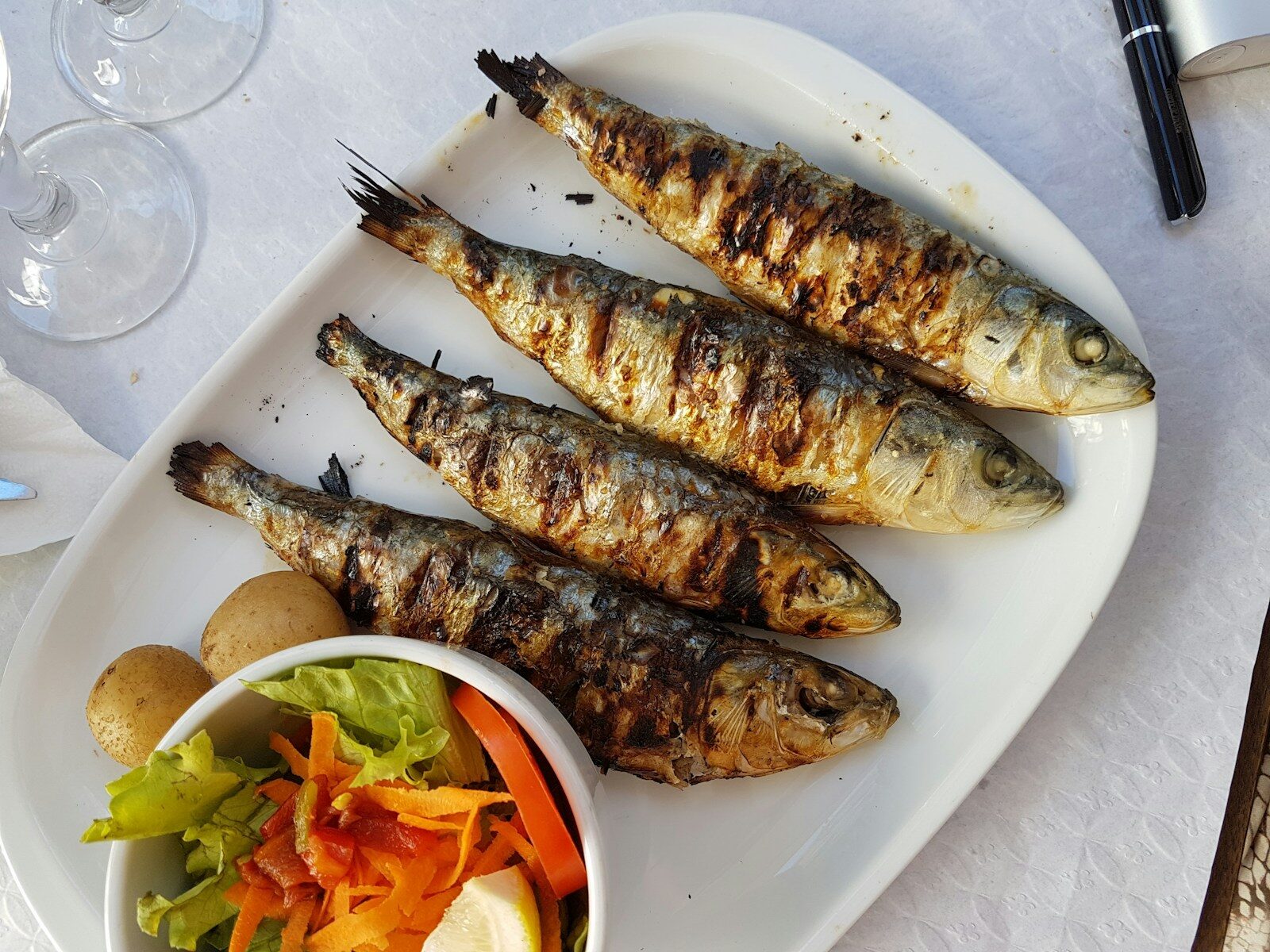
Food is the centre of Portuguese life, and it is gloriously unpretentious. The national obsession is bacalhau — salt cod — with a famous claim of 365 recipes, one for every day of the year. The reality on the plate is simpler and better: grilled sardines in June (the Santo António festival turns Lisbon into one giant sardine grill), caldo verde soup, francesinha in Porto (a tower of meat, cheese, and beer sauce that is less a sandwich than a dare), and pastéis de nata — warm custard tarts dusted with cinnamon, best eaten at the original Pastéis de Belém bakery, which has made them since 1837. A bica (espresso) costs €0.80–1.50 standing at the counter, and coffee culture is a daily ritual: quick, strong, social.
Work culture is family-first and relationship-driven: small businesses dominate, shops close for lunch in smaller towns, and August is sacred holiday time — do not expect quick replies from anyone in August. Nightlife starts late and stays out: Bairro Alto’s bars fill after midnight, Porto’s Ribeira glows until 2am, and the Pink Street (Rua Nova do Carvalho) in Cais do Sodré is Lisbon’s late-night strip. Football is the national religion (Benfica, Porto, and Sporting divide the country), and the surf is a way of life on the coast — from Peniche and Ericeira to the monster waves of Nazaré, where the world’s best big-wave surfers gather each winter.
Technology and tradition sit side by side: you can tap a bank card on the metro, yet the village café still serves coffee in a tiny cup with a glass of water, and the fishwife still cries her wares in the morning market. And the country runs on cork: Portugal produces roughly half the world’s cork, and you will see it everywhere — not just in wine bottles, but in handbags, shoes, and flooring.

Main Cities
Lisbon — The capital is one of Europe’s oldest (settled by Phoenicians around 1200 BC) and its sunniest. Seven hills, yellow trams, tiled facades, and miradouros at every turn. Give it three full days minimum: one for Alfama and the castle, one for Belém, one for Chiado, Bairro Alto, and the modern Parque das Nações waterfront. The city was almost entirely destroyed by the 1755 earthquake and rebuilt on the world’s first earthquake-resistant street grid — the elegant Baixa downtown is that rebuild.
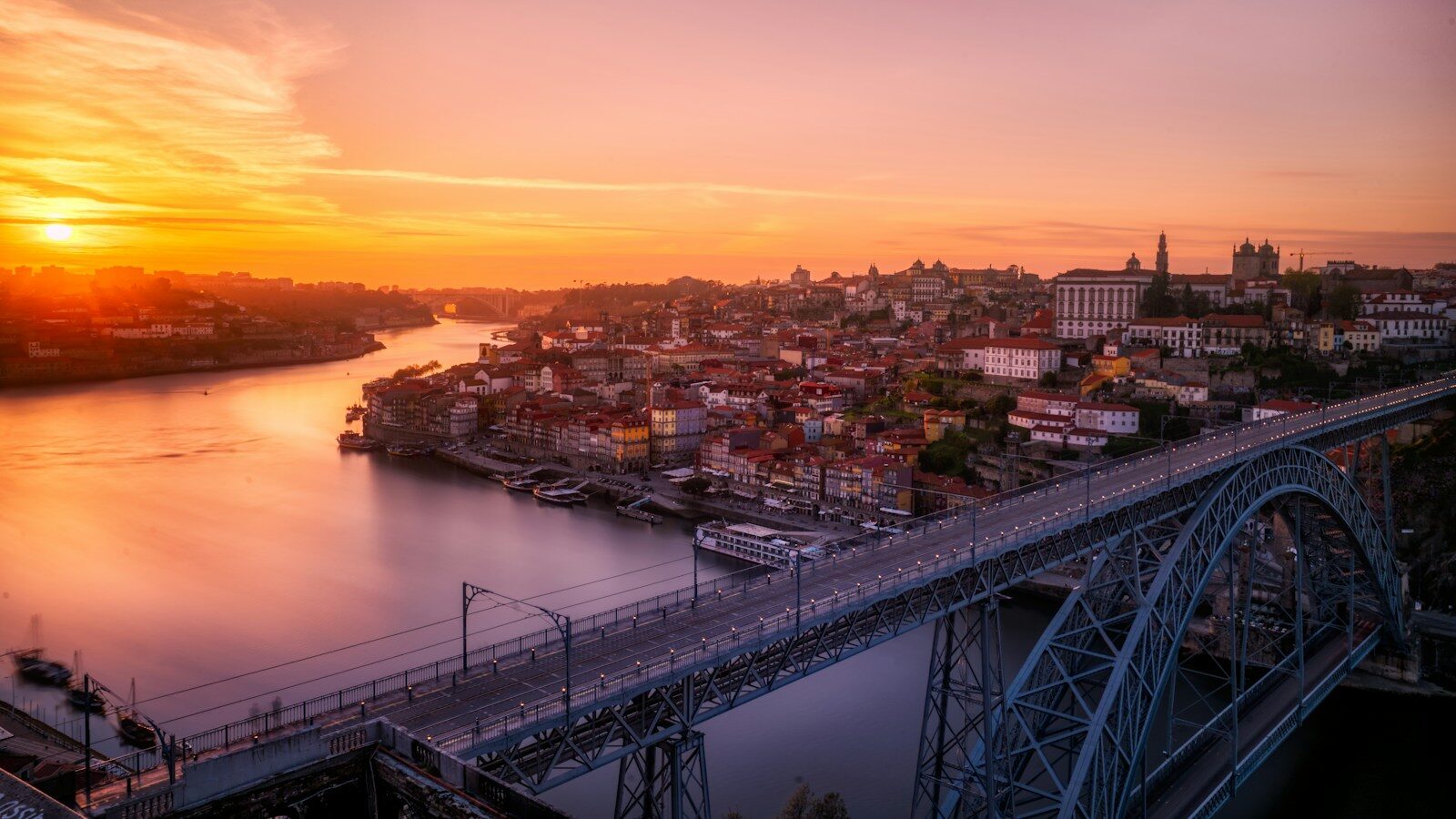
Porto — Portugal’s second city is grittier, steeper, and more soulful than Lisbon: a UNESCO-listed riverside of colourful houses, the double-deck Dom Luís I Bridge, and the port lodges across the river in Vila Nova de Gaia, where the wine that bears the city’s name is aged. Stay overnight if you can — the riverside at dusk is the single most beautiful urban scene in Portugal.
Coimbra — Home to one of Europe’s oldest universities (founded 1290), with a baroque library, the Joanina, that looks like a film set. A perfect half-day stop between Lisbon and Porto.
Braga — Portugal’s religious heart, with the baroque Bom Jesus do Monte sanctuary at the top of a 577-step staircase (or a 19th-century water-powered funicular). Lively, young, and underrated.
Guimarães — “The birthplace of Portugal,” where the first king was born in the 12th century. A beautifully preserved medieval centre, 50 minutes from Porto by train.
Évora — The Alentejo’s whitewashed capital: a Roman temple standing in a public square, a bone chapel (Capela dos Ossos), and slow, golden evenings. The best base for the Alentejo wine country.
Faro — The Algarve’s capital and gateway: a walled old town, a lagoon (Ria Formosa) full of flamingos, and ferries to car-free barrier islands with empty beaches.
Aveiro — The “Venice of Portugal”: canals, striped moliceiro boats, and art-nouveau facades. A charming half-day from Porto.
Top Places to Visit
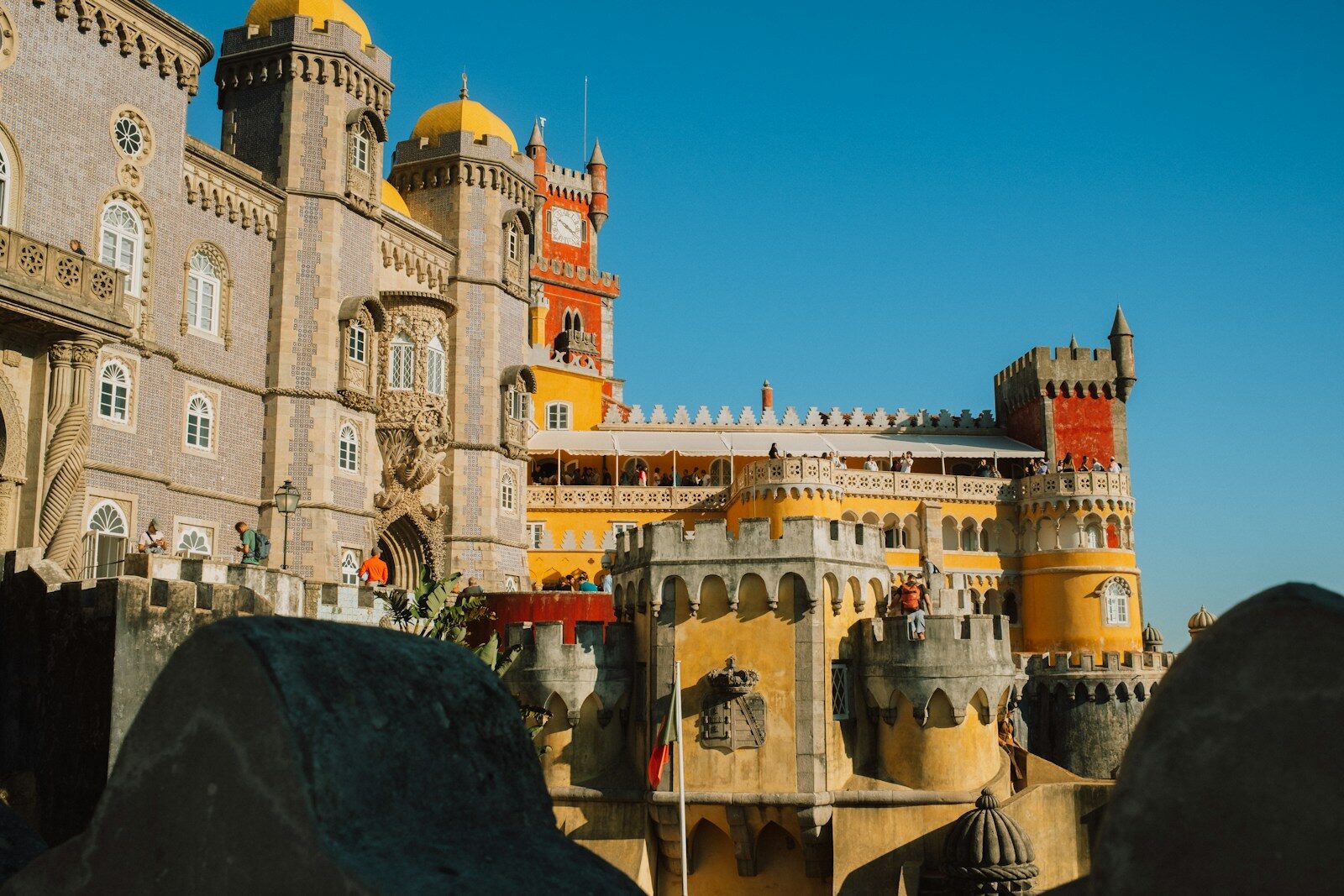
- Pena Palace, Sintra — A candy-coloured Romantic palace in the clouds, one of the Seven Wonders of Portugal. Book the timed entry in advance (~€14–20; park-only ~€12) — late entry means no entry, no refund.
- Quinta da Regaleira, Sintra — A Gothic estate of secret tunnels, grottoes, and the famous Initiation Well, a spiral staircase descending into the earth. The most mysterious place in Portugal.
- Jerónimos Monastery, Belém — The Manueline masterpiece built with spice-trade wealth (~€18). Vasco da Gama is buried here. Go at opening to beat the queues.
- Belém Tower — The 16th-century fortress-tower on the Tagus, the symbol of the Age of Discoveries, and a UNESCO site alongside the monastery.
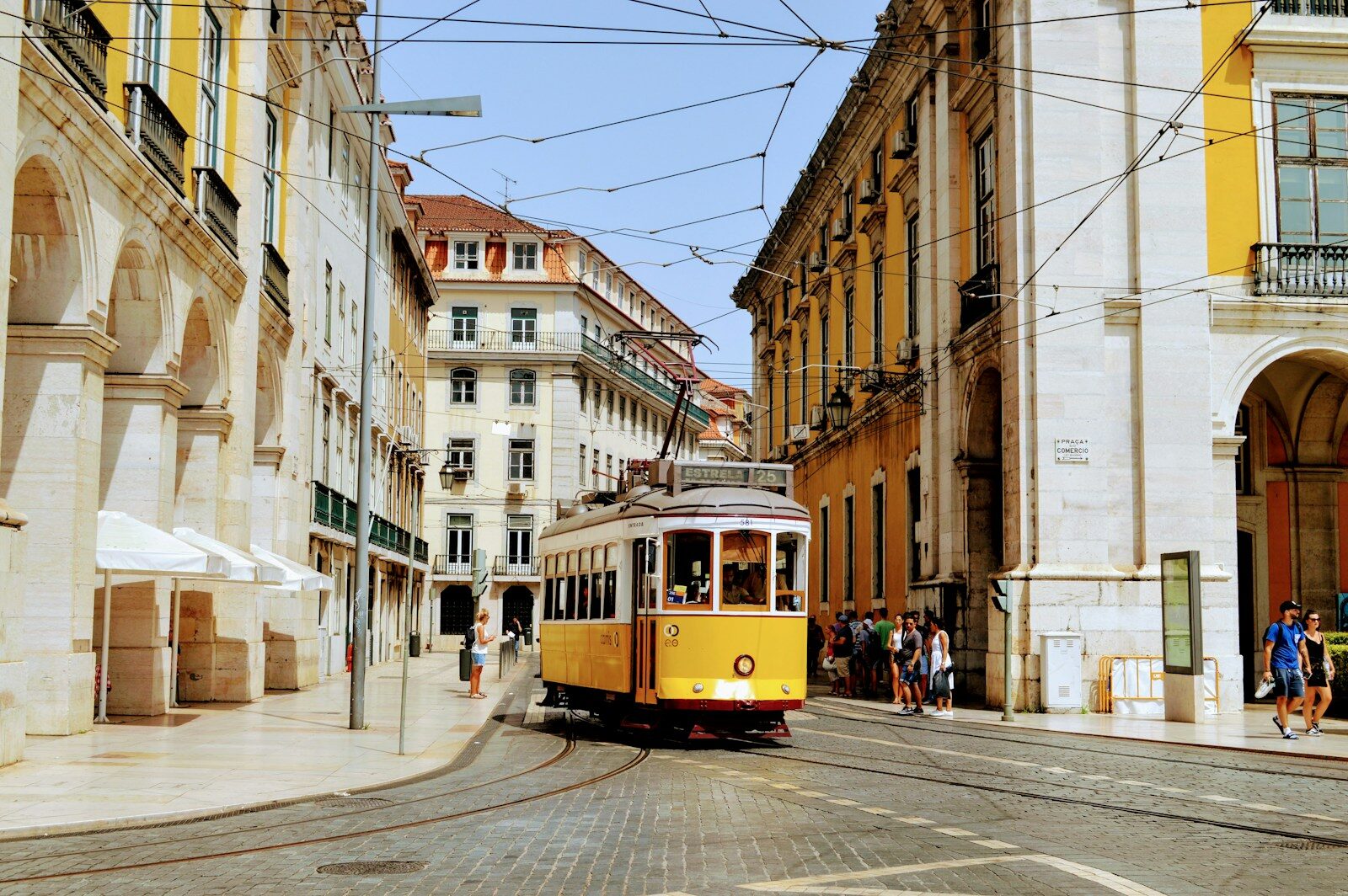
- Tram 28 — The yellow tram that rattles through Alfama, Graça, and Chiado. Ride it early (before 9am) or it is standing-room-only with tourists.
- São Jorge Castle — The Moorish castle above Alfama, with the best panoramic view in Lisbon and peacocks in the gardens.
- Livraria Bertrand, Chiado — Founded in 1732, the world’s oldest continuously operating bookstore (Guinness World Records, 2011). Buy a book and they will stamp it for you.
- Livraria Lello, Porto — Often called the world’s most beautiful bookstore, with a famous crimson staircase. J.K. Rowling lived in Porto while writing the first Harry Potter book.
- Cabo da Roca — The westernmost point of mainland Europe, a windswept cliff with a lighthouse and a certificate stand. Combine it with Cascais on a Sintra day trip.
- Douro Valley — Terraced vineyards along a river that looks carved by hand. Take the train from Porto to Pinhão (one of the world’s great rail journeys), then a rabelo boat or a quinta wine tasting.
- Benagil Cave, Algarve — The sea cave with a hole in its roof, reachable only by boat or kayak from the coast near Lagoa. Go early — it is the most photographed spot in the Algarve.
- Óbidos — A perfectly preserved walled medieval town, whitewashed and bougainvillea-draped, an hour north of Lisbon by bus. Taste ginjinha (sour-cherry liqueur) from a chocolate cup.
- Nazaré — The fishing town turned big-wave capital. From October to March, the canyon offshore produces waves over 30 metres; the cliff-top fort has the best viewpoint.
- Moorish Castle, Sintra — The 8th-century hilltop fortress with ramparts you can walk, and views over the whole Sintra hills.
🎟️ Book experiences in Portugal
Tours we’d actually book — free cancellation on most. We may earn a commission if you book through these links, at no extra cost to you. Our affiliate disclosure.
- Sintra, Pena Palace, Cabo da Roca & Cascais day trip from Lisbon — the classic full-day loop: Pena Palace, Sintra old town, Europe’s westernmost point, and Cascais in 8 hours.
- Sintra, Pena & Regaleira private tour with coastline — a private day with a driver-guide: Pena, Regaleira, Peninha Sanctuary, and hidden beaches like Praia da Adraga.
- Browse all Lisbon tours & activities
🎟️ More ways to book (Viator)
Two more reader-favorite ways to see Portugal. We may earn a commission if you book through these links, at no extra cost to you. Our affiliate disclosure.
- Luxury private Sintra, Cascais & Estoril full-day tour — Pena Palace, Regaleira, Cabo da Roca, and Cascais with a private driver-guide, hotel pickup, and lunch included.
- Sintra, Pena Palace & Regaleira small-group tour from Lisbon — the highlights with a local guide, round-trip transfers, and a Time Out Market stop.
When to Visit & Getting Around
When to visit: April–June and September–October are the sweet spot — warm, dry, and uncrowded, with hotel prices 30–40% below summer peaks. July and August are hot (Lisbon ~28°C, Algarve 30°C+) and crowded, especially in the Algarve and at Pena Palace. Winter (November–March) is mild in Lisbon and the Algarve — a genuine winter-sun option at ~15°C — but rainy in Porto and the north. Festivals to catch: Festas de Santo António (June 12–13, Lisbon — sardine grills and street parties in Alfama all month), Fátima pilgrimages (May 13 and October 13), and the Nazaré big-wave season (October–March). To avoid: August in the Algarve if you hate crowds, and the Easter week in Fátima unless you are there for the pilgrimage.
Getting there: Lisbon Airport (LIS) is 7km from the centre — metro, bus, or a €10–15 taxi/Uber. Porto Airport (OPO) has a metro link to the city in about 30 minutes. Direct flights connect both cities to most of Europe and to North America (Toronto and Montreal fly nonstop to Lisbon).
The Lisboa Card is the single best purchase for a Lisbon trip: 24h €31 / 48h €51 / 72h €62 (prices hold to March 31, 2027). It covers free entry to 51 museums and monuments (including Jerónimos Monastery) plus unlimited metro, trams, buses, funiculars, ferries, and the CP trains to Sintra and Cascais. It pays for itself on any day you visit two paid sights — and the Sintra train alone makes it worth considering.
Lisbon–Sintra train: from Rossio station, about 40 minutes, roughly every 30 minutes. €2.55 single / €5.10 return, or €2.05 each way on a Navegante card (the reusable €0.50 card you load with Zapping credit). No advance booking needed — buy at the station. Once in Sintra, bus 434 loops from the station to the Moorish Castle and Pena Palace; bus 435 covers Regaleira and Monserrate. Book Pena Palace tickets online in advance — entry is timed, and late arrivals are turned away without a refund.
Lisbon–Porto train: the Alfa Pendular takes about 3 hours, ~€31–36 in tourist class each way (book ahead on cp.pt for the cheapest fares). The slower Intercidades is cheaper. A day trip is possible but rushed — 6 hours of travel for 5 hours in Porto. Stay overnight if you can.
City transport: Lisbon’s metro is clean and fast (single ride €1.72 with Zapping / €1.92 contactless). The famous funiculars (Glória, Bica, Lavra) cost ~€3.80 a ride without a card. Porto’s metro runs to the airport and across the river to Gaia. In both cities, the historic centres are best explored on foot — and on Lisbon’s hills, wear proper shoes.
✈️ Find cheap flights to Portugal — compare fares across airlines and booking sites in one search. Affiliate link: we may earn a commission at no extra cost to you.
🚗 Rent a car in Portugal — compare rental prices across suppliers in one search. Affiliate link: we may earn a commission at no extra cost to you.
Budget
Portugal is one of the best-value destinations in Western Europe, though Lisbon and Porto have become noticeably more expensive, especially for accommodation. Food, wine, transport, and coffee remain cheap: an espresso is often under €1, and a good lunch with wine costs €12–15.
Budget — €60–80/day: hostel dorm (€25–40), prato do dia lunches (€10–14), metro and trains, free miradouros, beaches, and churches. Very doable outside Lisbon’s peak season.
Mid-range — €120–180/day: a 3-star hotel or guesthouse (Lisbon doubles run €110–180 a night), restaurant meals with wine (€25–40), Sintra palace entries, a port tasting or Douro tour. This is the comfortable sweet spot for the Lisbon–Sintra–Porto route.
Comfort — €250+/day: boutique hotels and wine estates, tasting menus and Michelin dining, private Douro boat trips, a rental car and an Algarve villa. Worth it for a honeymoon or a slow two-week trip.
Money-saving truths: eat the prato do dia at lunch (the same kitchen’s dinner costs twice as much); drink the house wine (it is local and excellent); buy the Lisboa Card on any two-museum day; book the Alfa Pendular early (fares rise closer to departure); and travel in May or late September, when accommodation drops by a third. A seven-day mid-range trip for two — Lisbon, Sintra, and Porto, including stays, meals, trains, and activities — runs roughly €1,800–2,800.
Practical Tips
- Book Pena Palace the day you book your flights. Timed entry, no late admission, no refund — it is the single most common trip-ruining mistake in Portugal.
- Get a Navegante card on arrival. The reusable €0.50 card loaded with Zapping credit makes every metro and train ride cheaper than contactless bank-card fares (€1.72 vs €1.92). Buy it at any metro station.
- Carry some cash. Cards work almost everywhere in the cities, but small tascas, market stalls, and rural restaurants are often cash-only. Use Multibanco ATMs (free) and avoid the Euronet machines in tourist areas.
- Wear proper shoes. Lisbon’s hills are steep, the pavements are polished limestone (slippery when wet), and Sintra’s palace paths are rough. This is not a flip-flop trip.
- Watch Tram 28 for pickpockets. It is the most crowded ride in Lisbon, and the most pickpocketed. Keep your phone in a front pocket and your bag crossbody in Alfama and Baixa.
- Driving: Portugal drives on the right; motorway tolls are electronic — rental cars need a transponder, so ask at the desk. Parking in Lisbon and Porto historic centres is tight — use the metro and trams instead.
- Emergency numbers: 112 works EU-wide. Portugal is one of the safest countries in Europe — the main risk is petty theft in crowded tourist spots, not violent crime. Power is Type F (Europlug) at 230V.
🛍️ Shop this guide: Portugal packing essentials
Gear we’d actually pack for this trip. As an Amazon Associate we earn from qualifying purchases — at no extra cost to you. Our affiliate disclosure.
- Comfortable walking shoes — Lisbon’s seven hills and Sintra’s palace paths punish bad footwear; this is the one item that decides your trip.
- Universal travel adapter — Portugal uses Type F plugs at 230V; one adapter covers the whole trip.
- Lightweight daypack — water, layers, and a camera for full days out in Sintra and the Douro, hands free for the tram.
- Portugal travel guidebook — for the train rides and the villages where the signal drops out.
- Reef-safe sunscreen — the Atlantic sun is stronger than it feels, and the Algarve’s clearest coves are worth protecting.
🧳 Plan your trip: Portugal
Flights, stays, tours, and cruises — booked in one place. We may earn a commission if you book through these links, at no extra cost to you. Our affiliate disclosure.
- ✈️ Find cheap flights to Portugal — compare fares across airlines and booking sites in one search.
- 🏨 Browse our Expedia Travel Shop — hand-picked stays and travel deals from our curated storefront.
- 🎟️ Browse Lisbon tours & activities — free cancellation on most.
- 🛳️ Compare Portugal & Atlantic cruises on CruiseDirect — sailings calling at Lisbon, Porto (Leixões), and Funchal, Madeira.
Closing
Portugal is a small country with an enormous soul: the empire that launched the first global age of exploration, the bookstore that has sold books since 1732, the song that turns longing into music, and the custard tart that is worth the flight alone. Three days in Lisbon, one in Sintra, and a night in Porto will show you the shape of it — but the country rewards the traveller who slows down: the long lunch in a tasca, the fado that silences a whole room, the sunset from a miradouro with a €1 coffee in hand. Go, stand at the edge of the world at Cabo da Roca, and look west. That is where Portugal has always been looking.
🎬 Watch: Portugal in 60 Seconds
FAQ
How many days do I need in Portugal?
Five days is the minimum for a satisfying first trip: three days in Lisbon, one day trip to Sintra, and one night in Porto. Seven to ten days lets you add the Douro Valley and two or three days in the Algarve.
Is Portugal expensive?
It is the best-value country in Western Europe. Budget travellers manage on €60–80 a day, mid-range €120–180, comfort €250+. Lisbon and Porto accommodation is the main cost — food, wine, and transport stay cheap.
When is the best time to visit Portugal?
April–June and September–October: warm, dry, and uncrowded. July and August are hot and busy, especially in the Algarve. Winter is mild in Lisbon and the Algarve, rainy in the north.
Do I need a visa for Portugal?
US, UK, Canadian, Australian, and most other Western passport holders enter visa-free for up to 90 days in any 180-day period (Schengen rules). The ETIAS travel authorisation is expected from 2027 — check the current requirement before you travel.
Is the Lisboa Card worth it?
Yes, on any day you visit two or more paid sights. At 24h €31 / 48h €51 / 72h €62 it covers 51 museums and monuments plus unlimited transport, including the trains to Sintra and Cascais. On a light day with one museum or a beach day, a Navegante card with Zapping credit is cheaper.
How do I get from Lisbon to Sintra?
By train from Rossio station: about 40 minutes, €5.10 return, roughly every 30 minutes. No advance booking needed for the train — but book Pena Palace tickets online in advance, because entry is timed and late arrivals are turned away.
Is Porto worth visiting, or is Lisbon enough?
Porto is absolutely worth it — it is a different city, not a smaller Lisbon: grittier, steeper, more soulful, with the Douro, the port lodges, and the best riverside scene in Portugal. Stay overnight if you can; a day trip means six hours on the train.
Keep exploring
- Spain travel guide: Barcelona vs Madrid — the neighbour across the border: fiesta, flamenco, and tapas, with the same late dinners and long lunches.
- France travel guide: Paris like a local, 3 days beyond the Eiffel Tower — another Mediterranean classic, with the same slow-food, late-dinner rhythm.
- Italy travel guide: Rome to Amalfi to Cinque Terre — the other great Mediterranean civilisation, ten days on the classic route.
- Greece travel guide: Santorini alternatives — Naxos & Paros — island-hopping on the far side of the same sea, with the same ferry-and-flight planning logic.
- Thailand travel guide: Thailand on $50 a day — island-hopping on a budget, Southeast Asian style.

[…] Lisbon in 3 Days + Day Trips to Sintra & Porto — another Atlantic edge, another fado-soaked capital — Portugal’s melancholy songs are Ireland’s closest cousins. […]
[…] Lisbon in 3 Days + Day Trips to Sintra & Porto […]
[…] Portugal travel guide — Lisbon, Sintra, and Porto on the Iberian side of the story. […]
[…] Portugal travel guide — Lisbon, Sintra, and the Atlantic coast that shares Morocco’s ocean […]