
 admin
Introduction
Turkey is the rare country that genuinely earns its clichés. It sits on two continents, has hosted three empires in one city, and serves breakfast so good it deserves its own itinerary slot. This guide does the classic first trip properly: three days in Istanbul, then a Cappadocia add-on with the balloon flight explained honestly — costs, booking, and what happens when the wind says no. Along the way you’ll get the practical numbers that matter in 2026, from the Istanbulkart to the lira’s mood swings, and the etiquette that keeps you welcome in mosques, bazaars, and tea houses.
Geography & Climate
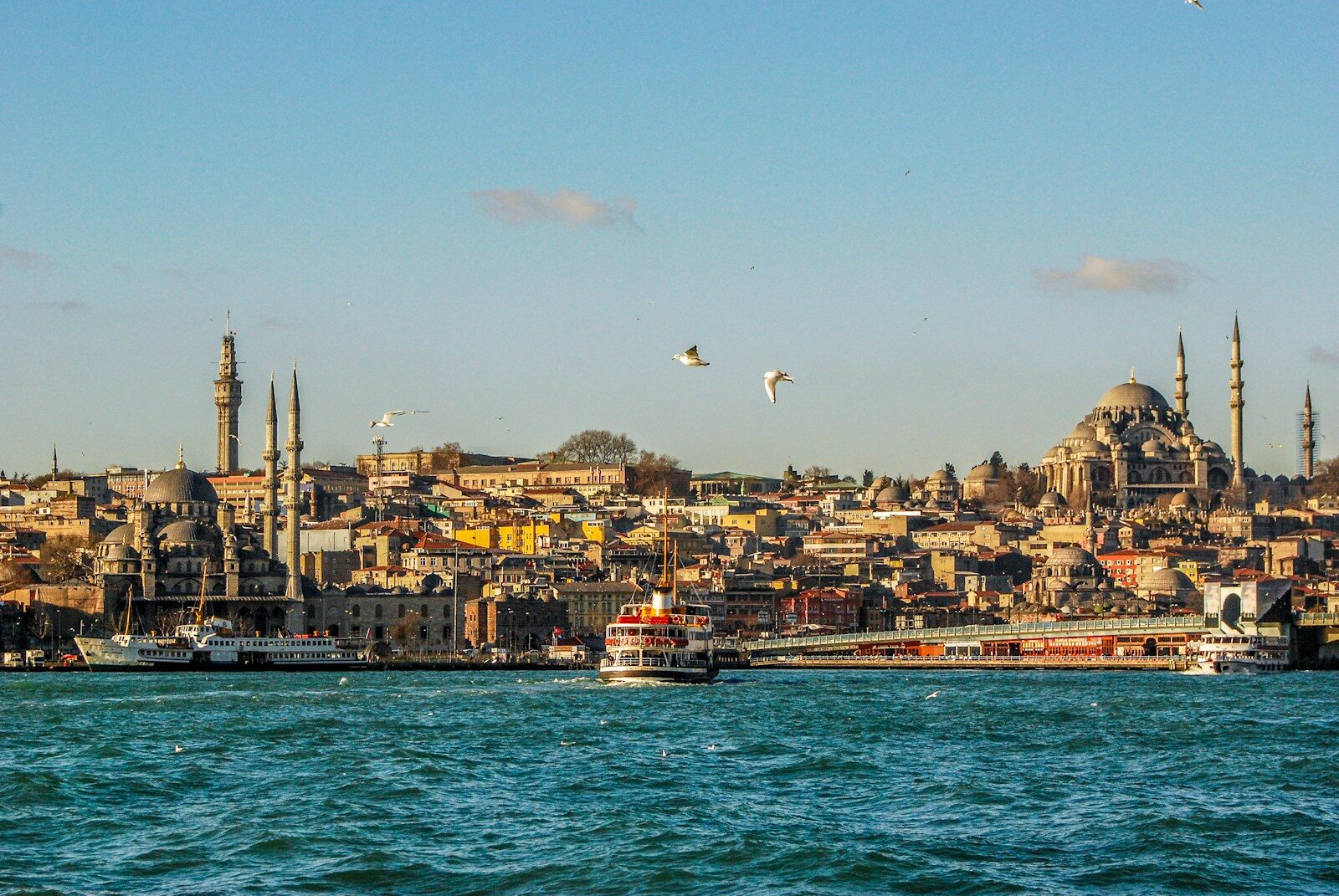
Turkey is a transcontinental country of 783,562 square kilometres — bigger than France, smaller than Iran — with about 97% of its land in Anatolia (Asian Turkey) and 3% in Thrace (European Turkey). The Bosphorus strait, roughly 31 kilometres long, slices Istanbul in two and joins the Black Sea to the Sea of Marmara. The country is ringed by sea on three sides — Black Sea north, Aegean west, Mediterranean south — and its interior rises to the Anatolian plateau, where Cappadocia’s volcanic valleys sit at around 1,000 metres above sea level.
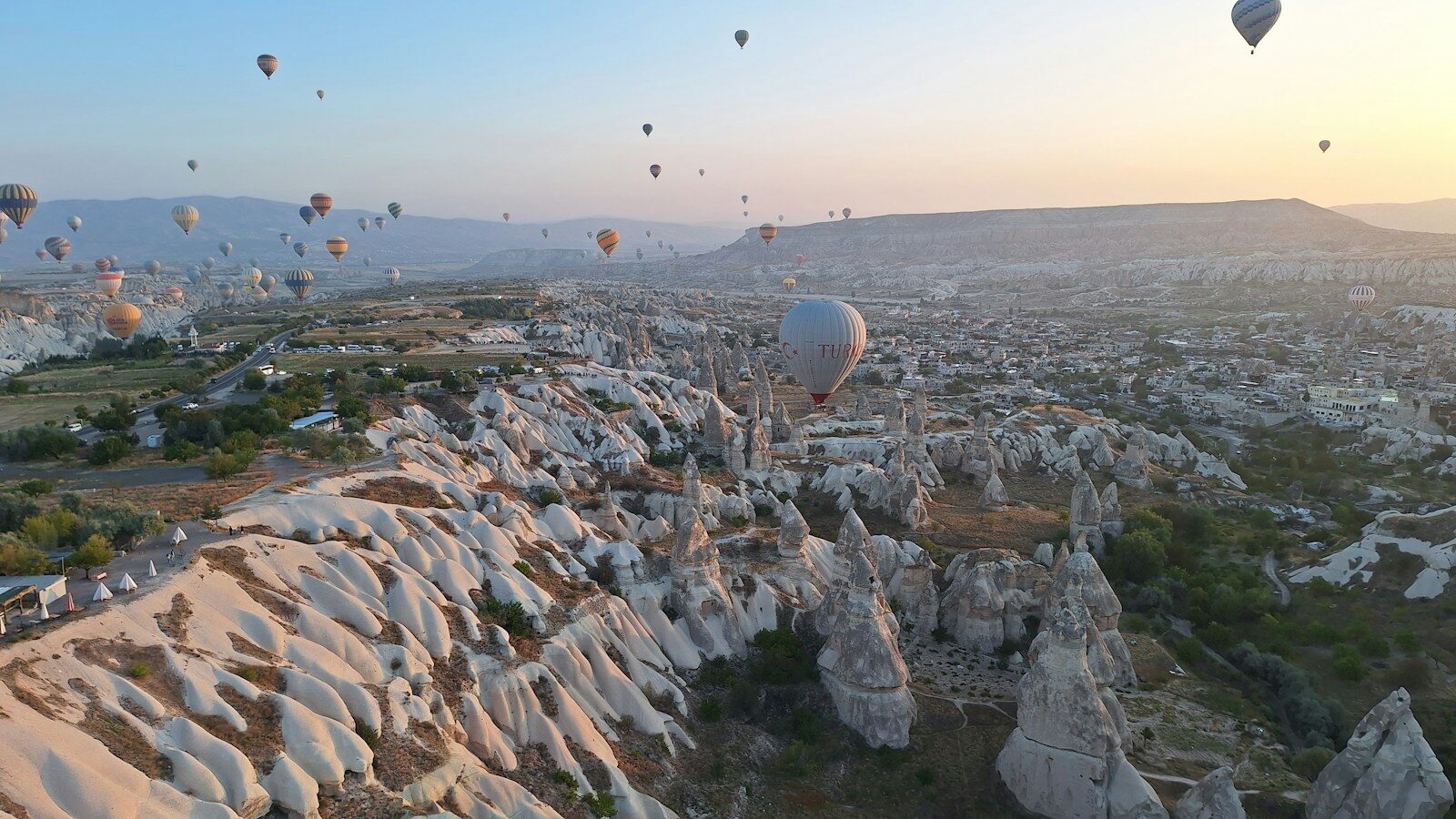
The climate splits with the geography. Istanbul and the coasts are Mediterranean: hot, humid summers (30°C+ in July–August) and mild, rainy winters. Cappadocia is continental: scorching summer days, freezing winter nights, and the crisp, still dawn air that balloon pilots need. The Black Sea coast is green and rainy year-round; the southeast is dry and desert-hot in summer. The worst weather surprise is a Cappadocia balloon cancellation — flights only go in calm wind, so a spare morning is not optional, it’s the plan.
People & Demographics
Turkey has about 86 million people, and more than 15 million of them — roughly a fifth of the country — live in Istanbul alone, making it Europe’s largest city by population. Ankara, the capital since 1923, has around 5.7 million; Izmir on the Aegean coast around 4.4 million. The population is young by European standards, urbanising fast, and overwhelmingly Turkish-speaking, with Kurdish spoken widely in the southeast and sizeable Arab, Circassian, and Laz communities.
Turkey is a secular republic with a majority-Muslim population, and that balance is visible everywhere: headscarved and uncovered women shopping side by side, çay houses next to cocktail bars on the same street. Around 99% of the population is nominally Muslim, but observance varies enormously by region and generation — Istanbul’s Beyoğlu feels very different from conservative Konya, and both are authentically Turkish. Turkish is the official language; English is widely spoken in hotels, restaurants, and attractions in Istanbul and the resort towns, less so in rural Anatolia, where a few Turkish words go a long way.
Mini phrasebox: Merhaba (hello) · Teşekkür ederim (thank you) · Lütfen (please) · Güle güle (goodbye) · Bir çay, lütfen (one tea, please) · Ne kadar? (how much?) · Çok güzel (very beautiful).
Culture, Etiquette & Daily Habits
Turkish hospitality is not a tourism slogan — it’s a social obligation. A shopkeeper offering tea is not a sales trick; refusing politely is fine, accepting is better. Meals are communal, shoes come off at the door of a home (and always in a mosque), and elders are greeted first. The daily rhythm runs on çay: small tulip glasses of strong black tea, served everywhere from barbershops to ferry decks, all day long. Turkey drinks more tea per person than any other country on Earth, and you will understand why by day two.
Do: Remove shoes and cover shoulders and knees in mosques (women cover hair; scarves are usually provided at the door); greet shopkeepers with “Merhaba”; accept offered tea when you can; bargain in bazaars with a smile — it’s expected, and the first price is an opening, not an insult; tip around 10% in restaurants.
Don’t: Photograph people praying; point the soles of your feet at anyone; use your left hand to give or receive in conservative settings; assume a mosque is open to tourists during prayer times (visit between prayers); drink tap water in most of the country — bottled water is cheap and universal.
Tipping is gentle but real: 10% in restaurants, round up for taxis, a few lira for the hamam attendant and the hotel porter. In bazaars, haggling is a conversation, not a confrontation — walk away smiling and the price often follows you.
Lifestyle
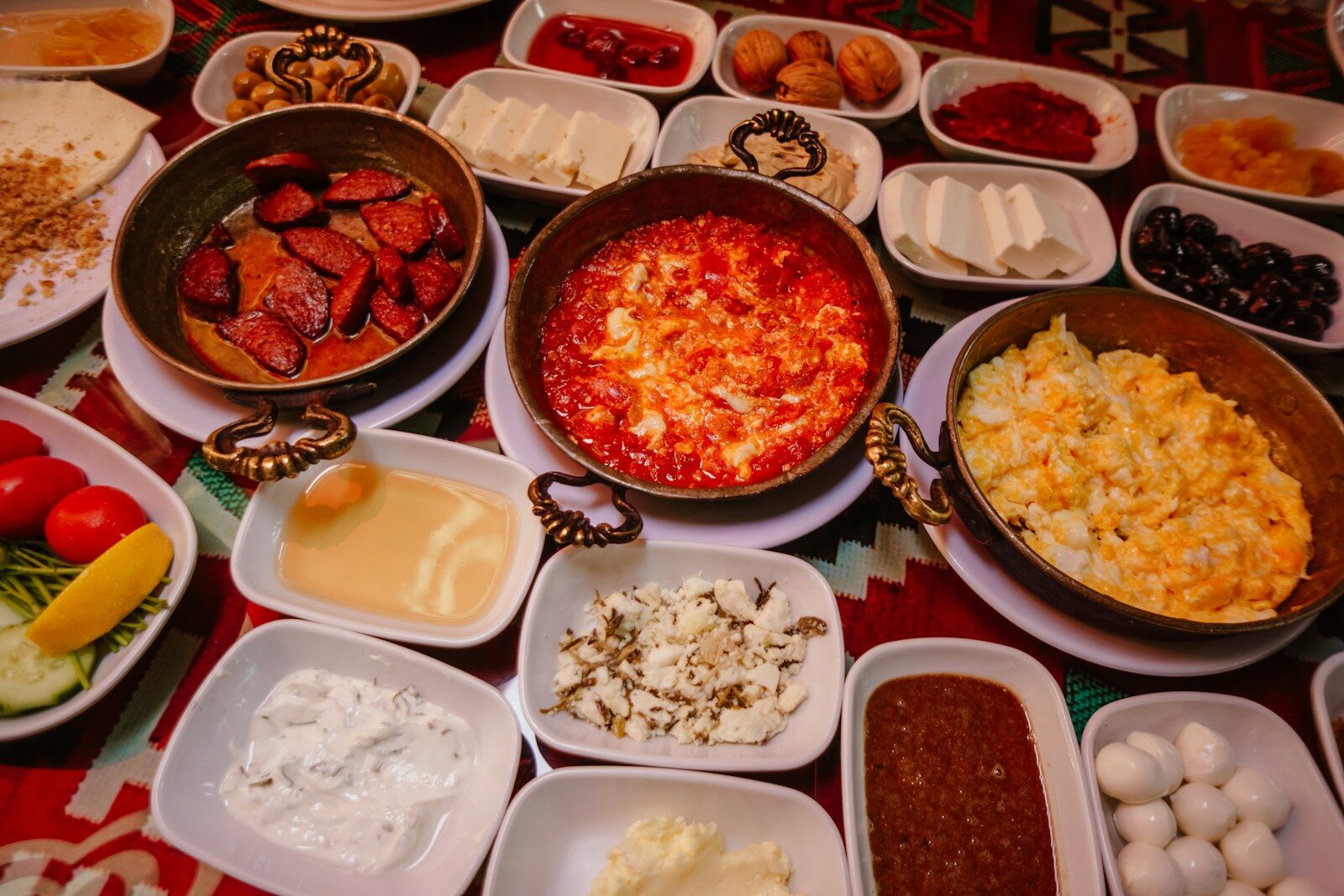
Food is the daily rhythm and the national pride. Breakfast (kahvaltı) is a spread, not a meal: cheeses, olives, tomatoes, cucumbers, honey, kaymak cream, eggs, and endless bread, with çay refilled without asking. Lunch is often a lokanta — a workers’ canteen with trays of stews and grills, fast, cheap, and excellent. Dinner stretches late, especially in summer, built around meze, grilled meats, and seafood on the coasts. The canon: döner and İskender kebab, mantı dumplings, pide (Turkish flatbread pizza), baklava from Gaziantep, and simit — the sesame bread ring sold from red carts on every corner, best eaten on a Bosphorus ferry.
Work culture starts early and runs late in the cities; shops in tourist areas open long hours, while government offices keep shorter days. Evenings belong to the promenade: Istanbul’s Kadıköy waterfront, Izmir’s Kordon, Antalya’s marina all fill with families strolling, fishing, and drinking tea at sunset. Sport means football first — Galatasaray, Fenerbahçe, and Beşiktaş derbies are civic events — plus wrestling (oil wrestling at Kırkpınar dates to the 14th century) and, in Cappadocia, sunrise balloon-watching as a spectator sport in its own right.
Main Cities
Istanbul (pop. 15M+) — The only city on two continents, capital of the Byzantine and Ottoman empires, and still the country’s economic and cultural engine. Three days barely scratches it: Sultanahmet’s mosques and palaces, the bazaars, the Bosphorus, and the Asian side’s Kadıköy food streets.
Ankara (pop. ~5.7 million) — The planned, orderly capital: Atatürk’s mausoleum (Anıtkabir), the Museum of Anatolian Civilizations, and a calmer, more administrative Turkey than Istanbul’s chaos.
Izmir (pop. ~4.4 million) — The Aegean’s liberal port city, gateway to Ephesus, with a long seaside promenade, a bazaar quarter (Kemeraltı), and the best Aegean meze in the country.
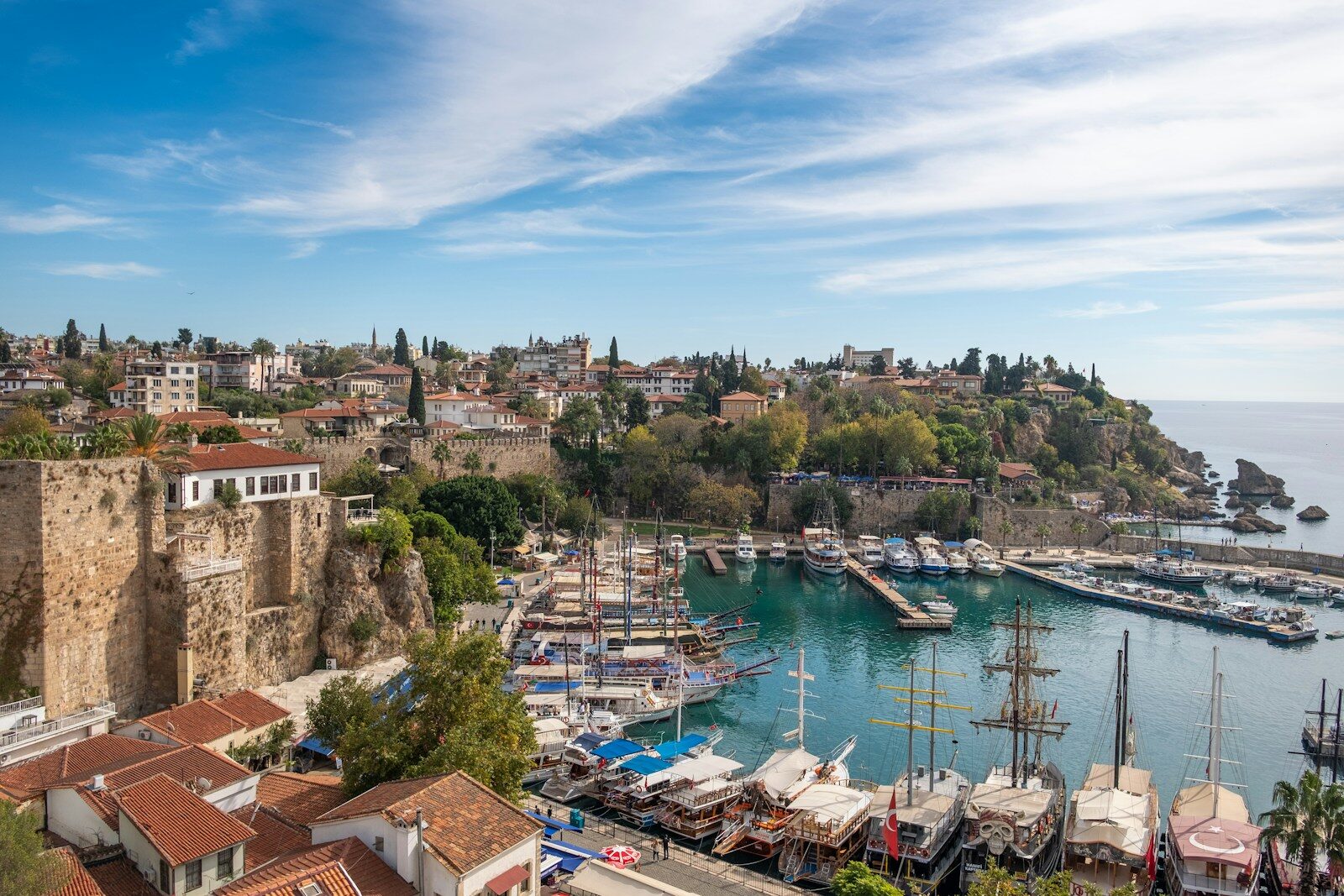
Antalya (pop. ~2.7 million) — The Turquoise Coast capital: a walled old town (Kaleiçi), Roman harbour, and beach resorts stretching in both directions along the Mediterranean.
Bursa (pop. ~3.2 million) — The first Ottoman capital, famous for İskender kebab, silk, and the thermal baths that gave the city its spa reputation.
Göreme, Cappadocia (pop. ~2,500) — Not a city at all, but the village at the heart of the balloon valleys: cave hotels, fairy chimneys, and dawn skies full of colour.
Top Places to Visit
- Hagia Sophia, Istanbul — 1,500 years old: church, mosque, museum, mosque again. The dome, the mosaics, and the sheer scale stop people mid-sentence. Entry ~€25 (2026 reports).
- Blue Mosque (Sultan Ahmed), Istanbul — Six minarets and 20,000 İznik tiles, directly across the square from Hagia Sophia. Visit between prayers.
- Topkapı Palace, Istanbul — The Ottoman sultans’ seat for 400 years: courtyards, the Harem, and the Treasury. The Museum Pass Istanbul covers it.
- Basilica Cistern, Istanbul — The 6th-century underground water palace, all columns and carp-filled gloom, beneath Sultanahmet.
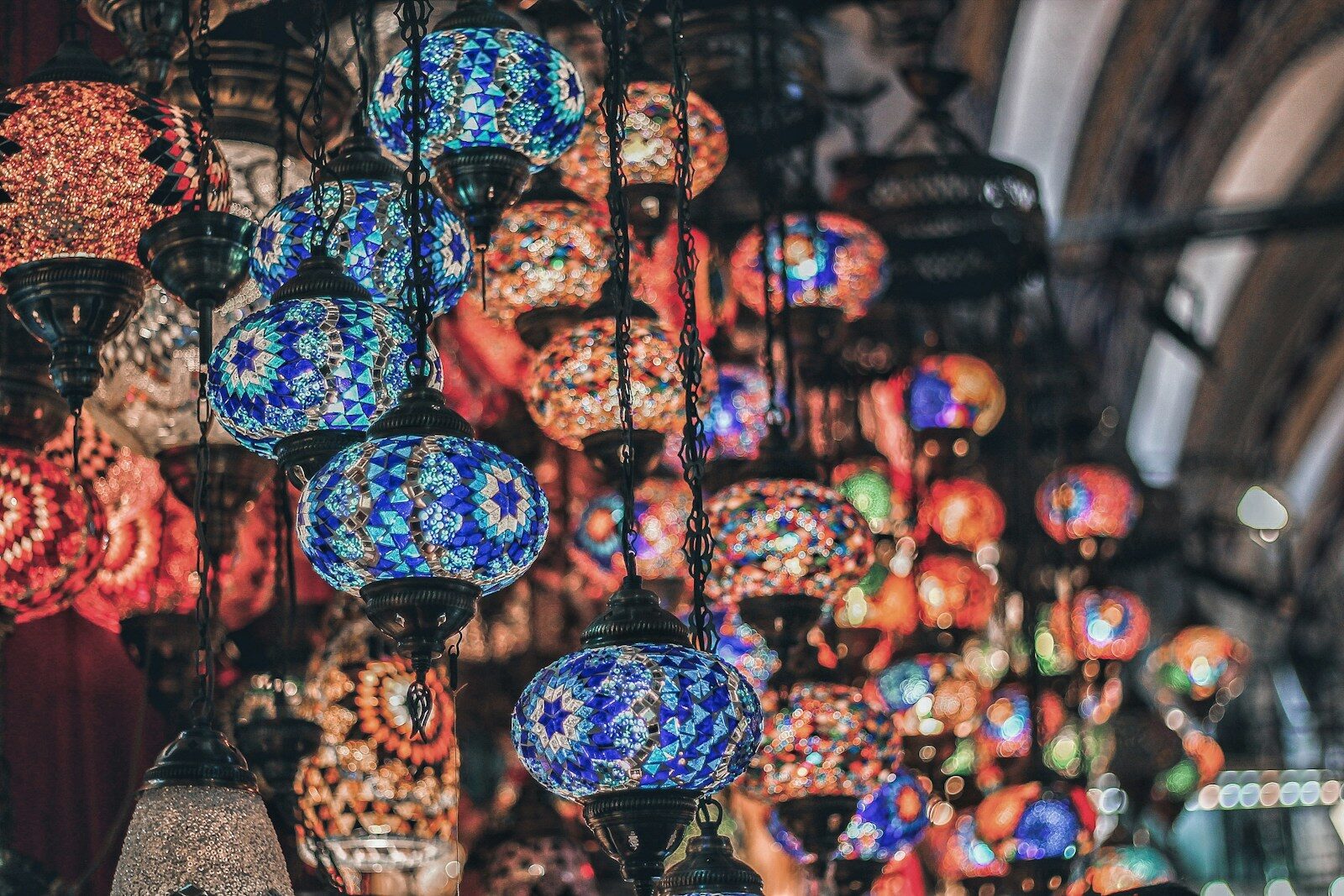
- Grand Bazaar & Spice Bazaar, Istanbul — The Grand Bazaar has traded since 1461; the Spice Bazaar is smaller, smellier, and easier to love. Haggle, taste, repeat.
- Bosphorus cruise, Istanbul — The cheapest sightseeing in the city: a public ferry or a sunset cruise past palaces, fortresses, and two continents.
- Göreme Open Air Museum, Cappadocia — Rock-cut Byzantine churches with frescoes, in a UNESCO-listed valley (inscribed 1985).
- Fairy chimneys & valleys, Cappadocia — Devrent (Imagination Valley), Paşabağ (Monks Valley), and the Red Valley at sunset.
- Derinkuyu Underground City, Cappadocia — Descend through tunnels and stables to a city carved up to 60 metres deep, built to shelter thousands.
- Ephesus, near Selçuk — One of the best-preserved Greco-Roman cities anywhere: the Library of Celsus, the Great Theatre, marble streets.
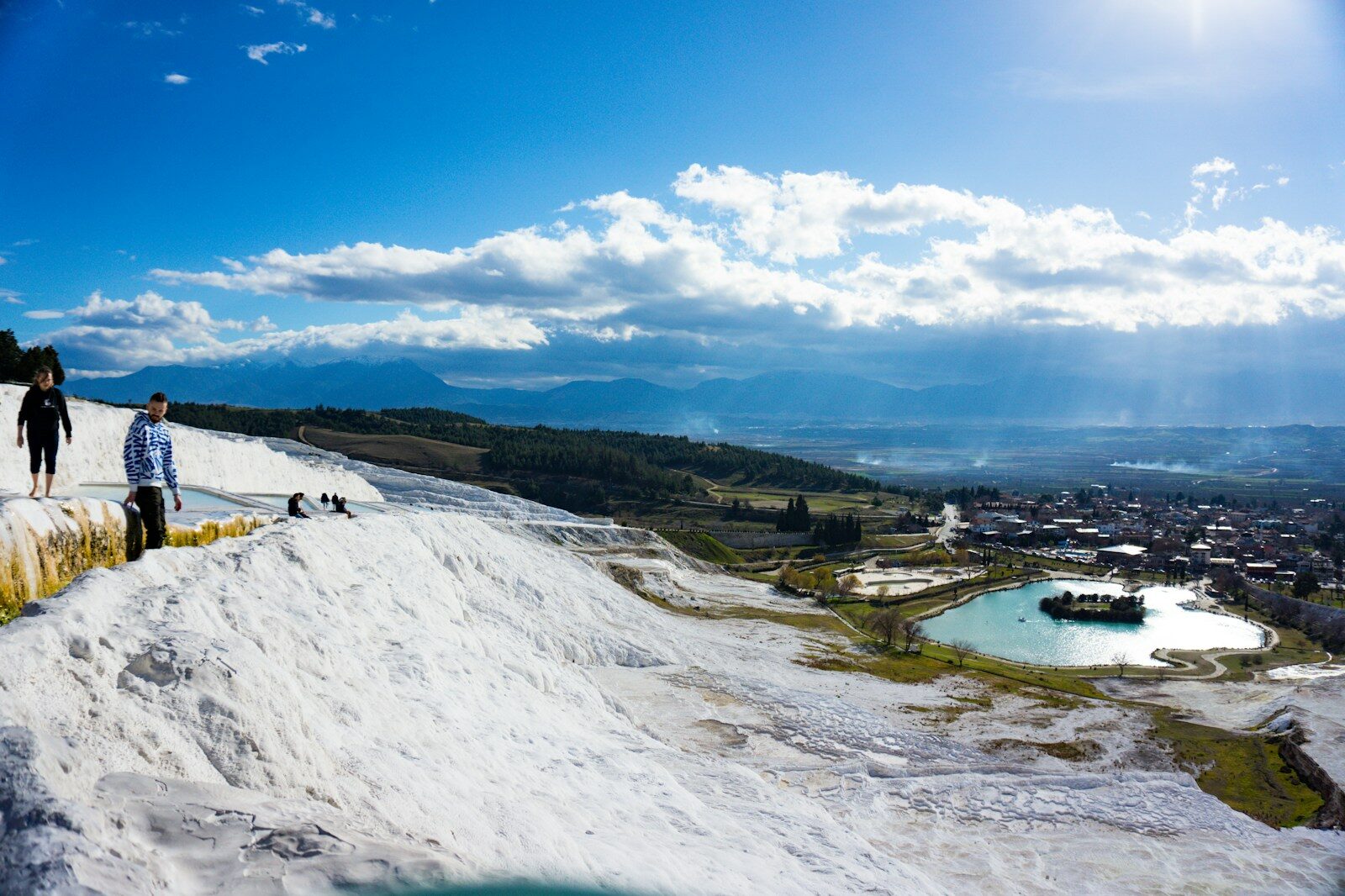
- Pamukkale & Hierapolis — White travertine terraces of warm mineral water above a Roman spa city, a UNESCO site.
- Troy & Gallipoli — Homer’s city and the WWI battlefields, both doable as long day trips from Istanbul or Çanakkale.
🎟️ Book experiences in Turkey
Tours we’d actually book — free cancellation on most. We may earn a commission if you book through these links, at no extra cost to you. Our affiliate disclosure.
- Bosphorus dinner cruise & show with private table — dinner, folk dancing, and Dolmabahçe Palace, Galata Tower, and the Bosphorus Bridge from the water.
- Bosphorus day, sunset, or night sightseeing cruise & audio guide — the classic strait cruise with a mobile audio guide, from around £6.
- From Istanbul: day trip to Cappadocia with flight & lunch — Göreme Open Air Museum, Devrent Valley, fairy chimneys, and lunch in Avanos in one long day.
- Browse all Istanbul tours & activities
🎟️ More ways to book (Viator)
More Turkey tours with free cancellation on most. We may earn a commission if you book through these links, at no extra cost to you. Our affiliate disclosure.
- All-in-one day Istanbul historical tour with Bosphorus cruise — Hippodrome, Blue Mosque, Hagia Sophia, Topkapı, and the Grand Bazaar, capped with a sunset yacht cruise.
- Small-group full-day Istanbul: Old City, Bosphorus cruise & lunch — skip-the-line Hagia Sophia and Blue Mosque visits, both bazaars, and a Bosphorus cruise.
When to Visit & Getting Around
Best time: April–June and September–October for Istanbul and Cappadocia (mild, fewer crowds, balloon-friendly mornings). July–August is peak season — hot, crowded, and expensive on the coasts. November–March is quiet and cheap, but Cappadocia balloons fly less often and eastern Turkey gets genuinely cold. Ramadan shifts each year and changes daily rhythms (restaurants close by day in conservative areas, then feast at iftar) — worth experiencing, worth planning around.
Getting there: Istanbul Airport (IST) is the main gateway, one of the world’s busiest, with metro and bus links to the city. Sabiha Gökçen (SAW) on the Asian side serves budget carriers. Most visitors from the US, Canada, UK, EU, and Australia need no visa for stays up to 90 days in 180 days; verify your passport’s rule on the official e-Visa site before flying, as rules have changed recently.
Getting around: Istanbul runs on the Istanbulkart — about ₺165 for the card, then roughly ₺35–42 per ride on metro, tram, bus, and ferries (2026 reports; lira prices drift, so treat these as approximate). The T1 tram links Sultanahmet to the bazaars and Galata; ferries are both transport and sightseeing. Domestic flights are the sane way to Cappadocia: Istanbul to Kayseri or Nevşehir takes about 1.5 hours and costs roughly $31–80 one way; the bus is $25–35 but takes 10–12 hours. In Cappadocia, rent a car or hire a driver — the valleys are spread out and buses don’t reach the viewpoints at dawn. The Museum Pass Istanbul covers Topkapı, the Harem, and the Archaeological Museums for five days and pays for itself in two big sights.
✈️ Find cheap flights to Turkey — compare fares across airlines and booking sites in one search. We may earn a commission if you book through this link, at no extra cost to you.
🚗 Rent a car in Turkey — compare rental prices for a Cappadocia road trip or an Aegean coast drive. We may earn a commission if you book through this link, at no extra cost to you.
Budget
Prices are given mainly in US dollars because the lira moves fast (around ₺47 to the dollar in mid-2026, with high inflation) — lira figures from older guides will mislead you. Check a live converter before booking anything time-sensitive.
- Budget ($40–60 per day): hostel dorm or budget guesthouse ($15–30), lokanta meals and street food ($6–12), public transit and intercity buses, free mosques and one or two paid sights a day.
- Mid-range ($90–150 per day): boutique hotel or cave room ($45–100), restaurant dinners with meze ($15–30 food), a Bosphorus cruise or a Cappadocia day tour, and a domestic flight.
- Comfort ($200+ per day): 4–5-star hotel in Sultanahmet or a luxury cave suite ($150+), private guides, a balloon flight ($100–250 — the one big splurge), and a rental car.
Money-saving truths: The Bosphorus public ferry costs less than a bus fare in most of Europe and shows you the same palaces as the tour boats. Museum Pass Istanbul beats paying per sight once you hit two big ones. Lokantas feed you better than tourist restaurants for a third of the price. And the most expensive mistake is booking a balloon flight for your only Cappadocia morning — build in a spare day, or the wind will take your money’s worth of disappointment with it.
Practical Tips
- Pay in lira, not euros or dollars. Shops and restaurants that quote in foreign currency use a worse rate than your card or an ATM settling in lira. Carry small lira notes for bazaars, street food, and transit top-ups.
- Book balloons early, keep a spare morning. Flights launch at dawn, only in calm wind, and sell out in peak season. Book the first morning of a two-night Cappadocia stay, not the last.
- Mosque manners. Cover shoulders and knees, remove shoes, women cover hair (scarves usually provided). Visit between prayer times; Friday midday is the busiest.
- Cash still matters in bazaars. Cards work in cities and hotels, but market stalls, rural lokantas, and dolmuş minibuses are often cash-only.
- Power & connectivity. Type C/F plugs, 230V. Buy a local eSIM or SIM at the airport — coverage is good even in Cappadocia’s valleys. Free Wi-Fi is common in cafés and hotels.
- Emergencies: 112 works nationwide for ambulance, police, and fire. Tourist police (in Sultanahmet and resort towns) speak English.
- Bargain with a smile. In the Grand Bazaar, the first price is an opening offer. Counter at half, meet in the middle, and never bargain for something you don’t want — in Turkish market culture, agreeing a price is a deal.
🛍️ Shop this guide
Gear we’d pack for Turkey. We may earn a commission if you book through these links, at no extra cost to you. Our affiliate disclosure.
- Comfortable walking shoes — Istanbul’s hills and Ephesus’s marble streets punish flimsy footwear.
- Lightweight travel scarf — doubles as a mosque head covering and a sun shield in Cappadocia.
- Type C travel adapter — Turkey uses C/F sockets at 230V.
- 20L daypack — for bazaar days, valley hikes, and carrying water through Cappadocia.
- Portable charger (10,000 mAh) — navigation, tickets, and photos will drain a phone by dinner.
🧳 Plan your trip
One box, everything booked. We may earn a commission if you book through these links, at no extra cost to you. Our affiliate disclosure.
- ✈️ Find cheap flights to Turkey — compare fares across airlines and booking sites in one search.
- 🏨 Browse our Expedia Travel Shop — hand-picked stays and travel deals from our curated storefront.
- 🎟️ Browse Istanbul tours & activities — free cancellation on most.
- 🛳️ Compare Mediterranean cruises on CruiseDirect — Aegean and Turkish coast sailings from Istanbul and Izmir.
Closing
Turkey doesn’t ask you to choose. Europe or Asia, ancient or hypermodern, kebab or fine dining, mosque at dawn or rooftop bar at dusk — it serves all of it in one trip, usually in one day. Come for Istanbul, stay for Cappadocia’s dawn, and leave already planning the coast.
Keep exploring
- Croatia travel guide — Dubrovnik to Split on the Dalmatian coast, another sea-and-stone classic.
- Greece travel guide — Santorini alternatives: Naxos and Paros, the islands Greeks visit.
- Italy travel guide — Rome, Amalfi, and Cinque Terre on the classic 10-day route.
- Malta travel guide — Valletta, Gozo, and the Blue Lagoon in 4 days.
- Austria travel guide — Vienna and Salzburg on the classical music trail.
FAQ
How many days do you need in Turkey?
Three days covers Istanbul’s highlights; add two days for Cappadocia (one for the valleys, one spare balloon morning). A week total — Istanbul plus Cappadocia — is the classic first trip; add the coast for ten days.
Is Turkey expensive?
One of the best-value destinations in the region for visitors earning in dollars or euros. Budget travellers manage on $40–60 a day; mid-range on $90–150. The balloon flight ($100–250) is the one big splurge.
Do I need a visa for Turkey?
US, UK, EU, Canadian, and Australian ordinary passport holders are visa-free for up to 90 days in 180 days (as of 2026 reporting). Check the official e-Visa site for your passport before flying — rules have changed recently.
What is the best month to visit Turkey?
April–June and September–October for the best balance of weather, crowds, and balloon conditions. July–August is hot and crowded on the coasts; winter is cheap and quiet but balloons fly less often.
Is the Cappadocia balloon flight worth it?
Yes, if you build in a spare morning. Flights are weather-dependent and sell out; a single-morning plan is the most common disappointment. Book early, stay two nights, and the dawn over the valleys is unforgettable.
Is Turkey safe for tourists?
Generally yes — violent crime against tourists is rare. The main risks are pickpockets in crowded bazaars and stations, taxi overcharging (insist on the meter or agree a price first), and the usual road-safety caution. Standard precautions cover most of it.
[…] Turkey travel guide — Istanbul in 3 days plus the Cappadocia balloon guide. […]
[…] Turkey travel guide — where continents collide, from Istanbul’s bazaars to Cappadocia’s balloons […]