
 admin
Introduction
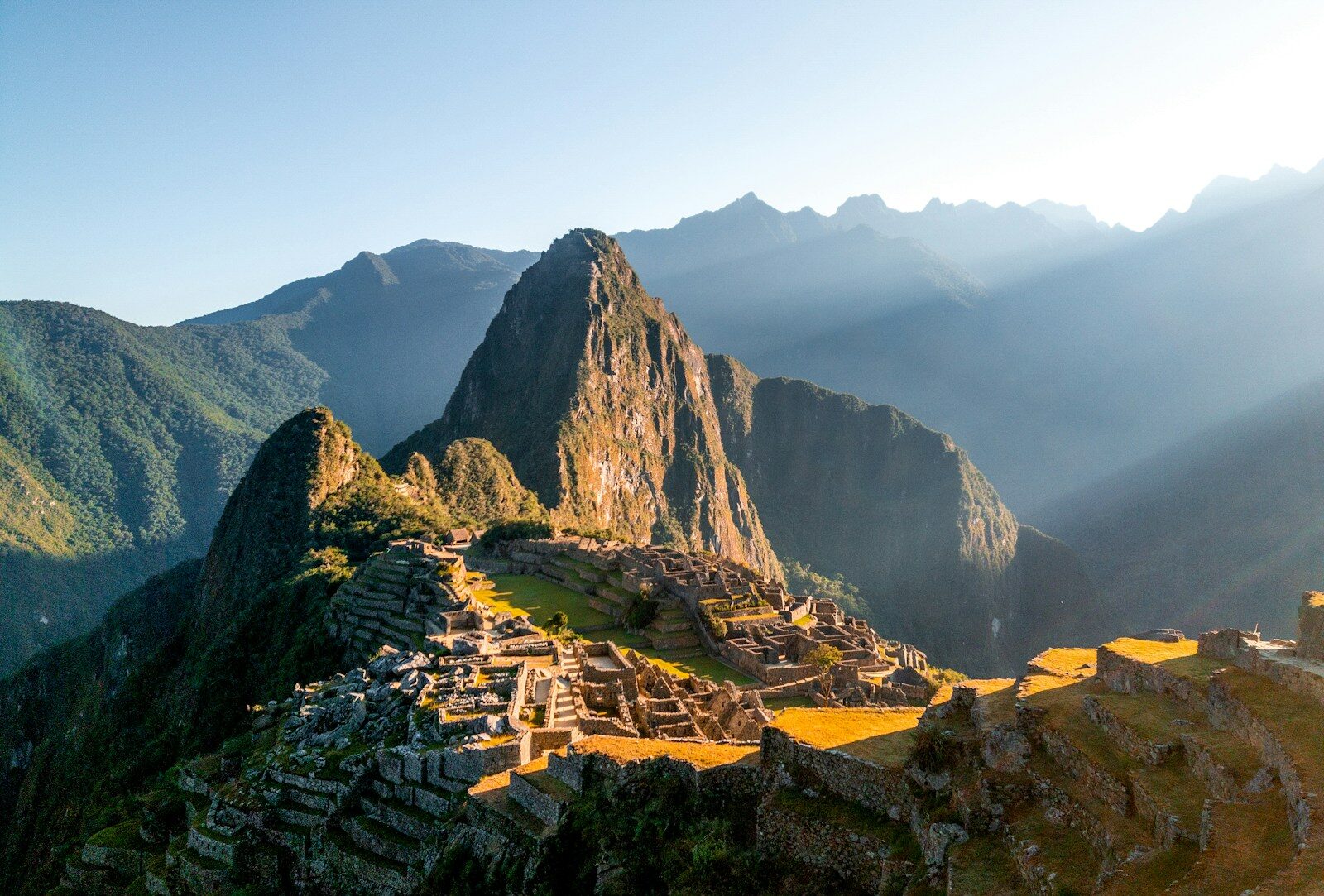
Peru is the country that makes every other destination feel like a warm-up. In a single trip you can stand in a desert city that almost never sees rain, climb to a mountain pass higher than most of Europe’s peaks, and walk into a 15th-century citadel that sat hidden in the clouds for four hundred years. The Incas built an empire stretching from the Pacific to the Amazon without wheels, iron, or a written language — and the stones they cut still fit together so precisely that you cannot slide a credit card between them.
But Peru is not just Machu Picchu. It is the Sacred Valley’s living Inca towns, a rainbow-striped mountain at 5,200 metres, the highest navigable lake on Earth, a canyon twice as deep as the Grand Canyon, and a food scene — ceviche, lomo saltado, and more than 3,000 varieties of potato — that Lima’s chefs have turned into one of the world’s great cuisines.
This guide answers the question every Peru traveller asks first: how should you actually get to Machu Picchu — the classic Inca Trail, the wilder Salkantay Trek, or the train? We compare all three honestly, with 2026 prices, then cover everything else you need: altitude, seasons, cities, costs, and practical tips.
Geography & Climate
Peru is the third-largest country in South America at 1,285,216 km² — roughly the size of Alaska — and it packs three completely different worlds into one border. The Costa is a narrow desert strip along the Pacific, home to Lima and the beach towns. The Sierra is the Andes spine running down the middle, with Cusco (3,400 m), the Sacred Valley, and most of the famous ruins. The Selva is the Amazon rainforest covering nearly 60% of the country, reachable from Iquitos and Puerto Maldonado.
That geography means Peru has no single “best season” — the Andes and the coast run on opposite calendars. In the highlands, the dry season runs May to September: sunny days, cold nights, clear mountain views, and the best trekking conditions. The wet season (November to April) brings afternoon rain, lush green valleys, fewer tourists, and lower prices — but also muddy trails and the Inca Trail’s February closure. On the coast, the pattern flips: Lima is at its sunniest December to April, while winter months (June to September) bring the grey coastal mist the locals call garúa. Lima is the world’s second-largest desert city after Cairo, and it almost never rains there — the mist is all the moisture it gets.
Natural hazards worth knowing: earthquakes are a real, if infrequent, risk along the Pacific coast, and the Andean rainy season can trigger landslides on mountain roads. Altitude is the everyday hazard, not the rare one — more on that below.
People & Demographics
Peru has about 34.9 million people (UN estimate for mid-2026), and roughly a third of them live in metropolitan Lima. The population is a mix of Indigenous (Quechua and Aymara peoples, about a quarter of the country), mestizo (the majority), and smaller Afro-Peruvian, European, and Asian communities. Spanish is the main language, but Quechua and Aymara are official too — you will hear Quechua constantly in Cusco and the Sacred Valley, and a few words go a long way.
Peru is a young country with a median age around 31, and family is the centre of social life. Catholicism is the dominant religion (around three-quarters of Peruvians), layered over older Andean beliefs — the mountain spirits (apus) and Pachamama, Mother Earth, are still honoured with offerings in the highlands. That blend of Catholic and Andean tradition is visible everywhere, from Cusco’s Corpus Christi processions to the small despacho ceremonies travellers may be invited to witness.
Mini phrasebox: Hola (hello), gracias (thank you), por favor (please), ¿cuánto cuesta? (how much does it cost?), la cuenta, por favor (the bill, please), soroche (altitude sickness), pisco sour (the national cocktail — order it and a debate will follow about whether it is Peruvian or Chilean; in Peru, it is Peruvian, end of discussion).
Culture, Etiquette & Daily Habits
Peruvians are warm, formal, and proud — and a little etiquette earns a lot of goodwill. Greet people with a handshake or a cheek kiss (one, on the right cheek) when introduced. Use usted rather than tú with older people and officials. When entering a shop or a small restaurant, a friendly buenas is expected; walking in silently reads as rude.
At sacred sites and in churches, dress modestly — shoulders and knees covered — and ask before photographing people, especially in Indigenous communities. Many Quechua weavers and market vendors will happily pose for a small tip (S/2–5); photographing without asking is the fastest way to sour a visit. At Machu Picchu and other ruins, the rules are strict and enforced: stay on the marked circuits, do not climb on walls, and do not bring drones.
Tipping is straightforward: 10% in restaurants where service is not included (check the bill — many places add it), S/1–2 for bag handlers, and tips for guides and porters on treks are expected and meaningful — porters on the Inca Trail depend on them. Bargaining is normal in markets and with taxi drivers, but not in restaurants, hotels, or fixed-price shops. Haggle with a smile, settle quickly, and never argue over the equivalent of a dollar.
Daily rhythms run late: lunch is the main meal (1–3 pm, often a cheap menú of soup, main, and drink for S/10–15), dinner rarely starts before 8 pm, and Cusco’s nightlife — especially around Plaza de Armas — runs well past midnight. Coca tea (mate de coca) is offered everywhere in the highlands; it is a legal, traditional remedy for altitude, not a drug, and refusing it politely is fine but trying it is part of the experience.
Do: learn a few Quechua greetings (allinllachu — hello, how are you?), carry small soles for tips and market stalls, and acclimatize before any trek. Don’t: drink tap water, photograph people without asking, or treat the altitude as a joke — it hospitalises confident travellers every week.
Lifestyle
Peruvian daily life revolves around food, family, and festivals. Lima has become one of the world’s great food cities — Central and Maido regularly top global rankings — but the real joy is at street level: ceviche cured in lime juice at a market stall in Miraflores, anticuchos (grilled beef-heart skewers) from a smoky cart, a S/12 menú lunch in Cusco that ends with quinoa soup. Peru grows over 3,000 varieties of potato, and the markets show it: purple, yellow, fingerling, freeze-dried chuño, all piled in rainbow heaps.
Work culture is a blend of formal and flexible. Lima runs on business hours with a long lunch; in the highlands, life follows the sun and the agricultural calendar. Football is the national obsession — an Alianza Lima vs Universitario match stops the country — and in the Andes, festivals are not tourist shows but community obligations, with whole towns dancing for days at events like Inti Raymi (June 24, Cusco) and the Virgen del Carmen festival in Paucartambo (July 16).
Technology sits comfortably beside tradition: Lima has world-class wifi and a startup scene, Cusco’s hostels take cards and crypto-savvy travellers pay with phones, and yet the Sacred Valley’s weavers still dye wool with cochineal insects and indigo exactly as their ancestors did. Peru does not feel caught between old and new — it feels like both at once, without apology.
Main Cities
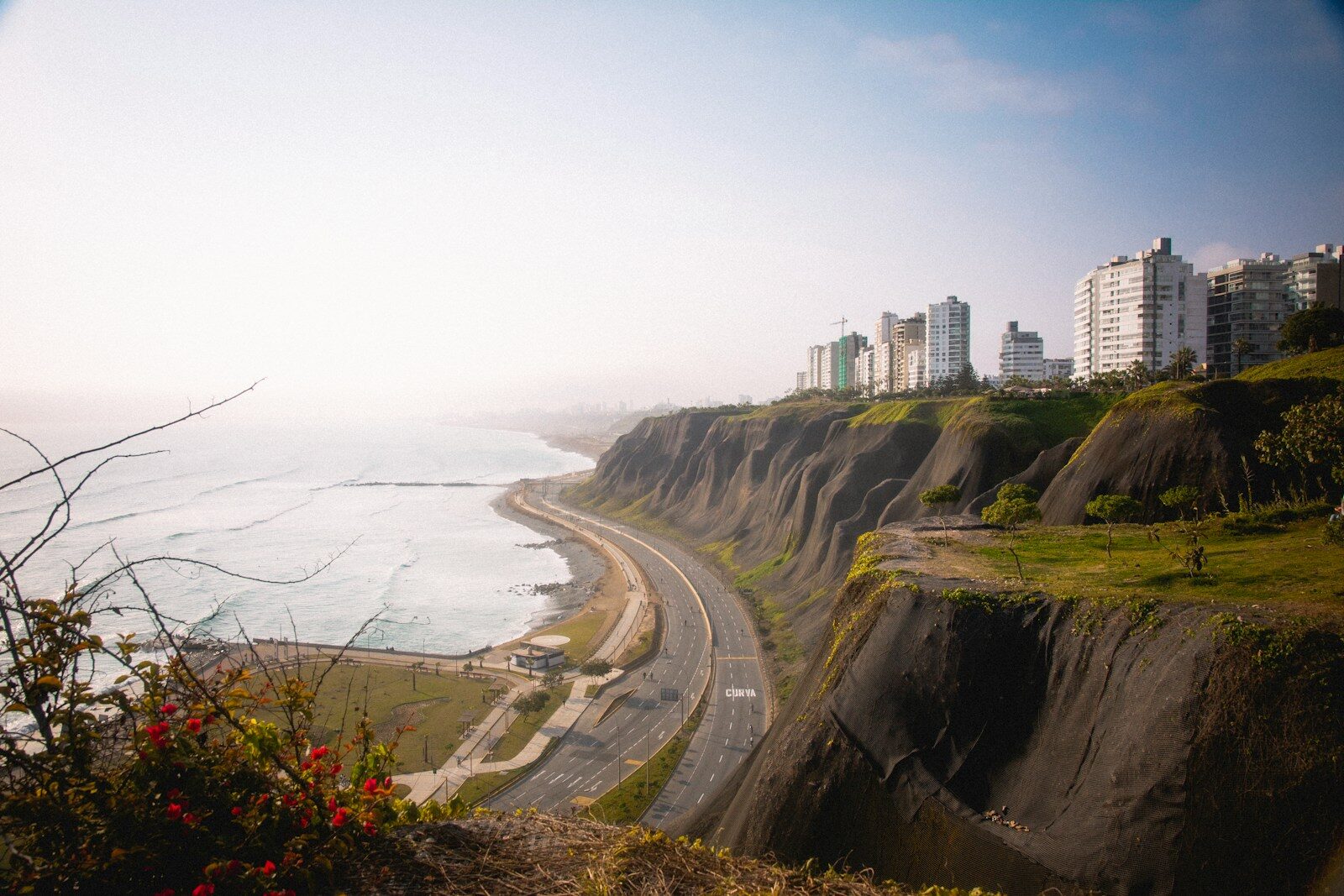
Lima — The capital and the gateway, a desert city of ~10 million on Pacific cliffs. Miraflores and Barranco are the traveller bases: cliff-top parks, surf beaches, colonial mansions turned into art galleries, and the best restaurants in South America. The historic centre is a UNESCO site of baroque churches and wooden balconies. Give it two days — it deserves more than a layover.
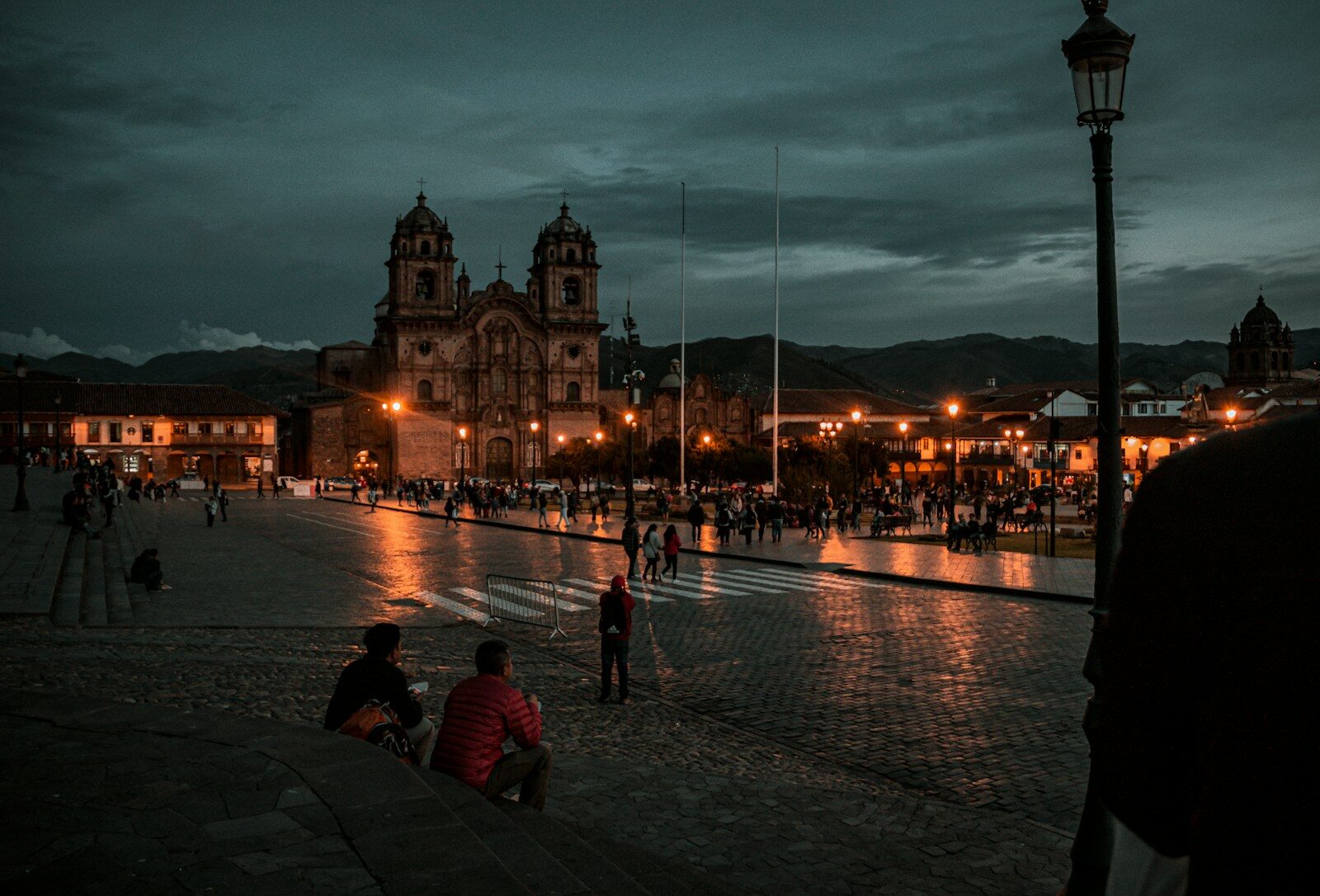
Cusco — The former Inca capital at 3,400 m, and the beating heart of any Peru trip. Spanish churches and mansions are built directly on Inca stone walls; the Qorikancha sun temple sits under the Santo Domingo convent; Sacsayhuamán fortress looms above town. Spend at least two or three days here, partly to acclimatize, partly because the city rewards slow wandering — San Blas artisans’ quarter, San Pedro market, and sunset from the Cristo Blanco viewpoint.
Arequipa — The “White City,” built from white sillar volcanic stone at 2,335 m, with the snow-capped Misti volcano watching over it. Its Santa Catalina monastery is a walled city within a city. Arequipa is also the base for Colca Canyon and its Andean condors.
Iquitos — The world’s largest city unreachable by road, deep in the Amazon. You arrive by plane or by riverboat, and from here the jungle lodges and pink river dolphins begin. A different Peru entirely — hot, humid, and loud with wildlife.
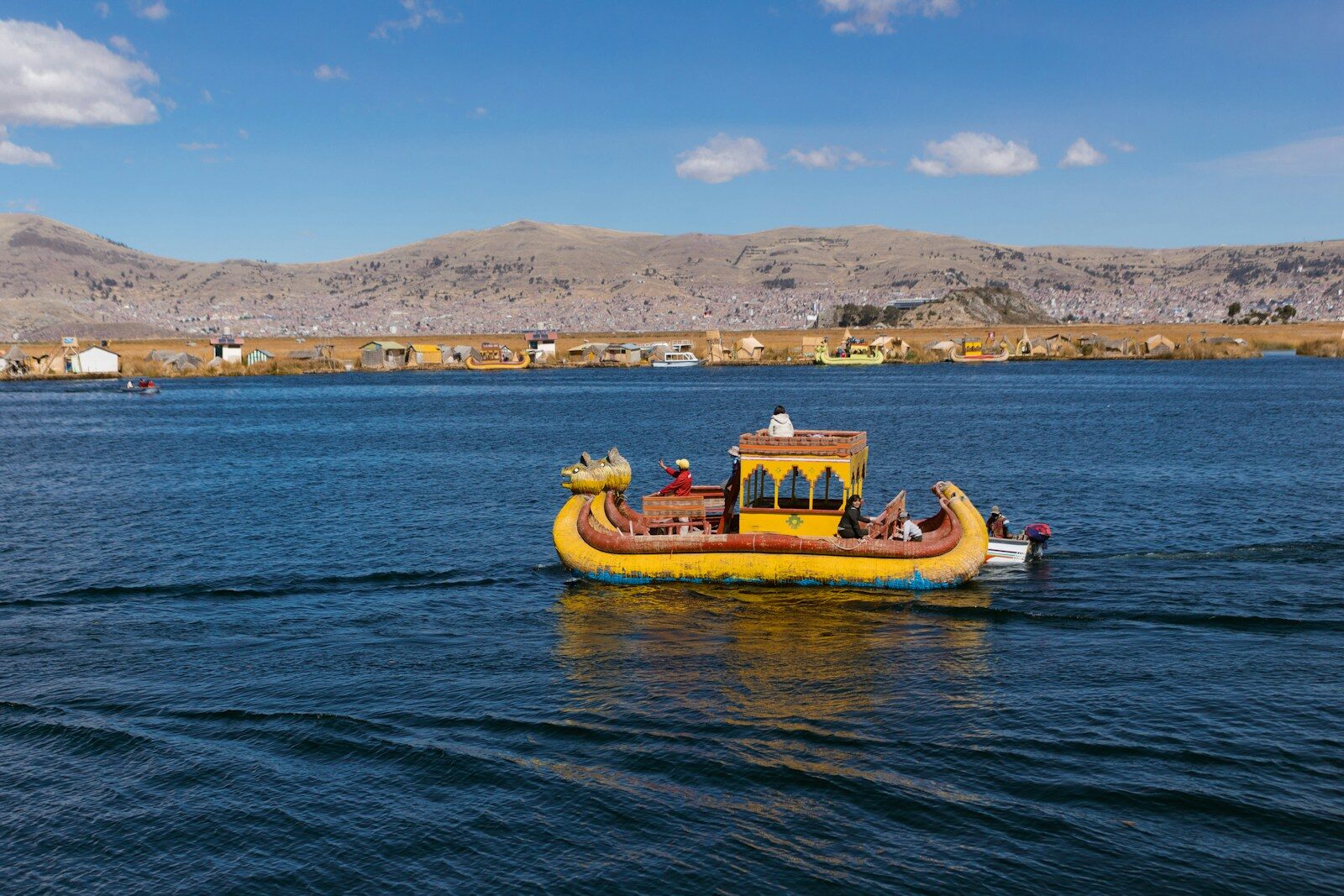
Puno — The high-altitude port (3,830 m) on Lake Titicaca, gateway to the Uros floating reed islands and the island communities of Taquile and Amantaní, where homestays remain one of Peru’s most memorable experiences.
Trujillo & Chiclayo — The north coast’s pre-Inca heartland: Chan Chan, the largest adobe city in the ancient world, and the royal tombs of Sipán. Quieter than the Cusco circuit and all the better for it.
Top Places to Visit
- Machu Picchu — The 15th-century Inca citadel (2,430 m), UNESCO-listed since 1983 and a New7Wonder of the World. Circuit 2 is the classic first-timer route.
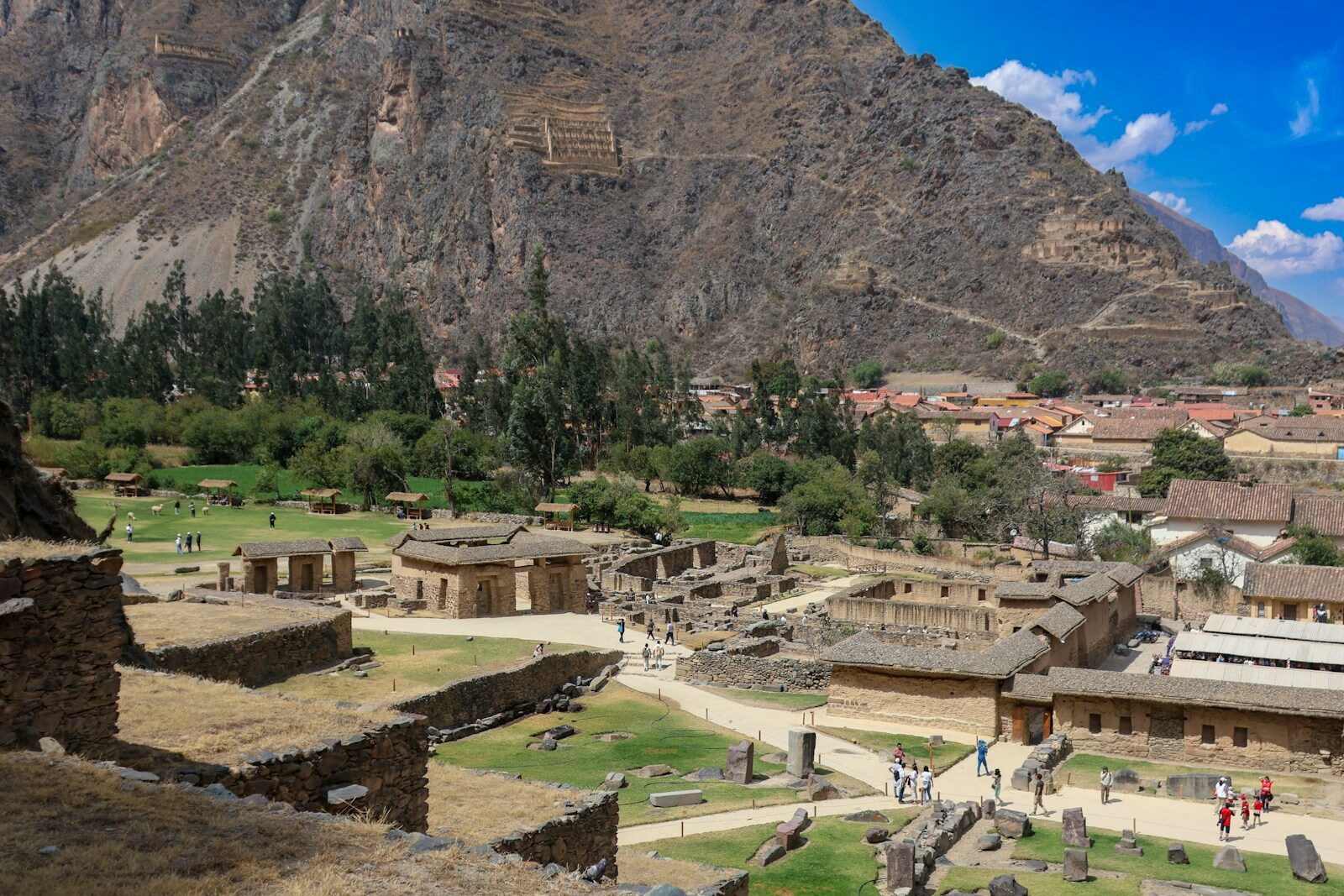
- The Sacred Valley — Pisac’s hillside ruins and artisan market, Ollantaytambo’s living Inca town and 200-step fortress, Moray’s circular agricultural terraces, and the 5,000+ salt ponds of Maras.
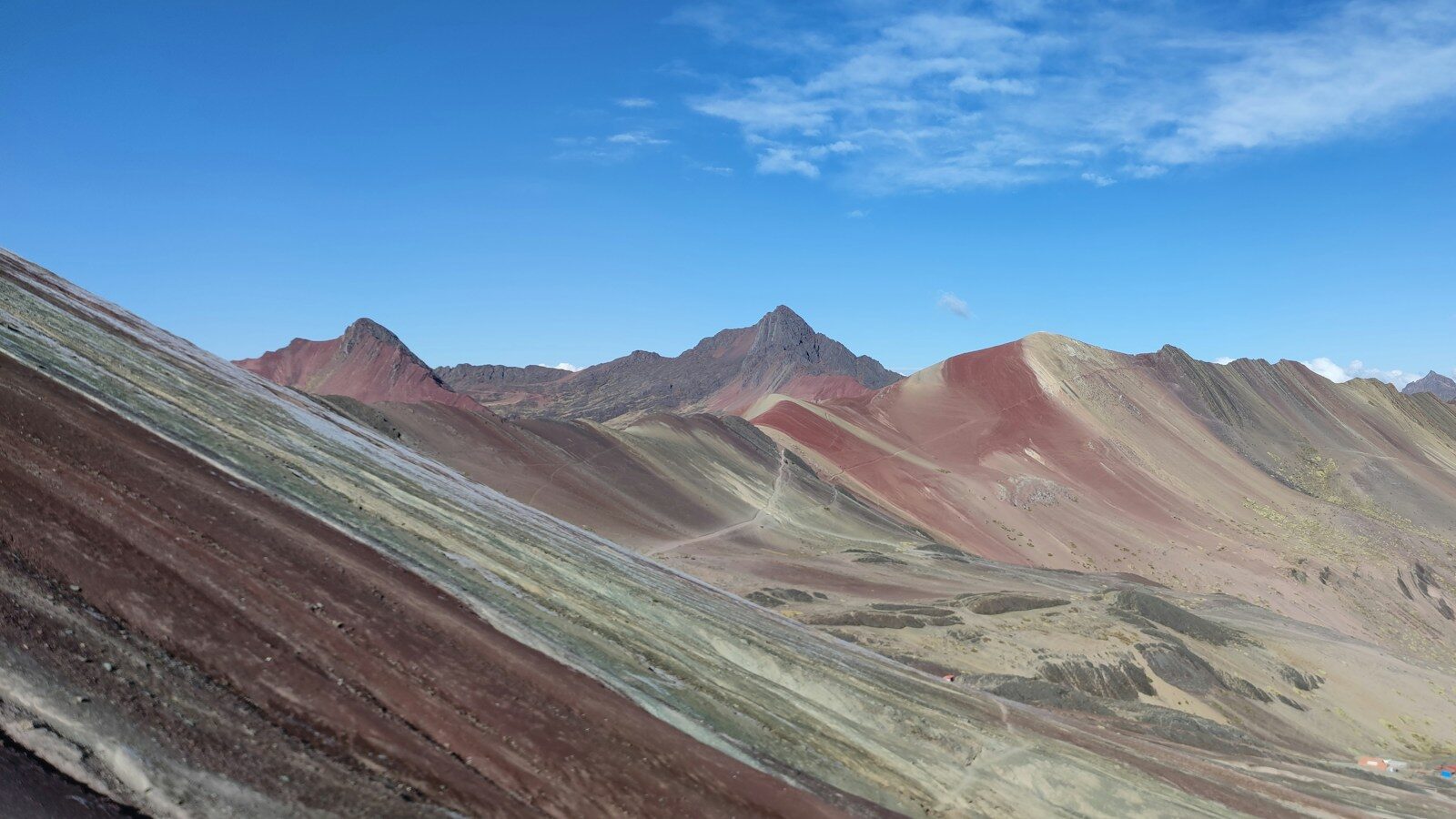
- Rainbow Mountain (Vinicunca) — Mineral-striped bands of red, yellow, green, and turquoise at 5,200 m; a hard day hike from Cusco, best with an early start.
- Lake Titicaca — The highest navigable lake on Earth (3,812 m); the Uros floating reed islands and Taquile’s weaving community.
- Colca Canyon — Roughly twice as deep as the Grand Canyon, and the best place in the world to watch Andean condors ride the morning thermals.
- The Nazca Lines — Enormous geoglyphs etched into the desert floor between 500 BC and 500 AD, best seen from a small plane.
- Huacachina — A desert oasis with a lagoon ringed by dunes, an hour from Ica; sandboarding and dune buggies at sunset.
- Choquequirao — Machu Picchu’s “sister city,” bigger and far emptier — a 4-day trek for those who want the ruins without the crowds.
- Manu National Park — One of the most biodiverse places on Earth, from cloud forest to Amazon lowland; multi-day trips from Cusco.
- Huaraz & the Cordillera Blanca — Peru’s trekking capital beyond Cusco: turquoise Laguna 69 and the Santa Cruz trek under 6,000-m peaks.
🎟️ Book experiences in Peru
Tours we’d actually book — free cancellation on most. We may earn a commission if you book through these links, at no extra cost to you. Our affiliate disclosure.
- Full-day group tour of Machu Picchu from Cusco — train, bus, entry ticket, and a 2-hour guided tour in one booking (from $332).
- Sacred Valley & salt mines tour with buffet lunch — Chinchero, Moray, Maras, Ollantaytambo, and Pisac in one day, with an Ollantaytambo drop-off option for the train (from $25).
- Rainbow Mountain & Red Valley day trip with meals — early access to beat the crowds, breakfast and buffet lunch included (from $26).
- Browse all Cusco tours & activities
🎟️ More ways to book (Viator)
Two more reader-favorite ways to see Peru. We may earn a commission if you book through these links, at no extra cost to you. Our affiliate disclosure.
- Machu Picchu private day tour from Cusco — all tickets, train, bus, and hotel transfers included, with a private guide.
- Full-day tour to Machu Picchu by train — scenic rail through the Sacred Valley plus entry ticket and guided citadel tour (from $440).
When to Visit & Getting Around
The three ways to Machu Picchu — the honest comparison
This is the decision that shapes your whole Peru trip, so here it is plainly.
| Classic Inca Trail | Salkantay Trek | The Train | |
|---|---|---|---|
| Duration | 4 days / 3 nights | 5 days / 4 nights | 1 day (no hiking) |
| Distance | 43 km | ~74 km | — |
| Highest point | Dead Woman’s Pass, 4,215 m | Salkantay Pass, 4,630 m | — |
| Permit | Yes — capped at 500 people/day including staff (~200 trekkers) | No permit, no cap | None |
| Book ahead | 5–6 months (peak May–Sep); permits released each October | Days to weeks | 2–4 weeks (earlier in peak) |
| Typical cost | US$700–900 budget; $1,500+ premium | US$250–500 budget; $450–600 mid-range | Train $140–190 return + entry S/163 + bus $24 |
| The payoff | Inca ruins en route; arrival through the Sun Gate at dawn | Glaciers, cloud forest, wilder scenery; no permit stress | Comfort, speed, and a full day at the ruins |
| The catch | Sells out months ahead; closed every February | Harder and higher; ends with a train leg anyway | No trekking; you miss the trail experience |
Choose the Inca Trail if you can book 5–6 months ahead and your priority is history: original Inca stone road, ruins along the way, and walking through the Sun Gate (Inti Punku) as the citadel appears below at first light. Book through a licensed operator only — independent hiking is not permitted, and permits are tied to your passport and date.
Choose Salkantay if permits are sold out, you want wilder scenery, or your budget is tighter. It crosses a 4,630-m pass beneath the 6,271-m Nevado Salkantay, descends through cloud forest, and needs no permit at all. It is harder and higher than the Inca Trail, and you finish with a train ride from Hidroeléctrica — but for many trekkers it is the better walk.
Choose the train if you are short on time, travelling with kids or older relatives, or simply do not want to camp at altitude. PeruRail and Inca Rail run from Ollantaytambo to Aguas Calientes in 1h 20m–1h 45m (there is no road — the train or a multi-day walk are the only ways in). In 2026, a standard Expedition seat runs roughly US$60–85 one way (round trip ~$135–195); panoramic Vistadome runs $75–130 one way; the luxury Hiram Bingham is $500+ per leg. From Aguas Calientes, the Consettur shuttle bus takes 25–30 minutes up to the gate (~US$24 round trip). A standard one-night train visit totals roughly US$215–265 per person, including entry.
Tickets: read this before you book anything
Machu Picchu tickets are sold only through the Ministry of Culture portal (tuboleto.cultura.pe), plus 1,000 per day sold in person in Aguas Calientes for the next day. In 2026 a foreign adult pays S/163 (~US$44–48) for a standard route — S/152 plus the S/11 sanctuary fee in force since May 1, 2026 — or S/211 (~US$61–62) for a route with a mountain climb (Huayna Picchu, Machu Picchu Mountain, or the Great Cavern). Every ticket is for one circuit, one date, and one entry hour; they are non-refundable and date changes are not allowed. Since June 2024 the site runs on 3 circuits with 10 routes: Circuit 2 (Route 2-A) is the classic first-timer choice — the postcard viewpoint plus a proper walk through the temples and plazas. Daily capacity is 4,500 visitors (5,600 on peak dates), and high-season dates sell out months ahead.
Getting around Peru
Fly Lima–Cusco (~1h 15m) rather than taking the 20-hour bus. Within Cusco, walk — the historic centre is compact — and use official taxis or ride-hailing for longer hops (agree the fare first; a cross-town ride is S/5–10). The Cusco Tourist Ticket covers 16 sites and museums around Cusco and the Sacred Valley for 10 days (a partial ticket runs ~S/70). Long-distance buses (Cruz del Sur, Oltursa) are comfortable and cheap for routes like Cusco–Puno or Lima–Arequipa; overnight buses save a hotel night. For the Amazon, Iquitos is reached only by air or river.
✈️ Find cheap flights to Peru — compare fares across airlines and booking sites in one search. We may earn a commission if you book through this link, at no extra cost to you.
🚗 Rent a car in Peru — worth it for the south coast (Lima–Paracas–Huacachina–Nazca) and the Arequipa–Colca loop; skip it for Cusco and Machu Picchu, where trains and tours do the work. We may earn a commission if you book through this link, at no extra cost to you.
Budget
Peru is one of South America’s best-value destinations — if you avoid the Machu Picchu premium. Prices below are per person, per day, in soles (S/) with approximate USD (S/3.5 ≈ US$1, check the current rate before you go).
Budget — S/120–200 (~US$35–55)/day: Hostel dorm (S/30–50), menú lunches and market food (S/10–20/meal), city buses and colectivos, free walking tours, and the Sacred Valley by public transport. A budget Machu Picchu day (train + entry + bus, no tour) runs ~US$215–265 — the one splurge that breaks the budget tier.
Mid-range — S/280–500 (~US$80–140)/day: Private room in a boutique hotel (S/120–200), restaurant dinners (S/40–70), a guided Sacred Valley or Rainbow Mountain day tour (US$25–40), and a Salkantay group trek (US$450–600 for 5 days). This is the sweet spot for most travellers.
Comfort — S/700+ (~US$200+)/day: Luxury hotels in Cusco and the Sacred Valley (US$150–300/night), the Vistadome Observatory or Hiram Bingham train, a premium Inca Trail operator (US$1,500–2,500), and fine dining in Lima (US$60–100 per person at Central or Maido). The train-and-tour version of Machu Picchu at this tier runs US$400–600 per person for the day.
Money-saving truths: Book Machu Picchu entry and trains the moment your dates are fixed — late bookings force you onto the expensive Vistadome or a premium tour. Eat the menú at lunch (half the price of dinner for the same food). Stay in the Sacred Valley (Ollantaytambo or Urubamba) instead of Cusco for your Machu Picchu nights — it is lower, cheaper, and closer to the train. And carry cash: many small operators, markets, and entrance fees (Rainbow Mountain S/30, salt mines S/20) are cash-only in soles.
Practical Tips
- Acclimatize first, trek second. Cusco sits at 3,400 m. Give yourself 24–48 hours of rest on arrival — no trekking, no alcohol, lots of water and coca tea. If you can, spend your first night in the Sacred Valley (~2,800 m) and ascend gradually.
- Book Machu Picchu months ahead. Entry tickets, Inca Trail permits, and cheap train seats all sell out in the May–September dry season. If your date is sold out online, the 1,000 in-person tickets in Aguas Calientes are the last resort — arrive a day early and queue.
- Carry cash in soles. ATMs are common in Lima and Cusco but charge S/18–25 per withdrawal; small towns and trailheads are cash-only. US dollars are accepted in tourist areas, but the exchange rate is poor.
- Stay connected. Buy a local SIM (Claro or Movistar) at Lima airport or any city shop — S/20–30 for a tourist data pack. Wifi is good in hotels and cafés in Lima and Cusco, patchy elsewhere.
- Power and plugs. Peru uses Type A/B plugs (like the US) at 220V — North American devices need a voltage check, Europeans need an adapter.
- Emergency numbers. Police 105, ambulance 106, tourist police (Cusco) 0800-22221. Keep your passport on you — it is required for Machu Picchu entry and hotel check-in, and police do spot checks.
- Pack for four seasons in one day. The Andes swing from freezing mornings to fierce midday sun to afternoon rain. Layers, sun protection, and a packable rain jacket are non-negotiable — even in the dry season.
🛍️ Shop this guide: Peru packing essentials
Gear we’d actually pack for this trip. As an Amazon Associate we earn from qualifying purchases — at no extra cost to you. Our affiliate disclosure.
- Waterproof hiking boots — the Inca Trail and Salkantay are stone steps and mud; ankle support and grip matter more than weight.
- Packable rain jacket — Andean afternoons make their own weather, even in the dry season.
- Portable charger (20,000mAh) — long trek days and train rides with no outlets; your camera and maps will thank you.
- Altitude sickness essentials — electrolytes, Diamox (with a doctor’s advice), and coca tea are the Cusco starter kit.
- Lightweight 20L daypack — the right size for Machu Picchu day visits (large bags are not allowed inside the citadel).
🧳 Plan your trip: Peru
Flights, stays, tours, and cruises — booked in one place. We may earn a commission if you book through these links, at no extra cost to you. Our affiliate disclosure.
- ✈️ Find cheap flights to Peru — compare fares across airlines and booking sites in one search.
- 🏨 Browse our Expedia Travel Shop — hand-picked stays and travel deals from our curated storefront.
- 🎟️ Browse Cusco tours & activities — free cancellation on most.
- 🛳️ Compare South America cruises on CruiseDirect — sailings calling at Callao (Lima) and around the continent.
Closing
Peru rewards the traveller who slows down. The ruins are the reason you come, but the memories are the small things: coca tea at dawn in Cusco, a weaver in Chinchero showing you how cochineal makes red, the moment the clouds lift off Machu Picchu and the whole valley opens below you. Whichever way you get there — four days on the Inca Trail, five over Salkantay, or a train ride through the Sacred Valley — arrive early, book ahead, and give the altitude the respect it deserves. The empire of the clouds has waited five hundred years. It can wait for you to catch your breath.
FAQ
How much does a trip to Machu Picchu cost in 2026?
A standard one-night train visit costs roughly US$215–265 per person: entry S/163 (~US$44–48), the Consettur shuttle bus ~US$24 round trip, and the train US$140–190 return from Ollantaytambo. A 4-day Inca Trail trek runs US$700–900 (budget) to $1,500+ (premium); a 5-day Salkantay trek runs US$250–600.
How many days do I need in Peru?
A first trip needs 10–14 days: 2 days in Lima, 2–3 in Cusco (including acclimatization), 1–2 in the Sacred Valley, 1 day at Machu Picchu, and 4–5 for a trek if you are doing one. Add 2 days each for Colca Canyon and Lake Titicaca. A comprehensive trip takes 2–3 weeks.
Do I need a visa for Peru?
Citizens of the US, Canada, the UK, the EU, Australia, and many other countries enter visa-free for tourism (up to 90 days commonly granted, up to 183 days possible). Your passport must be valid for at least six months.
When is the best time to visit Peru?
May to September (dry season) for Cusco, Machu Picchu, and trekking; April, May, September, and October for fewer crowds; December to April for the sunny coast around Lima. The Inca Trail closes every February.
Is Cusco’s altitude dangerous?
Cusco sits at 3,400 m, high enough to cause altitude sickness (soroche) in many visitors for the first day or two. Rest on arrival, hydrate, avoid alcohol, and consider spending your first night in the lower Sacred Valley. Machu Picchu itself (2,430 m) is lower than Cusco.
Inca Trail vs Salkantay — which is better?
The Inca Trail wins on history (original Inca road, ruins, Sun Gate arrival) but needs permits booked 5–6 months ahead and costs more. Salkantay wins on scenery, flexibility (no permit), and price, but it is harder and higher. If permits are sold out, Salkantay is not a consolation prize — for many trekkers it is the better walk.
[…] Peru travel guide: Machu Picchu, the Inca Trail, and the Sacred Valley […]
[…] Peru travel guide: Machu Picchu, the Inca Trail, and the Sacred Valley — the Andes next door: Inca stone, high-altitude trails, and a lost city in the clouds. […]
[…] Peru travel guide: Machu Picchu, the Inca Trail, and the Sacred Valley — the Andes next door: Inca stone, high-altitude trails, and a lost city in the clouds. […]