
 admin
Introduction
Colombia is the comeback story of South American travel. Twenty years ago, most travellers wouldn’t have considered it. Today it is one of the fastest-growing destinations on the continent — nearly 4.9 million non-resident visitors in the first nine months of 2025 alone — and the reason is obvious the moment you arrive: a walled Caribbean city that looks like a film set, a mountain city that reinvented itself in a generation, the tallest palm trees on Earth, a river that runs in five colours, and coffee that tastes the way coffee is supposed to taste.
This guide is built around the classic first trip — seven days split between Cartagena and Medellín, with the Coffee Region layered in — and it covers the rest of the country too: when to go where, what it costs, and the practical rules that keep the trip smooth. Colombia is the only country in South America with coastlines on two oceans, the Caribbean and the Pacific, and it packs six natural regions into one country: the Andes, two coasts, the Amazon, the eastern plains, and the Caribbean islands of San Andrés and Providencia.
Geography & Climate
Colombia sits at the north-west corner of South America, bordered by Panama, Venezuela, Brazil, Peru, and Ecuador, with the Caribbean Sea to the north and the Pacific Ocean to the west. It covers 1,141,748 km² — almost twice the size of Texas — and its 3,208 km of coastline is split between the Caribbean (1,760 km) and the Pacific (1,448 km). No other South American country touches both oceans.
The country divides into six natural regions, and they barely feel like the same country. The Andes run down the middle in three parallel ranges (the Cordilleras), holding Bogotá at 2,600 m, Medellín at 1,500 m, and the Coffee Region’s green hills. The Caribbean coast is hot, humid, and colonial — Cartagena, Santa Marta, Barranquilla, and the Tayrona jungle-beaches. The Pacific coast is wild, rainy, and barely visited — whale-watching towns like Nuquí and Bahía Solano. The Amazon covers a third of the country in the south-east. The Llanos (eastern plains) are cowboy country. And the islands — San Andrés and Providencia — sit in the Caribbean closer to Nicaragua than to the mainland, with a “sea of seven colours”.
Climate follows altitude, not latitude. Colombia straddles the equator, so there are no real seasons — only wet and dry stretches, and temperatures that depend on how high you are. Bogotá, at 2,600 m, is cool year-round (9–20°C) and you will want a jacket at night. Medellín, at 1,500 m, earns its nickname “the city of eternal spring” at a steady ~22°C. Cartagena, at sea level, is hot and humid all year (25–32°C). The dry seasons run December–March and July–August; the wettest months are April–May and October–November. December to mid-January and Holy Week (Semana Santa) are the local high season — more people, higher prices.
Natural hazards are manageable but real: altitude in Bogotá (2,600 m) gives first-timers headaches for a day; the Caribbean sun burns fast; and the Pacific coast’s heavy rain can wash out roads in the wet season. The Caño Cristales river only shows its five colours roughly June–November, in the rainy season — visit outside that window and it is just a river.
People & Demographics
Colombia has about 54 million people (UN projection for July 2026: 53.9 million), making it the second-most populous country in South America after Brazil and the 28th in the world. Roughly half the population is mestizo, with large Afro-Colombian communities on both coasts, Indigenous peoples (more than 100 groups, about 4–5% of the population), and significant European-descended communities. The Raizal people of San Andrés speak a Creole English. Bogotá holds about 8 million people in the capital district (11 million+ in the metro area); Medellín about 2.6 million; Cali about 2.3 million; Cartagena about 1 million.
Spanish is the official language, and Colombian Spanish is famously clear — the Bogotá accent is often called the easiest in Latin America for learners. English is limited outside hotels and tours in the big cities, and rarer still in small towns — a few phrases pay off fast: “gracias” (thank you), “por favor” (please), “¿cuánto cuesta?” (how much?), “una mesa para dos” (a table for two). The local greeting “¿Qué más?” (what else?) is the Colombian “what’s up?”.
Religion is mostly Roman Catholic (about 70%), and Catholic festivals shape the calendar — the Barranquilla Carnival in February/March is the second-largest carnival in the world after Rio’s, and December’s Christmas lights turn Medellín and Bogotá into open-air light shows.
Mini phrasebox: Hola (hello) · Buenos días (good morning) · Gracias (thank you) · Por favor (please) · ¿Cuánto cuesta? (how much does it cost?) · La cuenta, por favor (the bill, please) · ¿Dónde está…? (where is…?) · No hablo español (I don’t speak Spanish) · ¡Salud! (cheers!) · ¿Qué más? (what’s up?).
Culture, Etiquette & Daily Habits
Colombia runs on warmth, music, and coffee. Greetings are a cheek kiss on introduction, even between men meeting for the first time, and first names come quickly — Colombians are famously warm and formal at first, then fast friends. Personal space is closer than in North America or northern Europe, and refusing a coffee when offered is almost rude: a tinto — a small, black, sweet coffee — costs COP 1,000–2,000 (about US$0.40) and is offered everywhere, all day.
Food is regional, and each region is proud of its own plate. The bandeja paisa — the giant Antioquian platter of beans, rice, ground beef, chicharrón, fried egg, plantain, avocado, and arepa — is the dish to try in Medellín. Ajiaco is Bogotá’s chicken-and-potato soup, served with capers, cream, and avocado. Arepas are everywhere, and every region makes them differently: thin and crisp in Antioquia, thick and cheesy on the coast. The corrientazo — the set lunch of soup, a main, rice, and a drink — costs US$3–6 and is the best-value meal in the country. And aguardiente, the anise-flavoured national liquor, is the drink of every celebration.
Music is a social skill, not a performance. Cali is the salsa capital of the world — salsa clubs (salsotecas) fill every night, and dancing is something everyone does, not something you watch. Vallenato rules the Caribbean coast, cumbia is the national rhythm, and Medellín’s reggaeton scene (J Balvin, Karol G) is global. Literature is a national treasure: Gabriel García Márquez won the Nobel Prize in 1982, and his “One Hundred Years of Solitude” — set in the fictional Macondo, inspired by his hometown of Aracataca — is the most famous Latin American novel ever written. Shakira, from Barranquilla, is the country’s most famous living export.
Do: greet with a cheek kiss when introduced; accept the tinto when offered; tip the Comuna 13 guides (they work for tips, COP 40,000–50,000 is the norm); dress up a little for dinner in Bogotá and Medellín — Colombians are famously well turned-out; learn a little Spanish — effort is rewarded with enormous goodwill.
Don’t: photograph people in Comuna 13 without asking; assume the “$” on a price tag means US dollars — it means pesos, and prices are written with a period as a thousands separator (COP 10.000 is ten thousand pesos, about US$2.50–3); flash valuables on the street at night; call the country “Columbia” — it is Colombia, and Colombians notice.
Tipping: restaurants usually add an optional 10% service charge and ask if you want it included — check before tipping twice. Taxi drivers don’t expect tips, though rounding up is appreciated.
Lifestyle
Daily life in Colombia is lived outdoors and late. Breakfast is early and hearty (arepas, eggs, hot chocolate with cheese in Bogotá — yes, cheese in the hot chocolate). Lunch is the main meal, taken seriously and unhurried. Dinner is late (8–9 pm), and the cities come alive after dark — Medellín’s El Poblado and Laureles neighbourhoods, Bogotá’s Zona Rosa and La Macarena, Cartagena’s Getsemaní with its plastic chairs, street art, and impromptu music on Plaza de la Trinidad.
Work culture is relationship-first: meetings start with chat, deadlines flex, and personal connection matters. The cities are tech-savvy — Medellín’s metro and cable cars are the pride of the country, and the city runs a genuine innovation district — but the rhythms are still Latin: long lunches, late nights, and a weekend that starts on Friday afternoon.
Sport is everywhere: football is the national obsession (the Colombia national team, the clásico between Atlético Nacional and Millonarios), cycling is a point of national pride (Egan Bernal won the Tour de France in 2019), and tejo — the explosive game of throwing metal discs at gunpowder-filled targets — is the traditional pub sport. And the coffee: Colombia is the world’s third-largest coffee producer, and the Coffee Region’s fincas (coffee farms) run tours and tastings that turn a morning into an education — the good stuff never leaves the country in the same way.
Main Cities
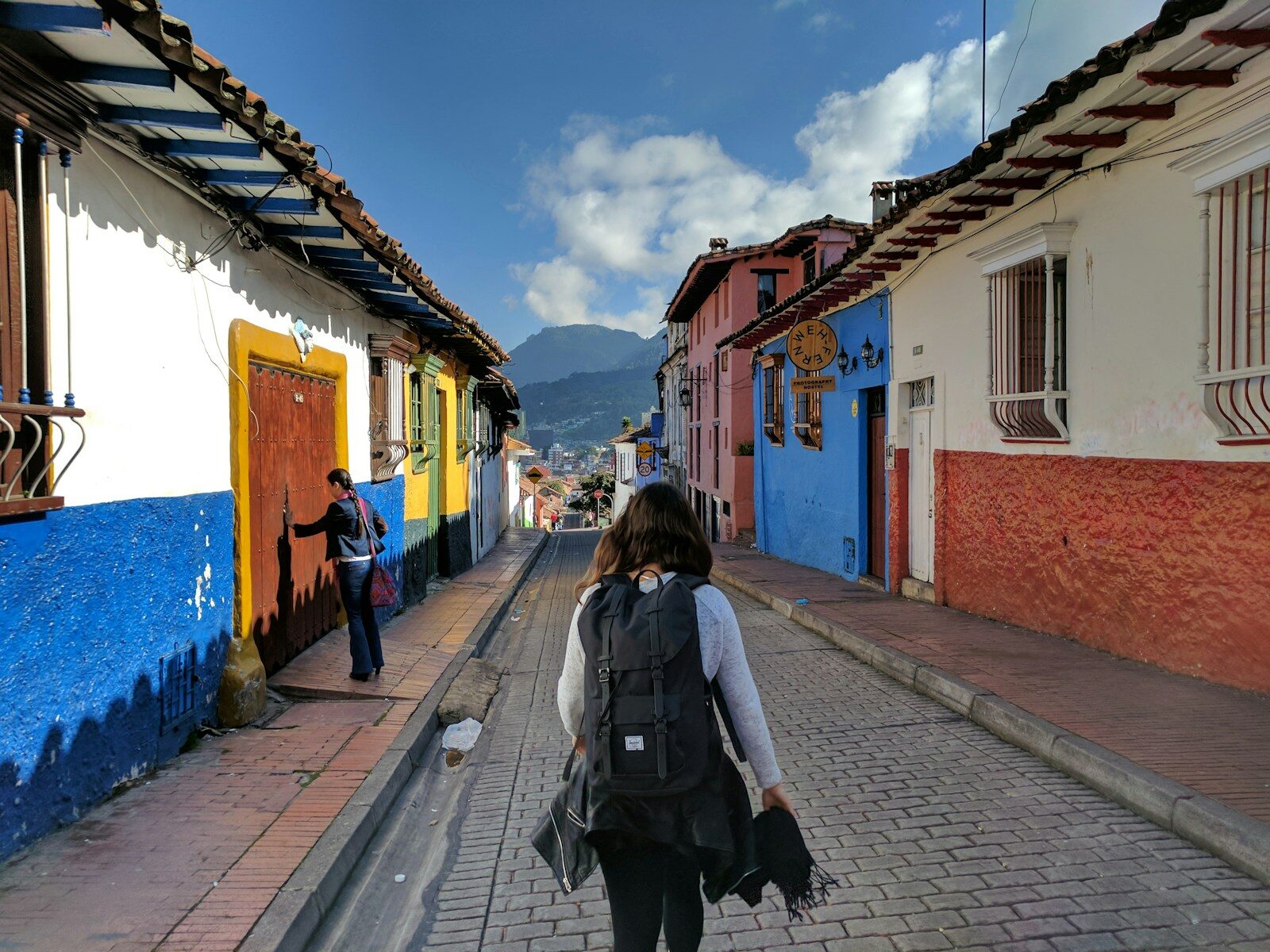
Bogotá — the capital. A high-altitude city of 8 million at 2,600 m, with the colonial streets of La Candelaria, the Museo del Oro (30,000+ pieces of pre-Hispanic goldwork — the largest collection of its kind), the Botero Museum (always free), and the Monserrate hilltop (3,152 m) reached by cable car or funicular for the city’s best view. Stay in La Candelaria for history or Chapinero/Zona Rosa for food and nightlife. No metro yet — Line 1 is under construction, opening around 2028 — so the TransMilenio bus system is the backbone.
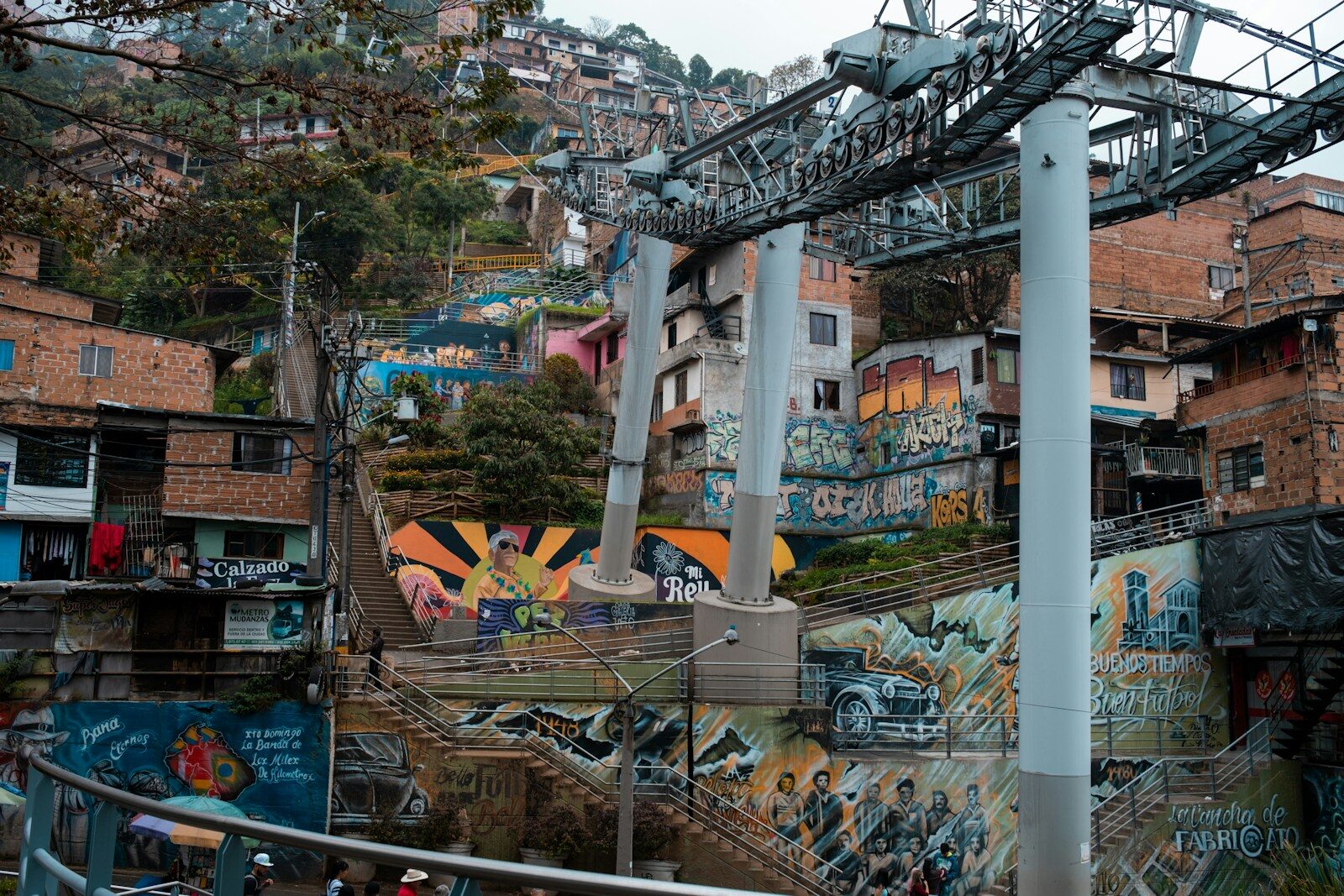
Medellín — the comeback city. Once the most dangerous city on Earth, now the poster child for urban transformation: the metro and Metrocable cable cars connect the hillside barrios, the Comuna 13 escalators and street art draw visitors from everywhere, and the “city of eternal spring” climate (~22°C year-round) makes every day a patio day. Stay in Laureles for local life or El Poblado for nightlife. The transformation is real, and the city is proud of it — take the guided Comuna 13 tour and hear the story from the people who lived it.
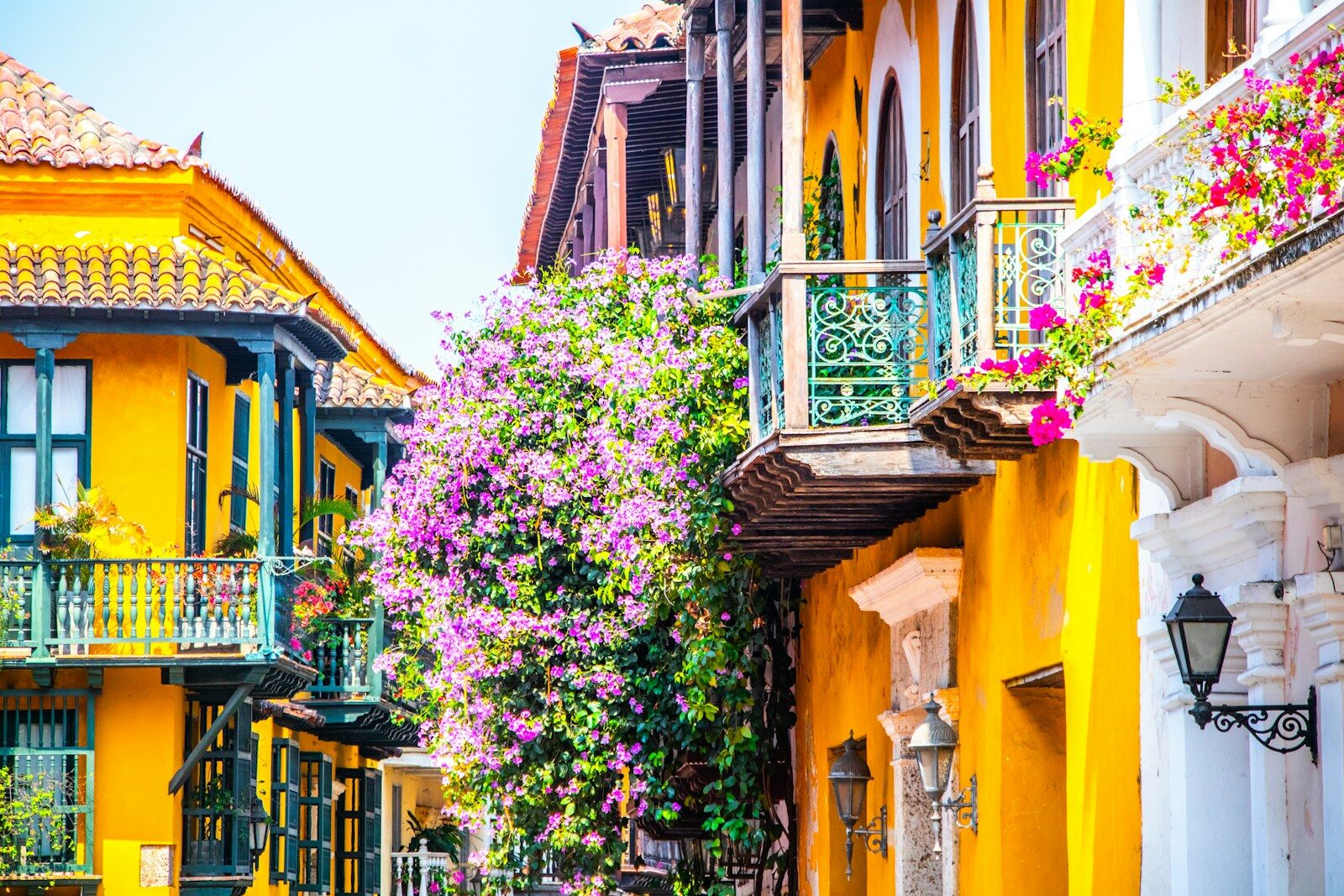
Cartagena — the showpiece. A UNESCO-listed walled colonial city on the Caribbean, founded in 1533, of flower-covered balconies, bougainvillea, and plazas that come alive after dark. Walk the walls at sunset, climb Castillo San Felipe de Barajas, eat in Getsemaní, and take a boat day to the Rosario Islands. Stay inside the walls or in Getsemaní. Cartagena is the most expensive city in Colombia — budget accordingly.
Cali — the salsa capital. Colombia’s third city, hot and rhythmic, where salsa is a way of life and the clubs (salsotecas) are the main event. Come for the dancing, stay for the food — Cali’s cholado (shaved ice with fruit) and lulada are the city’s signature refreshments.
Santa Marta — the gateway. The oldest city in Colombia (founded 1525) and the base for Tayrona National Park and the four-day trek to the Lost City (Ciudad Perdida). The city itself is low-key; the jungle and the beaches are the point.
Barranquilla — the carnival city. A big, working Caribbean port that explodes every February/March for the Barranquilla Carnival — four days of parades, cumbia, and street parties, second only to Rio. Shakira’s hometown.
Bucaramanga — the adventure base. A pleasant Andean city and the gateway to San Gil, Colombia’s adventure capital (rafting, paragliding, caving), and the stunning Chicamocha Canyon.
Pereira & Manizales — the coffee cities. The urban anchors of the Coffee Region (Eje Cafetero): Pereira for access to the Cocora Valley and Salento, Manizales for the Nevado del Ruiz volcano and hot springs. Both are relaxed, green, and cheap.
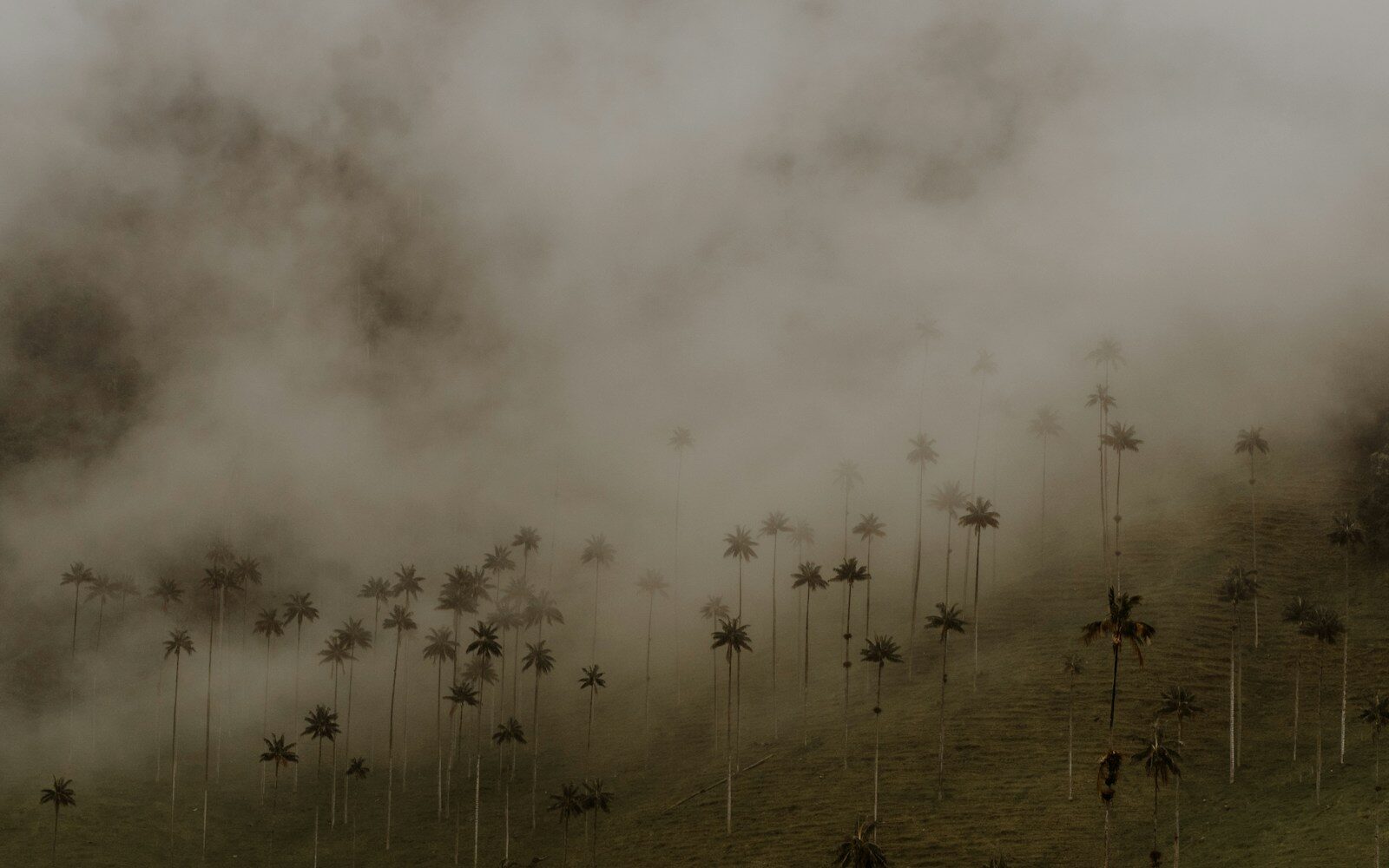
Salento — the coffee village. A small, colourful town of fincas and trout restaurants, and the base for the Cocora Valley wax palms and the coffee farm tours. The prettiest town in the Coffee Region.
Popayán — the white city. A colonial city of whitewashed churches and Holy Week processions (UNESCO-listed), and the gateway to the San Agustín archaeological park’s megalithic statues.
San Andrés — the island. A Caribbean island closer to Nicaragua than to mainland Colombia, with a “sea of seven colours”, a Raizal Creole culture, and some of the best snorkelling in the Caribbean.
Top Places to Visit
- Cartagena’s walled city — flower-covered balconies, the yellow Clock Tower, Plaza de Bolívar, and the city walls at sunset. The most photogenic old town in South America; go early in the morning before the heat and the crowds.
- Castillo San Felipe de Barajas — the great Spanish fortress guarding Cartagena, with tunnels to explore and the best view over the city. Entry COP 33,000 (~US$9). Go late afternoon for the golden light.
- Getsemaní — Cartagena’s street-art neighbourhood: colourful murals, Plaza de la Trinidad, plastic chairs, and impromptu music. The most local-feeling nightlife in the city.
- Rosario Islands — 27 coral islands an hour by boat from Cartagena, with white sand, turquoise water, and reef snorkelling. Day trips run about US$80 with lunch; pick a small boat over the party barges.
- Cocora Valley — the wax palms, Colombia’s national tree, growing up to 60 m tall in a misty Andean valley near Salento. Entry COP 10,000 (~US$3); the full loop trek takes about five hours.
- Comuna 13, Medellín — the hillside barrio transformed by street art, escalators, and community tours. Go with a local guide (tips of COP 40,000–50,000 are the norm) and ask before photographing people.
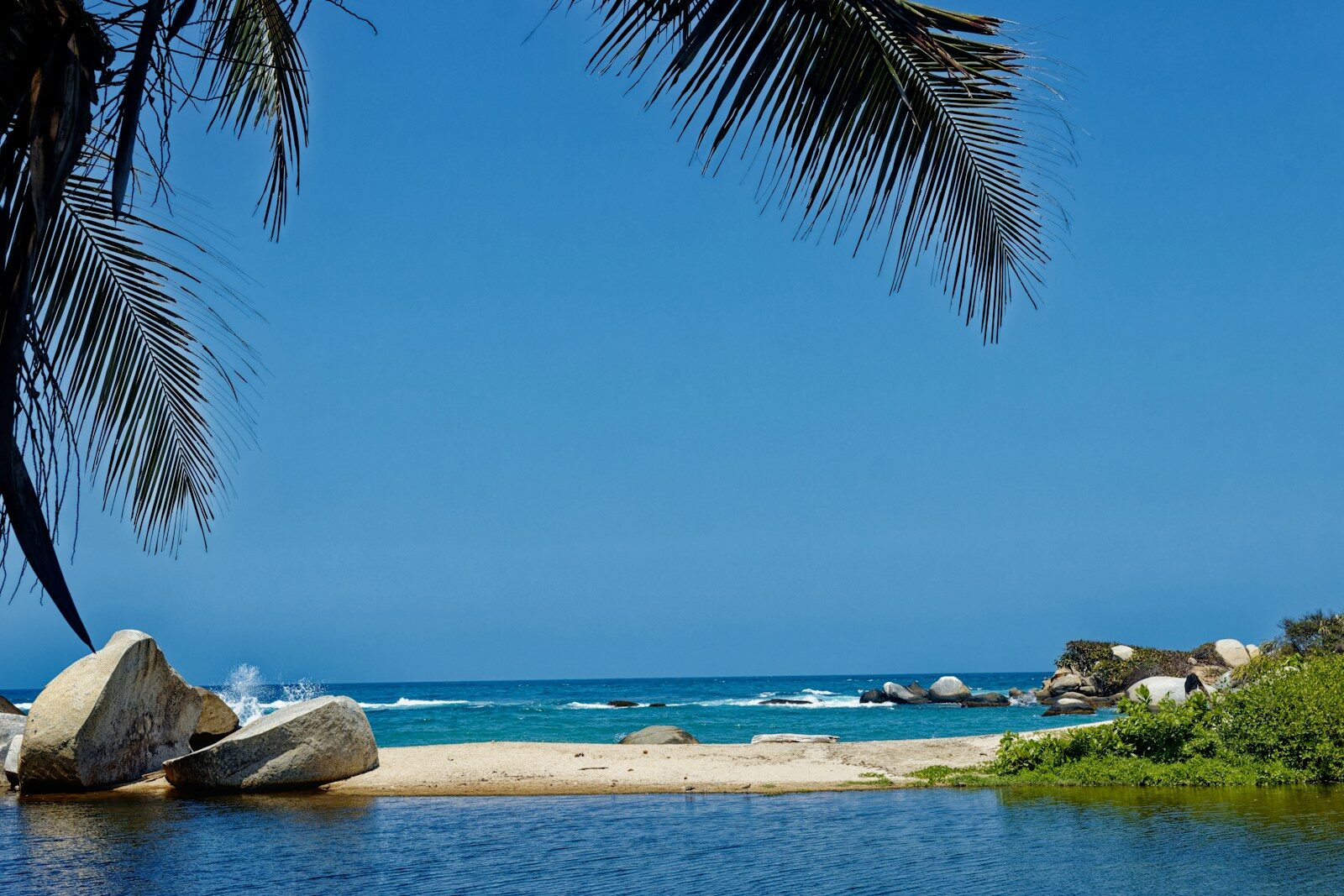
- Tayrona National Park — jungle dropping straight into the Caribbean at Cabo San Juan, with white-sand coves and hammocks on the beach. Foreign entry COP 75,000 (~US$20); a hammock on the beach costs ~US$10–15 a night.
- Ciudad Perdida (Lost City) — the four-day jungle trek to a Tayrona city built around 800 CE, centuries before Machu Picchu. Licensed operator only, typically US$350–550; book weeks ahead.
- Museo del Oro, Bogotá — the Gold Museum’s 30,000+ pieces of pre-Hispanic goldwork, the largest collection of its kind anywhere. Entry COP 21,000 (~US$6.50) Tuesday–Saturday for foreigners, free for everyone on Sundays, closed Mondays.
- Zipaquirá Salt Cathedral — an underground cathedral carved inside a salt mine, an hour from Bogotá. Entry COP 125,000 (~US$39) for foreigners.
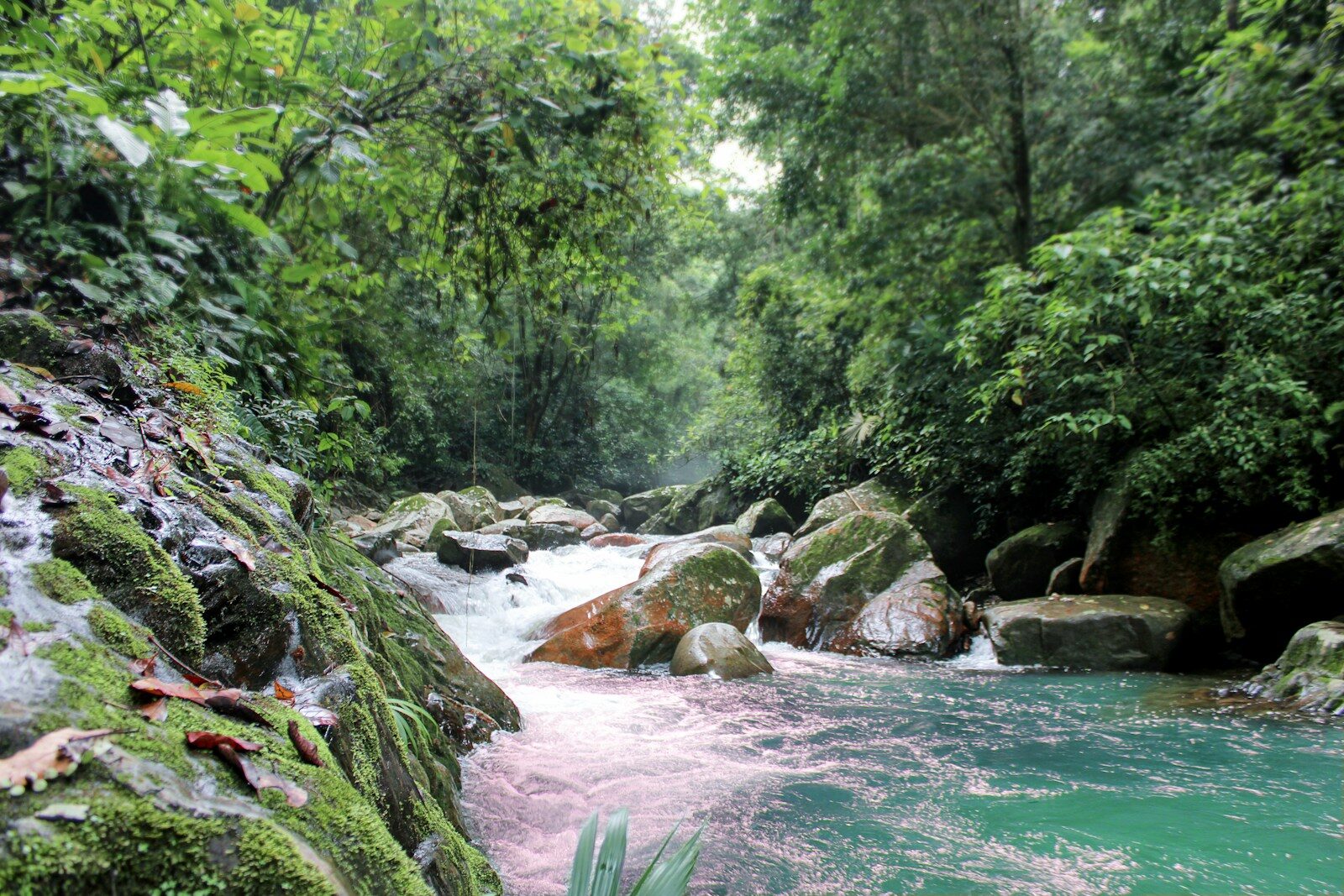
- Caño Cristales — the “river of five colours”, a shallow river in La Macarena that turns red, yellow, green, blue, and black from algae. Best roughly June–November; fly to La Macarena and go with a licensed guide.
- San Andrés island — the “sea of seven colours”, with the best snorkelling in the Caribbean and a Raizal Creole culture that feels nothing like the mainland.
🎟 Book experiences in Colombia
Tours we’d actually book — free cancellation on most. We may earn a commission if you book through these links, at no extra cost to you. Our affiliate disclosure.
- Rosario Islands 5-Stop Day Tour with Lunch & Beach Club Passes — five island stops by speedboat, snorkelling, and a Caribbean lunch under the palms. Rated 4.6 from 6,600+ reviews. From ~£55.
- Cartagena Panoramic City Tour, Monuments, Walls & Castle — the walled city, Getsemaní, La Popa, and San Felipe by chiva bus or air-conditioned vehicle. From ~£24.
- Cartagena Sunset Catamaran Cruise — two hours on the bay as the walled city lights up. From ~£30.
- Browse all Cartagena tours & activities
🎟 More ways to book (Viator)
Two more reader-favorite ways to see Cartagena — a private walk and a night swim. We may earn a commission if you book through these links, at no extra cost to you. Our affiliate disclosure.
- Private Tour of the Historic Walled City & Getsemaní — a private walking tour of the street art, plazas, and hidden corners of the old city and Getsemaní, with a local guide. From ~US$58.
- Rosario Islands + Bioluminescence Night Swim — a full day on the islands ending with a night swim in glowing plankton. From ~US$155.
When to Visit & Getting Around
When to go: the dry seasons — December–March and July–August — bring the most stable weather, and that is when the Caribbean coast, Tayrona, and the trekking routes are at their best. December to mid-January and Holy Week are also the local high season, so expect more people and higher prices; the shoulder weeks either side are noticeably calmer. The wettest months are April–May and October–November. Bogotá is driest December–March (and December adds the citywide Christmas lights); Cartagena is driest December–April; Caño Cristales only shows its colours roughly June–November; the Barranquilla Carnival runs February/March — book months ahead.
The 7-day Cartagena + Medellín itinerary: Day 1 — arrive in Cartagena, walk the walls at sunset, dinner in Getsemaní. Day 2 — the walled city on foot (Clock Tower, Plaza de Bolívar, Museo del Oro Zenú), Castillo San Felipe in the late afternoon. Day 3 — boat day to the Rosario Islands, back for a sunset drink on the walls. Day 4 — fly to Medellín (1 hour), afternoon in Laureles. Day 5 — Comuna 13 with a local guide in the morning, Metrocable to Parque Arví in the afternoon. Day 6 — day trip to Guatapé and the El Peñol rock, or a coffee finca tour. Day 7 — Botero Plaza and the museums, then fly out — or keep going to the Coffee Region (Salento and the Cocora Valley) for two more days.
Getting there: Bogotá’s El Dorado Airport (BOG) is the international gateway, about 30–40 minutes from the centre; Cartagena (CTG) and Medellín (MDE, in Rionegro, 45 minutes from the city) also take international flights. From North America, direct flights land in all three. Domestic flights are the way to move between regions — Avianca, LATAM, and low-cost carriers link Bogotá, Medellín, Cartagena, Santa Marta, and Pereira in about an hour a leg. Book 3–4 weeks ahead for the best fares.
Getting around: fly between cities, use local transport inside them. In Bogotá, the TransMilenio is the backbone — articulated red buses in dedicated lanes, one ride COP 3,550 (~US$1.10) in 2026, paid with a rechargeable TuLlave card (the card itself costs ~COP 7,897). There is no metro yet — Line 1 is under construction and not expected to open until 2028. In Medellín, the Metro (from COP 3,200, ~US$0.85) and the Metrocable cable cars run on the same ticket and are the pride of the city. Metered taxis have a COP 8,000 minimum fare in Bogotá, plus an airport surcharge and a night/Sunday surcharge — use an app (Cabify, Uber, DiDi) at night. Buses between cities are cheap and frequent; the bus from Medellín to Salento takes about 5–6 hours, so fly to Pereira and drive an hour instead. Rental cars make sense for the Coffee Region and the countryside, not inside Bogotá or Medellín, where traffic and parking are a fight.
✈ Find cheap flights to Colombia
We may earn a commission if you book through this link, at no extra cost to you.
Worth it for the Coffee Region and the countryside around Salento and Villa de Leyva; skip it inside Bogotá and Medellín, where traffic and parking are a fight. We may earn a commission if you book through this link, at no extra cost to you.
Budget
Colombia is one of the best-value destinations in South America — considerably cheaper than the Caribbean islands or Central America for comparable quality, and cheaper than Chile or Argentina. Cartagena and San Andrés are the most expensive places in the country by a clear margin; the Coffee Region, the Andean cities, and the interior are noticeably cheaper. Prices below are per person per day, in USD at roughly 3,300–4,000 COP per dollar (November 2026). Peso prices move with the exchange rate, so treat the peso figures as a snapshot and check the current rate before you travel.
Budget — $25–45/day: hostel dorm ($8–18), corrientazo set lunches ($3–6), tinto coffee ($0.40), city buses and the metro (under $1 a ride), free sights (the Gold Museum on Sundays, Botero Museum always free, the Cartagena walls, Comuna 13’s street art). A week on this budget means hostels, cooking some meals, and walking a lot — very doable.
Mid-range — $60–120/day: private room in a good 3-star hotel ($35–75), restaurant dinners ($10–20), a Rosario Islands boat day (~$80), a coffee finca tour ($25–50), and domestic flights between regions. This is the sweet spot for most travellers: comfortable, no real compromises.
Comfort — $150+/day: boutique hotels inside Cartagena’s walled city ($100–500), private drivers and domestic flights, private tours, and the Coffee Region’s best finca stays. A Lost City trek runs ~US$350–550 for four days all-in, and Tayrona’s beachfront eco-lodges are the splurge version of a hammock.
Money-saving truths: the corrientazo is the single biggest saving in Colombia — a full set lunch for US$3–6; the Gold Museum is free on Sundays; the tinto is the cheapest good coffee on Earth (COP 1,000–2,000); book domestic flights 3–4 weeks out; and stay in Getsemaní instead of inside Cartagena’s walls — same city, half the price.
Practical Tips
- Visa and entry first. US, Canadian, EU, UK, and Australian citizens enter visa-free for up to 90 days. Every traveller must complete the free Check-Mig form online before arrival and before departure — airlines check it. Your passport must be valid for your whole stay.
- Money: the peso (COP) is the currency — and it uses the same “$” sign as the US dollar, so always confirm which dollar a price means. Prices are often written with a period as a thousands separator (COP 10.000 means ten thousand pesos, about US$2.50–3). Cards are accepted almost everywhere in the cities, but carry cash pesos for markets, small towns, and tips. ATMs charge a fee per withdrawal, so take out larger sums less often.
- Altitude: Bogotá sits at 2,600 m. Spend your first day doing nothing strenuous, drink water constantly, and skip alcohol on arrival — headaches and shortness of breath on day one are normal. Medellín (1,500 m) is fine for most people.
- Stay safe, stay smart: check your government’s travel advisory before you go — the main tourist cities and routes are well-travelled, but some rural regions are flagged. In the cities, keep your phone in your pocket on the street, don’t wear flashy jewellery, use registered taxis or apps at night, and ask your hotel which blocks to avoid after dark. Stick to established routes and licensed operators for treks.
- Connectivity: buy a local SIM (Claro has the widest reach, which matters in the Coffee Region and around Tayrona) at the airport or a shopping mall — data is cheap and coverage is good in cities. WhatsApp is how Colombia communicates: hotels, guides, and restaurants all use it. Download offline maps for Tayrona and the Lost City trek.
- Power plugs: Colombia uses Type A and B plugs at 110V — the same as North America, so US and Canadian travellers need no adapter. European travellers need a Type A/B adapter.
- Emergency numbers: 123 is the national emergency number (police, ambulance, fire). Keep your hotel’s address on your phone for taxi drivers, and save your embassy’s number before you travel. The Caribbean sun burns fast and the Bogotá altitude dries you out: pack high-SPF sunscreen and a water bottle even on cloudy days.
🛍 Shop this guide: Colombia packing essentials
Gear we’d actually pack for this trip. As an Amazon Associate we earn from qualifying purchases — at no extra cost to you. Our affiliate disclosure.
- Spanish phrasebook for travellers — Colombian Spanish is famously clear, and a few phrases open every door outside the big-city hotels.
- Packable rain jacket — Bogotá’s afternoon rain and the Coffee Region’s mist arrive fast, even in the dry season; a jacket that fits in a daypack is the answer.
- Reef-safe sunscreen SPF 50 — the Caribbean sun burns fast, and the Rosario Islands’ coral reefs thank you for skipping the oxybenzone.
- Quick-dry water shoes — rocky river crossings on the Lost City trek and the reef entries at Tayrona are much kinder with grip underfoot.
- 20,000mAh portable charger — long jungle days, lots of photos, and no signal (or power) on the Lost City trek and in Tayrona.
🧳 Plan your trip: Colombia
Flights, stays, tours, and cruises — booked in one place. We may earn a commission if you book through these links, at no extra cost to you. Our affiliate disclosure.
- ✈ Find cheap flights to Colombia — compare fares across airlines and booking sites in one search.
- 🏨 Book your stay on our Expedia Travel Shop — hand-picked hotels in Cartagena, Medellín, and Bogotá.
- 🎟 Browse Cartagena tours & activities — free cancellation on most.
- 🛳 Caribbean cruises from Cartagena — sail the Colombian Caribbean, or board a Panama Canal transit from the coast.
Closing
Colombia doesn’t ask you to believe the comeback story — it shows you. A walled city the pirates couldn’t take, a hillside barrio the gangs couldn’t keep, a river that runs in five colours, and coffee grown on hills so steep the harvest is still done by hand. Start with seven days — Cartagena and Medellín, with the Coffee Region if you can steal two more — and leave a week unplanned for the place Colombia will convince you to visit next. Because Colombia has a habit of doing that: you arrive for the beaches, and you leave already planning the Lost City.
FAQ
How many days do you need for Colombia?
Seven days covers the classic first trip: three days in Cartagena (walled city + Rosario Islands) and three in Medellín (Comuna 13 + a day trip), with a travel day between them. Add two days for the Coffee Region (Salento and the Cocora Valley), two more for Bogotá, and four for the Lost City trek. Two weeks is ideal for the full circuit.
How much does a trip to Colombia cost?
Budget travellers spend $25–45 a day; mid-range $60–120; comfort $150+. A 7-day Cartagena + Medellín trip runs roughly $500–900 mid-range excluding international flights. The Lost City trek is the big extra, at ~US$350–550 for four days all-in.
Do I need a visa for Colombia?
It depends on your passport. US, Canadian, EU, UK, and Australian citizens enter visa-free for up to 90 days. Every traveller must complete the free Check-Mig form online before arrival and departure — airlines check it. Always check the official rules for your passport before booking.
When is the best time to visit Colombia?
The dry seasons, December–March and July–August, bring the most stable weather — best for the Caribbean coast, Tayrona, and trekking. Caño Cristales only shows its colours roughly June–November. Avoid April–May and October–November if you can — the wettest months.
Is Colombia safe for tourists?
The main tourist cities and routes are well-travelled and safe with normal street smarts — keep valuables out of sight, use registered taxis or apps at night, and stick to established routes. Some rural regions are flagged on government advisories, so check yours before you go and use licensed operators for treks like the Lost City.
What language is spoken in Colombia?
Spanish, with the famously clear Colombian accent — often called the easiest in Latin America for learners. English is limited outside hotels and tours in the big cities (and on San Andrés, where a Creole English is spoken), so a few Spanish phrases go a long way.
Keep exploring
- Peru travel guide: Machu Picchu, the Inca Trail, and the Sacred Valley
- Argentina travel guide: Buenos Aires in 3 days + Patagonia
- Brazil travel guide: Rio in 3 days, Christ the Redeemer to Iguazu Falls
- Mexico travel guide: Mexico City, tacos, temples, and Frida Kahlo
- Costa Rica travel guide: two coasts, cloud forests, and pura vida
[…] Colombia travel guide: Cartagena + Medellín in 7 days — Colombia’s two faces — the neighbour next door, with the same two-ocean puzzle — Caribbean on one side, Pacific on the other — and the walled city of Cartagena. […]