
 admin
Introduction
Argentina is the country that refuses to be one thing. It is tango in a San Telmo milonga at midnight and a glacier calving into a milky lake at the bottom of the world. It is a steakhouse where the beef costs less than a sandwich back home, and a vineyard climbing toward the tallest mountain outside Asia. It is the widest avenue on the planet and the southernmost city on Earth — both in the same country, separated by a 3,600-kilometre flight.
Buenos Aires alone could fill a whole trip: grand Belle Époque avenues, colourful La Boca, late dinners, and football that feels like a religion. But Argentina rewards travellers who go beyond the capital. In the north, Iguazú Falls thunders across 275 cascades. In the south, Patagonia delivers glaciers, granite towers, and penguins. In the west, Mendoza pours Malbec under the shadow of Aconcagua.
This guide covers the Argentina first-timers actually need: Buenos Aires in three days, the Patagonia add-on, when to go where, what it costs, and the practical rules that keep the trip smooth.
Geography & Climate
Argentina is the eighth-largest country on Earth at 2,780,400 km² — roughly the size of India — and it stretches about 3,700 km from the subtropical north to the sub-Antarctic south. The Andes run the entire western border, the flat Pampas grasslands fill the centre, Patagonian steppe covers the south, and the Atlantic coast runs for 4,700 km along the east. Most visitors stick to three zones: Buenos Aires and the Pampas, the northwest (Salta, Mendoza), and Patagonia.
Buenos Aires sits on the wide Río de la Plata estuary — the widest river in the world, up to 200 km across at its mouth. The city is flat, walkable, and built on a grand European grid. Mendoza lies 1,000 km west at the foot of the Andes. Iguazú Falls sits in the far northeast, on the border with Brazil. El Calafate and El Chaltén, the Patagonia gateways, are a 3-hour flight south; Ushuaia, at the very tip, is one of the most southerly cities on the planet.
Climate varies enormously by region. Buenos Aires is humid subtropical: summer (December–February) runs 25–35°C with sticky humidity, winter (June–August) is mild at 8–18°C. Patagonia is the opposite — cool, windy, and wild, with summer highs of 10–20°C and winter lows well below freezing. Mendoza is dry and sunny, with hot summers and crisp winters. Iguazú is subtropical and humid year-round, with heavy summer rain feeding the falls.
Natural hazards are modest for visitors: Patagonia’s wind is famously brutal (gusts over 100 km/h are normal in summer), the sun at altitude in the Andes burns fast, and Buenos Aires’ summer thunderstorms can flood streets in minutes. There are no hurricanes; earthquakes are rare outside the Andean northwest.
People & Demographics
Argentina has about 46 million people, making it the 35th most populous country in the world — but 92% of them live in cities, and a third of the entire population lives in greater Buenos Aires. The population is majority of European descent, largely Italian and Spanish — the great immigration waves of the late 1800s and early 1900s shaped everything from the food to the accent — with Indigenous communities (around 2–3%) strongest in the northwest and Patagonia.
Spanish is the official language, spoken with the distinctive Rioplatense accent: “vos” instead of “tú”, and a “sh” sound for “ll” and “y” (so “calle” sounds like “cashe”). English is limited outside hotels and tours in Buenos Aires, and rarer still in small towns — a few Spanish phrases pay off fast: “gracias” (thank you), “por favor” (please), “¿cuánto cuesta?” (how much?), “una mesa para dos, por favor” (a table for two, please).
Religion is mostly Roman Catholic (about 60%), with a growing Evangelical community and a famously secular, live-and-let-live attitude in Buenos Aires — which also has one of the largest Jewish communities in the Americas. Argentines are warm, physical, and famously late: greetings are a cheek kiss even between men meeting for the first time, dinner starts at 9 or 10 pm, and a party that starts at midnight is just getting going.
Mini phrasebox: Hola (hello) · Buen día (good morning) · Gracias (thank you) · Por favor (please) · ¿Cuánto cuesta? (how much does it cost?) · La cuenta, por favor (the bill, please) · ¿Dónde está…? (where is…?) · No hablo español (I don’t speak Spanish) · ¡Salud! (cheers!).
Culture, Etiquette & Daily Habits
Argentina runs on ritual. The day starts late, lunch is the main meal, and the evening is sacred: dinner at 9 or 10 pm, then a milonga, a bar, or a football match. The most Argentine ritual of all is mate — a bitter herbal tea drunk from a shared gourd through a metal straw (bombilla). Offering mate is an act of friendship; refusing it is a small insult. You’ll see people carrying a thermos under one arm everywhere, from office workers to gauchos on the pampas.
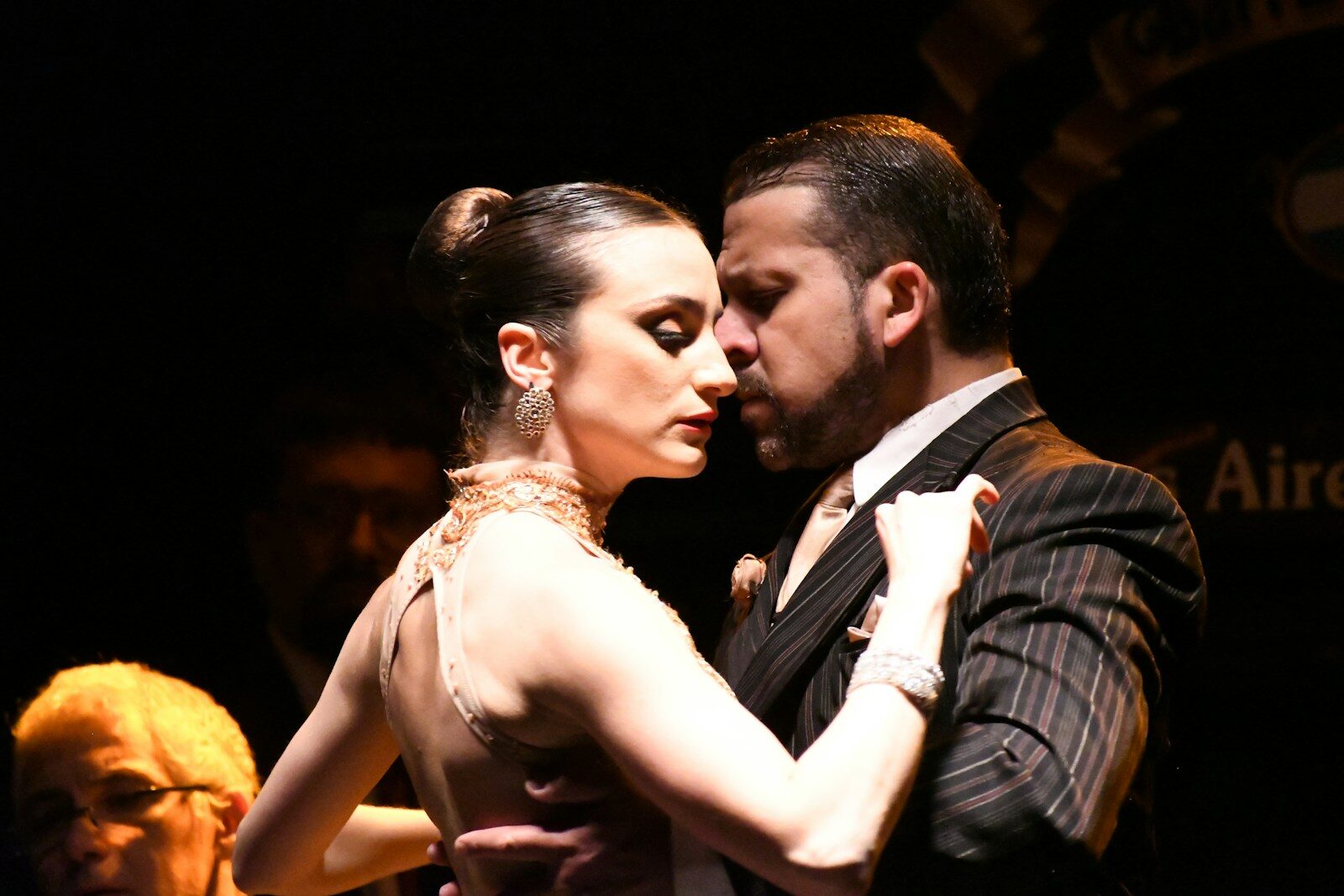
Tango was born in the port districts of Buenos Aires in the late 1800s, in the brothels and bars of La Boca and San Telmo, and it is now UNESCO-listed Intangible Cultural Heritage. The milonga — the social dance hall — is where tango really lives: ordinary Porteños dancing close-embrace until 3 am, not the stage show. Football is close to a religion: Argentina has won three World Cups, and the Superclásico between Boca Juniors and River Plate is one of the fiercest derbies on Earth.
Do: greet with a cheek kiss when introduced; accept mate when offered (and hand the gourd back when you’re done — don’t say “gracias” until your last round); dress up a little for dinner — Porteños are famously stylish; tip 10% in restaurants; learn a little Spanish — effort is rewarded with enormous goodwill. Don’t: rush dinner or expect it before 9 pm; call it “soccer” — it’s fútbol, and it matters; assume the “$” on a price tag means US dollars — it means pesos; photograph people in La Boca’s Caminito without asking; wear a River Plate shirt in La Boca (or a Boca shirt in Núñez) on derby day.
Tipping: 10% in restaurants is customary (in cash — it doesn’t always reach the waiter on a card); taxi and rideshare drivers don’t expect tips, though rounding up is appreciated.
Lifestyle
Buenos Aires daily life is lived late and outdoors. Porteños start the day with a café con leche and medialunas (croissants), work roughly 9–6 with a long lunch, then the city comes alive after dark — parrillas (steakhouses) fill at 10 pm, milongas at midnight, and the bars of Palermo Soho run until dawn. The siesta is real in smaller towns: shops close from about 1–5 pm in the northwest.
Food is a point of national pride. The asado — the barbecue — is a weekly ritual and a point of honour: beef, chorizo, morcilla (blood sausage), and provoleta cheese, cooked slowly over wood coals. Empanadas are the fast food of choice, each region with its own filling. Dulce de leche (caramelised milk) goes on everything, and alfajores — dulce de leche sandwich cookies — are the national snack. And the wine: Mendoza Malbec is world-class and restaurant bottles start at around US$10.
Work culture is relationship-first: meetings start with chat and mate, deadlines flex, and personal connection matters more than punctuality. Nightlife is legendary: Palermo’s cocktail bars, San Telmo’s milongas, and La Boca’s football terraces. Sport is everywhere — football, polo (Argentina dominates the world game), rugby, and horse riding on the estancias. And cinema: Argentina made the world’s first animated feature film, “El Apóstol”, in 1917 — twenty years before Disney’s Snow White. The only copy was lost in a studio fire in 1926.
Main Cities
Buenos Aires — the capital. Grand avenues, tango, steak, and football, with neighbourhoods that feel like different cities: La Boca’s painted tin houses, San Telmo’s antiques and milongas, Palermo’s bars and boutiques, Recoleta’s Parisian elegance, Puerto Madero’s waterfront. Stay in Palermo Soho or Recoleta for first-timers; San Telmo for charm.
Mendoza — the wine capital. At the foot of the Andes, with 1,200+ wineries in Luján de Cuyo, Maipú, and the Uco Valley, plus Aconcagua towering behind. The Vendimia harvest festival in early March is the biggest party in wine country.
Bariloche — the lake district. A Swiss-looking alpine town on Lago Nahuel Huapi, with chocolate shops, ski slopes in winter, and hiking in summer. The gateway to the lakes and the famous Seven Lakes drive to San Martín de los Andes.
El Calafate — the glacier town. A small, pleasant Patagonian town that exists to serve Los Glaciares National Park and the Perito Moreno Glacier, 80 km away. Book ahead in summer — it fills up.
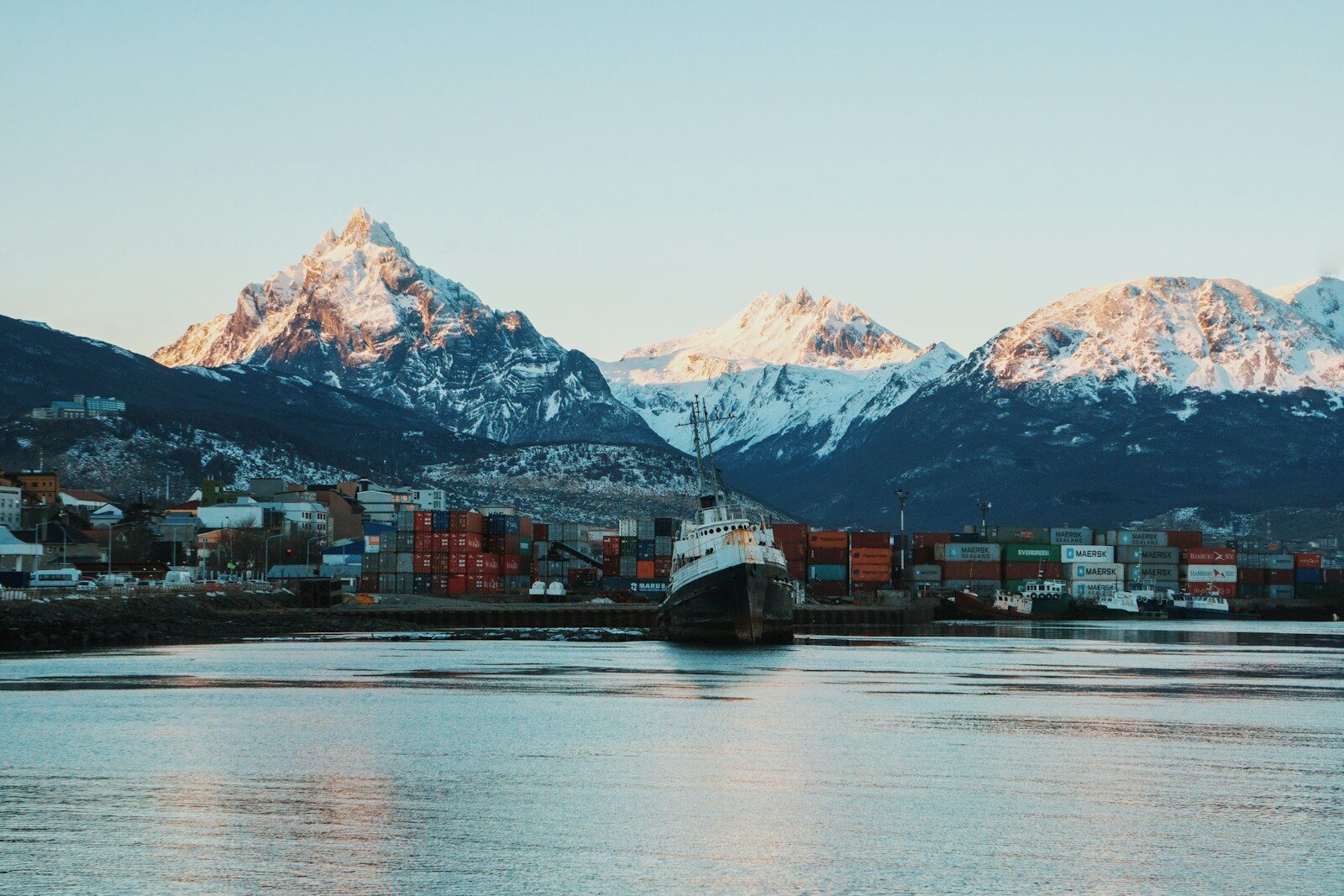
Ushuaia — the end of the world. The southernmost city on Earth, squeezed between the Beagle Channel and snow-capped peaks. The launch point for Tierra del Fuego National Park and Antarctica cruises, and home to the famous End of the World Train.
Salta — the colonial north. A handsome Andean city of Spanish colonial churches, empanadas salteñas, and the gateway to the red-rock Quebrada de Humahuaca, the Cafayate wine valleys, and the high-altitude Salinas Grandes salt flats.
Puerto Iguazú — the falls gateway. A small, relaxed town 18 km from Iguazú National Park, with the Three Frontiers landmark where Argentina, Brazil, and Paraguay meet.
Córdoba — the student city. Argentina’s second city, with Jesuit colonial architecture, a huge student population, and the best nightlife outside Buenos Aires. A good base for the Sierras de Córdoba.
Rosario — the river port. Birthplace of Messi and Che Guevara, on the Paraná River, with a lively waterfront and Argentina’s tallest monument, the National Flag Memorial.
Mar del Plata — the beach city. Argentina’s biggest seaside resort, packed in summer (December–February) when Porteños flee the city heat for the Atlantic coast.
Top Places to Visit
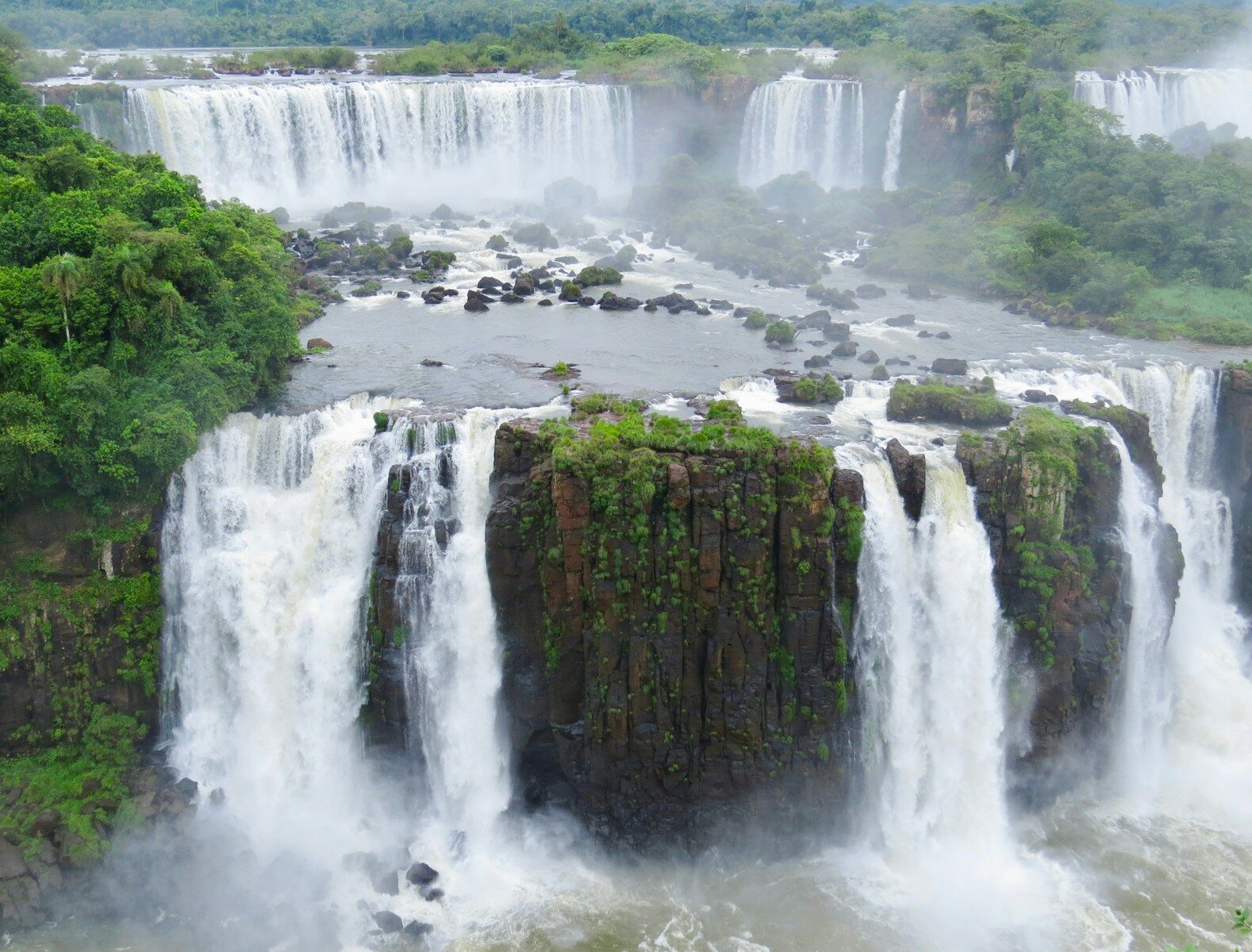
- Iguazú Falls — 275 cascades across 2.7 km of jungle-clad cliff, taller than Niagara and nearly three times wider; the Argentine side gives you the walkways and the Devil’s Throat catwalk, where you stand above a U-shaped abyss of thundering water. Entry ~ARS 48,000 (approx. US$40–45) for foreign adults; second consecutive day 50% off.
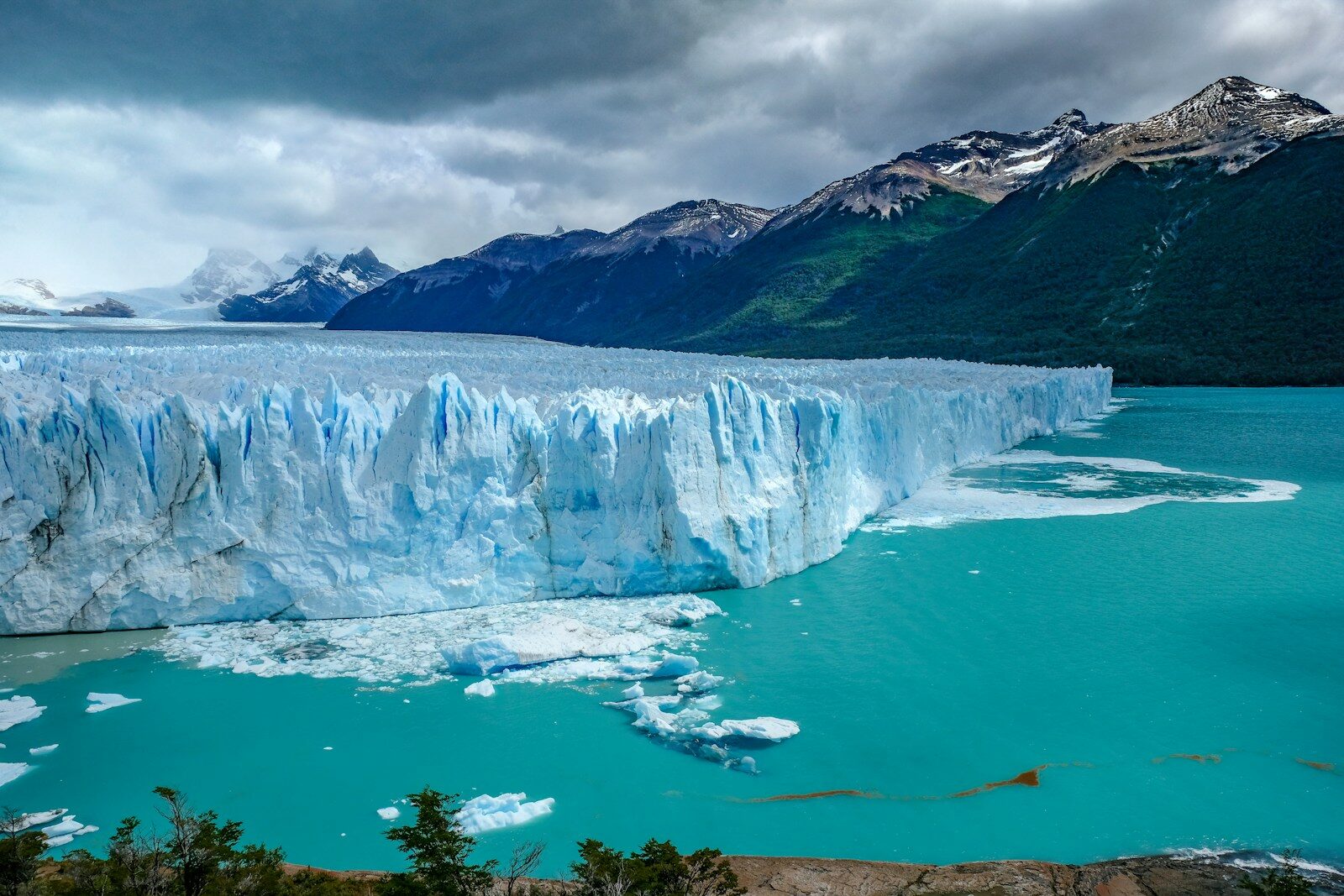
- Perito Moreno Glacier — a 30-km wall of blue-white ice in Los Glaciares National Park that groans, cracks, and calves into Lago Argentino while you watch from 4 km of boardwalks. Entry ARS 50,000 for foreign adults (since June 2026); second day within 72 hours 50% off.
- La Boca & Caminito — Buenos Aires’ most colourful street: tin houses painted in leftover ship paint, tango dancers on the cobbles, and La Bombonera stadium, home of Boca Juniors. Go by day; don’t wander the side streets alone after dark.
- San Telmo — the oldest neighbourhood in Buenos Aires: Sunday antique fair on Plaza Dorrego, milongas in century-old halls, and the best empanadas in the city. The Sunday market is the one to plan around.
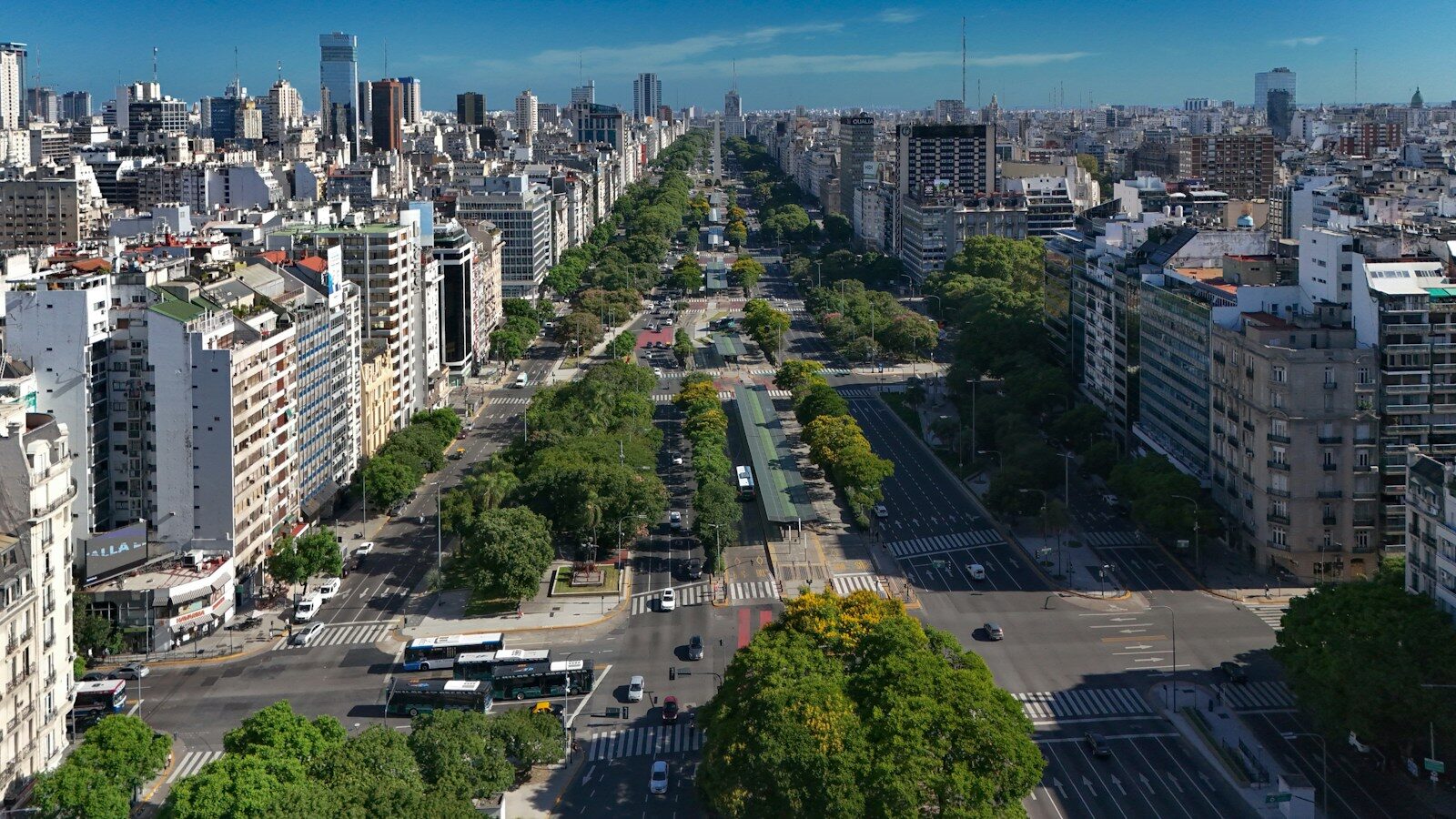
- Avenida 9 de Julio & the Obelisk — the widest avenue on the planet, about 140 metres across with up to 14 lanes; the Obelisk at its centre is the symbol of the city. Cross it at the lights — it takes two cycles.
- El Chaltén & Fitz Roy — Argentina’s trekking capital, a tiny mountain village at the foot of Cerro Fitz Roy. The Laguna de los Tres hike (8–10 hours) is one of the great day hikes on Earth; go November–March.
- Tierra del Fuego National Park — the end of Route 3 at Lapataia Bay, where the Pan-American Highway officially ends. Easy trails, beaver dams, and the famous “End of the World” post office.
- Península Valdés — a UNESCO-listed wildlife reserve where southern right whales calve (June–December), Magellanic penguins nest (September–March), and orcas hunt seals at Punta Norte.
- Quebrada de Humahuaca — a UNESCO-listed Andean valley of red, purple, and green rock, with the Hill of Seven Colours at Purmamarca and the salt flats of Salinas Grandes nearby.
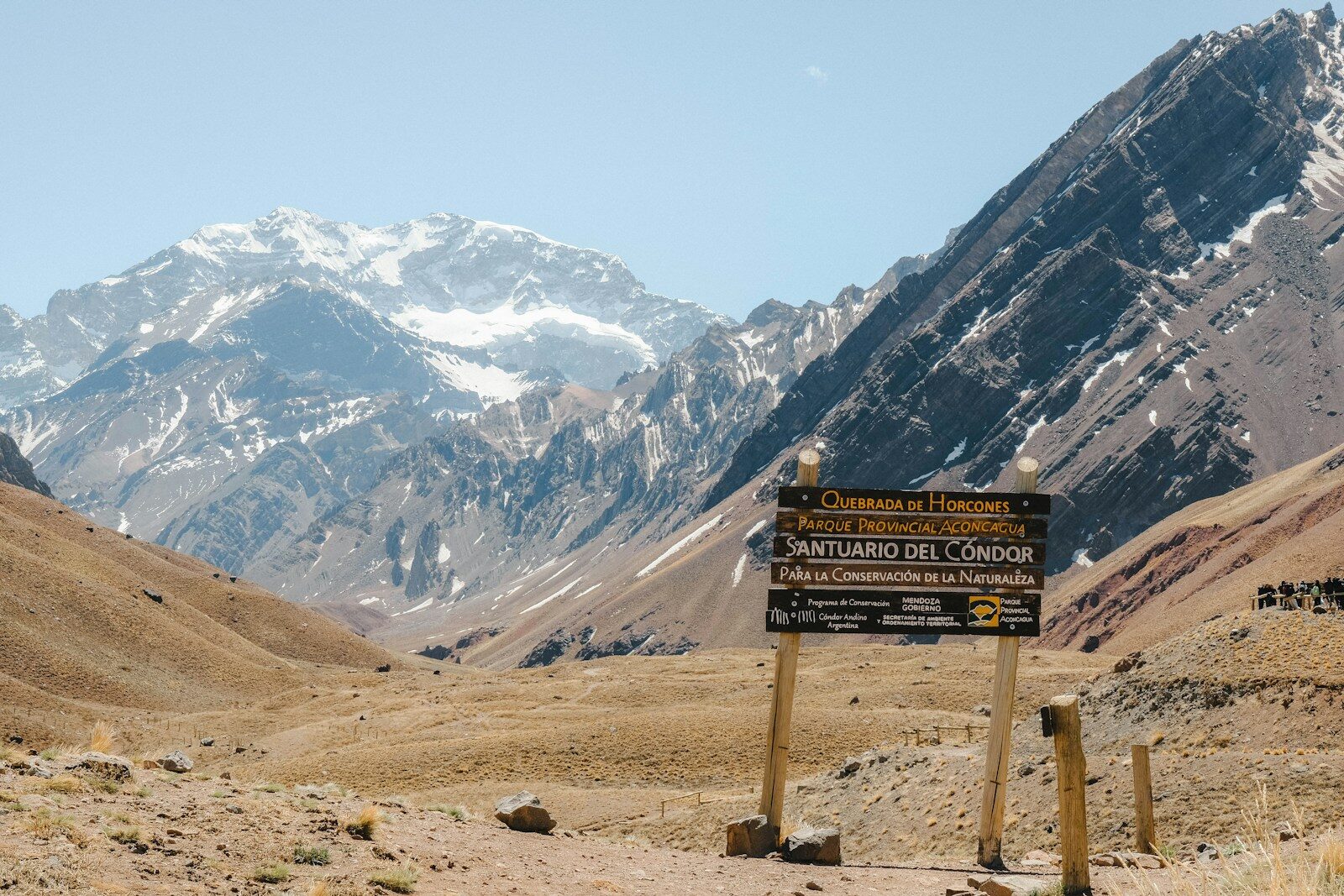
- Aconcagua — at 6,961 m, the highest peak outside Asia. Most visitors see it from the road to the Chilean border or on a day hike to Confluencia base camp; the full summit is a serious expedition.
- Mendoza wine country — bike between wineries in Maipú, taste Malbec in Luján de Cuyo, and drive the Uco Valley at the foot of the Andes. Winery tours from ~US$34.
- Recoleta Cemetery — the marble city of the dead where Eva Perón is buried, with 90+ national monuments and some of the most elaborate tombs in the world. Free to enter; guided tours run daily.
🎟️ Book experiences in Argentina
Tours we’d actually book — free cancellation on most. We may earn a commission if you book through these links, at no extra cost to you. Our affiliate disclosure.
- Piazzolla Tango Show with optional dinner — a night of live tango in the historic Galería Güemes theatre, with a 3-course dinner option. From ~US$28.
- Iguazu Falls full-day tour of both sides — the Argentine walkways and Devil’s Throat in the morning, the Brazilian panorama in the afternoon. From ~US$44.
- Perito Moreno Glacier guided full-day tour from El Calafate — boardwalks, bilingual guide, and an optional boat cruise in front of the ice wall. From ~US$65.
- Browse all Buenos Aires tours & activities
🎟️ More ways to book (Viator)
Two more reader-favorite ways to see Argentina. We may earn a commission if you book through these links, at no extra cost to you. Our affiliate disclosure.
- Tango Porteño show with dinner & transfers — 3-course dinner with unlimited wine, then the big-stage tango show, with hotel pickup and drop-off.
- Café de los Angelitos tango show with optional dinner — one of the city’s classic tango houses, with hotel transfers from downtown Buenos Aires.
When to Visit & Getting Around
When to go: Buenos Aires’ sweet spot is March–May and September–November — 18–25°C, less humid, cheaper hotels, and the jacarandas blooming purple in November. December–February is hot, humid, and festive (many Porteños leave the city, so it’s quieter but stickier). June–August is mild and the cheapest time for the city, though the beach towns are dead.
Patagonia is a different calendar entirely: November–March is the only real window for hiking and glacier visits (long daylight, 10–20°C, but ferocious wind). Outside those months, El Chaltén’s trails close and many lodges shut. Iguazú is year-round, with the falls at their biggest December–February and the most comfortable weather August–October. Mendoza’s Vendimia harvest festival runs in early March — book months ahead. Whale season at Península Valdés is June–December.
Getting there: Buenos Aires’ main international gateway is Ezeiza (EZE), about 45 minutes from the centre; domestic flights use Aeroparque (AEP), much closer in. From North America and Europe, direct flights land at Ezeiza. Domestic flights are essential for a multi-stop trip — Argentina is enormous, and the bus from Buenos Aires to El Calafate takes 36+ hours.
Getting around: fly between regions, don’t drive them. Within Buenos Aires, the Subte (metro) is the only subway in the country — a ride costs about ARS 1,817 with a registered SUBE card (October 2026; fares rise monthly with inflation), and city buses start around ARS 920 for a short ride. Buy a SUBE card at subway stations, tourist centres, or kiosks, and register it for the cheaper fare and transfer discounts. The bus network runs 24 hours and covers the whole city; rideshares (Uber/Cabify) are cheap and the safest way to move at night. Long-distance buses are comfortable and good value for shorter hops (Buenos Aires–Mendoza ~13 hours overnight, Buenos Aires–Iguazú ~18 hours) — but for Patagonia, fly. Rental cars make sense for Mendoza wine country and the Bariloche lakes drive, not inside Buenos Aires.
✈️ Find cheap flights to Argentina — compare fares across airlines and booking sites in one search. We may earn a commission if you book through this link, at no extra cost to you.
🚗 Rent a car in Argentina — worth it for Mendoza’s wine valleys and the Bariloche Seven Lakes drive; skip it inside Buenos Aires, where traffic and parking punish drivers. We may earn a commission if you book through this link, at no extra cost to you.
Budget
Argentina is moderate by international standards — cheaper than Western Europe, pricier than Southeast Asia, and genuinely good value for steak and wine. Prices below are per person per day, in USD at ~ARS 1,450 per dollar (November 2026). Peso prices move fast with inflation, so treat the peso figures in this guide as a snapshot and check the current rate before you travel.
Budget — $45–70/day: hostel dorm ($15–30), empanadas and café lunches ($5–8 per meal), SUBE transit ($1–2), free sights (Recoleta Cemetery, San Telmo market, the Obelisk). Buenos Aires on this budget means hostels in Palermo, cooking some meals, and walking a lot — very doable.
Mid-range — $110–170/day: private room in a good boutique hotel or 3-star ($50–90), parrilla dinners and Malbec ($15–25 per meal), a tango show ($25–60), guided tours and paid entries ($15–40). This is the sweet spot for most travellers: comfortable, no real compromises.
Comfort — $300–500+/day: 5-star hotels in Recoleta or Puerto Madero ($150–350+), private drivers and domestic flights, private tours, Patagonia lodges ($200–400 per night all-inclusive), Antarctica cruise departures from Ushuaia (from ~US$5,000+ for 10 days).
Money-saving truths: steak at a neighbourhood parrilla costs a third of what it does at home — eat beef, not imported food; lunch menus (menú del día) are the best-value meal in Buenos Aires; book Iguazú and Perito Moreno tickets online to skip the queues; domestic flights are cheapest booked 6–8 weeks out; the SUBE card’s transfer discounts add up fast; and if you’re not going for the Vendimia festival, avoid Mendoza in early March when prices spike.
Practical Tips
- Visa first. US, Canadian, EU, UK, and Australian citizens enter visa-free for up to 90 days — a free stamp at the border. Passport must be valid for your whole stay, and you’ll need a return or onward ticket. Always check the official rules for your passport before booking.
- Money: the peso (ARS) is the currency — and it uses the same “$” sign as the US dollar, so always confirm which dollar a price means. Foreign Visa/Mastercard payments get a preferential tourist rate, so tapping your card is now competitive; but carry cash pesos for markets, small towns, and tips. A 10% restaurant service charge is customary and often added to the bill. Bring a few hundred US dollars in clean $100 bills as backup and change them at an official casa de cambio, never on the street.
- Stay safe, stay smart: Buenos Aires is generally safe in tourist areas, but street crime is real — keep your phone in your pocket on the street, don’t wear flashy jewellery, use rideshares at night, and ask your hotel which blocks to avoid after dark. La Boca is fine by day in the Caminito area; don’t wander its side streets alone.
- Connectivity: buy a local SIM (Personal, Movistar, or Claro) at the airport or a shopping mall — data is cheap and coverage is good in cities. WhatsApp is how Argentina communicates: hotels, guides, and restaurants all use it.
- Power plugs: Argentina uses Type C and Type I plugs at 220V — bring a universal adapter and check your device’s voltage range.
- Health: no vaccines are mandatory for most visitors, but yellow fever vaccination is recommended for the Iguazú region — check current advice before you go. Patagonia’s wind and altitude sun burn fast: pack sunscreen and a windproof layer even in summer. Tap water is safe in Buenos Aires but stick to bottled water in smaller towns.
- Emergency numbers: 911 for police, ambulance, and fire. Keep your hotel’s address on your phone for taxi drivers, and save your embassy’s number before you travel.
🛍️ Shop this guide: Argentina packing essentials
Gear we’d actually pack for this trip. As an Amazon Associate we earn from qualifying purchases — at no extra cost to you. Our affiliate disclosure.
- Universal travel adapter — Argentina uses Type C and I plugs at 220V; one adapter covers the whole trip.
- Packable windproof rain jacket — Patagonia’s wind is legendary and the weather turns in minutes, even in summer.
- Yerba mate gourd & bombilla set — join the national ritual properly: the gourd, the straw, and the leaves to fill it with.
- 20,000mAh portable charger — long days, lots of photos, and maps running all day between Buenos Aires and the glaciers.
- Waterproof hiking boots — El Chaltén’s trails and Iguazú’s walkways are both wet underfoot; grip and dry feet matter.
🧳 Plan your trip: Argentina
Flights, stays, tours, and cruises — booked in one place. We may earn a commission if you book through these links, at no extra cost to you. Our affiliate disclosure.
- ✈️ Find cheap flights to Argentina — compare fares across airlines and booking sites in one search.
- 🏨 Book your stay on our Expedia Travel Shop — hand-picked hotels in Buenos Aires, Mendoza, and El Calafate.
- 🎟️ Browse Buenos Aires tours & activities — free cancellation on most.
- 🛳️ South America cruises from Buenos Aires — sail the coast to Patagonia, or board an Antarctica expedition from Ushuaia.
Closing
Argentina doesn’t do small. It does the widest avenue, the tallest mountain outside Asia, the biggest falls system on the continent, and the southernmost city on Earth — all in one country, all in one trip if you’re brave. Start with Buenos Aires’ three days, add Iguazú or Patagonia if you can, and leave a week unplanned for the place Argentina will convince you to visit next. Because Argentina has a habit of doing that: you arrive for the tango and the steak, and you leave already planning the glaciers.
FAQ
How many days do you need for Argentina?
Three days covers Buenos Aires properly. Add two days for Iguazú Falls and three to four for El Calafate and El Chaltén. A week gets you Buenos Aires + Iguazú; two weeks adds Patagonia and Mendoza. Argentina is too big to “do” in one trip — pick a region and do it well.
How much does a trip to Argentina cost?
Budget travellers spend $45–70 a day; mid-range $110–170; comfort $300–500+. A 7-day Buenos Aires + Iguazú trip runs roughly $900–1,400 mid-range excluding international flights. Iguazú entry is ~ARS 48,000 (approx. US$40–45), Perito Moreno ARS 50,000.
Do I need a visa for Argentina?
It depends on your passport. US, Canadian, EU, UK, and Australian citizens enter visa-free for up to 90 days with a free stamp at the border. Always check the official rules for your passport before booking.
When is the best time to visit Argentina?
For Buenos Aires, March–May and September–November — warm, clear, and cheaper. Patagonia is November–March only for hiking and glacier visits. Iguazú is year-round, with the falls at their biggest December–February. Mendoza’s Vendimia harvest festival is in early March.
Is Argentina safe for tourists?
Yes, with street smarts. Buenos Aires’ tourist areas are generally safe in the daytime — keep valuables out of sight, use rideshares at night, and stick to well-travelled areas after dark. La Boca is fine by day around Caminito; don’t wander its side streets alone. Patagonia and Mendoza are very safe.
What language is spoken in Argentina?
Spanish, with the Rioplatense accent — “vos” instead of “tú”, and a “sh” sound for “ll” and “y”. English is limited outside hotels and tours in Buenos Aires, so a few Spanish phrases go a long way.
Keep exploring
- Peru travel guide: Machu Picchu, the Inca Trail, and the Sacred Valley — the Andes next door: Inca stone, high-altitude trails, and a lost city in the clouds.
- Brazil travel guide: Rio in 3 days, Christ the Redeemer to Iguazu Falls — the other half of Iguazú, plus Rio’s beaches and Carnival — the natural next stop after Argentina.
- Mexico travel guide: Mexico City, tacos, temples, and Frida Kahlo — another giant of Latin America, with the same mix of ancient ruins and modern cities.
- Costa Rica travel guide: two coasts, cloud forests, and pura vida — Central America’s wildlife capital, and the same “pick a season” puzzle as Patagonia.
- Spain travel guide: Barcelona vs Madrid, fiesta, and flamenco — the country that shaped Argentina’s language, food, and festivals — and the source of its tango.
[…] Argentina travel guide: Buenos Aires in 3 days + Patagonia — the other half of Patagonia, with the same granite towers, glaciers, and tango — the natural next stop after Chile. […]