 admin
Introduction
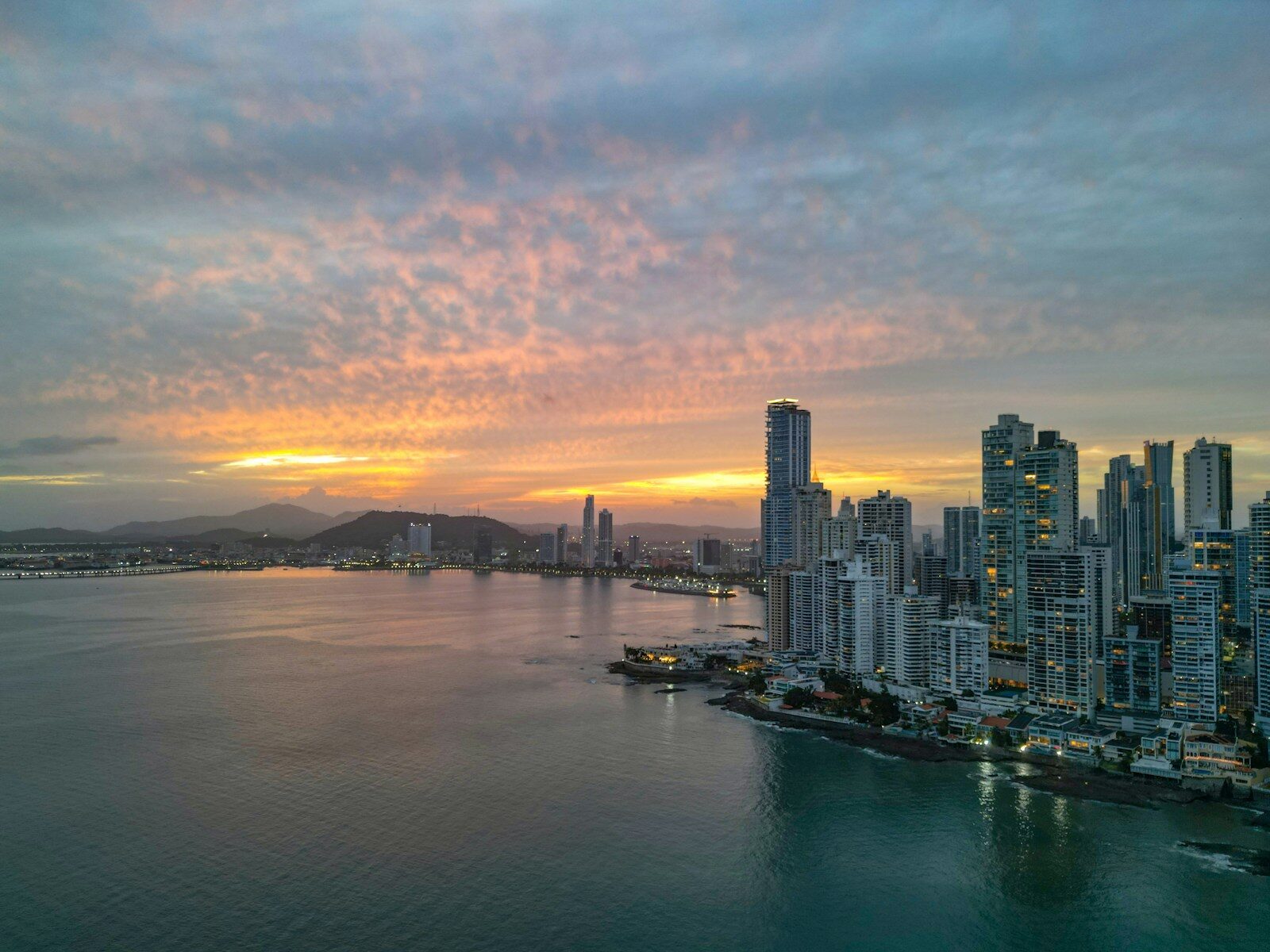
Panama is the shortest shortcut on the planet — and the most surprising country in Central America. A ribbon of land just 80 kilometres wide at its narrowest, it holds one of the greatest engineering feats ever built, a capital city that looks like Miami facing a 350-year-old colonial quarter, 365 Caribbean islands run by an Indigenous nation, coffee that sells for a thousand dollars a pound, and the only place on Earth where you can watch the sun rise over the Pacific and set over the Atlantic.
This guide is built around the classic first trip — two days in Panama City (the canal, Casco Viejo, and the causeway) — and it covers the rest of the country too: the San Blas Islands, Bocas del Toro, Boquete’s coffee highlands, when to go, what it costs, and the practical rules that keep the trip smooth. Panama runs on US dollars, needs no visa for most passports, and is compact enough that a week covers the highlights and two weeks covers the country.
Geography & Climate
Panama is the S-shaped isthmus that joins North and South America, bordered by Costa Rica to the west and Colombia to the east, with the Caribbean Sea to the north and the Pacific Ocean to the south. It covers 75,417 km² — about the size of South Carolina — and its geography bends so sharply that the canal actually runs north-west to south-east: the Atlantic entrance at Colón sits further west than the Pacific entrance at Panama City. That bend is why the sun rises over the Pacific and sets over the Atlantic here, and nowhere else on Earth.
The country divides into three rough bands. The Caribbean lowlands are hot, humid, and jungle-covered, with the San Blas archipelago and Bocas del Toro offshore. The central cordillera runs down the spine — Volcán Barú (3,474 m) in the Chiriquí highlands is the highest point, and on a clear day it is the only summit in Panama from which you can see both oceans. The Pacific side holds the capital, the canal, the Azuero Peninsula’s dry plains, and the surf beaches of Santa Catalina and Pedasí.
Climate is tropical everywhere: 24–32°C on the coasts year-round, cooler in the highlands (Boquete sits around 18°C). There are two seasons, not four — the dry season (December–April) and the rainy season (May–November), when afternoon downpours arrive like clockwork and the highlands turn their greenest. The Caribbean side is wetter than the Pacific; Bocas del Toro can rain in any month. Panama sits south of the hurricane belt, so tropical storms are rare, but the rainy season’s seas can be rough for San Blas boat crossings.
People & Demographics
Panama has about 4.6 million people — one of the smallest populations in the Americas — and nearly half of them live in and around Panama City. The population is majority mestizo (around 65%), with a large Afro-Panamanian community (descended from Caribbean workers who came to build the canal and the railway), Indigenous peoples (about 12%, in seven groups: the Ngäbe, Guna, Emberá, Wounaan, Buglé, Naso, and Bribrí), and a significant European-descended minority. The Guna run Guna Yala (the San Blas Islands) as an autonomous territory with its own government, its own entry fees, and its own rules — a country within a country.
Spanish is the official language, and Panamanian Spanish is relaxed and fast, full of local slang — “¡Qué xopa!” is the local “What’s up?”. English is widely spoken in Panama City’s business and tourism world, and much less so in the interior, where a few phrases pay off fast: “gracias” (thank you), “por favor” (please), “¿cuánto cuesta?” (how much?), “la cuenta, por favor” (the bill, please).
Religion is mostly Roman Catholic (about 70%), and Catholic festivals shape the calendar — Carnival in Las Tablas is the biggest party in the country, and November is one long patriotic month, the Fiestas Patrias, marking independence from Colombia (Nov 3), the first cry of independence (Nov 10), and independence from Spain (Nov 28).
Mini phrasebox: Hola (hello) · Buenos días (good morning) · Gracias (thank you) · Por favor (please) · ¿Cuánto cuesta? (how much does it cost?) · La cuenta, por favor (the bill, please) · ¿Dónde está…? (where is…?) · No hablo español (I don’t speak Spanish) · ¡Qué xopa! (what’s up?) · Tranquilo (relax / no worries).
Culture, Etiquette & Daily Habits
Panama runs on “tranquilo” — a laid-back, unhurried rhythm that visitors from faster countries need a day to adjust to. Greetings are warm: a handshake on introduction, a cheek kiss between acquaintances. Personal space is closer than in North America, and small talk comes before business — a meeting that starts with five minutes of chat is a meeting that will go well. Dress is casual by day (the heat demands it) and smarter in the evening in Panama City — the guayabera, the loose embroidered shirt, is the formal shirt of the tropics, and it counts as dressed up.
Food is the culture. The national dish is sancocho, a hearty chicken soup with yam and corn that Panamanians swear cures everything. Ceviche is everywhere on both coasts, arroz con pollo is the Sunday family lunch, patacones (fried green plantain) come with everything, and hojaldras (fried dough) are the breakfast of choice. The fonda — the small, family-run lunch counter — is where Panama eats: a full set lunch for US$3–6. And the coffee: Panama’s Geisha, grown in Boquete’s volcanic soil, is among the most expensive coffees on Earth, selling for over US$1,000 a pound at auction.
Music is a point of national pride. Panama claims a key role in the birth of reggaetón — the “reggae en español” that started in Panama City’s barrios before it conquered the world — and the tamborito, the national folk dance with drums and swirling pollera skirts, is still performed at every festival. Salsa is the soundtrack of the bars; the pollera, the hand-embroidered national dress, takes a year to make and costs thousands of dollars.
Do: greet everyone when you enter a small shop or fonda; agree taxi fares before you get in (taxis aren’t metered); bring cash in small bills — many small businesses can’t break $50 or $100 notes; respect Guna rules in San Blas (ask before photographing people, and remember you are a guest in their territory).
Don’t: call the country part of South America in a bar argument — Panamanians will happily explain the isthmus; photograph Guna people without asking; expect punctuality on island time — the boat leaves when it leaves; wear swimwear away from the beach in town.
Tipping: 10% in restaurants is customary (check whether it’s already added). Taxi drivers don’t expect tips, though rounding up is appreciated. Tour guides: US$5–10 a day is the norm.
Lifestyle
Daily life in Panama is lived outdoors and late. Breakfast is early and fried (hojaldras, eggs, coffee). Lunch is the main meal, taken seriously and unhurried. Dinner is late (8–9 pm), and Panama City comes alive after dark — Casco Viejo’s rooftop bars looking back at the skyline, the Cinta Costera waterfront full of joggers and families, the fish market at dawn. The cities are tech-savvy — Panama City has the only metro in Central America, and the Tocumen airport is the best-connected hub in the Americas — but the rhythms are still Latin: long lunches, late nights, and a weekend that starts on Friday afternoon.
Work culture is relationship-first: meetings start with chat, deadlines flex, and personal connection matters. Sport is everywhere: football is the national obsession (Panama’s first World Cup appearance was Russia 2018), baseball is the other national game (Panama has produced a string of Major League stars), and surfing is a way of life on both coasts — Santa Catalina on the Pacific, Bocas del Toro on the Caribbean.
And the canal is never far from daily life. One in ten Panamanians works in something connected to it, and the canal’s revenue — about US$6.6 billion in the 2026 fiscal year — funds a visible share of the country’s roads, schools, and metro lines. The country is small enough that the canal feels personal: everyone knows someone who works on it.
Main Cities
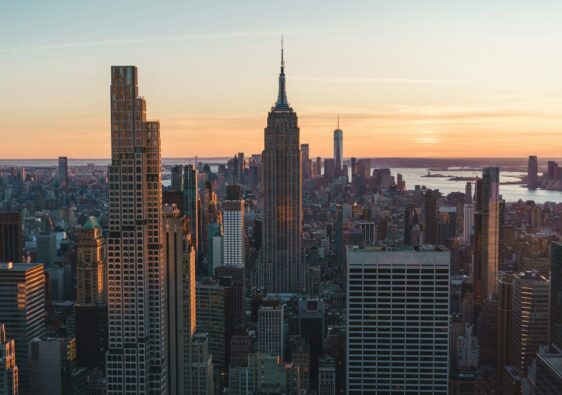
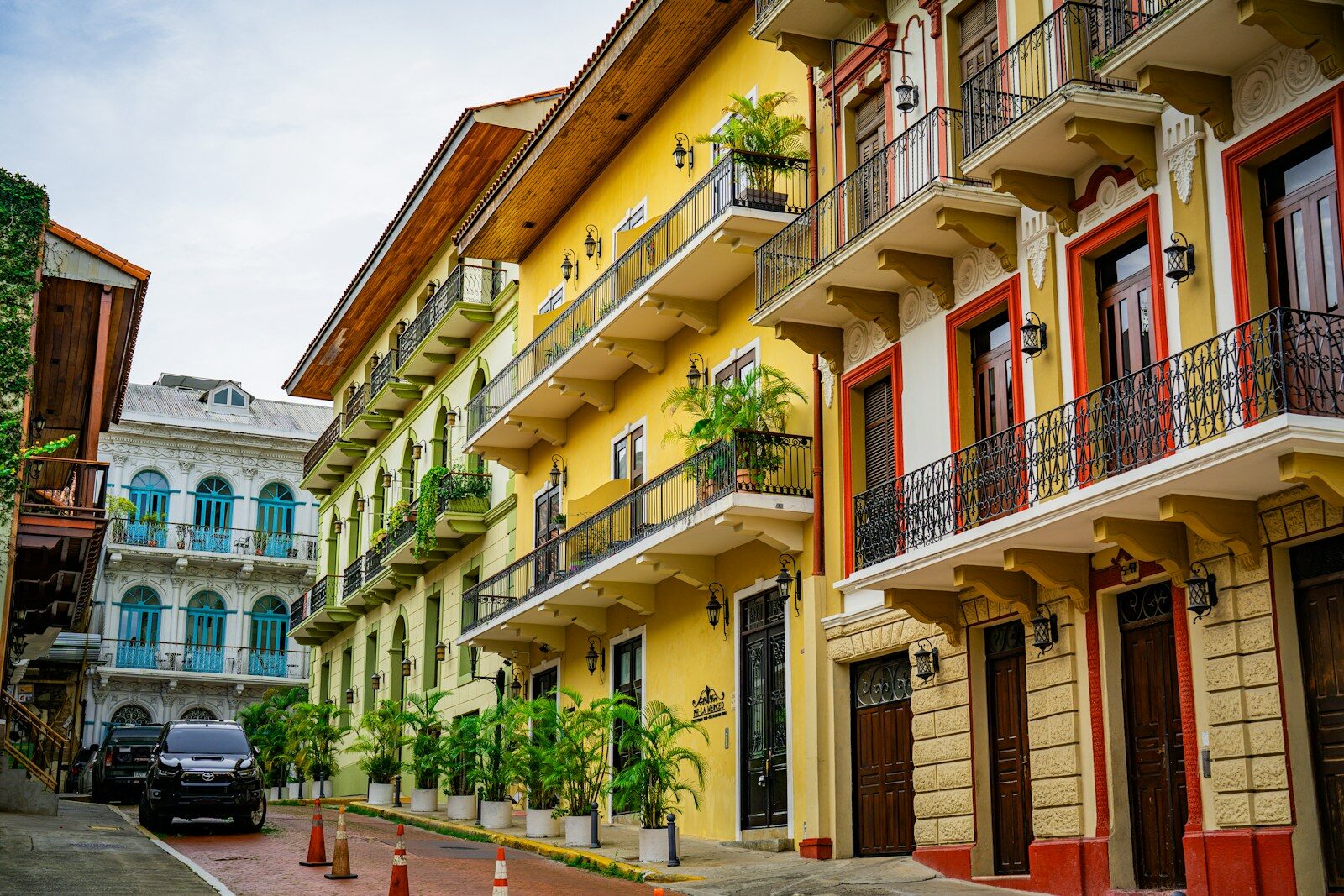
- Panama City — the capital and the only real city, with a skyline that looks like Miami, a metro, and a 350-year-old colonial quarter (Casco Viejo) facing it across the bay. The canal, the causeway, the Biomuseo, and the fish market are all here. Two days minimum; three is comfortable.
- Colón — the Atlantic-side port city at the canal’s Caribbean entrance, home to the Agua Clara Locks and the Gatun Locks. The city itself is flagged on travel advisories — visit the locks with a tour, not the city on foot.
- David — the Chiriquí highlands’ commercial hub and the gateway to Boquete, an hour away by bus. Hot, practical, and the base for Volcán Barú hikes.
- Boquete — the cool mountain town (18–22°C) of coffee farms, cloud forest, and hiking trails. The expat and coffee-tour capital of Panama, and the base for the Volcán Barú sunrise hike.
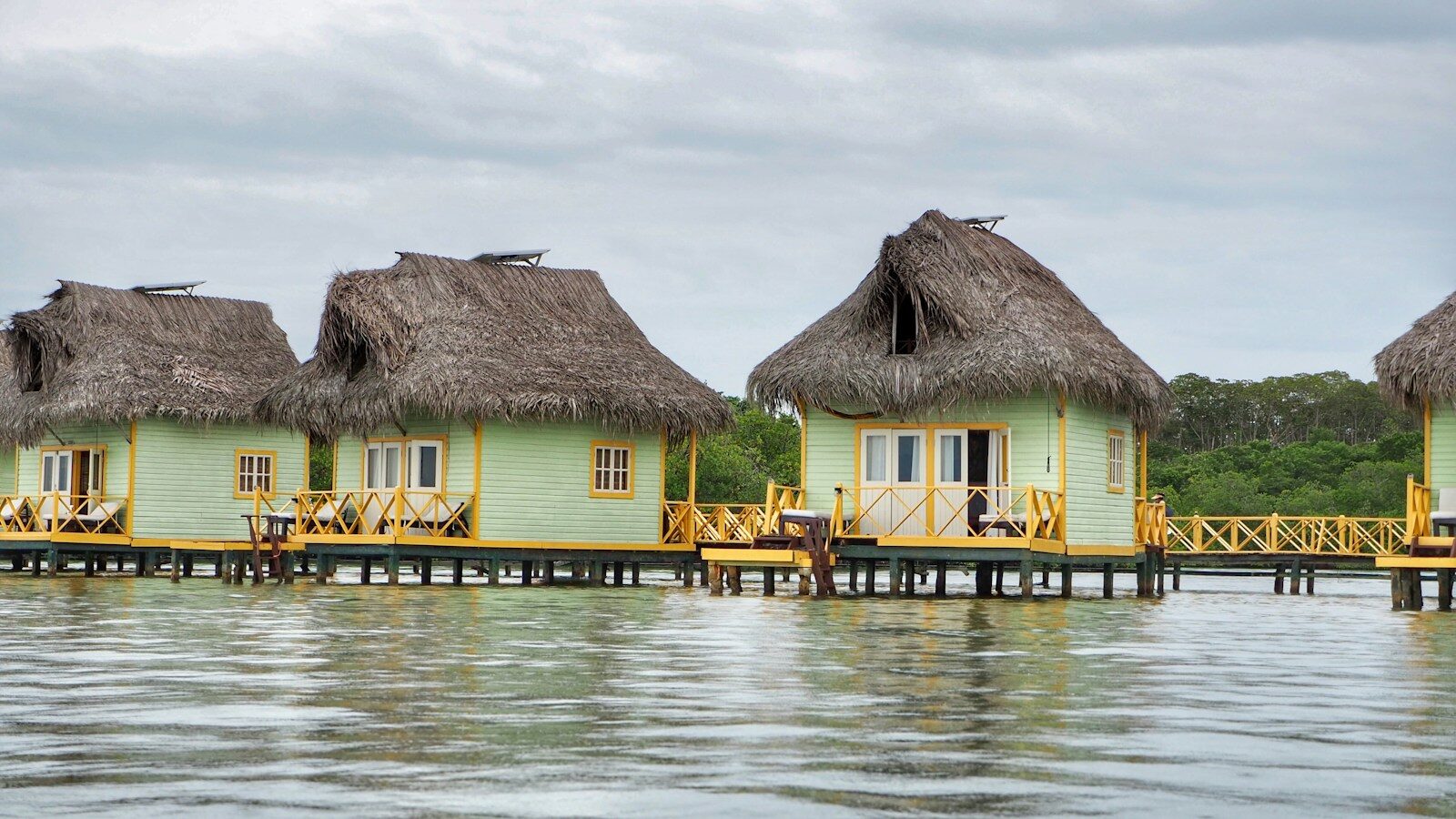
- Bocas del Toro (Bocas Town) — the Caribbean archipelago’s main town, built on stilts over the water, with a slow, surf-and-reggae rhythm, water taxis between islands, and the best snorkelling on the Caribbean side.
- Santiago de Veraguas — the mid-country market town on the Pan-American Highway, the usual stop between the capital and the Azuero Peninsula.
- Chitré — the Azuero Peninsula’s main town, the heartland of Panamanian folklore, polleras, and the tamborito — and the base for the peninsula’s dry-season beaches.
- Las Tablas — the Carnival capital. For two days a year (February/March) it is the loudest town in Panama; the rest of the year it is a sleepy Azuero town.
- El Valle de Antón — a village inside a volcanic crater, an hour and a half from the capital, with a Sunday market, orchid gardens, and the famous sleeping-Indian mountain silhouette.
- Portobelo — the ruined Caribbean port where Spanish treasure fleets once loaded silver, now a sleepy town with a UNESCO-listed fort and some of the best diving on the coast.
Top Places to Visit
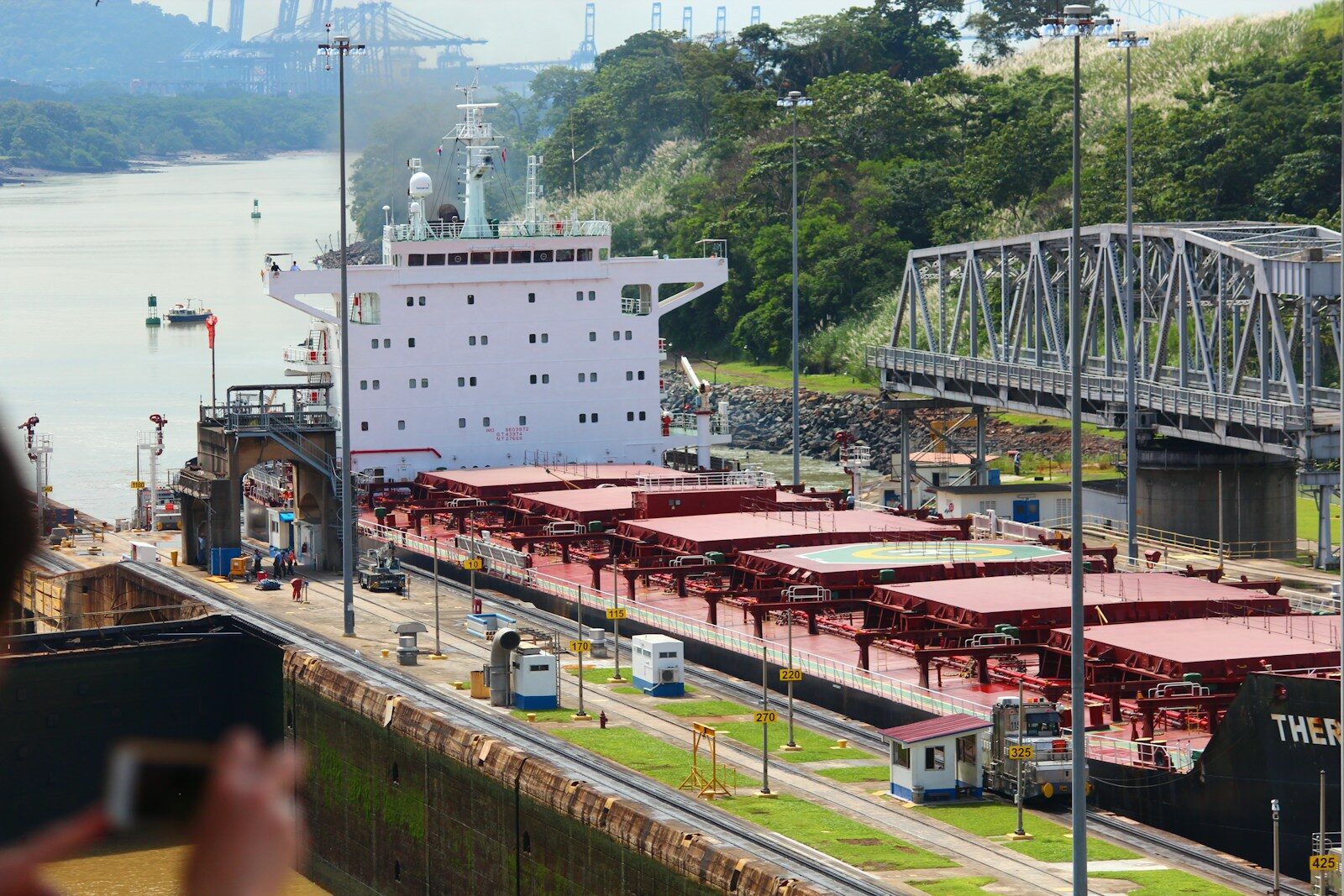
- Panama Canal — Miraflores Locks — the visitor centre where you watch giant ships rise and fall 26 metres in the locks; best 8–9 am and 2–4 pm. Entry US$17.22 for foreign adults. Note: under renovation until 2027, some areas altered.
- Panama Canal — Agua Clara Locks — the Atlantic-side expansion locks, the only place to see Neopanamax ships crossing. Entry US$10.
- Casco Viejo — the restored colonial quarter: Plaza de la Independencia, the Metropolitan Cathedral, rooftop bars, and the sea wall at sunset.
- Panamá Viejo — the ruins of the original 1519 city, sacked by pirates in 1671, with a climbable cathedral tower.
- Amador Causeway & Biomuseo — the causeway built from canal-excavated rock, with Frank Gehry’s rainbow-coloured museum, bike rentals, and the best skyline views in the city.
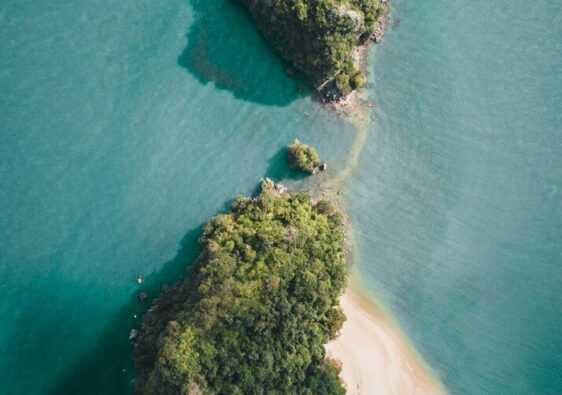
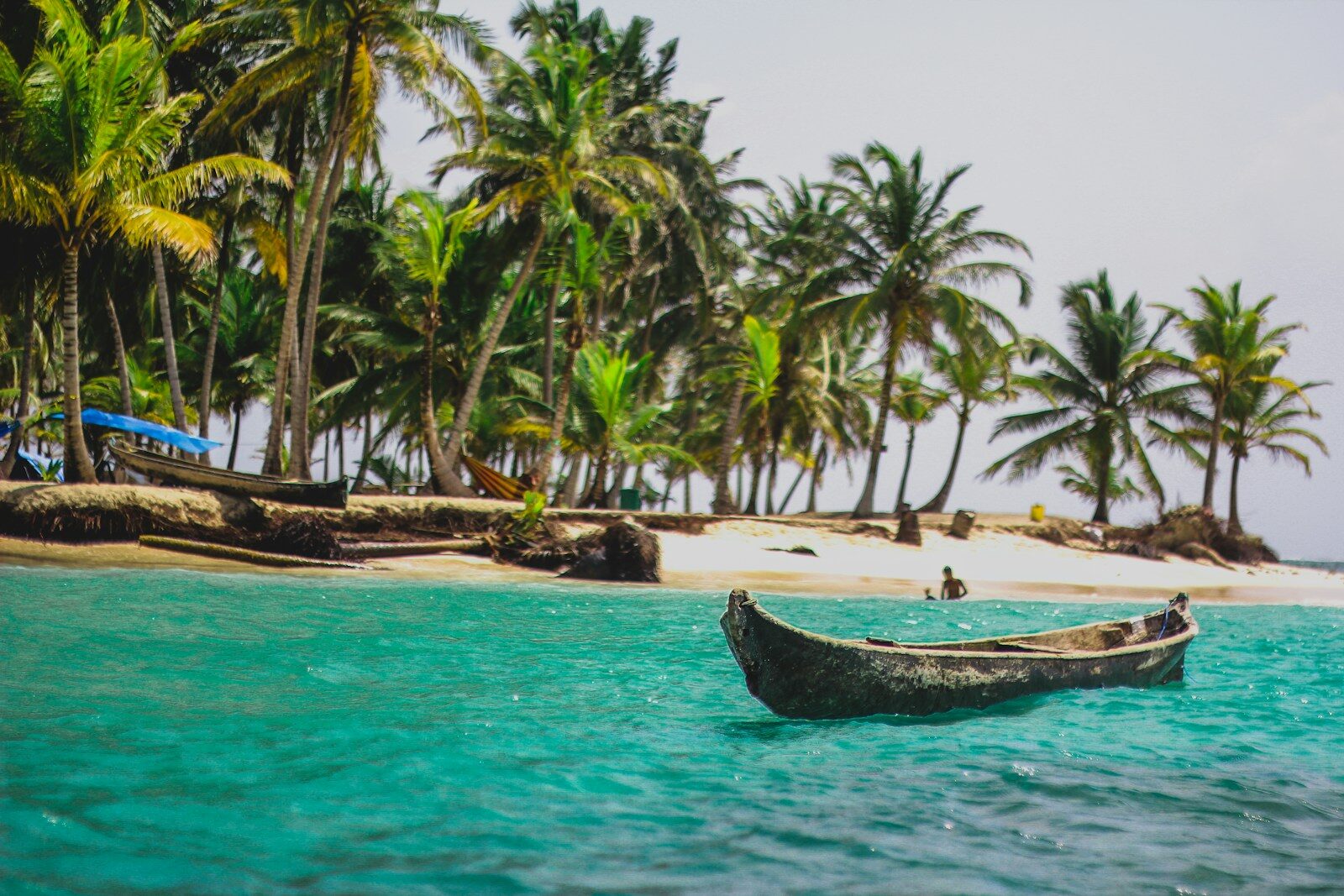
- San Blas Islands (Guna Yala) — 365 palm islands, one for every day of the year, run by the Guna people. Day trips from the capital (~US$145) or multi-day sailing trips.
- Bocas del Toro — Red Frog Beach, Starfish Beach, and the Zapatilla Cays; surf, snorkel, and slow island days.
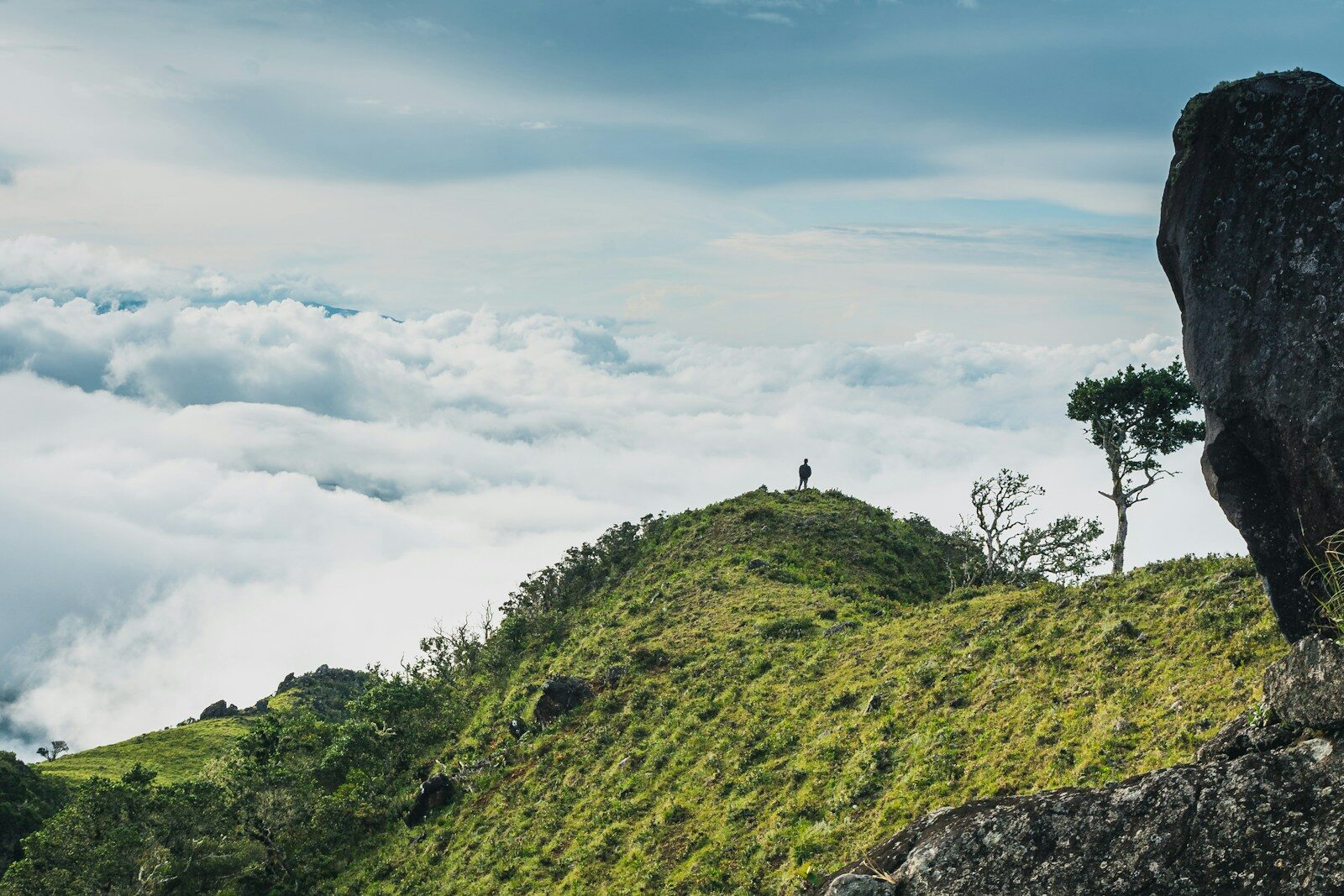
- Volcán Barú — the 3,474 m sunrise hike from Boquete, the only summit in Panama where you can see both oceans on a clear day.
- Boquete coffee farms — Geisha coffee tours and tastings in the Chiriquí highlands.
- Coiba National Park — the UNESCO-listed former penal colony island, now one of the best dive sites in the eastern Pacific.
- El Valle de Antón — crater village, Sunday market, and the Canopy Adventure zipline.
- Portobelo & Isla Grande — colonial forts, Afro-Caribbean culture, and coral reefs an hour and a half from the capital.
🎟️ Book experiences in Panama
Tours we’d actually book — free cancellation on most. We may earn a commission if you book through these links, at no extra cost to you. Our affiliate disclosure.
- Panama Canal: Miraflores Locks and Canal Zone – Private Tour — five hours with a private guide: the Miraflores Locks in operation, the Pedro Miguel Locks, the Culebra Cut, the Canal Administration Building, and the Amador Causeway.
- From Panama City: San Blas Islands Tour with Island Hopping — three islands and the Natural Pool in 14 hours, snorkelling a shipwreck off Isla Perro, lunch and a drink included, transfers from the city. From ~US$145.
- Browse all Panama City tours & activities
🎟️ More ways to book (Viator)
Two more reader-favorite ways to see the canal — a private locks tour and a ride through the locks themselves. We may earn a commission if you book through these links, at no extra cost to you. Our affiliate disclosure.
- Panama Canal Tour: Miraflores Locks and Canal Zone — a private 4–5 hour tour of the Miraflores and Pedro Miguel Locks, the Canal Zone, and the Amador Causeway, with hotel pickup. Rated 4.9 from 46 reviews. From ~US$120.
- Panama Canal Partial Transit – Official Operator — six hours aboard the Pacific Queen, riding through the Miraflores and Pedro Miguel Locks yourself, with lunch and drinks included. Rated 4.7 from 256 reviews. From ~US$165.
When to Visit & Getting Around
When to go: the dry season, December–April, is the best window — the most stable weather, the calmest seas for San Blas, and the best hiking in Boquete. December to mid-January and Holy Week (Semana Santa) are also the local high season, so expect more people and higher prices; the shoulder weeks either side are noticeably calmer. The rainy season (May–November) brings afternoon downpours and greener highlands, and it is the best time for surfers on the Pacific side. Carnival in Las Tablas (February/March) and the Fiestas Patrias in November are the festivals to catch — book months ahead for Carnival.
The 2-day Panama City itinerary: Day 1 — arrive, check into Casco Viejo or the banking district, and spend the morning at the Miraflores Locks (busiest ship traffic 8–9 am), then the Amador Causeway and the Biomuseo in the afternoon, and dinner on a Casco Viejo rooftop as the skyline lights up. Day 2 — morning walking tour of Casco Viejo (Plaza de la Independencia, the cathedral, the sea wall), lunch at the fish market (Mercado de Mariscos — the ceviche is the best deal in the city), then the Metropolitan Natural Park for a rainforest walk inside the city limits, or a half-day partial canal transit by boat. With a third day, add the Agua Clara Locks on the Atlantic side, or a day trip to El Valle de Antón.
Getting there: Tocumen International Airport (PTY) is the gateway, 25–30 km east of downtown — one of the best-connected hubs in the Americas, with direct flights across North and South America and from Europe. A taxi to the city costs US$25–49; the metro costs US$0.85 but takes 60–90 minutes with a long walk and transfers, so it is not realistic with luggage.
Getting around: fly between regions, use local transport inside them. In Panama City, the Metro is clean, fast, and cheap — Line 1 costs US$0.35, Line 2 US$0.50, a transfer US$0.85, paid with a reloadable US$2 card (cash doesn’t work at the turnstiles). It doesn’t reach Casco Viejo — the nearest station is 5 de Mayo, a 15–20 minute walk. Taxis are not metered — agree the fare by zone before you get in — and Uber and Cabify work in the city. The Panama Canal Railway runs coast to coast, Panama City to Colón, in about an hour (~US$25 one way) and is one of the great train rides in the Americas. Domestic flights (Air Panama) link the capital to Bocas del Toro and David in about an hour. Buses between cities are cheap and frequent along the Pan-American Highway; the bus from Panama City to Boquete takes about 7 hours, so fly to David and take the hour-long bus instead. San Blas is reached only on organised transport: a 4×4 from Panama City at around 5 am, then a boat — and the Guna entry fee (US$22 for international visitors) is paid in cash on arrival.
✈️ Find cheap flights to Panama — compare fares across airlines and booking sites in one search. We may earn a commission if you book through this link, at no extra cost to you.
🚗 Rent a car in Panama — worth it for Boquete, El Valle, and the Azuero Peninsula; skip it inside Panama City, where traffic and parking are a fight. We may earn a commission if you book through this link, at no extra cost to you.
Budget
Panama is pricier than its Central American neighbours — Panama City especially — but the interior, the highlands, and the fonda lunch counters keep it very doable. Prices below are per person per day, in US dollars (Panama runs on dollars, so there is no exchange rate to watch).
Budget — $30–50/day: hostel dorm ($10–20), fonda set lunches ($3–6), sancocho ($4–6), the metro (under $1 a ride), free sights (the Casco Viejo sea wall, the Cinta Costera, the Metropolitan Natural Park trails). A week on this budget means hostels, fondas, and walking a lot — very doable.
Mid-range — $70–130/day: private room in a good 3-star hotel ($50–90), restaurant dinners ($12–25), a San Blas day trip (~$145), a Boquete coffee farm tour ($25–50), and a domestic flight to Bocas del Toro. This is the sweet spot for most travellers: comfortable, no real compromises.
Comfort — $160+/day: boutique hotels inside Casco Viejo ($120–300), private drivers and domestic flights, private canal tours, and the best Geisha coffee tastings. A multi-day San Blas sailing trip is the splurge version of a beach day.
Money-saving truths: the fonda is the single biggest saving in Panama — a full set lunch for US$3–6; the fish market ceviche is the cheapest great meal in the capital; the metro costs less than a dollar a ride; book domestic flights early (Air Panama’s small planes fill up); and stay in El Cangrejo or the banking district instead of inside Casco Viejo — same city, half the price.
Practical Tips
- Visa and entry first. US, Canadian, EU, UK, and Australian citizens enter visa-free — up to 180 days for US and Canadian passports, up to 90 days for most others. You need a passport valid for at least three months, proof of onward travel, and proof of at least US$500 in funds (airlines check the onward ticket). The overstay fine is B/.50 per month.
- Money: Panama runs on US dollars — the balboa exists only as coins, worth exactly the same as US coins. Cards are accepted almost everywhere in Panama City, but carry cash in small bills for markets, fondas, taxis, and San Blas (the Guna entry fee is cash only, and many small businesses can’t break $50 or $100 notes). ATMs are everywhere in the city.
- The canal’s timing matters. Ships pass the Miraflores Locks most reliably in the morning (8–9 am) and mid-afternoon (2–4 pm). Arrive outside those windows and you may watch an empty lock. The visitor centre is under renovation until 2027, so some areas are altered — check before you go.
- San Blas is not a resort. It is Guna territory, reached by 4×4 and boat on organised trips, with basic cabins or hammocks, no ATMs, and no card payments. Bring cash, sunscreen, and a dry bag — and respect Guna rules: ask before photographing people, and remember the islands are their home, not a theme park.
- Stay safe, stay smart: check your government’s travel advisory before you go — the main tourist areas are well-travelled, but Colón city is flagged, so visit the Atlantic-side locks with a tour rather than wandering the city. In Panama City, keep your phone in your pocket on the street at night, use registered taxis or apps, and ask your hotel which blocks to avoid after dark.
- Connectivity: buy a local SIM at the airport or a shopping mall — data is cheap and coverage is good in the cities and along the highway. WhatsApp is how Panama communicates: hotels, guides, and restaurants all use it. Download offline maps for Boquete and San Blas, where signal drops.
- Emergency numbers: 911 is the national emergency number (police, ambulance, fire). Power plugs are Type A and B at 110V — the same as North America, so US and Canadian travellers need no adapter. The tropical sun burns fast and the humidity dehydrates you: pack high-SPF sunscreen and a water bottle even on cloudy days.
🛍️ Shop this guide: Panama packing essentials
Gear we’d actually pack for this trip. As an Amazon Associate we earn from qualifying purchases — at no extra cost to you. Our affiliate disclosure.
- Spanish phrasebook for travellers — English fades fast outside Panama City, and a few phrases open every door in Boquete and the Azuero.
- Reef-safe sunscreen SPF 50 — the tropical sun burns fast, and the San Blas and Bocas reefs thank you for skipping the oxybenzone.
- Packable rain jacket — the rainy season’s afternoon downpours arrive fast, even in the dry season’s shoulder weeks; a jacket that fits in a daypack is the answer.
- Waterproof dry bag — the San Blas boat crossings are wet and bumpy, and your phone, passport, and cash will thank you.
- 20,000mAh portable charger — long island days, lots of photos, and no power on a San Blas islet.
🧳 Plan your trip: Panama
Flights, stays, tours, and cruises — booked in one place. We may earn a commission if you book through these links, at no extra cost to you. Our affiliate disclosure.
- ✈️ Find cheap flights to Panama — compare fares across airlines and booking sites in one search.
- 🏨 Book your stay on our Expedia Travel Shop — hand-picked hotels in Panama City, Casco Viejo, and Boquete.
- 🎟️ Browse Panama City tours & activities — free cancellation on most.
- 🛳️ Panama Canal transit cruises — sail the canal itself, or board a Caribbean cruise from Colón.
Closing
Panama doesn’t ask you to believe the shortcut story — it shows you. A canal that lifts ships over a mountain range of water, a colonial quarter facing a glass skyline across the same bay, 365 islands that belong to the people who have always lived there, and coffee that costs more per pound than most people’s dinner. Start with two days — the canal, Casco Viejo, and the causeway — and leave a week unplanned for the place Panama will convince you to visit next. Because Panama has a habit of doing that: you arrive for the canal, and you leave already planning San Blas.
FAQ
How many days do you need for Panama?
Two days covers the classic first trip: the canal and Casco Viejo in Panama City. Add two days for San Blas, two for Boquete, and two for Bocas del Toro. Seven to ten days covers the highlights; two weeks covers the country properly.
How much does a trip to Panama cost?
Budget travellers spend $30–50 a day; mid-range $70–130; comfort $160+. A 7-day Panama City + San Blas + Boquete trip runs roughly $700–1,200 mid-range excluding international flights. The San Blas day trip (~$145) and domestic flights are the big extras.
Do I need a visa for Panama?
It depends on your passport. US, Canadian, EU, UK, and Australian citizens enter visa-free — up to 180 days for US and Canadian passports, up to 90 days for most others. You need a passport valid for at least three months, proof of onward travel, and proof of at least US$500 in funds. Always check the official rules for your passport before booking.
When is the best time to visit Panama?
The dry season, December–April, brings the most stable weather — best for San Blas, Bocas del Toro, and hiking. The rainy season (May–November) is greener and quieter, and the best time for Pacific surf. Avoid the wettest months if you want calm seas for San Blas.
Is Panama safe for tourists?
The main tourist areas — Casco Viejo, Panama City’s modern districts, Bocas del Toro, Boquete, and San Blas — are well-travelled and safe with normal street smarts. Colón city is flagged on advisories, so visit the Atlantic-side locks with a tour. Keep valuables out of sight, use registered taxis or apps at night, and stick to established routes.
What language is spoken in Panama?
Spanish, with the relaxed Panamanian accent and local slang like “¡Qué xopa!” (what’s up?). English is widely spoken in Panama City’s business and tourism world, and much less so in the interior — a few Spanish phrases go a long way. The Guna, Ngäbe, and Emberá peoples also speak their own Indigenous languages.
Keep exploring
- Colombia travel guide: Cartagena + Medellín in 7 days — Colombia’s two faces — the neighbour next door, with the same two-ocean puzzle — Caribbean on one side, Pacific on the other — and the walled city of Cartagena.
- Costa Rica travel guide: two coasts, cloud forests, and pura vida — the neighbour on the other side, Central America’s wildlife capital, and the natural next stop after Panama’s highlands.
- Mexico travel guide: Mexico City, tacos, temples, and Frida Kahlo — another giant of Latin America, with the same mix of ancient ruins, colonial cities, and modern life.
- Brazil travel guide: Rio in 3 days, Christ the Redeemer to Iguazu Falls — South America’s other giant, with Rio’s beaches and Carnival — and the far side of the continent from Panama City.
- Peru travel guide: Machu Picchu, the Inca Trail, and the Sacred Valley — the Andes next door, with Inca stone, high-altitude trails, and a lost city in the clouds.