 admin
Introduction
Chile is the country that should not work — a ribbon of land so long and so thin that it holds the driest desert on Earth at one end and the glaciers of Patagonia at the other, with world-class wine valleys, rainbow port cities, and the most remote inhabited island on the planet in between. It is 4,300 kilometres long and barely 180 kilometres wide, and it packs nine different climates into that single strip.
Most travellers come for one of two things: the Atacama Desert in the far north, with the clearest night sky on Earth, or Torres del Paine in the far south, with granite towers rising over turquoise lakes. Both are worth the journey. But Chile rewards the traveller who connects them — a few days in Santiago, a wine valley or two, a night under the stars in San Pedro de Atacama, and the colourful hills of Valparaíso on the way home.
This guide is built around the Atacama as the centrepiece — a four-day stargazer’s itinerary — with the rest of the country layered in: when to go where, what it costs, and the practical rules that keep the trip smooth.
Geography & Climate
Chile is the longest country on Earth from north to south: about 4,300 km from its border with Peru to the tip of Patagonia, and on average just 177–180 km wide — at its narrowest, near Illapel, it is only about 90 km from the Pacific to the Argentine border. The Andes run the entire eastern edge, the Pacific runs the entire western edge, and almost everything Chileans do happens in the thin strip between them. The country covers roughly 756,000 km², and it holds territory on three continents: South America, Oceania (Rapa Nui, or Easter Island), and a claim in Antarctica.
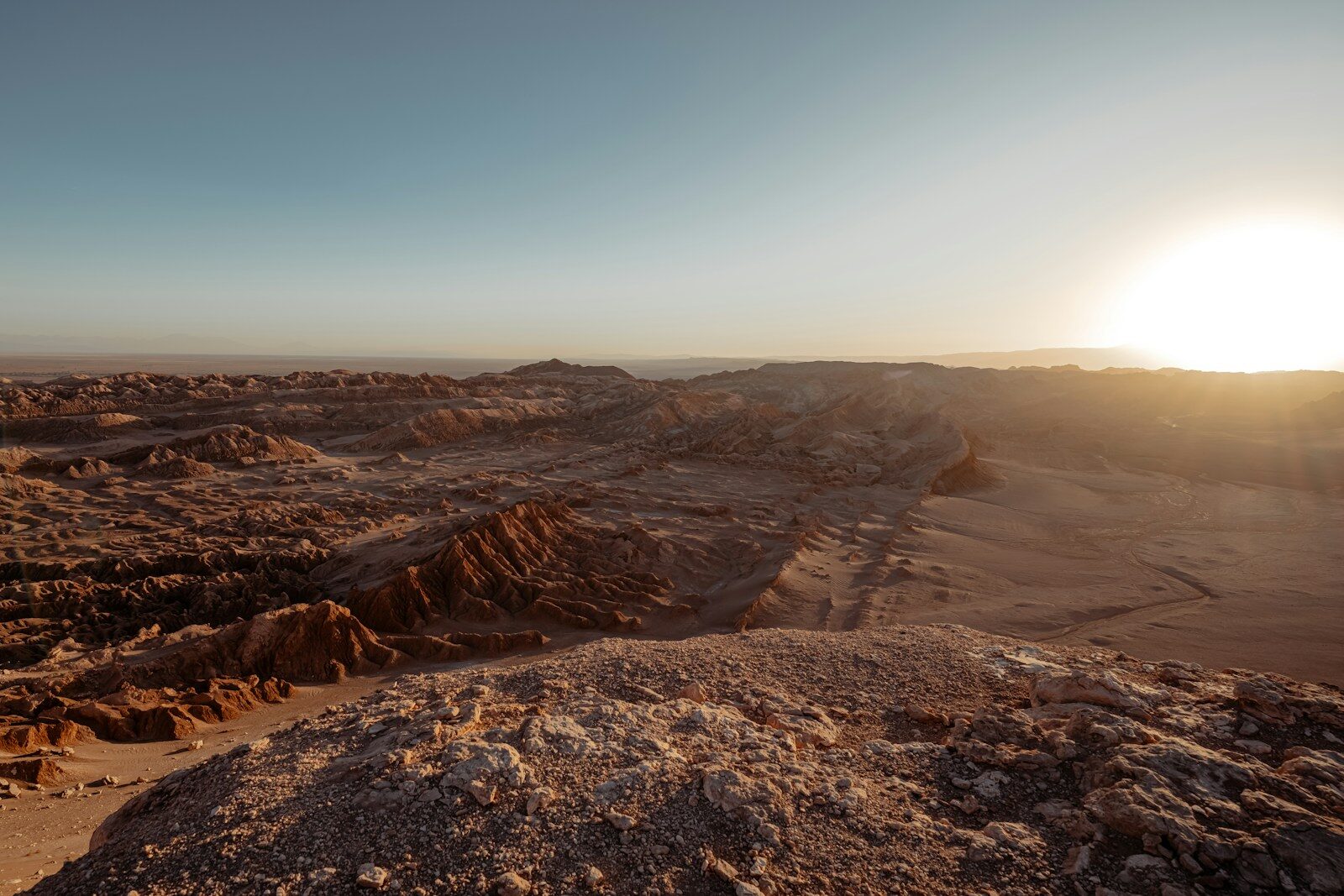
The country splits into four zones. The far north is the Atacama Desert, the driest non-polar desert on Earth — some weather stations there have never recorded measurable rainfall, and parts of it are so lifeless that NASA tests Mars rovers on its salt-crusted ground. Central Chile is Mediterranean: Santiago, the wine valleys, and the coast around Valparaíso, with hot dry summers and mild wet winters. The south is the Lake District and Patagonia: temperate rainforest, volcanoes, fjords, and glaciers. And far offshore, 3,700 km into the Pacific, sits Rapa Nui — subtropical, Polynesian, and one of the most remote inhabited islands on Earth.
Climate follows the same split. The Atacama is dry and sunny year-round, with hot days and freezing nights at altitude (San Pedro de Atacama sits at 2,400 m, and the El Tatio geysers at 4,300 m). Santiago runs 28–35°C in summer (December–February) and 3–15°C in winter (June–August), with rain concentrated in winter. Patagonia is cool, windy, and wild: summer highs of 10–20°C, winter lows well below freezing, and gusts over 100 km/h that can knock a hiker sideways.
Natural hazards are real but manageable: the Atacama’s altitude causes headaches and shortness of breath for the first day or two — acclimatise in San Pedro before heading to the geysers. Chile sits on one of the most active fault lines on Earth — the strongest earthquake ever recorded by instruments, magnitude 9.5, struck near Valdivia in 1960. Buildings are built for it, and hotels will brief you on evacuation routes. The Patagonian sun at altitude burns fast, and the desert sun is worse.
People & Demographics
Chile has about 19.5–19.9 million people, and roughly a third of them live in Greater Santiago — the capital dominates the country in a way few other capitals do. The population is mostly mestizo and of European descent (largely Spanish, with German, Italian, and Croatian communities in the south), and Indigenous peoples make up roughly 10–13% — the Mapuche are the largest group, with Aymara communities in the north and the Rapa Nui people on Easter Island.
Spanish is the official language, spoken with the distinctive Chilean accent: fast, with the final “s” often dropped, and a thicket of local slang — “po” (a filler word), “cachai?” (do you get it?), and “weón” (mate/dude — friendly among friends, rude from a stranger). English is limited outside hotels and tours in Santiago and San Pedro, and rarer still in small towns — a few Spanish phrases pay off fast: “gracias” (thank you), “por favor” (please), “¿cuánto cuesta?” (how much?), “una mesa para dos, por favor” (a table for two, please).
Religion is mostly Roman Catholic (about half the population, and falling), with a growing Evangelical community and a large secular minority. Chileans are warm but formal at first: greetings are a cheek kiss on introduction, even between men meeting for the first time, and first names come only once you’re invited to use them.
Mini phrasebox: Hola (hello) · Buenos días (good morning) · Gracias (thank you) · Por favor (please) · ¿Cuánto cuesta? (how much does it cost?) · La cuenta, por favor (the bill, please) · ¿Dónde está…? (where is…?) · No hablo español (I don’t speak Spanish) · ¡Salud! (cheers!).
Culture, Etiquette & Daily Habits
Chile runs on ritual, and the most Chilean ritual of all is once — the afternoon tea, taken around 5 pm, with bread, avocado, cheese, and jam. The name is a joke: “once” means eleven, and it comes from “aguardiente”, the eleven-letter word for the liquor workers used to sneak instead of tea. Lunch is the main meal of the day, and the menú del día — a set lunch of soup or salad, a main, and often a drink — is the best-value meal in the country.
Food is a point of national pride. The empanada de pino — beef, onion, olive, and egg in a baked pastry — is the fast food of choice, and the pisco sour (pisco brandy, lime, sugar, egg white) is the national drink, claimed by both Chile and Peru with equal passion. Completos are loaded hot dogs with avocado, tomato, and mayo. Cazuela is a hearty stew, pastel de choclo is a corn pie, and curanto is the Chiloé seafood bake cooked underground on hot stones. And the wine: Maipo, Colchagua, and Casablanca are world-class valleys, and Carmenère — a grape that nearly vanished from France — is Chile’s signature red.
The cueca is the national dance, performed in pairs with handkerchiefs, and it takes over the country during Fiestas Patrias (September 18–19), the independence holidays: fondas (party tents), rodeos, empanadas, and dancing that runs for days. Literature is a national treasure: Pablo Neruda won the Nobel Prize in 1971 and his three houses — La Chascona in Santiago, La Sebastiana in Valparaíso, and Isla Negra on the coast — are now museums. Gabriela Mistral won the Nobel in 1945, the first Latin American laureate in literature.
Do: greet with a cheek kiss when introduced; accept once when offered; tip 10% in restaurants; dress up a little for dinner in Santiago — Chileans are famously well turned-out; learn a little Spanish — effort is rewarded with enormous goodwill.
Don’t: call pisco Peruvian in front of a Chilean (or Chilean in front of a Peruvian); photograph people in Valparaíso’s hills without asking; assume the “$” on a price tag means US dollars — it means pesos, and prices are often written with a period as a thousands separator ($15.000 is fifteen thousand pesos, about US$16); rush lunch — the menú del día is meant to be lingered over.
Tipping: 10% (la propina) in restaurants is customary and often added to the bill — check before tipping twice; taxi and rideshare drivers don’t expect tips, though rounding up is appreciated.
Lifestyle
Santiago daily life is lived in the shadow of the Andes. The city starts early, works roughly 9–6 with a long lunch, then the neighbourhoods come alive after dark — Lastarria’s bars and galleries, Bellavista’s restaurants and live music, Providencia’s cafés. The Metro is the city’s spine: seven lines, trains every few minutes, and fares of CLP 735–895 (about US$0.77–0.94) depending on the time of day.
Food culture is social and unhurried: long lunches, late dinners (8–9 pm), and the once ritual every afternoon. Work culture is relationship-first: meetings start with chat, deadlines flex, and personal connection matters. Nightlife is strong in Santiago and Valparaíso — cocktail bars, live cueca, and the port city’s bohemian scene. Sport is everywhere — football (the national obsession, with the Universidad de Chile vs Colo-Colo clásico), skiing in the Andes in winter (Valle Nevado, Farellones, Portillo), surfing on the Pacific coast, and trekking in Patagonia in summer.
And the sky: Chile is the stargazing capital of the world. The Atacama’s dry air, high altitude, and near-zero light pollution have drawn the world’s biggest telescopes — ALMA, with 66 antennas on a plateau at 5,000 metres, is the largest ground-based radio observatory on Earth — and on a clear night in San Pedro, the Milky Way spills across the sky bright enough to cast a shadow.
Main Cities
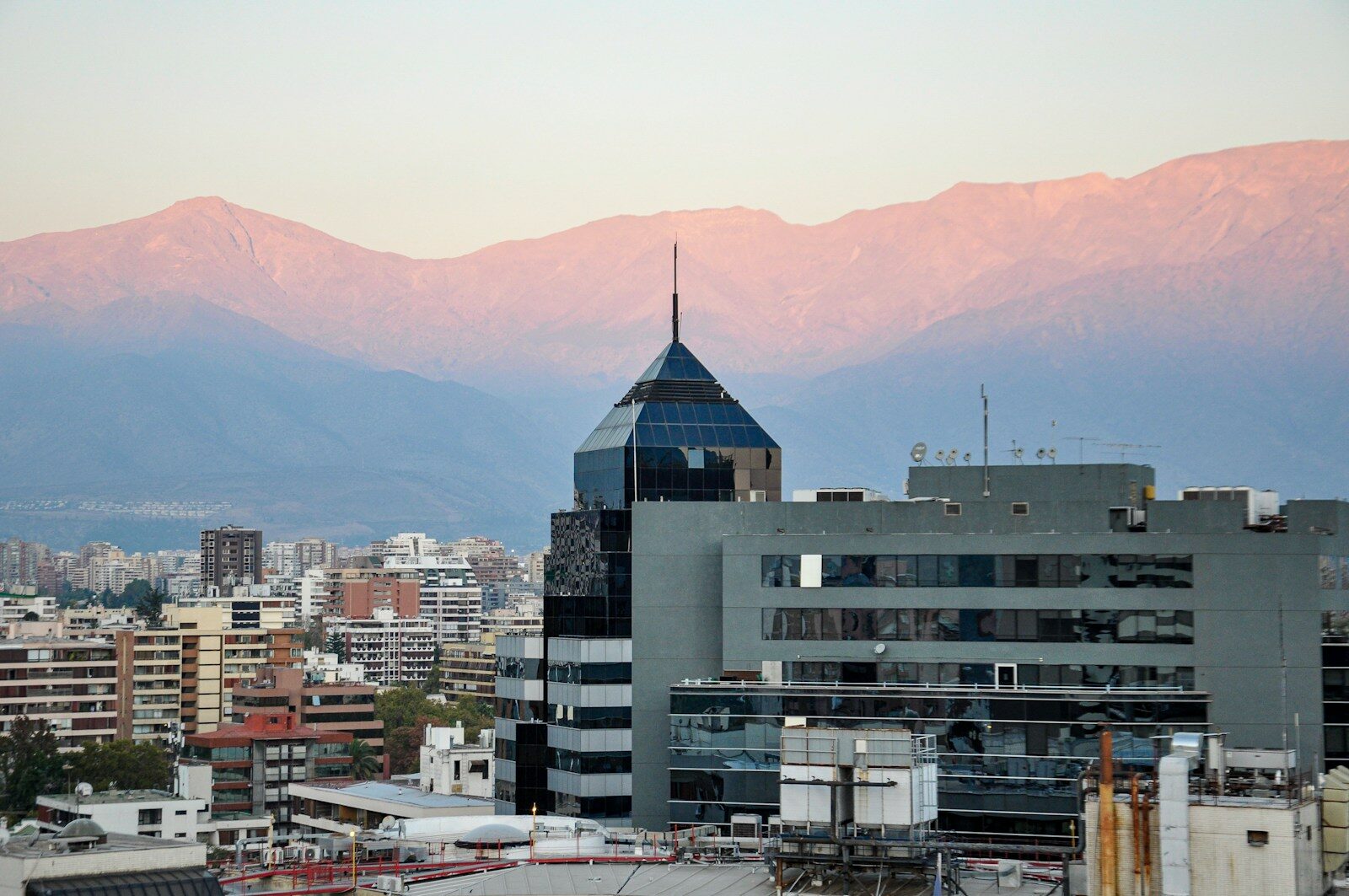
Santiago — the capital. A modern, safe, walkable city ringed by the Andes, with the Plaza de Armas and the Metropolitan Cathedral in the historic centre, the cable car and funicular up Cerro San Cristóbal for the city’s best viewpoint, the Lastarria and Bellavista neighbourhoods for food and nightlife, and the Sky Costanera observatory in Latin America’s tallest building. Stay in Providencia or Lastarria for first-timers; the Metro makes everything easy.
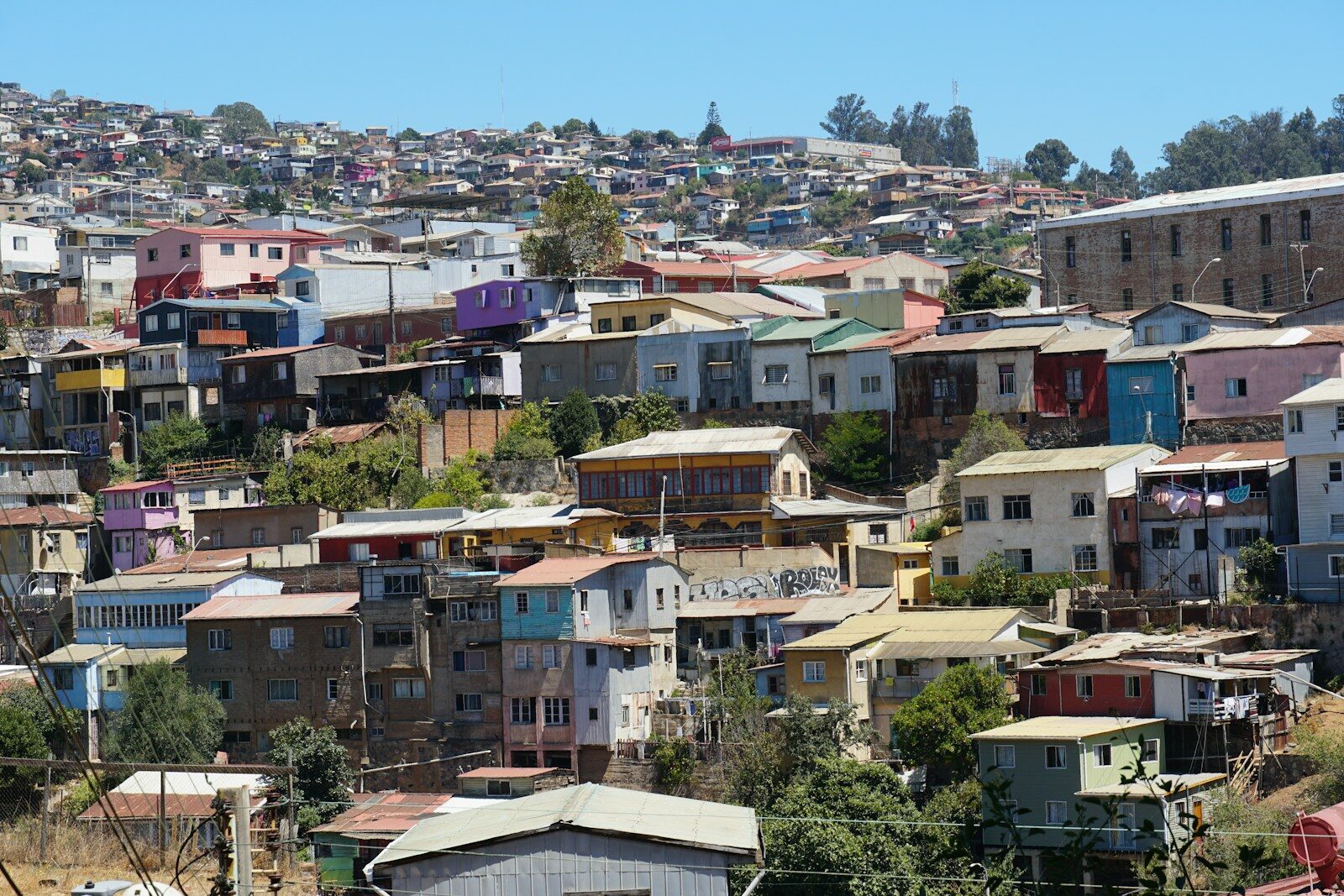
Valparaíso — the bohemian port. A UNESCO World Heritage city of steep hills (cerros) linked by antique funiculars (ascensores), covered in street art, with colourful tin houses tumbling down to the Pacific bay. Ride Ascensor El Peral, walk Cerro Alegre and Cerro Concepción, and visit La Sebastiana, Pablo Neruda’s house. Go by day and stick to the cerros — the port flats are rougher after dark.
Viña del Mar — the garden city. Valparaíso’s polished neighbour, 10 minutes up the coast: beaches, gardens, the Flower Clock, Chile’s first casino, and the Fonck Museum, which holds an original moai from Easter Island. The Festival de Viña del Mar in February is Latin America’s biggest music festival.
San Pedro de Atacama — the desert base. A small adobe town at 2,400 m in the middle of the Atacama, built for travellers: tour agencies on every corner, restaurants, and hostels. The base for the Valle de la Luna, El Tatio, the salt flats, and the stargazing tours. Fly to Calama, then 90 minutes by bus or transfer.
La Serena — the stargazing coast. A colonial beach city in the Elqui Valley, the pisco-producing heartland, with some of the clearest skies in Chile — the valley’s observatories run public nights, and the nearby Mamalluca Observatory is the classic first stargazing stop.
Puerto Varas — the lake district. A German-influenced town on Lake Llanquihue with views of the Osorno Volcano, and the gateway to the lakes, the Petrohué Falls, and Chiloé Island. The prettiest town in southern Chile.
Pucón — the adventure town. A lakeside resort at the foot of the Villarrica Volcano, with hot springs, rafting, and the volcano climb itself (with a guide, crampons, and a gas mask for the sulphur). Summer hiking, winter skiing.
Puerto Natales — the Patagonia gateway. A small, windy town on the fjord that exists to serve Torres del Paine, 2 hours away by bus. Book refugios and campsites months ahead for the W Trek season.
Punta Arenas — the southern city. The largest city in Patagonia, on the Strait of Magellan, with penguin colonies nearby (Isla Magdalena) and flights to Antarctica in summer. The launch point for the King Penguin tours in Tierra del Fuego.
Concepción — the student city. Chile’s second city, with a huge university population, a lively bar scene, and the gateway to the Biobío region and the surf coast around Pichilemu.
Top Places to Visit
- Valle de la Luna (Moon Valley) — wind-sculpted rock, salt mountains, and dunes near San Pedro de Atacama, glowing red and purple at sunset. The classic first afternoon in the desert; go for the golden hour, when the light does the work.
- El Tatio geysers — one of the highest geyser fields in the world at 4,300 m, best at dawn when the steam columns catch the first light. Tours leave San Pedro around 4 am; dress for freezing cold and bring a thermos.
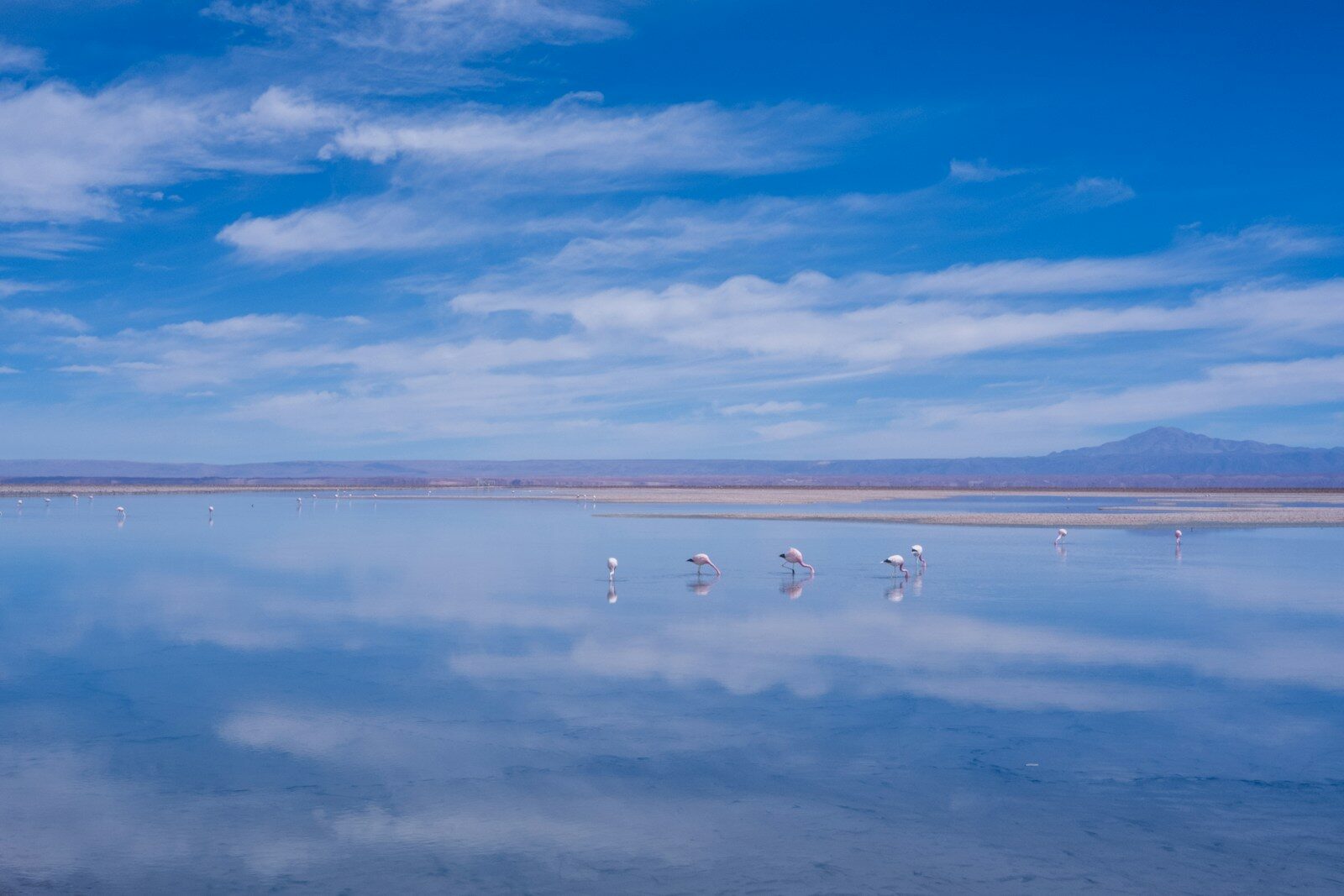
- Salar de Atacama & Chaxa Lagoon — Chile’s largest salt flat, where three species of flamingo feed in shallow pink lagoons against a backdrop of volcanoes. The best flamingo viewing is at dawn or dusk.
- Atacama stargazing — the reason this itinerary exists: a guided astronomy tour under the clearest skies on Earth, with telescopes, laser pointers, and the Milky Way overhead. Book on a moonless night if you can; the full moon washes the sky out.
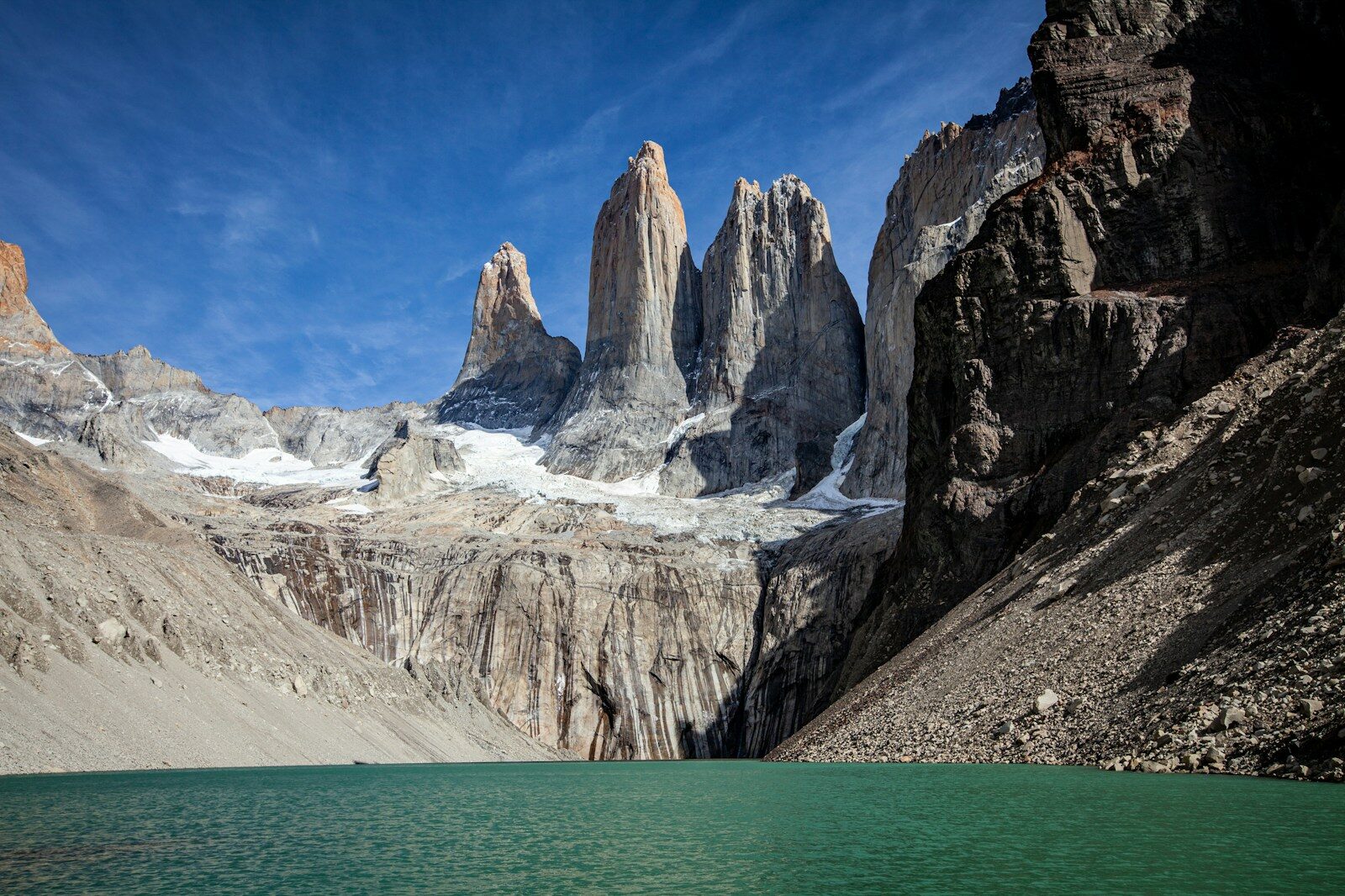
- Torres del Paine National Park — the granite towers, the Cuernos massif, and Grey Glacier, on the 4–5-day W Trek or a day hike to the Base Torres viewpoint. Book the park ticket online in advance (see below) and refugios months ahead in summer.
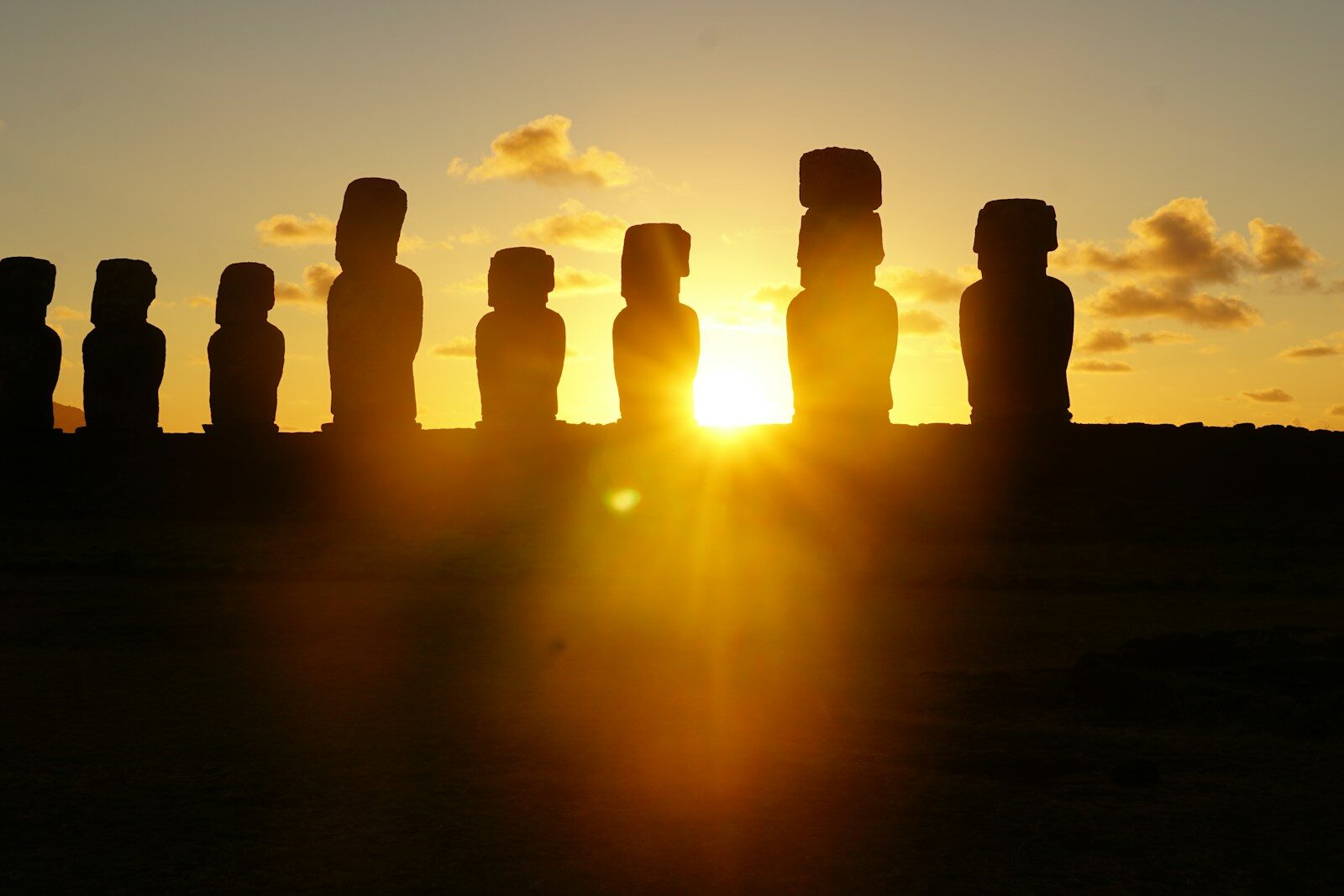
- Rapa Nui (Easter Island) — nearly 900 moai, carved between 1250 and 1500 CE, standing on a remote Polynesian island 3,700 km offshore. The sunrise at Ahu Tongariki, the quarry at Rano Raraku, and the crater at Rano Kau are the unmissable trio. The flight from Santiago takes about 6 hours.
- Valparaíso’s cerros — ride the antique ascensores, walk the mural-covered lanes of Cerro Alegre and Cerro Concepción, and watch the sunset over the bay from Paseo 21 de Mayo.
- Cajón del Maipo & Embalse El Yeso — the Andes canyon an hour from Santiago, with a turquoise reservoir, hot springs at Baños Colina, and a picnic with a view. The easiest great day trip from the capital.
- Maipo & Colchagua wine valleys — Carmenère tastings in century-old cellars, bike rides between vineyards, and the Vendimia harvest festival in March. Concha y Toro and Cousiño Macul are the classic first stops from Santiago.
- Lauca National Park — high-altitude lakes, volcanoes, and vicuña herds in the far north near Arica, on the border with Bolivia. The Chungará Lake at 4,500 m, with Parinacota Volcano reflected in it, is one of Chile’s great views.
- Pucón & Villarrica Volcano — climb an active volcano in the morning, soak in hot springs in the afternoon. The guided summit climb is the town’s signature experience.
- Marble Caves (Capillas de Mármol) — swirling blue-and-white marble caverns on General Carrera Lake, reached by boat from Puerto Río Tranquilo. Best in summer, when the lake is calm and the light is bright.
🎟️ Book experiences in Chile
Tours we’d actually book — free cancellation on most. We may earn a commission if you book through these links, at no extra cost to you. Our affiliate disclosure.
- Cajón del Maipo and Embalse El Yeso with Premium Picnic — the Andes canyon and turquoise reservoir from Santiago, with a wine-and-cheese picnic in the mountains. From ~US$34.
- Valparaíso, Viña del Mar & Casablanca Valley Tour — the rainbow port, the garden city, and a wine tasting in the Casablanca Valley in one day. From ~US$72.
- Cousiño Macul Heritage Wine Tour with Tastings — Chile’s oldest family winery, in Santiago itself, with a cellar tour and tasting. From ~US$25.
- Browse all Santiago tours & activities
🎟️ More ways to book (Viator)
Two more reader-favorite ways to see Chile — both under the Atacama night sky. We may earn a commission if you book through these links, at no extra cost to you. Our affiliate disclosure.
- The Roofless Experience — San Pedro de Atacama stargazing tour — small-group astronomy under the clearest skies on Earth, with two 16-inch telescopes, hot chocolate, blankets, and professional photos. Rated 4.9 from 580+ reviews.
- Astrotour Chile — San Pedro de Atacama astronomical tour & astrophoto — high-end telescopes, a specialist astronomy guide, and astrophotography under the desert sky. From ~US$48.
When to Visit & Getting Around
When to go: Chile is a country of four calendars, so pick your region first. The Atacama Desert is year-round, with the sweet spots in March–May and September–November — mild days, cold nights, and the clearest skies. Avoid January’s occasional thunderstorms, and pack for freezing nights in June. Patagonia is October–March only for trekking: December–February brings the longest days and the most wind, while the shoulder months (September–November, March–April) mean fewer crowds and lower prices. The W Trek runs September 10–April 30 and the O Circuit November 1–April 30. Santiago and the wine valleys are best in March–April (harvest season, the Vendimia festivals in Colchagua) and October–November (spring, jacarandas blooming). The ski season in the Andes — Valle Nevado, Farellones, Portillo — runs June–September.
The 4-day Atacama stargazer’s itinerary: Day 1 — fly Santiago to Calama, transfer 90 minutes to San Pedro de Atacama (2,400 m), acclimatise, sunset at Valle de la Luna. Day 2 — morning at the Salar de Atacama and Chaxa Lagoon flamingos, afternoon rest, then a stargazing tour after dark (book on a moonless night). Day 3 — dawn at the El Tatio geysers (4,300 m), afternoon at the Rainbow Valley petroglyphs. Day 4 — Piedras Rojas and the altiplano lagoons (Miscanti and Miñiques), then fly out. Add a fifth day for the Vallecito “Magic Bus” sunset if you have it.
Getting there: Santiago’s international gateway is Arturo Merino Benítez Airport (SCL), about 30–40 minutes from the centre. From North America and Europe, direct flights land at SCL. Domestic flights are essential for a multi-stop trip — Chile is 4,300 km long, and the bus from Santiago to Puerto Natales takes 30+ hours. LATAM, Sky Airline, and JetSmart cover the domestic network; flights booked early run US$30–80.
Getting around: fly between regions, don’t drive them. Within Santiago, the Metro is the answer for almost every daytime trip — seven lines, trains every few minutes, and fares of CLP 735–895 (about US$0.77–0.94) depending on the time band. Buy a Bip! card at any station (about CLP 2,200) and top it up. Buses and rideshares (Uber/Cabify) cover the gaps; taxis are metered and cheap by international standards. The bus from Santiago to Valparaíso runs every 15–20 minutes and costs about CLP 5,000–8,000 (US$5–8) for the 1.5–2 hour ride. Rental cars make sense for the wine valleys and the Lake District, not inside Santiago.
Torres del Paine tickets — read this before you go: since 1 May 2026, the park sells only two ticket types through CONAF’s official portal, pasesparques.cl — a daily ticket (CLP 32,400, ~US$34 for foreign adults) and a multi-day ticket valid 2–10 days (CLP 48,500, ~US$51). Buy online at least 24 hours before you arrive — there are no gate sales, tickets are non-refundable, and daily visitor numbers are capped. Refugio beds and campsites for the W Trek are booked separately (Las Torres Patagonia or Vértice Patagonia) and sell out months ahead for December–February.
✈️ Find cheap flights to Chile — compare fares across airlines and booking sites in one search. We may earn a commission if you book through this link, at no extra cost to you.
🚗 Rent a car in Chile — worth it for the wine valleys, the Lake District, and the Atacama (a 4×4 for the altiplano lagoons); skip it inside Santiago, where the Metro is faster and parking is a fight. We may earn a commission if you book through this link, at no extra cost to you.
Budget
Chile is the most expensive country in South America — pricier than Peru, Bolivia, or Argentina — but still cheaper than Western Europe or North America. Prices below are per person per day, in USD at ~950 CLP per dollar (November 2026). Peso prices move with the exchange rate, so treat the peso figures as a snapshot and check the current rate before you travel.
Budget — $45–70/day: hostel dorm ($19–22 in Santiago, $12–20 elsewhere), empanadas and menú del día lunches ($5–8 per meal), Metro and buses ($1–2), free sights (Cerro San Cristóbal, Valparaíso’s hills, the beaches). Santiago on this budget means hostels in Providencia, cooking some meals, and walking a lot — very doable.
Mid-range — $110–170/day: private room in a good 3-star hotel ($60–100), restaurant dinners and wine ($15–30 per meal), a stargazing tour ($45–95), guided day trips ($30–70), and domestic flights between regions. This is the sweet spot for most travellers: comfortable, no real compromises.
Comfort — $250–400+/day: 4–5-star hotels in Santiago or the wine valleys ($150–350+), private drivers and domestic flights, private tours, Patagonia lodges ($200–400 per night), and the Atacama’s luxury desert lodges (from ~US$500+ per night all-inclusive). A Torres del Paine trek with refugio beds runs a minimum of ~US$150/day.
Money-saving truths: the menú del día is the single biggest saving in Chile — a full set lunch for US$6–13; empanadas are the cheapest good meal in the country (US$2–4); book domestic flights 6–8 weeks out for the US$30–80 fares; the Metro is absurdly cheap (under a dollar a ride); and avoid Patagonia in December–February if you can — the shoulder season is cheaper, quieter, and nearly as good.
Practical Tips
- Visa first. US, Canadian, EU, UK, and Australian citizens enter visa-free for up to 90 days — a free stamp at the border. Your passport must be valid for your whole stay. And take the SAG agricultural declaration seriously: undeclared fruit, seeds, or meat products carry fines from US$200, and the sniffer dogs at SCL are thorough.
- Money: the peso (CLP) is the currency — and it uses the same “$” sign as the US dollar, so always confirm which dollar a price means. Prices are often written with a period as a thousands separator ($15.000 means fifteen thousand pesos, about US$16). Cards are accepted almost everywhere, but carry cash pesos for markets, small towns, and tips. ATMs charge a fee per withdrawal, so take out larger sums less often.
- Altitude: San Pedro de Atacama sits at 2,400 m and the El Tatio geysers at 4,300 m. Spend your first day in San Pedro doing nothing strenuous, drink water constantly, skip alcohol on arrival, and take the geyser tour on day 3, not day 1. Headaches and shortness of breath on day one are normal.
- Stay safe, stay smart: Chile is one of the safest countries in South America, but street crime is real in Santiago and Valparaíso — keep your phone in your pocket on the street, don’t wear flashy jewellery, use rideshares at night, and ask your hotel which blocks to avoid after dark. Valparaíso’s cerros are fine by day; the port flats are rougher after dark.
- Connectivity: buy a local SIM (Entel, Movistar, or Claro) at the airport or a shopping mall — data is cheap and coverage is good in cities and along the main highways. WhatsApp is how Chile communicates: hotels, guides, and restaurants all use it. Coverage disappears in the Atacama and in Patagonia’s backcountry — download offline maps.
- Power plugs: Chile uses Type C and Type L plugs at 220V — bring a universal adapter and check your device’s voltage range. The Type L plug (three round pins in a row) is the Chilean standard and catches travellers out.
- Emergency numbers: 133 for police (Carabineros), 131 for ambulance, 132 for fire. Keep your hotel’s address on your phone for taxi drivers, and save your embassy’s number before you travel. The desert sun and Patagonian wind both burn fast: pack high-SPF sunscreen and a windproof layer even in summer.
🛍️ Shop this guide: Chile packing essentials
Gear we’d actually pack for this trip. As an Amazon Associate we earn from qualifying purchases — at no extra cost to you. Our affiliate disclosure.
- Red-light headlamp — white light ruins your night vision and everyone else’s on a stargazing tour; red light is the desert rule.
- Packable windproof rain jacket — Patagonia’s wind is legendary and the weather turns in minutes, even in summer; the Atacama’s dawn geyser trips are freezing too.
- Universal travel adapter — Chile uses Type C and L plugs at 220V; one adapter covers the whole trip.
- High-SPF sunscreen — the desert sun and the Patagonian sun at altitude both burn fast, even on cloudy days.
- 20,000mAh portable charger — long desert days, lots of photos, and no signal (or power) in the Atacama and Patagonia’s backcountry.
🧳 Plan your trip: Chile
Flights, stays, tours, and cruises — booked in one place. We may earn a commission if you book through these links, at no extra cost to you. Our affiliate disclosure.
- ✈️ Find cheap flights to Chile — compare fares across airlines and booking sites in one search.
- 🏨 Book your stay on our Expedia Travel Shop — hand-picked hotels in Santiago, Valparaíso, and San Pedro de Atacama.
- 🎟️ Browse Santiago tours & activities — free cancellation on most.
- 🛳️ South America cruises from Valparaíso — sail the coast to Patagonia, or board an Antarctica expedition from Punta Arenas.
Closing
Chile doesn’t do small. It does the longest country, the driest desert, the clearest sky, the tallest volcano, and the strongest earthquake ever recorded — all in one thin strip of land, all in one trip if you’re brave. Start with four days in the Atacama, add Santiago and Valparaíso, and leave a week unplanned for the place Chile will convince you to visit next — because Chile has a habit of doing that: you arrive for the desert, and you leave already planning the glaciers.
FAQ
How many days do you need for Chile?
Four days covers the Atacama properly (the stargazer’s itinerary above). Add two days for Santiago and Valparaíso, and four to five for Torres del Paine. A week gets you Santiago + Atacama; two weeks adds Patagonia. Chile is too long to “do” in one trip — pick a region and do it well.
How much does a trip to Chile cost?
Budget travellers spend $45–70 a day; mid-range $110–170; comfort $250–400+. A 7-day Santiago + Atacama trip runs roughly $1,000–1,500 mid-range excluding international flights. Torres del Paine entry is CLP 32,400 (~US$34) for one day or CLP 48,500 (~US$51) for a multi-day ticket.
Do I need a visa for Chile?
It depends on your passport. US, Canadian, EU, UK, and Australian citizens enter visa-free for up to 90 days with a free stamp at the border. Always check the official rules for your passport before booking — and declare all food at the SAG checkpoint, where fines start at US$200.
When is the best time to visit Chile?
For the Atacama, March–May and September–November — mild days and the clearest skies. Patagonia is October–March only for trekking. Santiago and the wine valleys are best in March–April (harvest) and October–November (spring). The ski season runs June–September.
Is Chile safe for tourists?
Yes, with street smarts. Chile is one of the safest countries in South America — keep valuables out of sight in Santiago and Valparaíso, use rideshares at night, and stick to well-travelled areas after dark. Patagonia and the Atacama are very safe. The bigger risks are altitude in the desert and wind in the south.
What language is spoken in Chile?
Spanish, with the Chilean accent — fast, with the final “s” often dropped, and local slang like “po” and “cachai”. English is limited outside hotels and tours in Santiago and San Pedro de Atacama, so a few Spanish phrases go a long way.
Keep exploring
- Peru travel guide: Machu Picchu, the Inca Trail, and the Sacred Valley — the Andes next door: Inca stone, high-altitude trails, and a lost city in the clouds.
- Argentina travel guide: Buenos Aires in 3 days + Patagonia — the other half of Patagonia, with the same granite towers, glaciers, and tango — the natural next stop after Chile.
- Brazil travel guide: Rio in 3 days, Christ the Redeemer to Iguazu Falls — South America’s other giant, with Rio’s beaches and Carnival — and the far side of the Andes from Chile.
- Mexico travel guide: Mexico City, tacos, temples, and Frida Kahlo — another giant of Latin America, with the same mix of ancient ruins and modern cities.
- Costa Rica travel guide: two coasts, cloud forests, and pura vida — Central America’s wildlife capital, and the same “pick a season” puzzle as Patagonia.