
 admin
Introduction
London is one of the most expensive cities on Earth — and also one of the cheapest to actually see. That is the paradox at the heart of this guide. A pint costs £6, a hotel room £200, and yet the British Museum, the National Gallery, Tate Modern, the Natural History Museum, the V&A, and the Science Museum are all free. So are the best views in the city: the Sky Garden, Horizon 22, the South Bank at sunset, and a walk across the Millennium Bridge at dusk cost nothing at all. The trick is knowing which things are worth paying for — the Tower of London, Westminster Abbey, a West End show — and which of London’s greatest experiences are simply free.
This guide is built around a simple, proven shape: four days in London, organised around the free attractions, with the paid icons slotted in where they earn their price. It covers what the UK costs in 2026, how the Tube’s daily cap actually works, the new £20 ETA every visitor needs, and where to go beyond London — Edinburgh, Bath, and Stonehenge — when four days in the capital leave you wanting more.
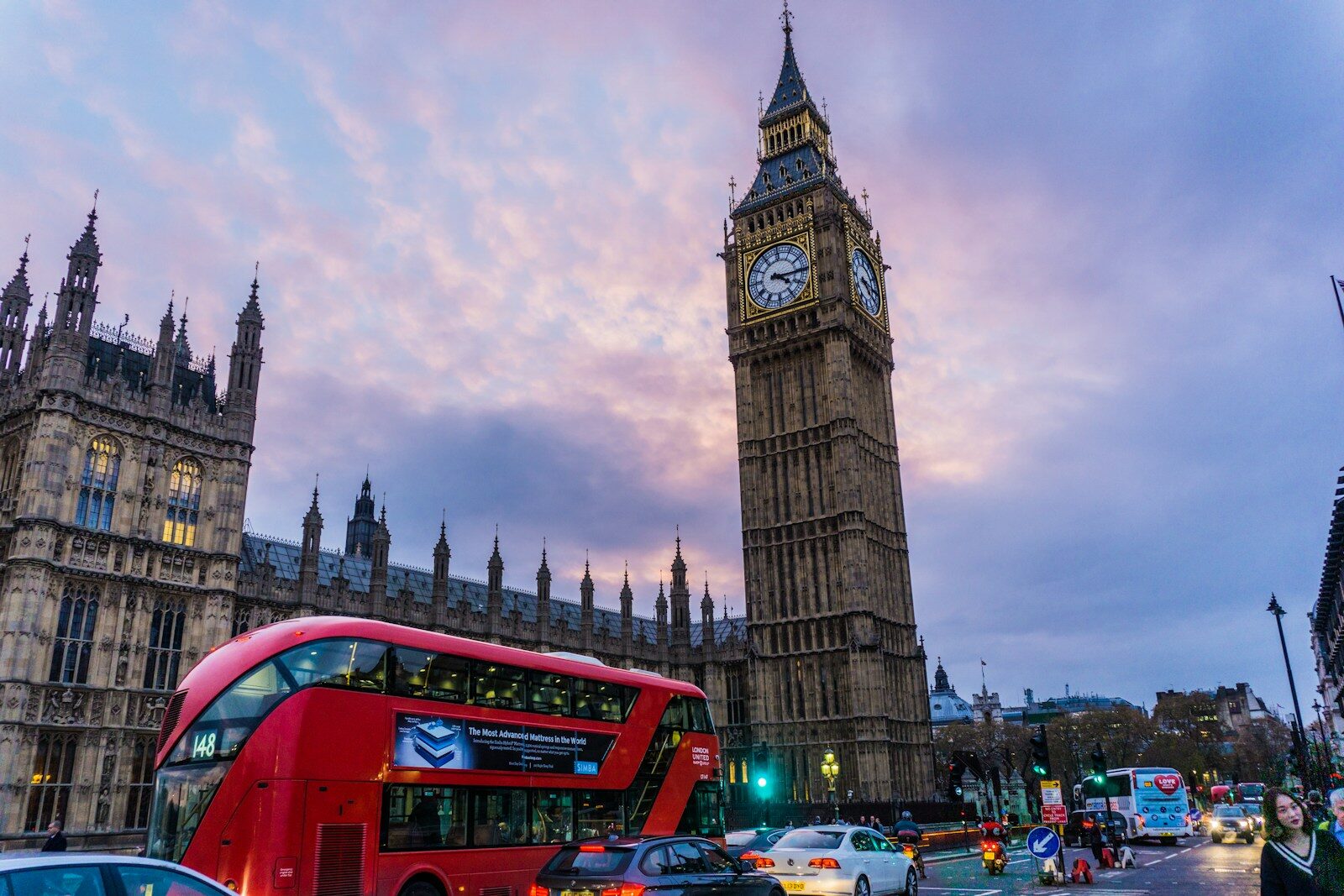
Geography & Climate
The United Kingdom is one sovereign state made of four countries — England, Scotland, Wales, and Northern Ireland — spread across two islands off the north-west coast of Europe. It is small: about 244,000 square kilometres, roughly the size of Oregon, with 69.5 million people. England holds 85% of them (58.8 million), Scotland about 5.5 million, Wales 3.2 million, and Northern Ireland 1.9 million. London, at ~9.1 million, is more than seven times the size of Birmingham, the second city.
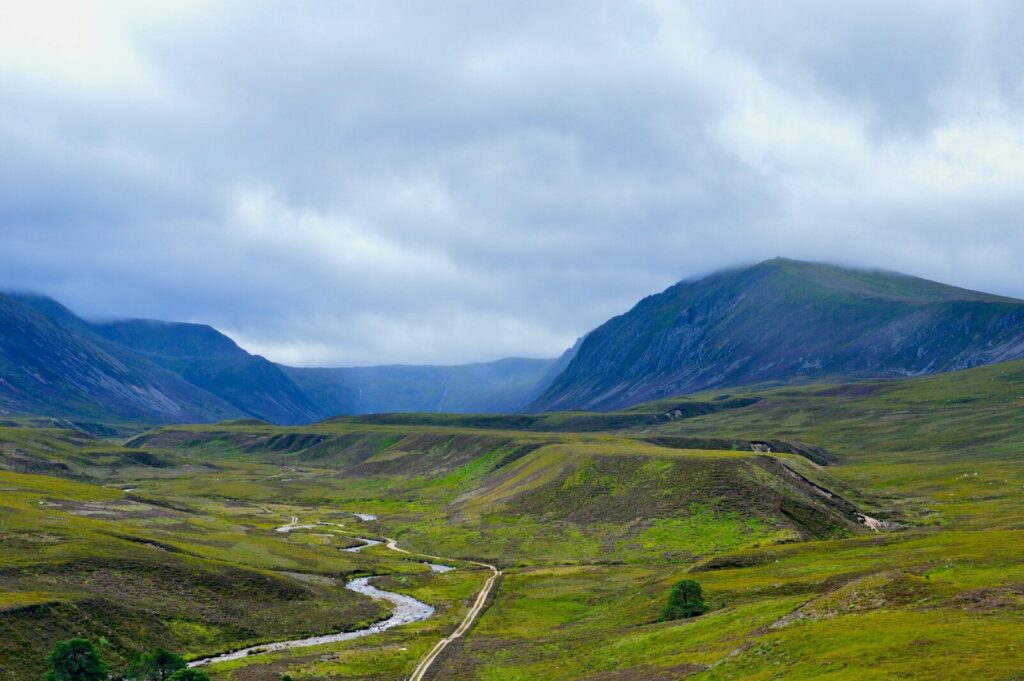
The geography is compact but surprisingly varied. England’s south is rolling chalk downs and cathedral cities; the north is the rugged Pennines, the Lake District’s fells, and the wild moors of Yorkshire. Scotland is lochs, glens, and the Highlands — the highest ground in the UK, Ben Nevis at 1,345 metres. Wales has Snowdonia’s mountains and a long, surf-friendly coastline. Northern Ireland has the Giant’s Causeway’s basalt columns and the green Antrim coast. Nowhere in the UK is more than about 70 miles from the sea, which is why the weather changes by the hour and the light is famously soft.
The climate is famously mild and famously changeable. London averages about 7°C (45°F) in January and 23°C (73°F) in July, and it rains on roughly 106 days a year — but rarely hard. The drizzle is the norm, the downpour the exception, and the famous “London fog” is mostly gone: it was coal smoke, cleaned up decades ago. Scotland and the north-west are wetter and windier; the south-east is the driest and sunniest corner. The rule for packing is simple: layers, a compact umbrella, and shoes that can handle wet cobbles. If you wait for a guaranteed sunny day, you will never go out — and the locals will tell you, with some pride, that there is no bad weather, only the wrong coat.
The best months to visit are May and June, and September: long daylight, mild weather, gardens in bloom, and the crowds at manageable levels. July and August are the warmest but also the busiest and priciest — and August brings the Edinburgh Festival Fringe, the world’s largest arts festival. Winter is dark by 4pm, but December brings Christmas markets, ice rinks, and the city lit up like a film set, and January and February are the cheapest months to fly in.
People & Demographics
The UK’s 69.5 million people are overwhelmingly English (about 85% of the population lives in England), but the four nations guard their identities fiercely — do not call the whole UK “England” in Scotland or Wales unless you enjoy the lecture. London is one of the most diverse cities on Earth: over 300 languages are spoken there, and about 40% of Londoners were born outside the UK. The median age is around 41, and the country is slowly ageing, like most of Europe.
English is the official language everywhere, with Welsh an official language in Wales (you will see bilingual signs from Cardiff to Snowdonia) and Scottish Gaelic in parts of Scotland. The accents are a journey in themselves: the clipped vowels of received pronunciation in London, the rolling burr of Edinburgh, the musical lilt of the Welsh Valleys, the fast patter of Liverpool, and the broad Yorkshire vowels that sound like a different language to the untrained ear. The good news for visitors: English is English, and everyone will slow down if you ask.
The UK is a constitutional monarchy — King Charles III is head of state, Parliament runs the country — and the monarchy is woven into the visitor experience: the Changing of the Guard, the Crown Jewels, the palaces, the ceremonies. Religion is a background hum rather than a daily force: the Church of England is the established church, but most Britons are only loosely religious, and London’s faiths are as diverse as its languages. What unites the country is less a single culture than a set of shared habits: the queue, the cup of tea, the apology for things that are not your fault, and the weather as a permanent topic of conversation.
Mini phrasebook: Cheers (thank you / goodbye), Mind the gap (the Tube platform warning), Queue (a line — never jump one), Loo (toilet), Flat (apartment), Lift (elevator), Biscuit (cookie), Crisps (chips), Chips (fries), Cuppa (a cup of tea), “Fancy a cuppa?” (would you like tea?), “Sorry” (the national word — used for everything, including when someone else bumps into you). And the two words that will save your trip: “please” and “thank you” — used constantly, in every transaction, with everyone.
Culture, Etiquette & Daily Habits
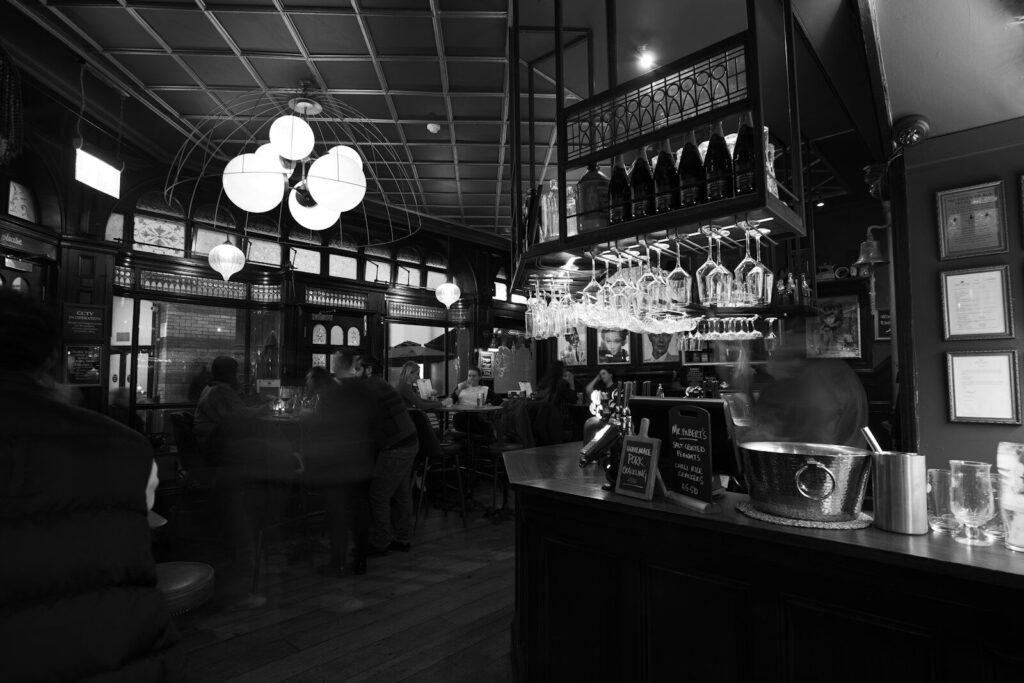
British life runs on a set of unwritten rules, and visitors who learn them are rewarded with the warmest version of the country. The first and most sacred is the queue. Britons queue for everything — the bus, the bar, the ATM, the Tube — and jumping a queue is the fastest way to offend an entire street. The second is the apology: “sorry” is said a hundred times a day, often by the person who was wronged. The third is the pub, which is not a bar — it is the village living room, the office after-work, the community centre. You order at the bar, you pay at the bar, you do not tip at the bar, and if someone buys you a drink, you buy the next round. That last rule — the round — is the social contract of the pub, and breaking it is noticed.
Do: stand on the RIGHT on Tube escalators and walk on the left; say please and thank you to everyone, including bus drivers; greet shopkeepers and say “cheers” when you leave; try the house ale in a pub; dress smartly for a West End show; carry a compact umbrella at all times.
Don’t: jump a queue, ever; call the whole UK “England” in Scotland or Wales; tip in a pub or at a counter; stand on the left of a Tube escalator (you will be tutted at, which is the British equivalent of a shouting match); expect table service in a pub; or assume the bill includes a tip — check, because a 12.5% service charge is often added in London restaurants, and if it is, you do not tip on top.
Two cultural notes worth knowing before you go. First, the free museums are a point of national pride. The British Museum, founded in 1753, was the world’s first national public museum, and the policy that the great national collections are free is treated as a birthright, not a perk. Use it: the Rosetta Stone, the Parthenon sculptures, the Egyptian mummies, and the Sutton Hoo treasure are all free to see. Second, the British relationship with the monarchy is complicated and affectionate. The Changing of the Guard, the Crown Jewels, and the palaces are the country’s most visited sights, and the ceremonies are performed with a precision that is genuinely impressive — even for visitors who arrive as republicans and leave as converts to the pageantry.
Lifestyle
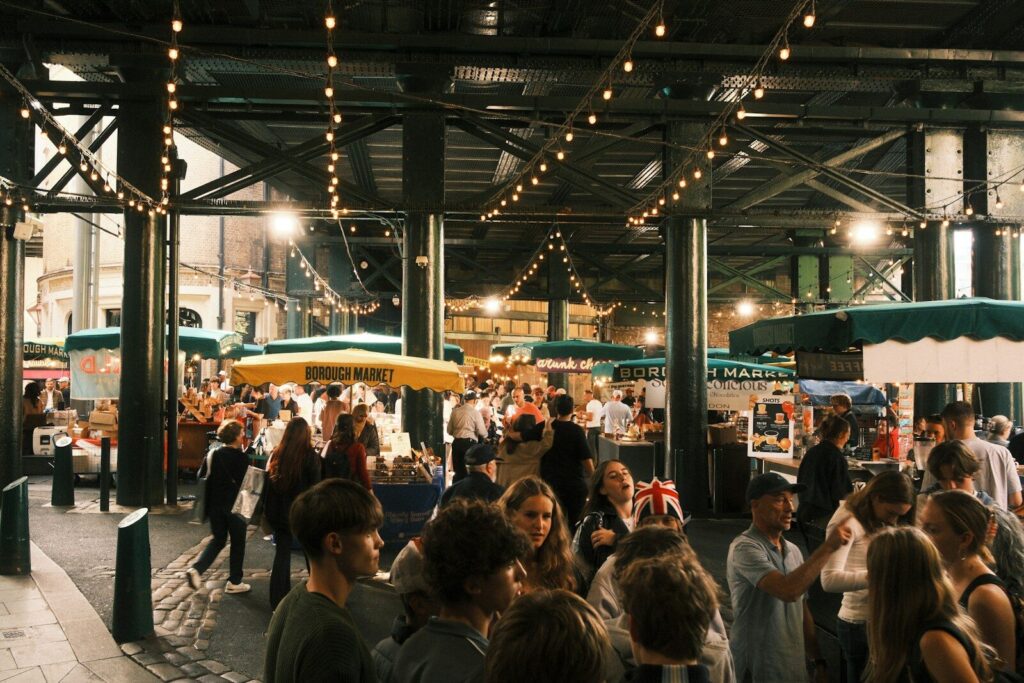
Food is where the UK surprises first-time visitors most — the old jokes about British cooking are a decade out of date. London is one of the great food cities of the world: more than 70 Michelin stars, the curry houses of Brick Lane, the dim sum of Chinatown, the Borough Market stalls that have fed the city since the 13th century. But the classics are still the point. Fish and chips (£10–15 from a good chippy, eaten with salt and vinegar) is a national institution. The full English breakfast (£10–15: eggs, bacon, sausage, beans, mushrooms, toast, and black pudding if you are brave) is a weekend ritual. The Sunday roast (£15–22, with Yorkshire pudding and gravy) is the week’s main event. And the pub lunch — a pie, a pint, and a fire in winter — is the most British meal there is. Wash it down with a pint of real ale (£5–7 in London, £4–5 outside) and finish with sticky toffee pudding.
Work culture is office-first in London’s City and Canary Wharf, but the working day ends at the pub: “after-work drinks” are a real institution, and a Friday evening in a City pub is the best free show in London. Nightlife runs from the West End theatres (book ahead — good seats go fast) to the clubs of Shoreditch, the jazz of Soho, and the late-night curry houses of Brick Lane. Football is the national religion — the Premier League is the most-watched league on Earth, and a matchday in a pub is a cultural experience even if you do not follow the sport. And the countryside is a way of life: the Sunday walk, the village pub, the National Trust house, the cream tea in Devon or Cornwall (jam first in Cornwall, cream first in Devon — do not get this wrong in public).
Technology and tradition sit side by side: you can tap a bank card on the Tube, the bus, and the corner shop, yet the village post office still sells stamps, the red telephone box still stands (mostly as a photo prop now), and the black cab still runs on “the Knowledge” — the test that requires drivers to memorise 25,000 London streets.
Main Cities
London — The capital, and a city that contains a dozen cities inside it. The West End for theatre, the City for history and skyscrapers, South Bank for the river walk, Camden for markets, Greenwich for the observatory and the Cutty Sark, Notting Hill for the pastel streets and the Portobello market. Give it four full days minimum — and even then you will leave with a list for next time. The free attractions alone could fill a week.
Edinburgh — Scotland’s capital is built on extinct volcanoes: the Castle on its rock, the Royal Mile down to Holyrood, Arthur’s Seat rising in the middle of the city. In August it hosts the Fringe, the world’s largest arts festival, and the city doubles in size. The train from London takes about 4.5 hours, and the coastal stretch north of Alnmouth is one of the great railway views in Europe.
Bath — The Roman Baths, the Georgian crescents, and Jane Austen’s city: a perfect day trip from London (about 1.5 hours by train) and the most beautiful city in England. Oxford & Cambridge — the two great university towns, with college quads, punting on the rivers, and bookshops older than most countries. York — the Shambles (a medieval street that looks like a film set), York Minster, and the city walls you can walk. Manchester — the industrial city reinvented: music, football, and the best museums outside London. Liverpool — the Beatles, the docks, and the friendliest city in England. Bristol — street art, the harbourside, and the gateway to the West Country. Brighton — the seaside escape an hour from London: the pier, the Lanes, and the Royal Pavilion. Glasgow — Scotland’s largest city, with the best live music scene in the UK. Cardiff — the Welsh capital: the castle, the bay, and the gateway to the Brecon Beacons. Belfast — Northern Ireland’s capital, with the Titanic Quarter and the gateway to the Giant’s Causeway.

Top Places to Visit
- Tower of London — Founded in 1078 by William the Conqueror; fortress, palace, prison, and home of the Crown Jewels. See the ravens — legend says if they leave, the kingdom falls. £37, and worth every penny.
- Westminster Abbey — The coronation church since 1066, burial place of 17 monarchs, and Poets’ Corner (Chaucer, Dickens, Shakespeare). £32.
- British Museum — The Rosetta Stone, the Parthenon sculptures, Egyptian mummies, the Sutton Hoo treasure. Founded 1753, the world’s first national public museum. FREE.
- National Gallery — Van Gogh’s Sunflowers, Turner’s Fighting Temeraire, Leonardo’s Virgin of the Rocks. FREE.
- Tate Modern — The world’s most visited modern art museum, in a former power station on the Thames. FREE.
- Natural History Museum — The blue whale skeleton in Hintze Hall, the dinosaur gallery, and the most beautiful building in South Kensington. FREE.
- St Paul’s Cathedral — Wren’s dome, the Whispering Gallery, and the best climb in London (528 steps to the Golden Gallery). £27.
- Tower Bridge — The Victorian bascule bridge you can walk across (and, for £18, climb into the glass-floor walkways). The bridge lifts about 800 times a year.
- London Eye — The 135-metre wheel on the South Bank; the best first-day orientation in the city. £39.
- The Shard — The View from The Shard is the highest viewpoint in London (levels 68–72). £32 — or see the same skyline free from the Sky Garden or Horizon 22 (book ahead).
- Sky Garden & Horizon 22 — London’s two free observation decks, both bookable online, both with floor-to-ceiling glass over the City. The best free views in Europe.
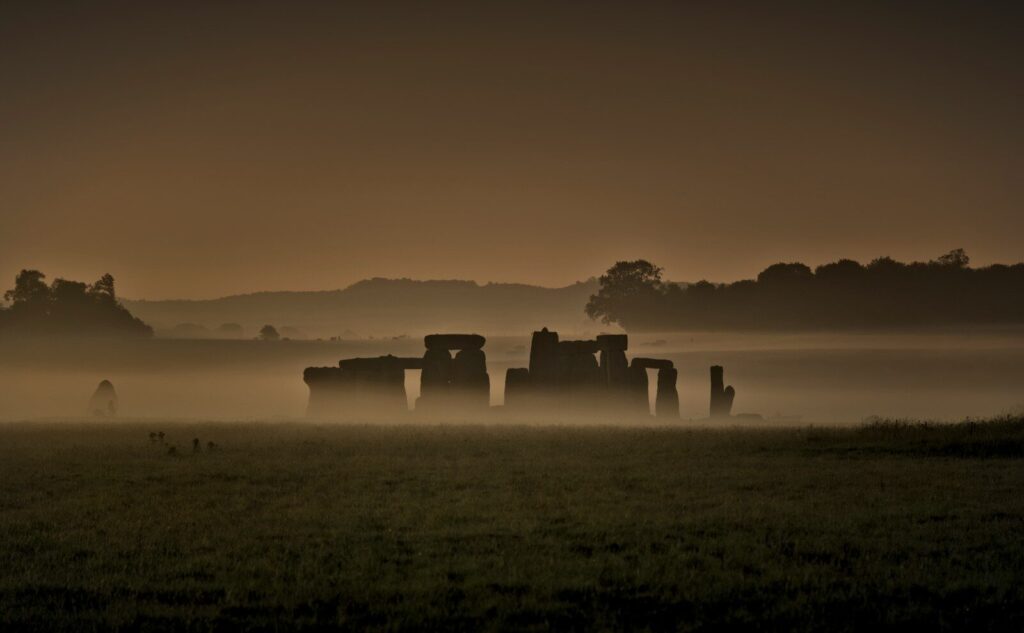
- Stonehenge — Built around 2500 BC on Salisbury Plain; its purpose is still debated, and the stones were hauled from Wales, 150 miles away. Half a day from London, best at sunrise or sunset.
- Windsor Castle — The oldest continuously inhabited castle in the world, and still a working royal residence. £36.
- Hampton Court Palace — Henry VIII’s palace: the Great Hall, the maze, and the Tudor kitchens. £32.
- Kew Gardens — The Royal Botanic Gardens, with the Palm House, the Treetop Walkway, and 300 acres of gardens. £22.
- Greenwich — The Royal Observatory (stand on the Prime Meridian), the Cutty Sark, and the best view back across London from the hill. Free to walk, paid for the observatory.
- Borough Market — London’s oldest food market, trading since the 13th century. Go hungry, go early, and try the sausage rolls.
- The Cotswolds — Honey-stone villages, dry-stone walls, and the England of the postcards. Best by car, best in May.
- Lake District — England’s mountain country: Windermere, the fells, and the lakes that inspired Wordsworth. Best by car, best in June or September.
- Giant’s Causeway, Northern Ireland — 40,000 basalt columns stepping into the sea, formed by a volcanic eruption 60 million years ago. UNESCO site, and the best day trip from Belfast.
🎟️ Book experiences in the UK
Tours we’d actually book — free cancellation on most. We may earn a commission if you book through these links, at no extra cost to you. Our affiliate disclosure.
- Tower of London and Crown Jewels exhibition ticket — the fortress, the ravens, and the greatest working collection of crown jewels in the world (from £38).
- London in a day: Westminster Abbey, Big Ben, Tower of London & Thames cruise — the full headline route in 7 hours with an expert guide, including the Changing of the Guard (from £94).
- Browse all London tours & activities
🎟️ More ways to book (Viator)
Two more reader-favorite ways to see London. We may earn a commission if you book through these links, at no extra cost to you. Our affiliate disclosure.
- Westminster walking tour + Tower of London tickets — three hours around Westminster’s 20+ sights with a live guide, then the Tower at your own pace.
- Private London highlights tour: Westminster Abbey & Tower of London — a Blue Badge guide, skip-the-line entries, and a full private day built around the two big sights.
When to Visit & Getting Around
When to visit: May–June and September are the sweet spot — long daylight, mild weather, gardens in bloom, and the crowds at manageable levels. July and August are the warmest but also the busiest and priciest, and August brings the Edinburgh Fringe. Winter (November–March) is dark by 4pm but has Christmas markets and ice rinks in December, and January–February are the cheapest months to fly in. Festivals to catch: Notting Hill Carnival (August bank holiday weekend — Europe’s biggest street party), Trooping the Colour (June, the King’s official birthday parade), the Edinburgh Festival Fringe (August), Chelsea Flower Show (May), and Bonfire Night (November 5). To avoid: the August bank holiday weekend in central London if you hate crowds, and school half-term weeks, when the free museums are packed with families.
Getting there: London has six airports, but most visitors use Heathrow (LHR) or Gatwick (LGW). From Heathrow, the Elizabeth line is the budget rail pick into central London (~35 minutes), the Heathrow Express is the fast one (15 minutes to Paddington, premium price), and the Piccadilly line Tube is the slowest and cheapest. Gatwick has a direct train to London Victoria in about 30 minutes. Direct flights connect London to most of the world, including Toronto and Montreal nonstop.
The £20 ETA — do not skip this. Since February 25, 2026, almost every visa-exempt visitor (US, Canadian, EU, Australian, and others) needs an approved Electronic Travel Authorisation before boarding a flight, ferry, or train to the UK. It costs £20, takes minutes to apply for via GOV.UK or the official UK ETA app, is usually approved within minutes, and is valid for two years for stays of up to six months each. British and Irish citizens are exempt. Apply only through the official channels — third-party websites charge more for the same thing, and without an ETA you will not be allowed to board.
London transport — the cap is your friend. The single most important number in this guide is £8.90: the daily cap on Tube and bus travel in Zones 1–2 (where almost every tourist sight sits). Tap the same contactless bank card, phone, or watch all day and you will never pay more than £8.90, no matter how many rides you take. The bus-only daily cap is £5.25 (single bus £1.75, with a Hopper fare giving unlimited buses within an hour for one fare). The weekly cap for Zones 1–2 is £44.70. An Oyster card costs ~£10 (non-refundable) and gives the same fares — it is only worth it if you have a Railcard discount to load onto it, or a card that charges foreign-transaction fees. A single Zone 1 Tube ride is about £3. Peak hours are Monday–Friday 06:30–09:30 and 16:00–19:00. The cap day runs 04:30 to 04:29 the next morning, so a late night still counts toward the previous day.
The London Pass — only for sprinters. The Go City London Pass costs £105 for one day, £155 for two, £199 for three (adult, Oct 2026), covering 100+ paid attractions (Tower, Eye, Abbey, Shard, Windsor, Hampton Court) plus a hop-on hop-off bus and a Thames cruise. It does NOT cover transport, and the great museums are free anyway. The maths only works if you visit three or more big paid sights a day — on a two-day, high-tempo itinerary it can save £35–100; on a slow day with one paid sight and the free museums, it loses money. Buy it for your two busiest days only, never for the whole trip.
London–Edinburgh train: LNER runs King’s Cross to Edinburgh Waverley, fastest about 4 hours 8 minutes, typical 4 hours 30. Advance singles booked 8–12 weeks ahead run ~£34–41 on LNER (or ~£19.90 on Lumo, the budget operator on the same route); an Anytime single bought on the day can reach ~£204.80. Sit on the right going north for the coastal stretch between Alnmouth and Berwick — the best forty minutes of the journey. The overnight Caledonian Sleeper leaves from Euston, a different station and a different proposition entirely.
Getting around the country: trains are the backbone — book Advance tickets 8–12 weeks ahead (Trainline, LNER, Avanti West Coast). A Railcard (16–25, 26–30, Senior, Family & Friends, Two Together) costs ~£30 a year and gives a third off most fares. Driving is on the left; a car is worth it for the Cotswolds, the Lake District, and the Highlands, and pointless in London (congestion charge in central London, scarce and expensive parking). If you do drive, remember the speed limit is in miles per hour and petrol is sold by the litre at around £1.50.
✈️ Find cheap flights to the UK — https://aviasales.tpx.lt/JikSOtWR — compare fares across airlines and booking sites in one search. Affiliate link: we may earn a commission at no extra cost to you.
🚗 Rent a car for the Cotswolds, Lake District & Highlands — https://c.economybookings.com/?a=16yupj&i=o0n44z — compare rental prices across providers in one search. Affiliate link: we may earn a commission at no extra cost to you.
🏨 Check hotels on Expedia — compare London hotels, B&Bs and apartments in one search. Affiliate link: we may earn a commission at no extra cost to you.
Budget
London is expensive, but the free attractions change the maths completely. The daily transport cap is £8.90, the great museums are free, the best views are free — and the paid sights are concentrated enough that a two-day London Pass (or a pick-and-choose approach) covers them. Outside London, prices drop by a third or more: a pub meal in York or Bath costs what a sandwich costs in the City.
Budget — £80–110/day (~$105–145): hostel dorm (£30–50), free museums, parks, and skyline decks, street food and supermarket meals, Tube capped at £8.90 a day. Very doable in London, comfortable anywhere else in the UK.
Mid-range — £180–260/day (~$240–345): a 3-star hotel or good B&B (£150–250 a night for a London double), pub meals plus one restaurant dinner, one or two paid sights a day, a day trip to Windsor or Stonehenge. This is the comfortable sweet spot for the four-day London plan.
Comfort — £350+/day (~$465+): boutique hotel, afternoon tea, a West End show (£50–100+), private tours, and a rental car for the countryside. Worth it for a honeymoon or a once-in-a-lifetime trip.
Money-saving truths: the free museums and free skyline decks are the best value in Europe — build your days around them; a two-day London Pass only pays if you hit three or more big paid sights a day; book trains 8–12 weeks ahead (the same London–Edinburgh seat can cost £35 or £205); eat the pub lunch, not the hotel breakfast; tap the same contactless card all day so the £8.90 cap applies; and travel in May or late September, when hotel prices drop by a third. A four-day mid-range London trip for two — hotel, meals, transport, and sights — runs roughly £1,400–2,000.
Practical Tips
- Apply for the UK ETA the day you book your flights. £20, minutes to apply, usually approved in minutes — but without it you cannot board. Do it on GOV.UK or the official app, never through a third-party site.
- Book the free skyline decks in advance. The Sky Garden and Horizon 22 are free but ticketed, and the popular slots go weeks ahead. Book the moment your dates are set.
- Tap the same card all day. The £8.90 Zones 1–2 cap only works if every tap is on the same contactless card, phone, or watch. Mixing cards means paying full fare twice.
- Carry a compact umbrella, always. London rain is drizzle, not downpour — a small umbrella and a waterproof layer beat a heavy coat.
- Watch for pickpockets in the crowds. Oxford Street, Westminster, and the Tube at rush hour are the hotspots, and phone snatchers on mopeds are a real London problem — keep your phone in a front pocket, not in your hand at the kerb.
- Book the Tower and Westminster Abbey early in the day. Both are quietest in the first hour after opening; by midday the Crown Jewels queue can reach 90 minutes.
- Emergency numbers: 999 (or 112) works for police, fire, and ambulance. The UK is one of the safest countries in Europe for tourists — the main risk is petty theft in crowded spots, not violent crime. Power is Type G (three square pins) at 230V, so North American visitors need an adapter.
🛍️ Shop this guide: UK packing essentials
Gear we’d actually pack for this trip. As an Amazon Associate we earn from qualifying purchases — at no extra cost to you. Our affiliate disclosure.
- Compact windproof travel umbrella — London rain is drizzle, not downpour, and a small umbrella lives in your daypack all day.
- UK Type G travel adapter — the UK’s three-square-pin plug is unique; one adapter covers the whole trip.
- Comfortable walking shoes — London is a walking city and the Tube escalators are not kind to bad footwear; this is the one item that decides your trip.
- Packable waterproof rain jacket — layers are the London uniform; a jacket that packs into your daypack is the difference between a good day and a wet one.
- London travel guidebook — for the train rides to Edinburgh and the villages where the signal drops out.
🧳 Plan your trip: United Kingdom
Flights, stays, tours, and cruises — booked in one place. We may earn a commission if you book through these links, at no extra cost to you. Our affiliate disclosure.
- ✈️ Find cheap flights to the UK — compare fares across airlines and booking sites in one search.
- 🏨 Browse our Expedia Travel Shop — hand-picked stays and travel deals from our curated storefront.
- 🎟️ Browse London tours & activities — free cancellation on most.
- 🛳️ Compare UK & British Isles cruises on CruiseDirect — sailings calling at London (Tilbury), Edinburgh (Leith), Dublin, and Southampton.
Closing
The United Kingdom is four countries pretending to be one, a city that gives away its greatest treasures for free, and an island where the shortest flight on Earth takes two minutes and the longest argument is about jam versus cream on a scone. Four days in London will show you the shape of it — the free museums, the ravens, the river at dusk, the pub at the end of the day — but the country rewards the traveller who goes further: the train north to Edinburgh, the stones on Salisbury Plain, the highlands at the end of the road. Go, stand on the Prime Meridian at Greenwich with one foot in each hemisphere, and remember that this small island once ran the largest empire the world has ever seen — and now mostly just wants you to queue properly and enjoy the tea.
FAQ
How many days do I need in the UK?
Four days is the minimum for a satisfying first trip, all in London. Seven days lets you add Edinburgh and a day trip to Bath or Stonehenge. Ten to fourteen days covers London, Edinburgh, the Highlands, and a slow run through the Cotswolds or the Lake District.
Is the UK expensive?
London is one of the most expensive cities in Europe — but the free museums, free skyline decks, and the £8.90 daily transport cap change the maths. Budget travellers manage on £80–110 a day, mid-range £180–260, comfort £350+. Outside London, prices drop by a third.
When is the best time to visit the UK?
May–June and September: long daylight, mild weather, and manageable crowds. July and August are warmest but busiest and priciest. Winter is dark by 4pm but has Christmas markets in December and the cheapest flights in January and February.
Do I need a visa for the UK?
Most visitors no longer need a visa — but since February 25, 2026, almost all visa-exempt visitors (US, Canadian, EU, Australian, and others) need an approved Electronic Travel Authorisation (ETA) before boarding. It costs £20, is valid for two years, and covers stays of up to six months. Apply on GOV.UK or the official UK ETA app. British and Irish citizens are exempt.
Is the London Pass worth it?
Only on a high-tempo itinerary: it costs £105 for one day, £155 for two, £199 for three, and it only pays if you visit three or more big paid sights a day. The great museums are free anyway, and it does not cover transport. Buy it for your two busiest days only.
How do I get from London to Edinburgh?
By train: LNER from King’s Cross to Edinburgh Waverley, fastest about 4 hours 8 minutes, typical 4 hours 30. Advance singles booked 8–12 weeks ahead run ~£34–41 (or ~£19.90 on Lumo). Sit on the right going north for the coastal views.
Is London safe for tourists?
Yes — one of the safest big cities in Europe. The main risks are pickpockets in crowded spots (Oxford Street, Westminster, the Tube) and phone snatchers on mopeds. Keep your phone in a front pocket and your bag crossbody in crowds.
Keep exploring
- Portugal travel guide: Lisbon in 3 days + Sintra & Porto day trips — https://oneminuteworld.ca/portugal-travel-guide/
- Spain travel guide: Barcelona vs Madrid — https://oneminuteworld.ca/spain-travel-guide/
- France travel guide: Paris like a local, 3 days beyond the Eiffel Tower — https://oneminuteworld.ca/france-travel-guide/
- Italy travel guide: Rome to Amalfi to Cinque Terre — https://oneminuteworld.ca/italy-travel-guide/
- Greece travel guide: Santorini alternatives — Naxos & Paros — https://oneminuteworld.ca/greece-travel-guide/



[…] London in 4 Days: The Free-Attractions Master Plan — cross the Irish Sea for the free museums, the Tower, and Edinburgh, the city the Irish built their ferry routes to. […]
[…] London in 4 Days: The Free-Attractions Master Plan […]
[…] London in 4 Days: The Free-Attractions Master Plan […]
[…] London in 4 Days: The Free-Attractions Master Plan […]