
 admin
Intro
Dubai has a reputation problem — and it is not entirely unearned. It is the city of seven-star hotels, Lamborghinis in the valet line, and mall shops that sell gold by the gram. But beneath the bling sits one of the world’s most underrated budget destinations: free beaches, a free fountain show, a dollar-a-ride metro, and a ten-dirham shawarma at a Karama cafeteria.
This guide covers the United Arab Emirates — a federation of seven emirates on the Arabian Gulf — with Dubai and Abu Dhabi doing the heavy lifting. Geography, demographics, the cultural rules that actually matter, the cities, the sights, the seasons, and honest daily budgets. The angle is simple: Dubai on a budget, the free and cheap things that are actually worth doing.
Geography & Climate
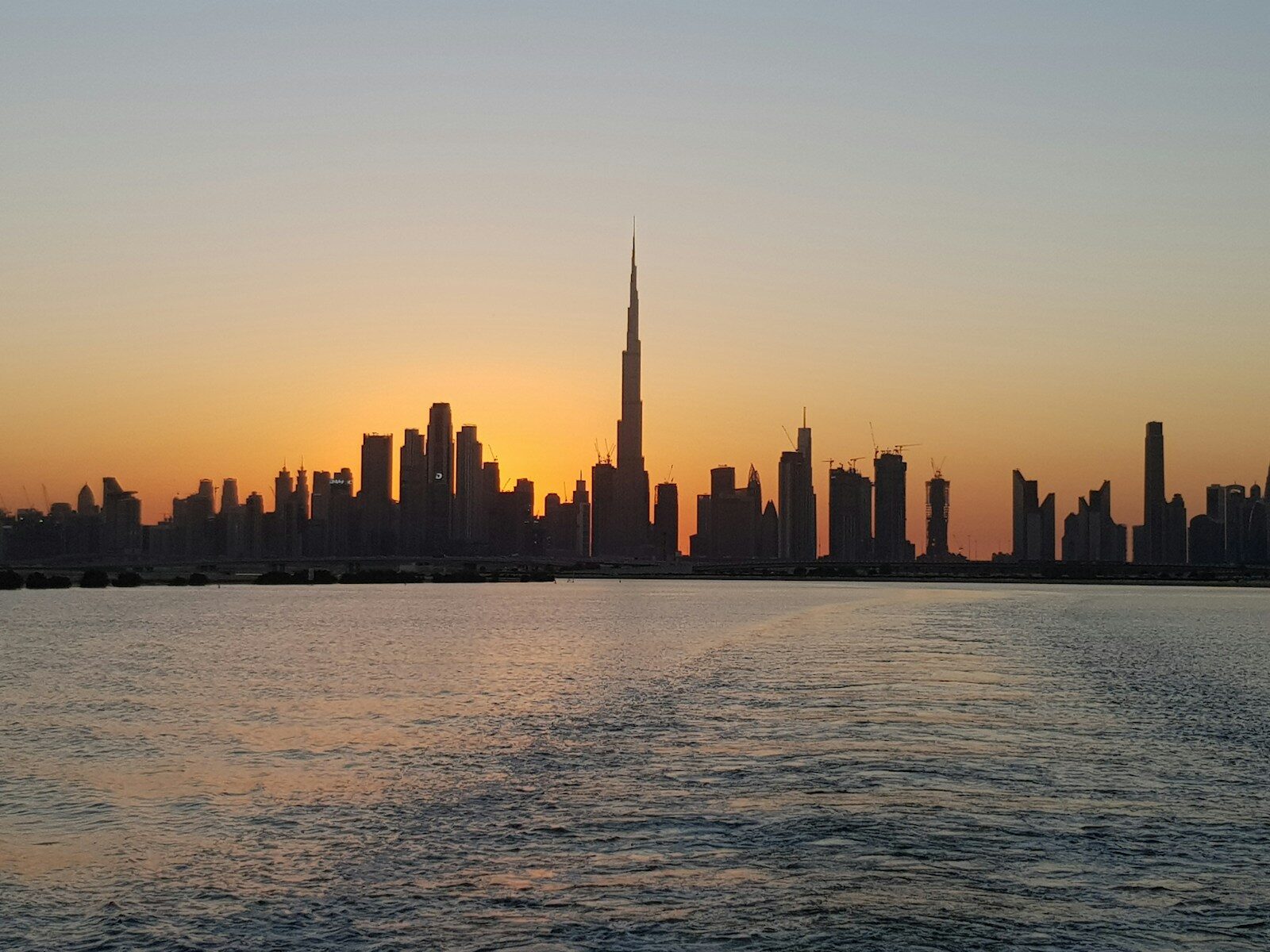
The United Arab Emirates sits at the southeastern corner of the Arabian Peninsula, sharing land borders with Saudi Arabia and Oman and staring across the Arabian Gulf toward Iran. It is a small country — roughly eighty-three thousand square kilometres, about the size of South Carolina — and it is almost entirely desert: flat coastal plains rising into rolling red dunes inland, with the rocky Hajar mountains along the Omani border in the east.
That geography defines everything. There are no rivers, no natural lakes, and barely any rain — Dubai’s water comes from desalination plants, its greenery from irrigation. The coastline is the UAE’s crown jewel: a shallow, warm Gulf shoreline with white-sand beaches, reshaped by the Palm Jumeirah.
The climate is two seasons pretending to be four. October through April is the glory window: warm, dry, and blue-skied, with highs of twenty-four to thirty-two degrees and cool desert evenings. May through September is genuinely punishing — forty to forty-eight degrees with suffocating coastal humidity. Rain is a rumour most of the year. Natural hazards are minor — dust storms inland, the odd flash flood in the Hajar wadis.
People & Demographics
The UAE’s population is about nine and a half million — and roughly eighty-eight percent are expats. Emiratis, the native citizens, number only around one in eight residents; no other country on Earth has this ratio of foreigners to locals.
The expat mix is heavily South Asian — Indians, Pakistanis, and Bangladeshis make up well over a third of the population — joined by Filipinos, Egyptians, British expats, Europeans, and a growing Russian community: over two hundred nationalities in all, with a median age of around thirty-three.
Islam is the state religion and roughly three-quarters of residents are Muslim; sizeable Hindu, Christian, and Buddhist communities worship freely. Arabic is the official language, but English is the de facto working language — you can travel for weeks without needing an Arabic sentence.
Mini phrasebox (Arabic):
- Marhaba — hello
- Shukran — thank you
- Afwan — excuse me / you’re welcome
- Sabah al-khair — good morning
- Inshallah — God willing (you will hear this constantly)
Culture, Etiquette & Daily Habits
The UAE is a Muslim country with a Western-facing expat economy — more relaxed than Saudi Arabia, more rule-bound than it first appears. Tourists are welcome; carelessness about local norms is not.
Dress: Modesty in public is the rule of thumb. Swimwear belongs on the beach, not in the mall. Outside beaches and hotel pools, cover shoulders and knees — men included. At the Sheikh Zayed Grand Mosque, women must cover hair, arms, and legs (the centre no longer lends abayas for free — bring your own or buy one at the adjacent souk for around forty-five dirhams).
Do:
- Shake with the right hand; greet with As-salamu alaykum in a traditional space.
- Accept offered Arabic coffee or dates — refusing is genuinely rude.
- Tip ten to fifteen percent in sit-down restaurants; round up for taxi drivers and tip hotel porters five to ten dirhams.
Don’t:
- Drink alcohol in public — it is illegal outside licensed venues. Public drunkenness is a genuine criminal offence.
- Photograph people without permission, especially Emirati women.
- Swear, gesture rudely, or make public displays of affection — decency laws exist and fines are real.
- Eat or drink in public during Ramadan daylight hours in front of fasting colleagues.
Lifestyle
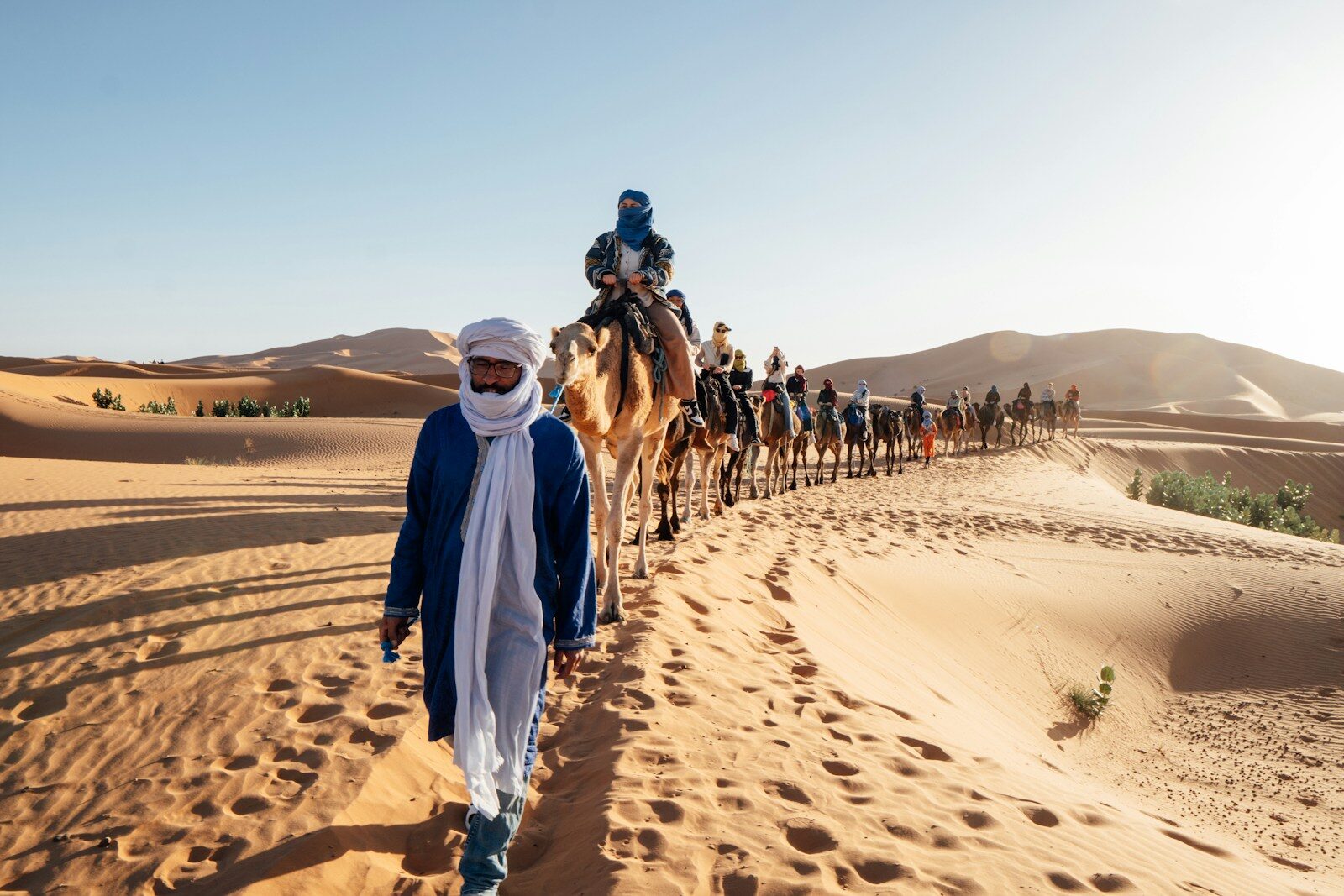
Dubai’s daily rhythm is shaped by heat and mall. The work week runs Monday to Friday, and life organises around air-conditioning: malls are climate-controlled public squares. Nightlife concentrates in hotels and licensed venues, not street-level pubs.
Food is the great equaliser: Emirati and Gulf Arab dishes, Levantine and South Asian cafeterias (a full meal for fifteen to thirty dirhams in Satwa or Karama), and every global franchise you know. The shawarma and karak tea run — spiced milky tea for two or three dirhams — is the country’s unofficial national ritual, best taken at a roadside cafeteria at midnight.
Main Cities
Dubai — The headliner: the marina’s yacht towers, the Palm’s fronds, old Deira’s souks. The budget cheat code is old Dubai — Deira and Bur Dubai, where the real street food and cheap hotels live.
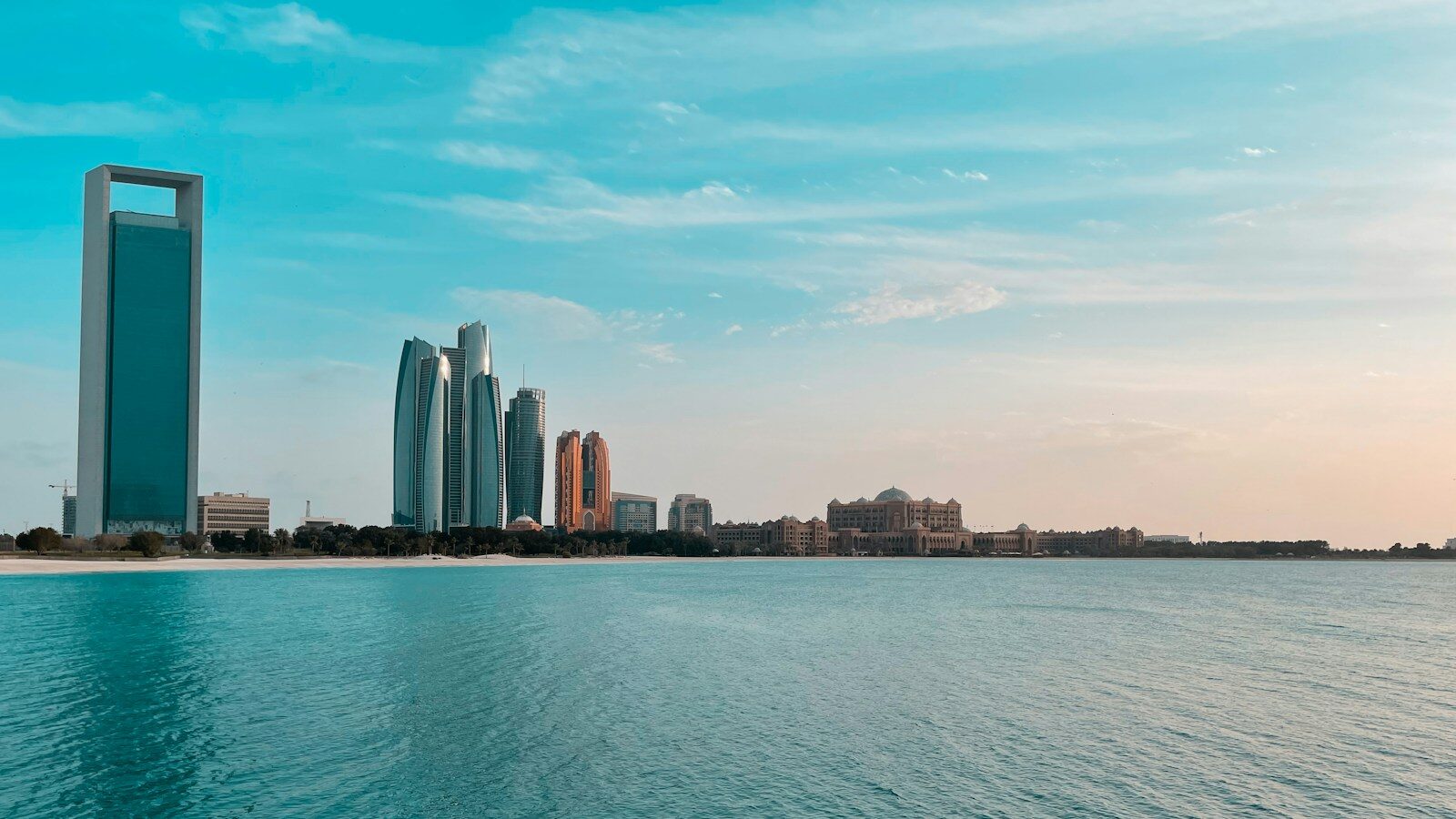
Abu Dhabi — The capital and the money. More stately than showy: the Corniche waterfront, the white-marble Sheikh Zayed Grand Mosque, the Louvre Abu Dhabi, and Yas Island’s theme parks. Slightly cheaper than Dubai.
Sharjah — Dubai’s neighbour and the UAE’s UNESCO-recognised cultural capital. Cheaper hotels and excellent museums — many budget travellers sleep here, forty-five minutes from Dubai.
Ras Al Khaimah — The northern emirate of mountains and long beaches, with Jebel Jais (the UAE’s highest peak) and the world’s longest zipline.
Fujairah — The east-coast emirate on the Gulf of Oman: Hajar mountains and dive sites, a favourite weekend snorkelling escape.
Ajman — The smallest emirate, with an unpretentious public beach and a traditional dhow-building yard. Barely visited by tourists, which is the point.
Top Places to Visit
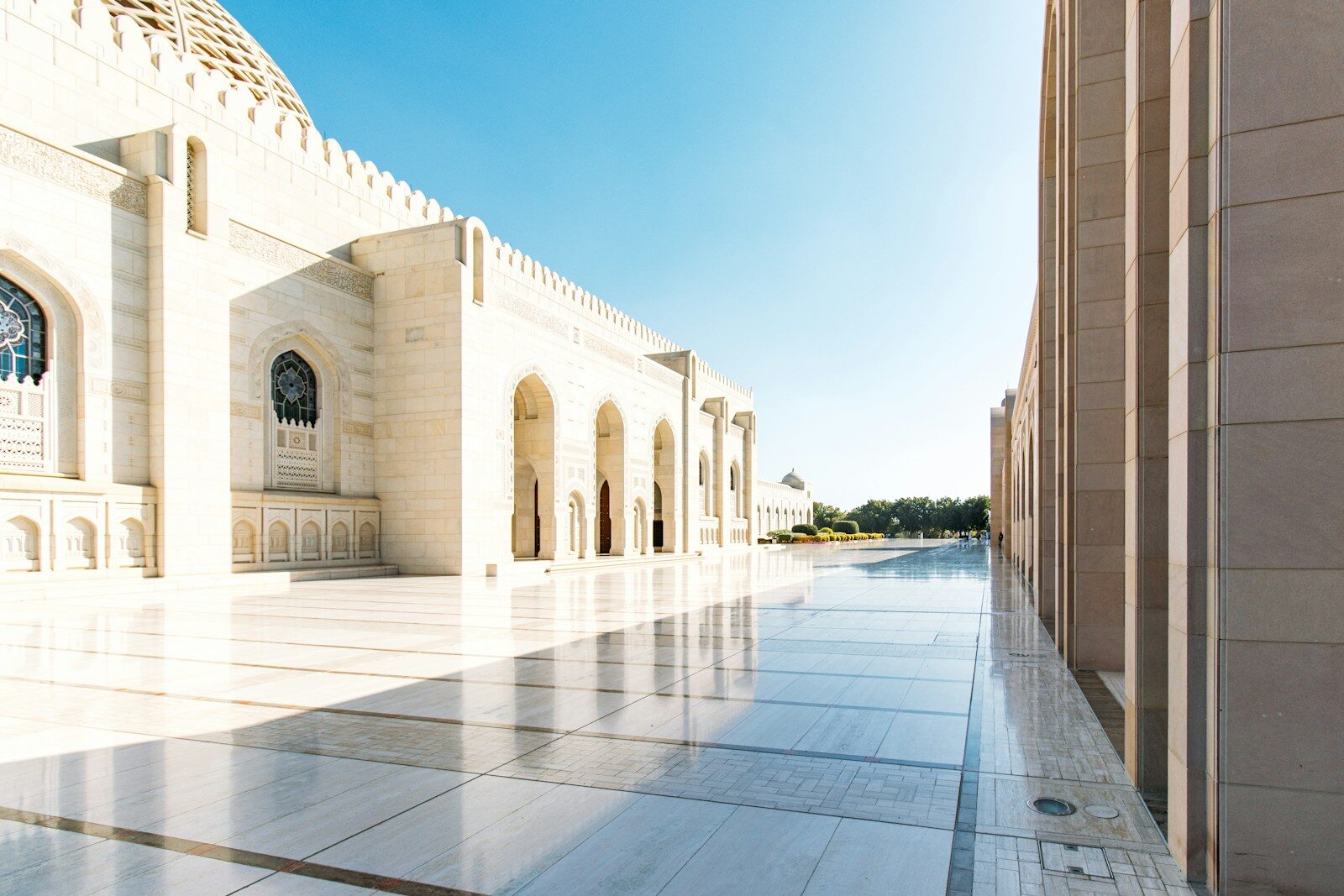
- Sheikh Zayed Grand Mosque, Abu Dhabi — White marble, eighty-two domes, the world’s largest hand-knotted carpet. Entry is now ten dirhams for tourists — absurd value.
- Burj Khalifa — At the Top, Dubai — The world’s tallest building at eight hundred and twenty-eight metres; observation decks on floors one hundred twenty-four and one hundred twenty-five.
- Dubai Mall & Dubai Fountain — The mall alone is a half-day (aquarium, ice rink, souk wing); the fountain show outside is free every evening from six.
- Al Fahidi Historical Neighbourhood — Dubai’s old quarter of wind-tower houses and coffee houses; the free self-guided walk is the city’s best cultural hour.
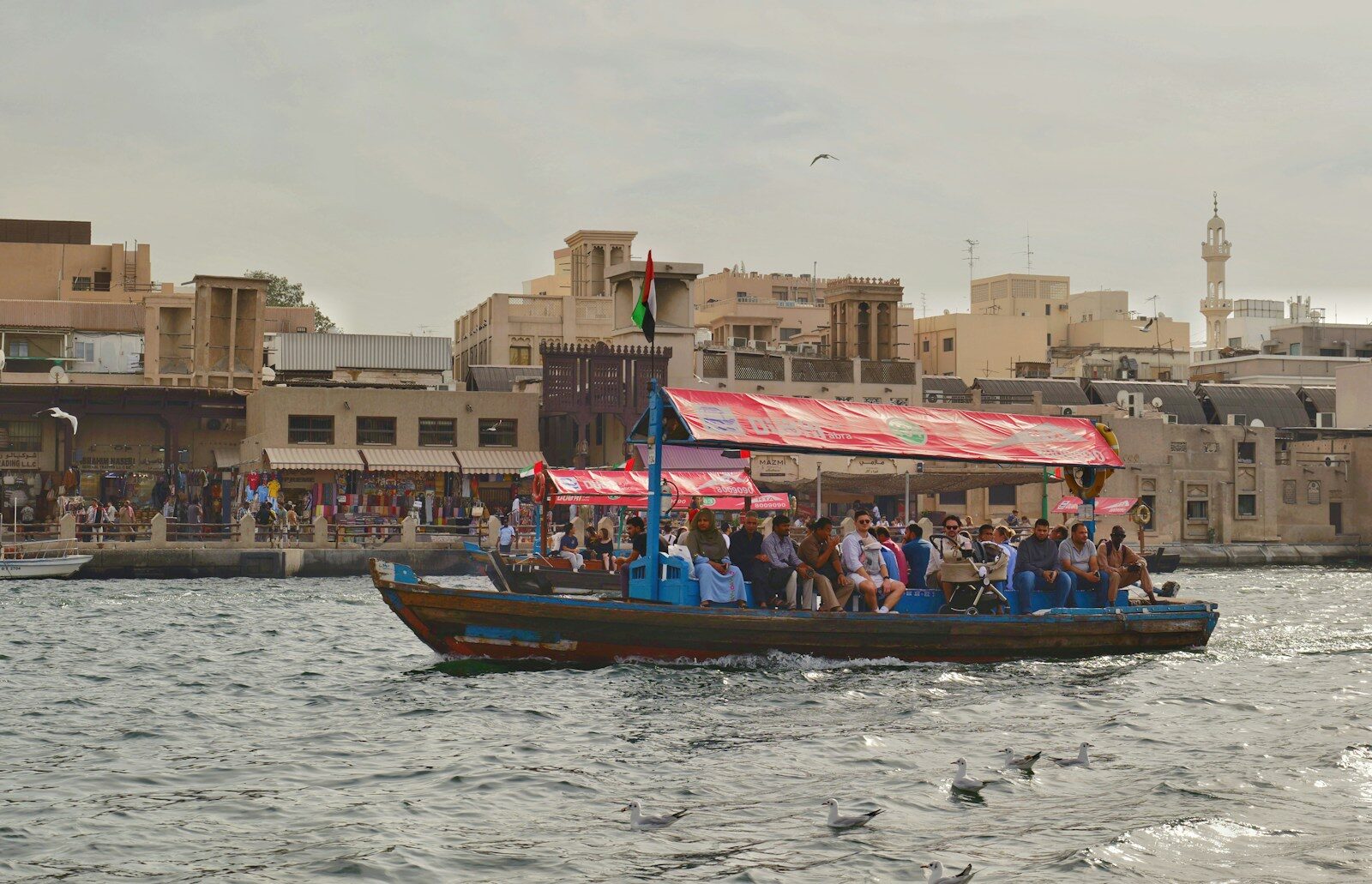
- Dubai Creek & abra ride — The wooden water taxi across the Creek costs one dirham — the cheapest scenic boat ride on Earth.
- The View at the Palm — A fifty-two-storey observatory over the Palm Jumeirah; half the price of the Burj and arguably the better photo.
- JBR Beach & Kite Beach — Free public beaches with the skyline as a backdrop; Kite Beach is the local pick for sunsets.
- Louvre Abu Dhabi — Jean Nouvel’s floating dome on Saadiyat Island; the Arab world’s first universal museum. Seventy dirhams, under-eighteens free.
- Yas Island, Abu Dhabi — Ferrari World’s Formula Rossa (the world’s fastest roller coaster) and Warner Bros. World; a full day for theme-park fans.
- Al Seef, Dubai — A Creek-side heritage promenade; lovely after dark.
- Liwa Oasis / Empty Quarter — The Rub’ al Khali’s towering red dunes, two hours from Abu Dhabi; the UAE’s most dramatic landscape.
- Hatta — Dubai’s mountain exclave: wadis, kayaking on the reservoir, cooler air.
🎟️ Book experiences in Dubai
Tours we’d actually book — free cancellation on most. We may earn a commission if you book through these links, at no extra cost to you. Our affiliate disclosure.
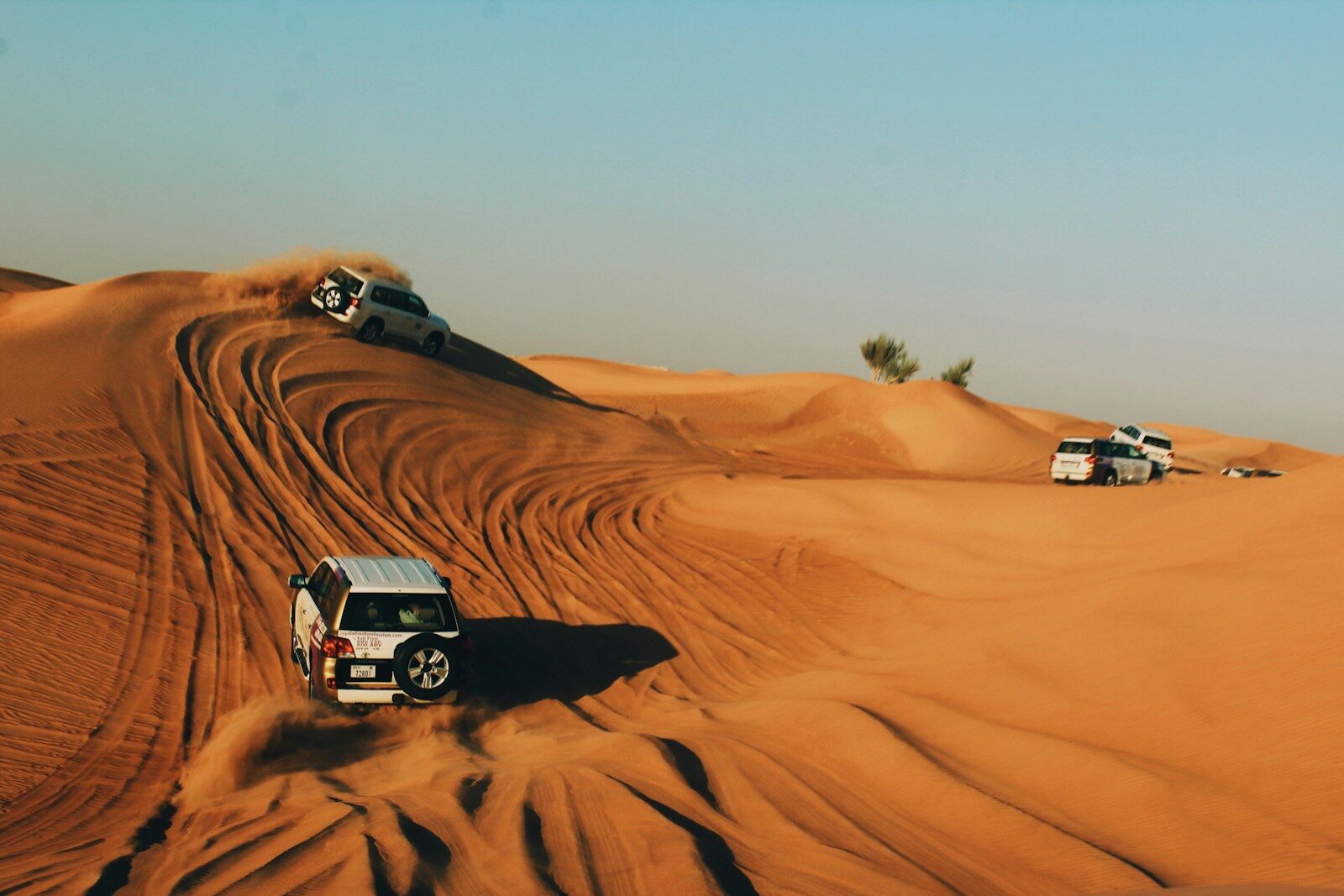
- Morning desert safari: dune bashing, camel ride & sandboarding — the Red Dunes at their best, done before the heat — and cheaper than the evening BBQ version.
- Burj Khalifa At the Top: levels 124 & 125 entry ticket — skip the walk-up queue (and walk-up price); book the sunset slot weeks ahead if you can.
- Burj Khalifa + evening desert safari combo — the two big-ticket splurges in one booking: observation deck by day, dune bashing and BBQ dinner by night.
- Browse all Dubai tours & activities
🎟️ More ways to book (Viator)
Two more reader-favorite ways to see the UAE. We may earn a commission if you book through these links, at no extra cost to you. Our affiliate disclosure.
- Desert safari + Burj Khalifa combo — dune bashing, BBQ dinner, and the world’s tallest tower, 97% recommended.
- Burj Khalifa & desert safari combo with dinner — sky-high views by day, desert camp feast by night.
When to Visit & Getting Around
When: October to April, full stop. November to March is perfection — twenty-five to thirty degrees, clear skies, every outdoor sight at its best. The Dubai Shopping Festival (typically mid-December to mid-January; the 2026–27 edition’s dates had not been announced at the time of writing) blankets the malls in discounts.
Getting there: Dubai International (DXB) is one of the world’s busiest airports, with ferocious fare competition. Abu Dhabi (AUH) often has cheaper long-haul fares.
Getting around Dubai: The driverless Metro is the budget traveller’s best friend. Buy a Silver Nol card at any station (twenty-five dirhams, nineteen in credit). Fares are AED 3 for one zone, AED 5 for two zones, AED 7.50 for three-plus zones, with a fourteen-dirham daily cap. The Red Line runs airport–Marina via Burj Khalifa/Dubai Mall; the Green Line covers old Dubai. Taxis are metered and honest but add up.
Abu Dhabi day trip: RTA buses (E100/E101) run Dubai–Abu Dhabi for about twenty-five dirhams each way, roughly two hours; from Abu Dhabi central station, the Grand Mosque is a short taxi ride. Allow ten to twelve hours door to door for the mosque plus the Corniche or Louvre.
Visa: Citizens of the US, UK, Canada, Australia, Japan, and the EU receive a free thirty-day visa on arrival, extendable once — no application, no fee. Always confirm your nationality’s current rules on the official UAE portal (u.ae) before flying, as policies shift.
✈️ Find cheap flights to Dubai — compare fares across airlines and booking sites in one search. Affiliate link: we may earn a commission at no extra cost to you.
🚗 Rent a car in the UAE — compare rental prices across suppliers in one search. Affiliate link: we may earn a commission at no extra cost to you.
Budget
The dirham (AED) is pegged at 3.67 to the US dollar — the exchange math never changes, so divide by roughly three point seven for dollars. Credit cards are accepted almost everywhere; cash is for souks, cafeterias, and abras.
Budget — AED 250–400/day (~$70–110): Hostel dorm or budget hotel in Deira/Bur Dubai (AED 80–150), metro everywhere, cafeteria meals (shawarma ten to fifteen dirhams, karak tea two to three), free beaches, the fountain, Al Fahidi, one-dirham abra rides.
Mid-range — AED 600–1,000/day (~$165–270): Three-star hotel in Barsha or Business Bay (AED 300–500), a mix of restaurants and cafeterias, one paid attraction a day (Burj Khalifa At the Top from around AED 175 off-peak, up to about AED 250 at sunset; the Louvre at AED 70; the Grand Mosque at AED 10).
Comfort — AED 1,500+/day (~$410+): Five-star on the Palm or Marina, prime-time Burj Khalifa, a half-day desert safari (from around AED 150–250), dinner with a view.
Money-saving truths: the best things are free (beaches, fountain, marina walk, mosque grounds); metro beats taxis; eat where the taxi drivers eat (Karama, Satwa, old Deira); Global Village (October–April, entry around twenty-five dirhams) is the cheapest evening in Dubai.
Practical Tips
- Stay connected: Tourist eSIMs are sold at the airport; a one-week data pack runs about fifty to seventy-five dirhams. Free Wi-Fi is everywhere in malls and the metro.
- Cash vs card: Cards work in ninety-five percent of places. Carry a hundred dirhams in small notes for abras, cafeterias, and souk vendors.
- Power: Type G (UK-style) plugs at two hundred thirty volts — bring a universal adapter.
- Emergency numbers: 999 for police, 998 for ambulance, 997 for fire. Tourist police stations sit inside the big malls.
- Water and sun: Tap water is desalinated and technically safe, but nearly everyone drinks bottled. In summer, carry water everywhere and plan outdoor sights for before ten in the morning.
- Alcohol: Only in licensed venues. Never drink in public; the driving limit is effectively zero.
- Friday mornings: Plan around the midday prayer pause; malls open later on Fridays and the Grand Mosque splits visiting hours (9:00–11:30am and 2:30–8:30pm).
🛍️ Shop this guide: UAE packing essentials
Gear we’d actually pack for this trip. As an Amazon Associate we earn from qualifying purchases — at no extra cost to you. Our affiliate disclosure.
- Universal travel adapter — the UAE uses Type G (UK-style) plugs at 230V; one adapter covers the whole trip.
- High-SPF sunscreen — the Gulf sun is brutal even in “winter”; reapply between the marina walk and the souk.
- Polarized sunglasses — white marble, white sand, and glass towers: Dubai is essentially one giant glare.
- Portable charger (20,000mAh) — long metro days, fountain-night photography, and maps will drain a phone by dinner.
🧳 Plan your trip: the UAE
Flights, stays, tours, and cruises — booked in one place. We may earn a commission if you book through these links, at no extra cost to you. Our affiliate disclosure.
- ✈️ Find cheap flights to the UAE — compare fares across airlines and booking sites in one search.
- 🏨 Browse our Expedia Travel Shop — hand-picked stays and travel deals from our curated storefront.
- 🎟️ Browse Dubai tours & activities — free cancellation on most.
- 🛳️ Compare Arabian Gulf cruises on CruiseDirect — sailings from Dubai and Abu Dhabi.
Closing
The UAE is a dare made into a country — a place that looked at empty desert and built the future on it, then invited two hundred nationalities to move in and help. Come for the skyline, stay for the shawarma: take the metro, ride the one-dirham abra, and stand in the Grand Mosque’s courtyard at dusk when the marble glows pink.
FAQ
Is Dubai expensive to visit?
It can be, but it does not have to be. A realistic budget day runs AED 250–400 (~$70–110) with a Deira hotel, metro rides, and cafeteria meals — and the best sights (fountain, beaches, marina, Al Fahidi, abra rides) are free or nearly free.
How many days do you need in the UAE?
Four to five days covers Dubai plus a day trip to Abu Dhabi (Grand Mosque and Louvre). Add a day for a desert safari or Hatta; a week adds Sharjah and Ras Al Khaimah.
Is Dubai safe for tourists?
Yes — among the world’s safest big cities, with very low street crime. The rules to respect are behavioural: no public drinking, no public displays of affection, no photographing people without permission.
When is the best time to visit Dubai?
November to March, when highs sit around twenty-five to thirty degrees. October and April are good shoulder months; June to September is forty degrees plus — visit then only for malls and museums.
Do I need a visa for the UAE?
Most Western nationalities (US, UK, Canada, Australia, Japan, EU) get a free thirty-day visa on arrival, extendable once. Others should check the official UAE portal (u.ae) — many nationalities need a pre-arranged tourist visa.
Is the Dubai Metro good for tourists?
Excellent. The driverless Red and Green lines connect the airport, Burj Khalifa/Dubai Mall, the Marina, and old Dubai. A Silver Nol card costs twenty-five dirhams (nineteen in credit); rides are AED 3–7.50 with a fourteen-dirham daily cap.
Keep Exploring
If the UAE’s futuristic side hooked you, Singapore is the other city-state that turned ambition into a skyline. For the luxury-resort half of the Gulf fantasy at lower prices, our Maldives travel guide covers the day-trip math. India is a cheap two-to-four-hour hop from Dubai, and Sri Lanka is the perfect nearby budget beach alternative.
[…] north. For another Mediterranean coastline with ancient history and island-hopping, see our UAE travel guide — Dubai and Abu Dhabi are the modern counterpoint to Rome’s ancient grandeur. Craving more […]
[…] UAE travel guide — Dubai on a budget, plus Abu Dhabi in a day. […]