 admin
Introduction
Czechia is Europe’s great overachiever in miniature: a landlocked country barely bigger than South Carolina that holds two thousand castles, the world’s oldest working astronomical clock, the largest ancient castle complex on the planet, and a people who drink more beer per person than anyone else on Earth. This guide does the classic first trip properly: two days in Prague, done at walking pace, with the beer halls, the castle, and the bridge at dawn — then the day trips that show you the rest of the country, from a fairy-tale town curled inside a river bend to a church decorated with forty thousand skeletons. Along the way you’ll get the practical numbers that matter in 2026, from the PID transport pass to the price of a half-litre in a proper hospoda.
Geography & Climate
Czechia (the Czech Republic) sits in the heart of Central Europe, landlocked between Germany, Austria, Poland, and Slovakia, covering 78,871 square kilometres. The country splits into two historic lands: Bohemia in the west, ringed by forested mountains, and Moravia in the east, gentler and wine-growing. The Vltava — the country’s longest river — winds north through Prague to join the Elbe, and it is the Vltava’s bends that give both Prague and Český Krumlov their shapes.
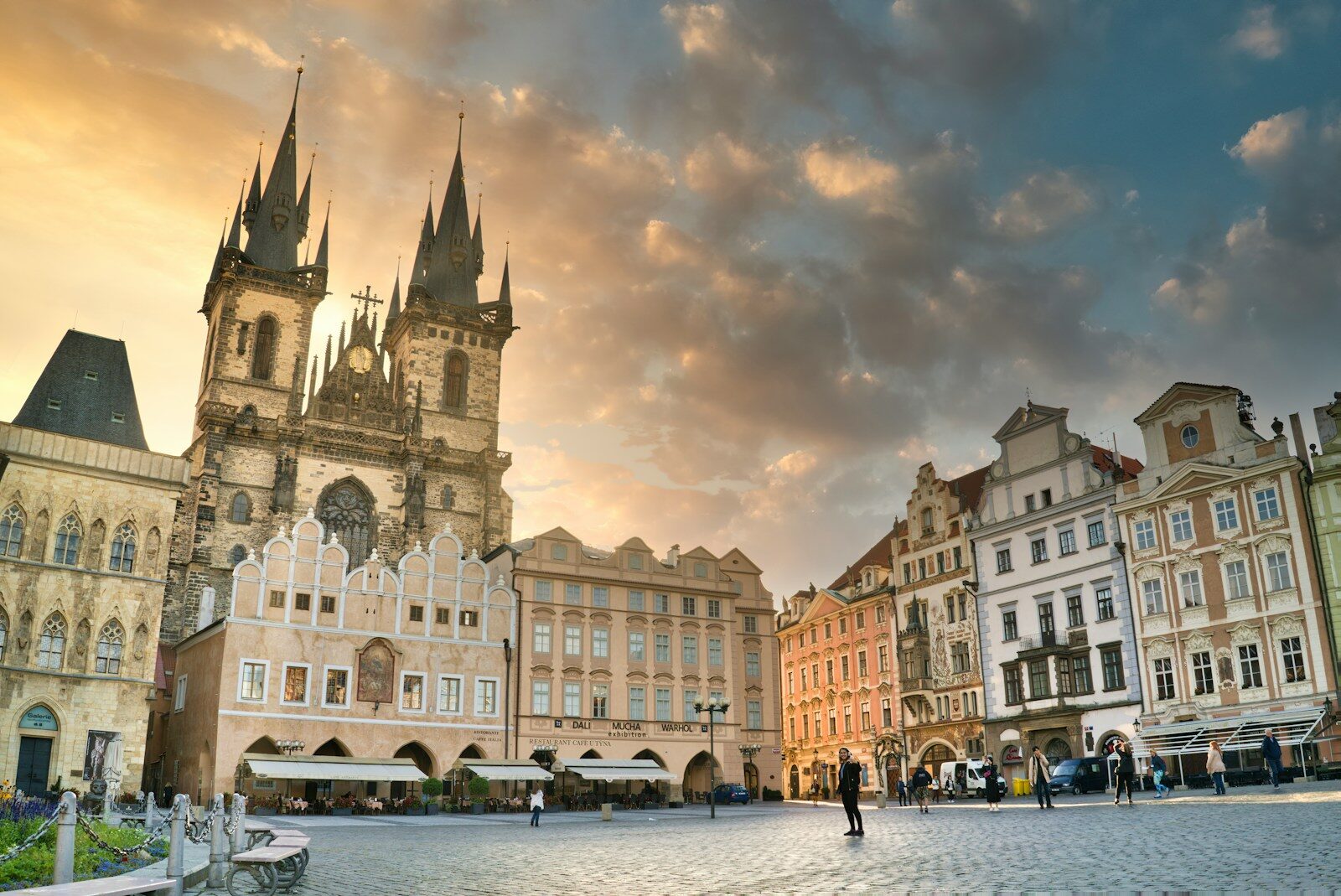
The climate is temperate continental: warm summers (25–28°C in July, with occasional heatwaves), cold winters (around freezing in January, with snow in the mountains), and the two sweet spots every traveller should aim for — May to June and September, when the light is golden, the crowds thin, and the beer gardens are open. Winter brings the Christmas markets, late November to early January, when Old Town Square fills with wooden stalls, mulled wine, and the smell of roasting ham. The worst weather surprise is a summer thunderstorm rolling in over the castle — dramatic, brief, and best watched from under a pub awning.
People & Demographics
Czechia has about 10.9 million people, and roughly 1.3 million of them live in Prague, the capital and by far the largest city. Brno, the Moravian capital, has around 400,000; Ostrava, the old industrial centre in the northeast, around 280,000. The population is ethnically about 90% Czech, with Slovak, Ukrainian, Vietnamese, Polish, and German minorities, and it is one of the least religious countries in Europe — a majority describe themselves as unaffiliated, with Roman Catholicism the largest faith among believers.
Czechs are famously reserved at first and warm once the ice breaks — the ice usually breaks over a beer. The national character runs on dry humour, a love of the outdoors (hiking and mushroom-picking are near-religious), and a deep attachment to the pub as a social institution. Czech is the official language; English is widely spoken in Prague’s hotels, restaurants, and attractions, less so in small towns, where a few Czech words earn genuine smiles. The country joined the EU in 2004 and is in Schengen, but it keeps its own currency, the koruna — a point of pride and a practical detail that shapes every price in this guide.
Mini phrasebox: Dobrý den (hello) · Děkuji (thank you) · Prosím (please / you’re welcome) · Na zdraví (cheers) · Pivo, prosím (a beer, please) · Kolik to stojí? (how much?) · Nashledanou (goodbye).
Culture, Etiquette & Daily Habits
The pub is the centre of Czech social life, and it runs on rules worth learning. Beer is ordered by the half-litre, served with a thick head of foam, and the toast — Na zdraví — is made with eye contact; looking away is bad luck and worse manners. In a hospoda, the waiter marks your tally on a slip of paper and you pay at the end; don’t wave money around mid-meal. Shoes come off in Czech homes (always — bring clean socks), and greetings are formal at first: Dobrý den with a handshake, first names only when offered.
Do: Greet shopkeepers and waiters with “Dobrý den”; say “Na zdraví” with eye contact when toasting; validate your transport ticket before boarding; try the lunch menu (polední menu) — the best-value meal of the day; take your shoes off when entering someone’s home.
Don’t: Drink alcohol on the street in central Prague — it’s banned in many public areas; assume euros are accepted (the koruna is the only currency); leave a tip on the table — tell the server the total you want to pay when handing over the money; photograph inside churches during services.
Tipping is modest but real: 10% in restaurants, round up for taxis and café bills. In pubs, rounding the bill up to the nearest ten crowns is standard. Queueing is taken seriously, and so is punctuality — trains run on time, and so should you.
Lifestyle
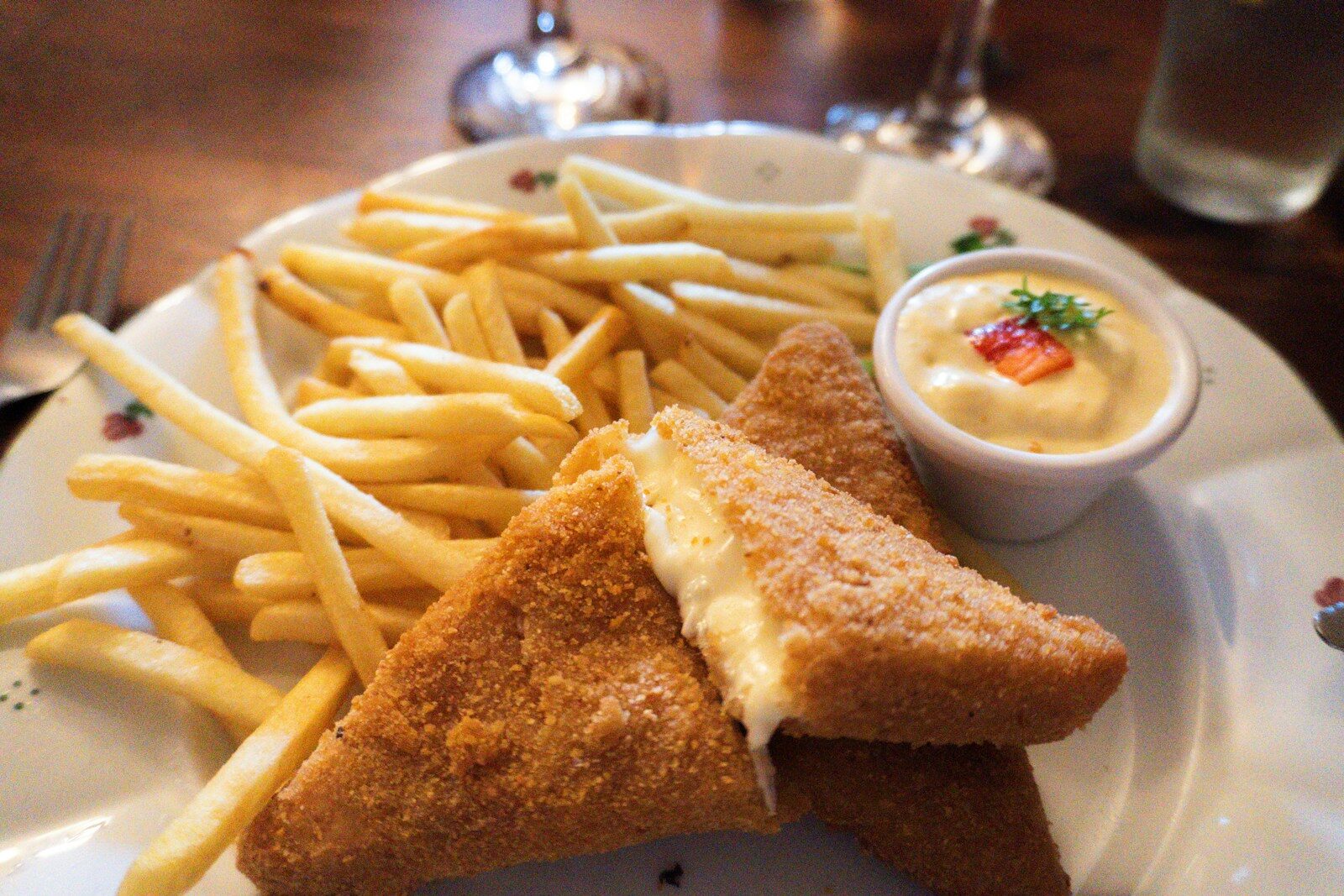
Food is hearty, beery, and built for cold weather. The canon: svíčková (beef in cream sauce with bread dumplings), goulash with knedlíky, smažený sýr (fried cheese), roast pork with dumplings and sauerkraut, and trdelník — the chimney cake rolled in sugar and cinnamon that tourists queue for in the Old Town (locals will tell you it’s a tourist invention and eat koláče instead). Lunch is the main cooked meal; dinner is often lighter, and often in a pub.
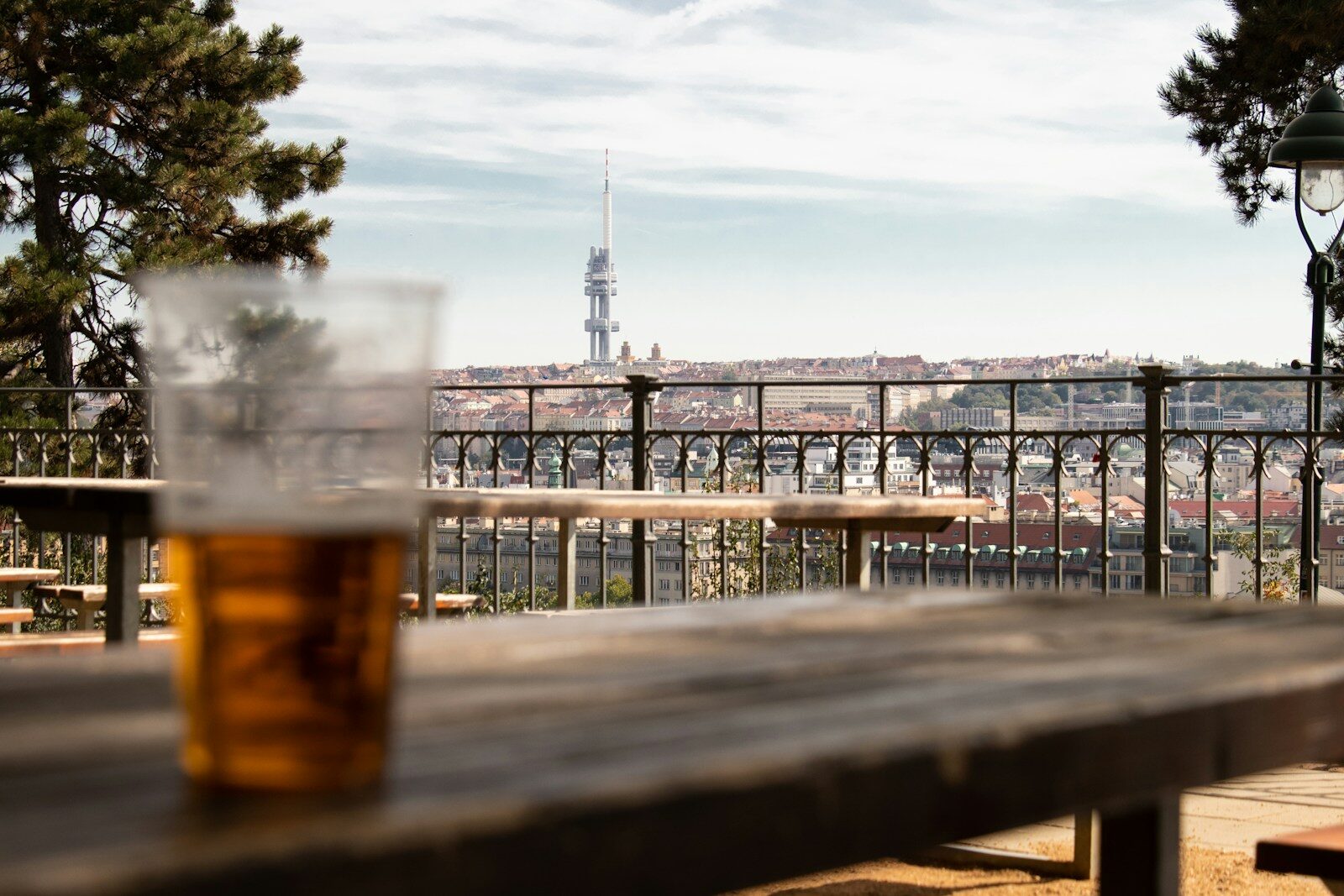
Work culture is orderly and early — offices start around 8am, shops close by 6 or 7pm, and weekends belong to the cottage (chata) in the countryside or a hike in the Bohemian hills. Evenings in Prague belong to the beer gardens in summer (Letná, Riegrovy Sady, and the riverside Náplavka are the big ones) and to smoky pubs in winter. Sport means ice hockey first — the national team is a perennial world power — then football (Sparta and Slavia Prague are the big rivalry), and in the mountains, skiing and cross-country in winter, hiking and cycling in summer.
Main Cities
Prague (pop. ~1.3 million) — The capital and the reason most people come: a thousand years of spires, bridges, and beer halls in one walkable old town. Two days covers the highlights; a third lets you breathe.
Brno (pop. ~400,000) — Moravia’s capital, younger and looser than Prague: a student city with a buzzing café scene, the Villa Tugendhat (a UNESCO-listed modernist icon), and the Špilberk Castle above the old town.
Ostrava (pop. ~280,000) — The former steel city reinvented as a cultural hub: the Lower Vítkovice industrial site (now a museum and concert venue) and the Colours of Ostrava festival in July.
Plzeň (pop. ~170,000) — The home of pilsner: the Pilsner Urquell brewery tour is the essential pilgrimage, and the old town square is one of Bohemia’s prettiest.
Olomouc (pop. ~100,000) — A university town with a UNESCO-listed Holy Trinity Column, Baroque fountains, and a fraction of Prague’s crowds.
České Budějovice (pop. ~95,000) — The Budvar brewery’s home (the original Budweiser, in a trademark dispute with the American one for over a century) and gateway to Český Krumlov.
Karlovy Vary (pop. ~50,000) — The grand spa town: twelve hot springs, colonnades, and a film festival that fills the town every July.
Liberec (pop. ~105,000) — The mountain city under Ještěd peak, a base for hiking and skiing in the Jizera Mountains.
Top Places to Visit
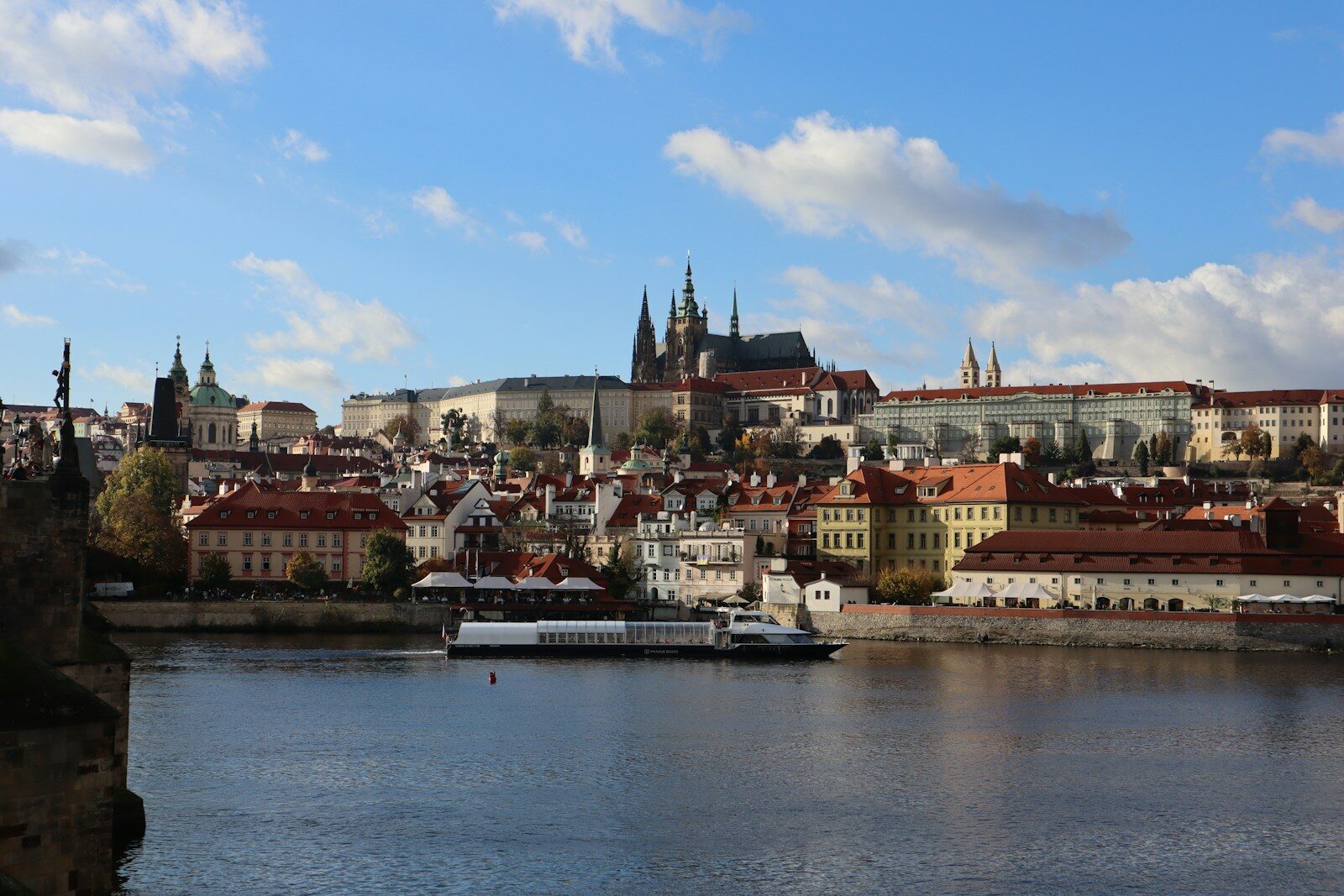
- Prague Castle, Prague — The largest ancient castle complex in the world (Guinness), watching over the Vltava since the 9th century. Grounds are free; the Main Circuit ticket (450 CZK, ~$21) covers St. Vitus Cathedral, the Old Royal Palace, St. George’s Basilica, and Golden Lane.
- Charles Bridge, Prague — First stone laid at 5:31am on 9 July 1357, chosen by Charles IV for the numerology 1-3-5-7-9-7-5-3-1. Cross at dawn before the crowds arrive; free, open 24 hours.
- Old Town Square & Astronomical Clock, Prague — The clock has ticked since 1410, the oldest working astronomical clock on Earth. The Apostles parade every hour on the hour.
- Jewish Quarter (Josefov), Prague — The Old Jewish Cemetery, the Spanish Synagogue, and the Pinkas Synagogue memorial — one of Europe’s most important Jewish heritage sites.
- Petřín Hill & Lookout Tower, Prague — The funicular (reopened September 2026) climbs to a mini-Eiffel Tower with the best panoramic view in the city.
- Vyšehrad, Prague — The older, quieter fortress above the river: a cemetery of Czech greats, a rotunda, and sunset views without the crowds.
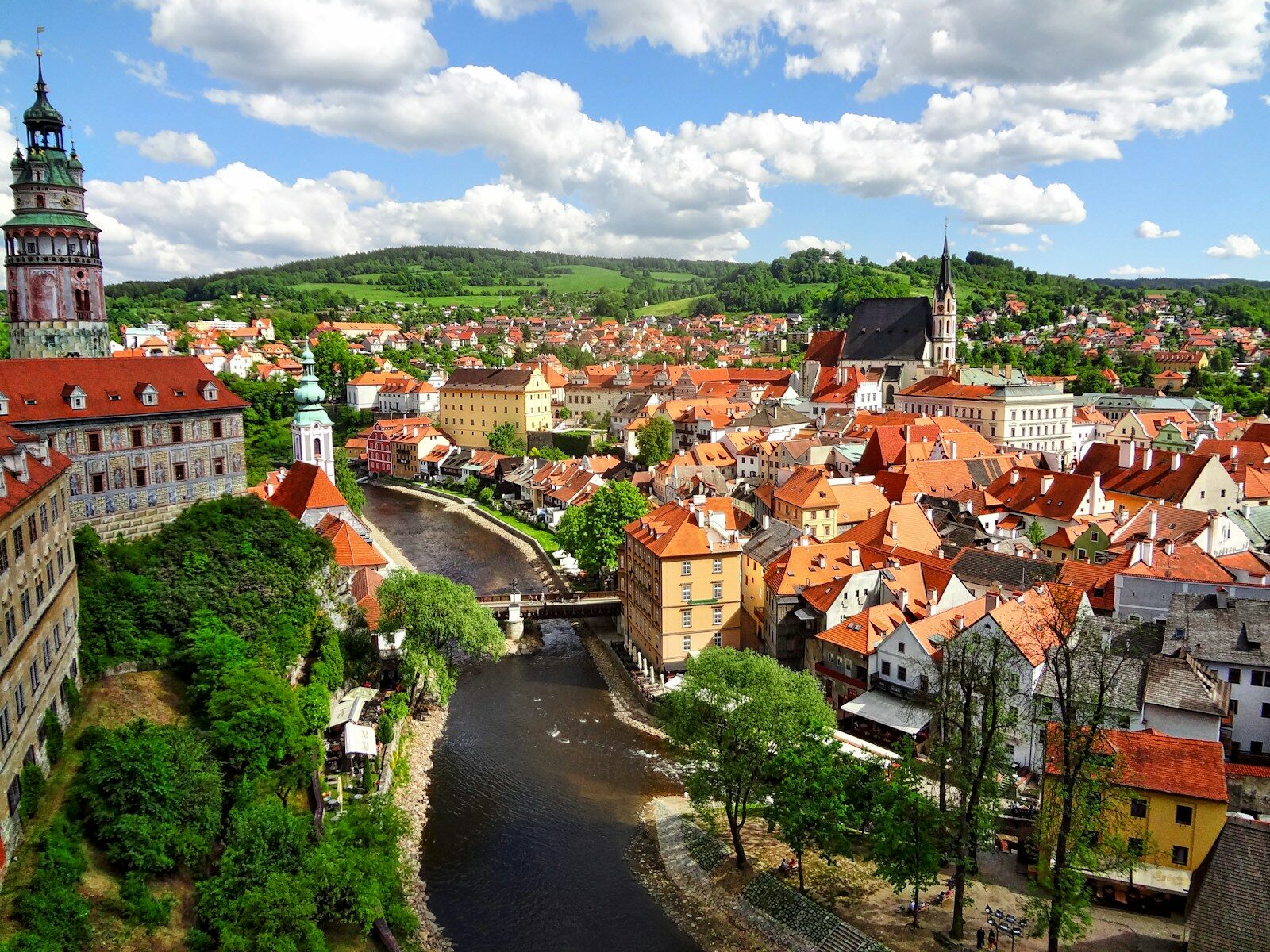
- Český Krumlov — UNESCO since 1992: a fairy-tale town curled inside a tight bend of the Vltava, castle above, cobbles below, about 2 hours south of Prague.
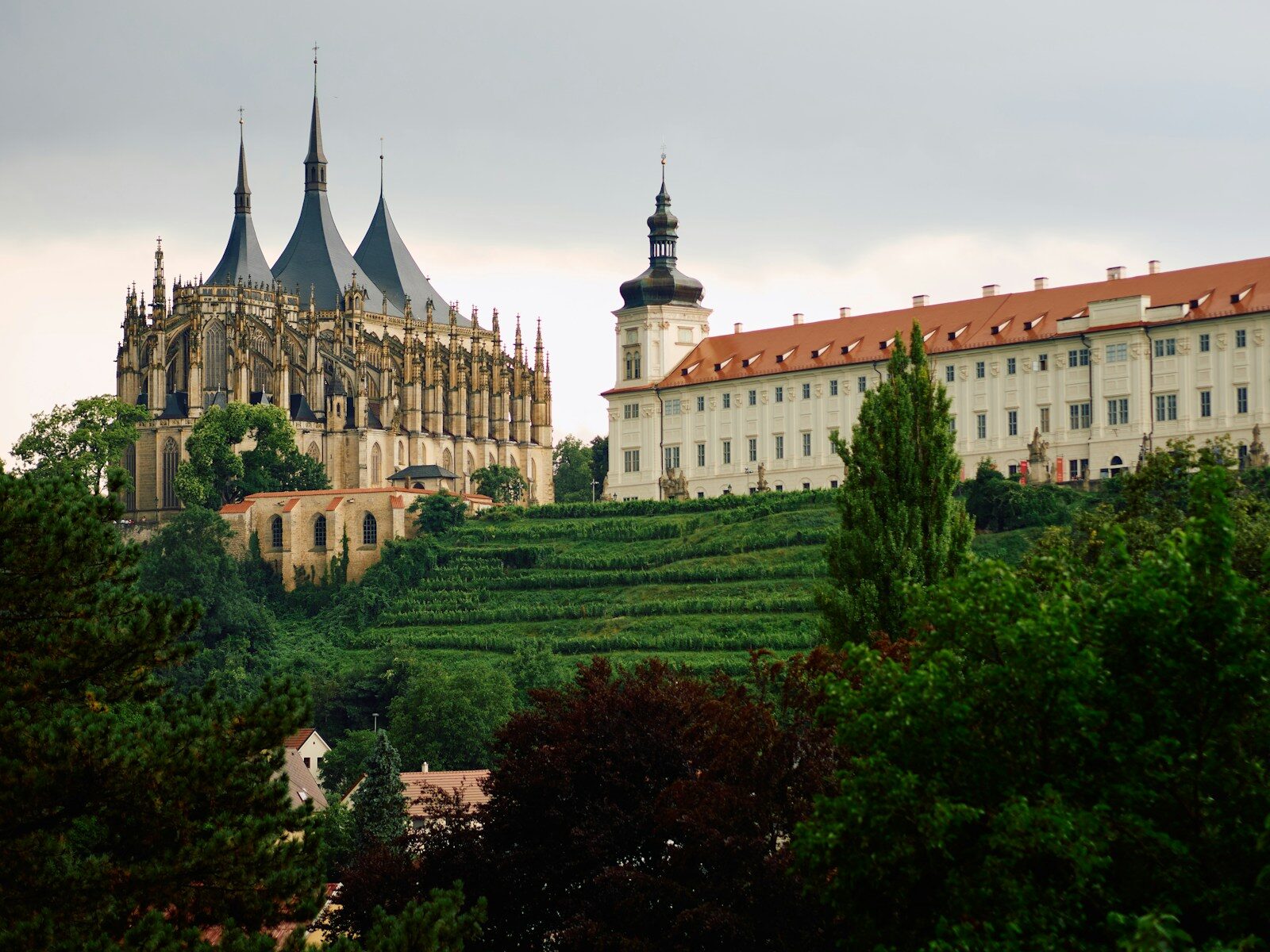
- Kutná Hora — UNESCO since 1995: the Sedlec Ossuary (Bone Church), decorated with the bones of around 40,000 people, and the soaring St. Barbara’s Church. One hour by train.
- Karlovy Vary — Spa colonnades, hot springs you can drink from (bring a cup), and the grand hotels of a 19th-century resort.
- Telč — A Renaissance square so perfect it looks painted, UNESCO-listed, and blissfully uncrowded.
- Sky Bridge 721, Dolní Morava — The world’s longest pedestrian suspension bridge at 721 metres, swaying 95 metres above a mountain valley.
- Lednice–Valtice Cultural Landscape — UNESCO-listed châteaux, gardens, and follies in South Moravia — the “Garden of Europe”.
🎟️ Book experiences in Czechia
Tours we’d actually book — free cancellation on most. We may earn a commission if you book through these links, at no extra cost to you. Our affiliate disclosure.
- Prague: Official Entry Ticket to Prague Castle — skip-the-line access to the Old Royal Palace, St. Vitus Cathedral, St. George’s Basilica, and Golden Lane, valid for 2 days.
- Prague: 50-Minute Sightseeing Evening Cruise — Charles Bridge, Prague Castle, and Kampa Island lit up at night, with audio guide, from the Vltava.
- From Prague: Český Krumlov Full-Day Tour with Pickup — the UNESCO-listed old town and castle courtyards with a guide, hotel pickup included.
- Browse all Prague tours & activities
🎟️ More ways to book (Viator)
More Czechia tours with free cancellation on most. We may earn a commission if you book through these links, at no extra cost to you. Our affiliate disclosure.
- Český Krumlov day trip from Prague with castle tour — a 10-hour trip to the UNESCO town with a guided walking tour of the old town and castle interiors in season.
- Old Town, Astronomical Clock & Underground Tour — the medieval underground, the Old Town Hall interiors, and the clock tower with a guide.
When to Visit & Getting Around
Best time: May–June and September for the best balance of weather, light, and crowds. July–August is peak season — hot, crowded in the Old Town, and the beer gardens are at their best. November–March is cold and quiet, but the Christmas markets (late November to early January) make winter the most atmospheric season of all. The Prague Spring music festival runs May–June; Easter markets fill the squares in spring.
Getting there: Václav Havel Airport Prague (PRG) is the main gateway. Bus 59 runs to Nádraží Veleslavín (metro line A) on a normal PID ticket; the Airport Express bus to the main station costs 200 CZK and is NOT covered by PID passes. Most visitors from the US, Canada, UK, EU, and Australia need no visa — Schengen rules allow 90 days in 180.
Getting around: Prague runs on one integrated PID ticket covering metro, trams, buses, and the Petřín funicular (reopened September 2026). Buy in the PID Lítačka app, where fares are cheaper: 30 minutes 36 CZK, 90 minutes 46 CZK, 24 hours 140 CZK, 72 hours 340 CZK (paper tickets cost a few crowns more). The 72-hour pass is the best value for a weekend trip. Children under 6 and seniors 65+ travel free; the fine for travelling without a valid ticket is 800–1,500 CZK, and inspectors do check. For day trips, trains are fast and cheap: Kutná Hora is about an hour, Brno 2.5 hours, Český Krumlov about 2 hours by coach. In the countryside, rent a car — the castles and wine villages are spread out and buses are thin.
✈️ Find cheap flights to Czechia — compare fares across airlines and booking sites in one search. We may earn a commission if you book through this link, at no extra cost to you.
🚗 Rent a car in Czechia — compare rental prices for a Bohemian castle road trip or a Moravian wine weekend. We may earn a commission if you book through this link, at no extra cost to you.
Budget
Prices in Czech koruna (CZK), with US dollars at roughly 21 CZK to the dollar (November 2026). Czechia is one of the best-value countries in Western-facing Europe — a proper meal and a beer cost less than a sandwich in Paris.
- Budget ($45–65 per day): hostel dorm or budget pension ($18–30), lunch menus and pub dinners ($8–15 food), a 72-hour PID pass, and free sights — the bridge, the squares, Vyšehrad, and the castle grounds cost nothing.
- Mid-range ($100–160 per day): boutique hotel in the Old Town or Malá Strana ($55–100), restaurant dinners with beer ($20–35 food), the castle ticket, a river cruise, and a day trip to Český Krumlov or Kutná Hora.
- Comfort ($220+ per day): 4–5-star hotel with a castle view ($150+), private guides, a brewery tour in Plzeň, a beer spa, and a rental car for the countryside.
Money-saving truths: The lunch menu (polední menu, 150–220 Kč) is the cheapest proper meal in Europe — order it everywhere. The castle grounds, Charles Bridge, and the squares are free; only the interiors charge. A 72-hour PID pass (340 CZK) beats buying singles after a day and a half. And the most expensive mistake is eating in the Old Town Square itself — walk two streets in any direction and the same meal costs half as much.
Practical Tips
- Pay in koruna, not euros. Some tourist shops accept euros at a terrible rate. Use cards (widely accepted) or withdraw koruna from an ATM, and always choose to be charged in CZK, not your home currency.
- Validate your ticket. Paper PID tickets must be stamped in the yellow machine before boarding; app tickets activate on purchase. Unvalidated tickets are invalid and inspectors fine on the spot.
- Cross Charles Bridge at dawn. By 10am it’s a slow-moving river of people; at 6am it’s yours, with the castle glowing across the water.
- Book the castle early, go late. The Main Circuit ticket is valid for two days — buy it online, visit the interiors in the late afternoon when the tour groups leave, and use the second day for Golden Lane.
- Cash still matters in pubs. Cards work in most places, but small hospody, market stalls, and rural restaurants are often cash-only. Keep small notes and coins.
- Power & connectivity. Type C/E plugs, 230V. Buy a local eSIM or SIM at the airport — coverage is excellent even in the countryside. Free Wi-Fi is common in cafés and hotels.
- Emergencies: 112 works nationwide for ambulance, police, and fire. Tourist police in central Prague speak English.
🛍️ Shop this guide
Gear we’d pack for Czechia. We may earn a commission if you book through these links, at no extra cost to you. Our affiliate disclosure.
- Comfortable walking shoes for cobblestones — Prague’s cobbles and castle hill punish flimsy footwear.
- Packable rain jacket — summer thunderstorms roll in fast over the castle.
- Type C/E travel adapter — Czechia uses C/E sockets at 230V.
- 20L daypack — for castle days, day trips, and carrying water through the old town.
- Portable charger (10,000 mAh) — navigation, tickets, and photos will drain a phone by dinner.
🧳 Plan your trip
One box, everything booked. We may earn a commission if you book through these links, at no extra cost to you. Our affiliate disclosure.
- ✈️ Find cheap flights to Czechia — compare fares across airlines and booking sites in one search.
- 🏨 Browse our Expedia Travel Shop — hand-picked stays and travel deals from our curated storefront.
- 🎟️ Browse Prague tours & activities — free cancellation on most.
- 🛳️ Compare European river cruises on CruiseDirect — Danube and Elbe sailings that pair with a Prague stay.
Closing
Czechia doesn’t shout. It pours you a perfect pilsner, points at a thousand-year-old clock that still keeps time, and lets the spires do the talking. Come for Prague’s two perfect days, stay for the castles and the countryside, and leave already planning the next beer hall.
Keep exploring
- Austria travel guide — Vienna and Salzburg on the classical music trail.
- Croatia travel guide — Dubrovnik to Split on the Dalmatian coast.
- Greece travel guide — Santorini alternatives: Naxos and Paros, the islands Greeks visit.
- Italy travel guide — Rome, Amalfi, and Cinque Terre on the classic 10-day route.
- Malta travel guide — Valletta, Gozo, and the Blue Lagoon in 4 days.
FAQ
How many days do you need in Czechia?
Two days covers Prague’s highlights; add a third for a day trip to Český Krumlov or Kutná Hora. Four to five days total — Prague plus one or two day trips — is the classic first visit.
Is Czechia expensive?
One of the best-value destinations in Central Europe. Budget travellers manage on $45–65 a day; mid-range on $100–160. A half-litre of beer in a local pub (40–60 Kč) costs less than a bottle of water in some tourist spots.
Do I need a visa for Czechia?
US, UK, EU, Canadian, and Australian passport holders are visa-free for up to 90 days in 180 under Schengen rules. Check the official guidance for your passport before flying.
What is the best month to visit Czechia?
May–June and September for the best balance of weather and crowds. July–August is hot and busy; winter is cold and quiet but the Christmas markets (late November to early January) are worth the trip alone.
Is the Prague Castle ticket worth it?
Yes — the 450 CZK Main Circuit ticket covers the cathedral, the Old Royal Palace, St. George’s Basilica, and Golden Lane, and it’s valid for two days. The grounds and courtyards are free if you only want the views.
Is Czechia safe for tourists?
Generally yes — violent crime against tourists is rare. The main risks are pickpockets on Charles Bridge and in the Old Town Square, taxi overcharging (use an app or agree a price first), and the usual caution with valuables in crowded trams.