
 admin
Iceland is the rare destination that actually lives up to its photographs — and then quietly outdoes them. One minute you are standing in a rift valley where two continents are pulling apart; an hour later you are watching a geyser fire boiling water twenty metres into a freezing sky, and by evening you are floating in a milky-blue geothermal pool while snow settles on your hair. It is a country of about four hundred thousand people, more sheep than humans, and landscapes so raw they feel unfinished.
This guide answers whether to do the Golden Circle, the Ring Road, or both: the Golden Circle is Iceland in miniature in a single day; the Ring Road is the full seven-to-ten-day loop. Iceland is expensive, but the best things — waterfalls, black-sand beaches, crater lakes, northern lights — cost nothing.
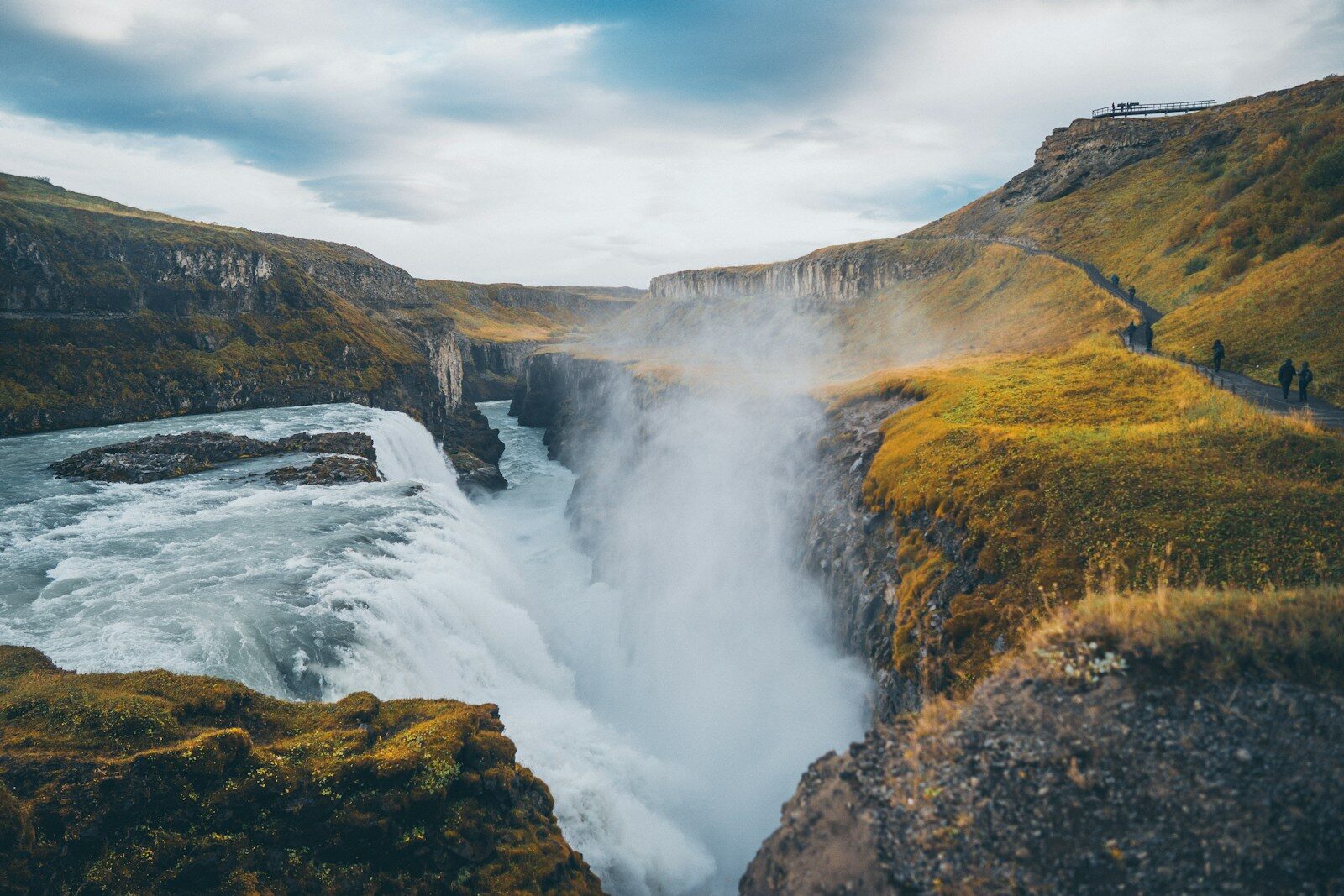
Geography & Climate
Iceland sits in the North Atlantic just below the Arctic Circle, roughly 103,000 square kilometres — a little bigger than Ireland. A volcanic island still growing, the Mid-Atlantic Ridge runs through it. About eleven percent is covered by glaciers, including Vatnajokull, Europe’s largest ice cap by volume. The climate is maritime and changeable; summer 10–15C, winter around 0C, and wind is the real weather-maker. Summer brings endless days; winter darkness brings northern lights from September to March.
Regions: southwest (Reykjavik, Golden Circle), south coast (waterfalls, black beaches, glacier lagoons), east fjords, north (Akureyri, Lake Myvatn), and the Westfjords (wild, summer access).
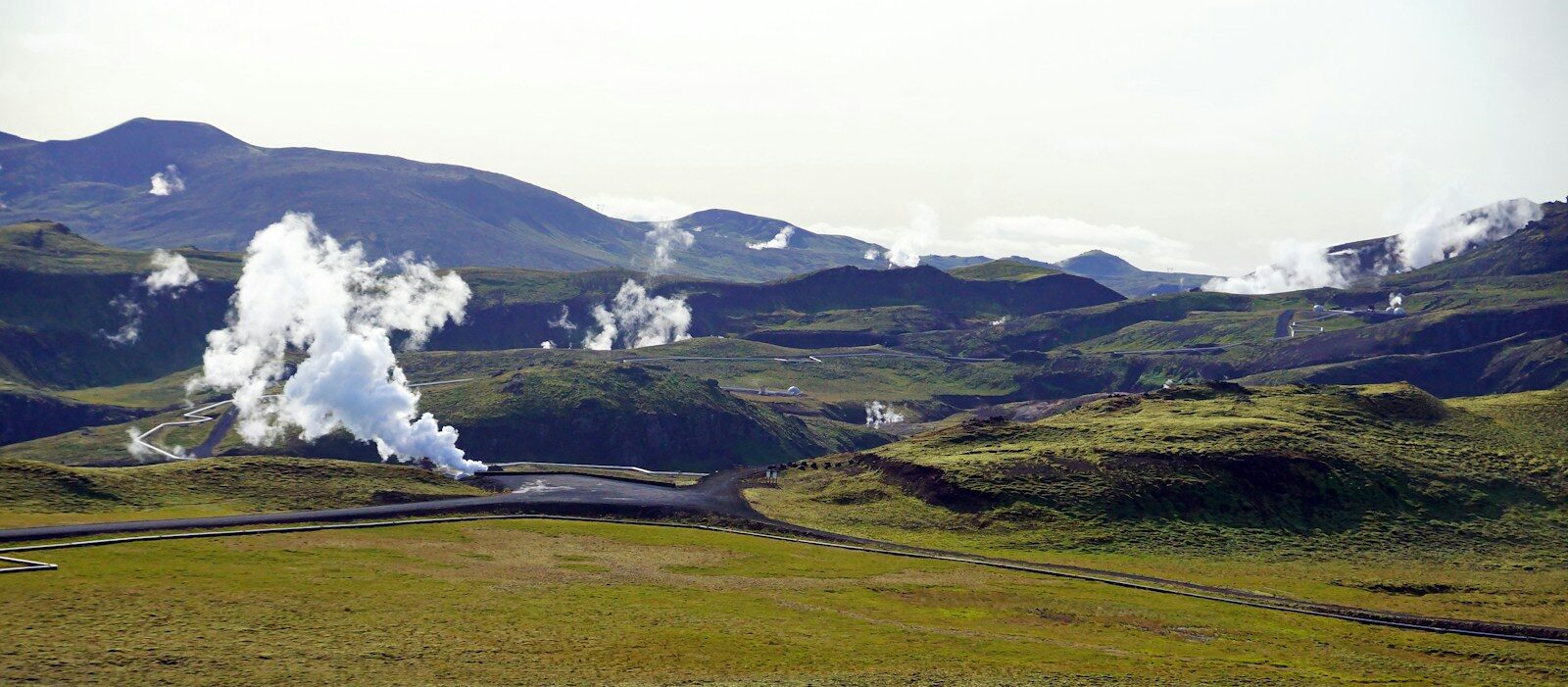
People & Demographics
The population is about 400,000, two-thirds in the capital region. Iceland was settled by Norse Vikings from 874, with Celtic settlers. Icelandic is the language, and English is widely spoken. Icelanders are famously literate, safe and egalitarian, with top gender-equality rankings. Religion is mostly Lutheran in name and relaxed in practice; many Icelanders will not quite deny the huldufolk (hidden people/elves) — road projects have been rerouted around elf rocks.
Phrasebox: Hello — Halló; Thank you — Takk; Yes — Já; No — Nei; Cheers — Skál; Goodbye — Bless; hot dog with everything — Pylsa með öllu.
Culture, Etiquette & Daily Habits
Icelanders are informal, direct and warm; first names are the norm.
Do: shower thoroughly without a swimsuit before any public pool; take shoes off at homes; check road.is and vedur.is every morning; book ahead in summer; tipping is not expected.
Don’t: drive off-road (illegal, with heavy fines); walk on glaciers or near cliff edges without a guide; drive past a road closure; bathe in random hot springs unchecked; expect rural shops to be open late.
The local geothermal pool is the village square.
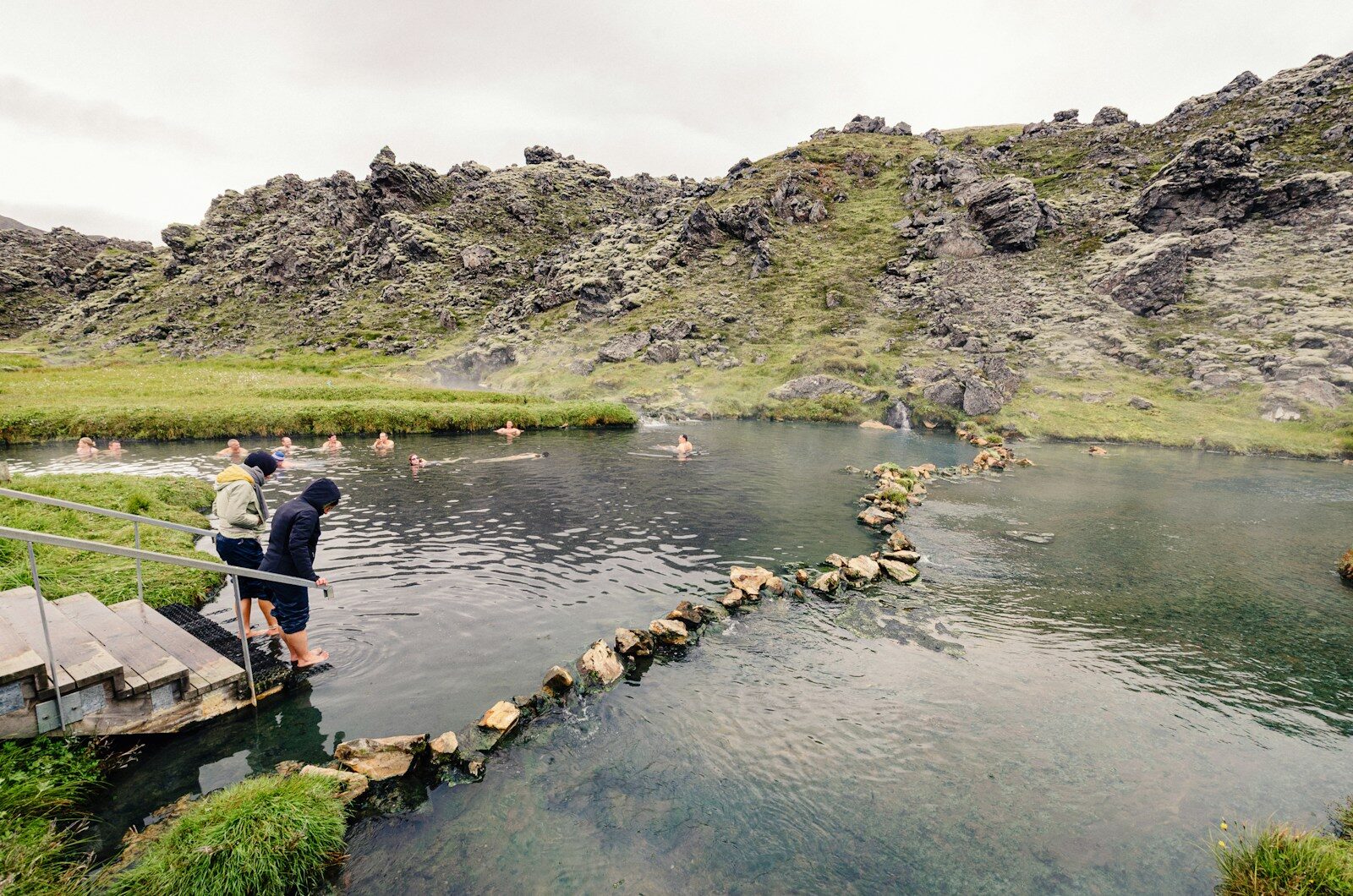
Lifestyle
Life runs on geothermal energy, good coffee and long winter evenings. Food is seafood-first: cod, haddock, Arctic char, langoustine and lamb; try the pylsur lamb hot dog at Baejarins Beztu in Reykjavik, and skyr. Alcohol is expensive and sold only in state-run Vinbudin shops. Reykjavik nightlife is compact and lively. Sport is an obsession: football’s Euro 2016 quarter-finals and handball’s Olympic silver. The winter pastime is aurora-watching.
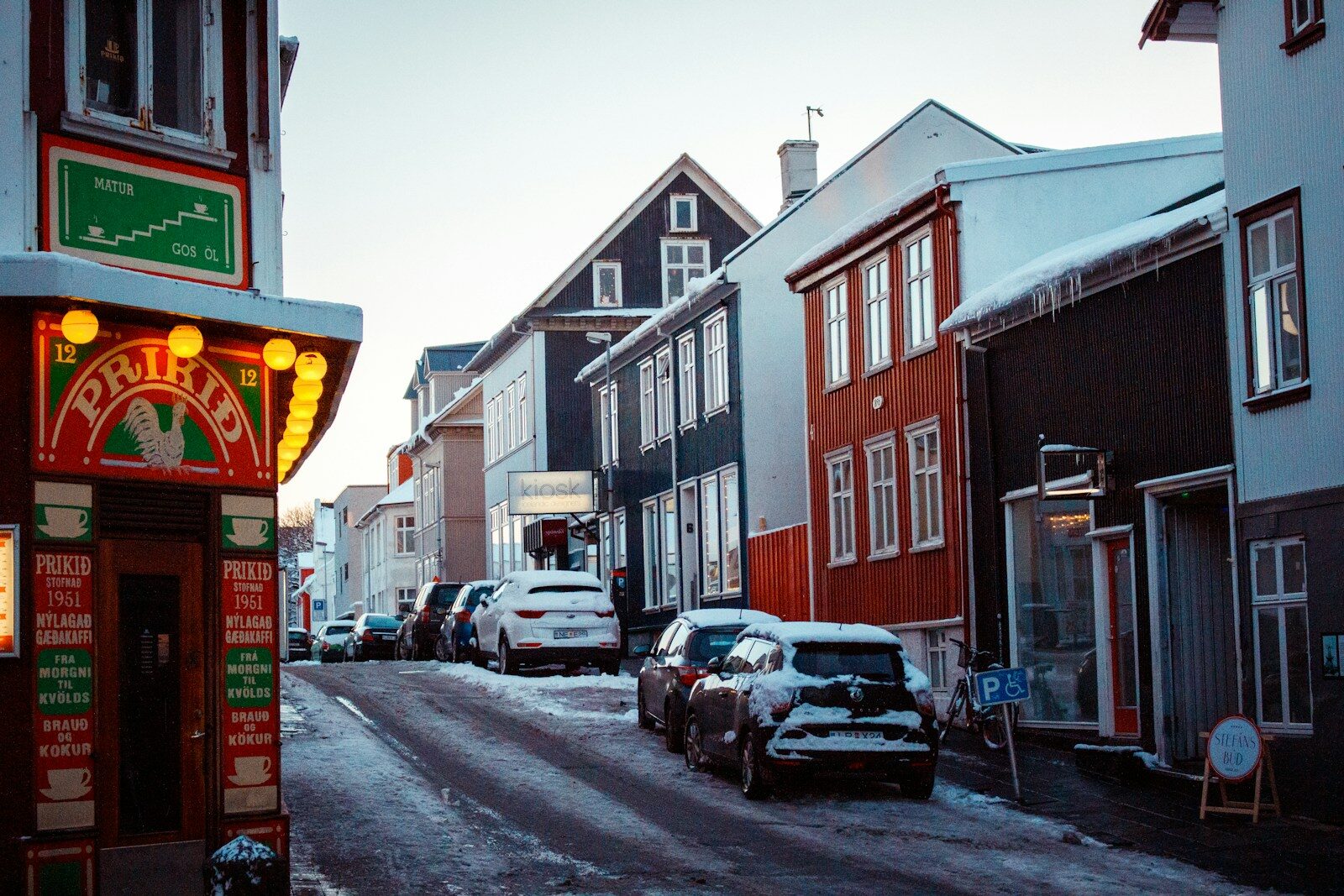
Main Cities
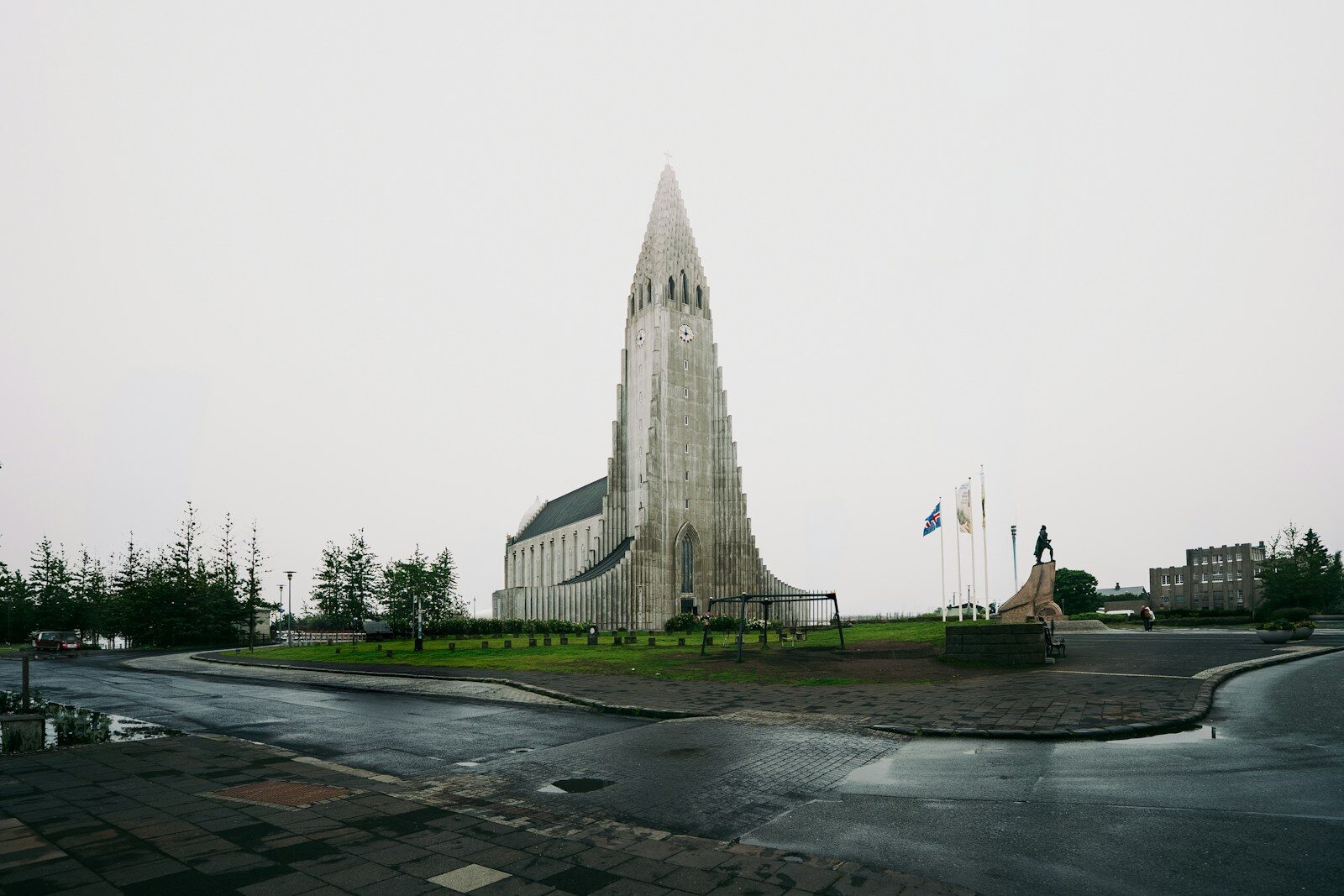
Reykjavik. The northernmost capital in the world, with the Hallgrimskirkja panorama, the Harpa concert hall, the Sun Voyager sculpture, the National Museum and a whale-watching harbour.
Akureyri. The north’s capital, a fjord town of about 20,000 people, with a botanical garden and easy access to Godafoss, Dettifoss and Lake Myvatn.
Vik i Myrdal. The southernmost village in Iceland and the gateway to Reynisfjara — respect the sneaker waves.
Hofn. A fishing town and the gateway to Jokulsarlon, famous for its langoustine.
Seydisfjordur. A pastel fjord town with a rainbow road leading to its blue church.
Isafjordur. The Westfjords’ largest town and a base for Hornstrandir in summer.
Top Places to Visit
- Thingvellir National Park — walk between the tectonic plates, site of the Althing from 930.
- Strokkur geyser — erupts every 6–10 minutes, 15–20m high; the Great Geysir has been dormant since 2003.
- Gullfoss — the two-tier waterfall.
- Seljalandsfoss — you can walk behind it.
- Skogafoss — 60m high, with a climb beside it.
- Reynisfjara black-sand beach — basalt stacks, and never turn your back on the sea.
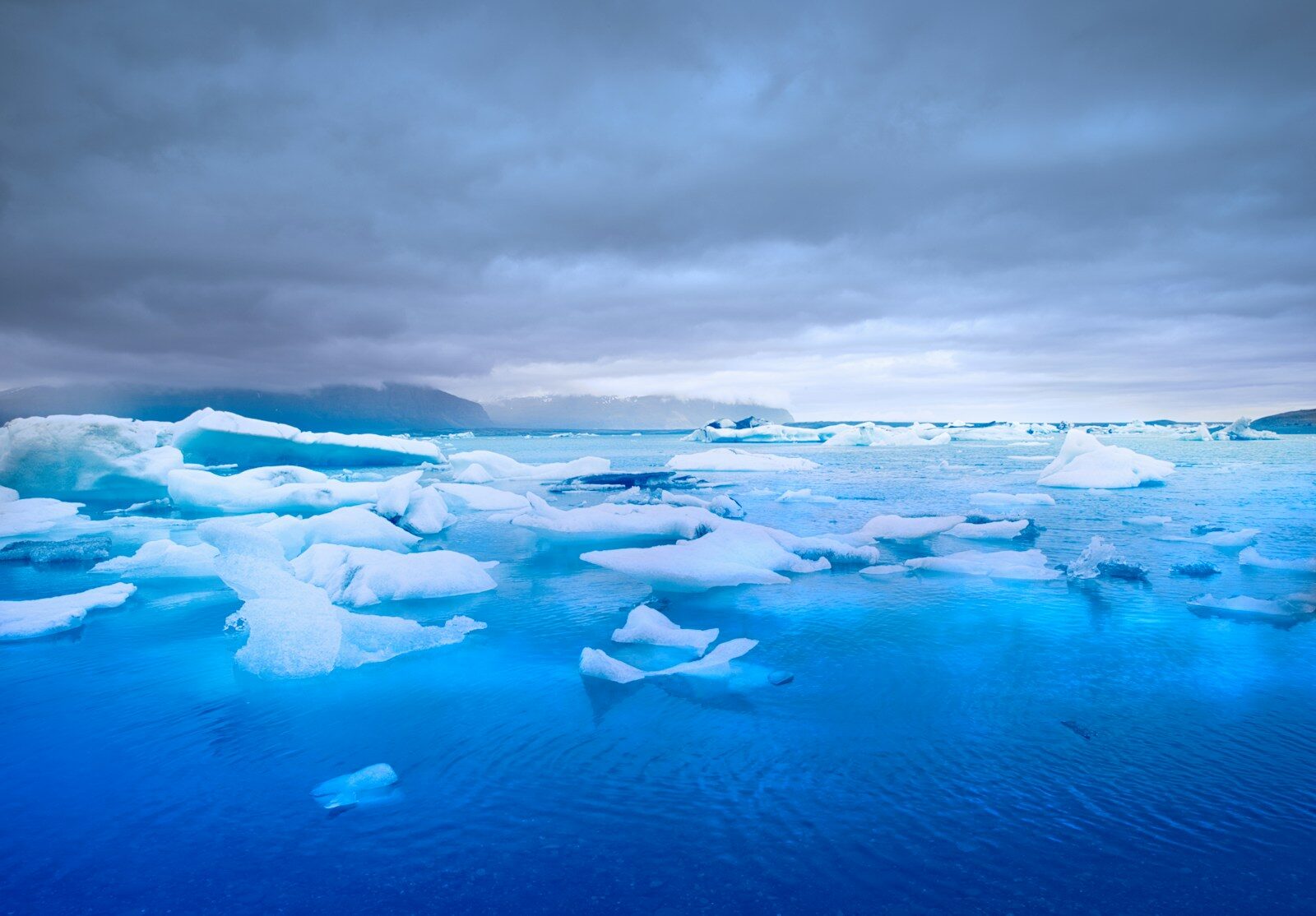
- Jokulsarlon glacier lagoon and Diamond Beach.
- Blue Lagoon — book ahead.
- Sky Lagoon — the seven-step ritual and infinity edge.
- Lake Myvatn — pseudocraters, mud pots and birdlife, with Dettifoss nearby.
- Snaefellsnes Peninsula — Iceland in miniature.
- Landmannalaugar — rhyolite mountains and the start of the Laugavegur trek.
Book experiences in Iceland
- Golden Circle, crater & Blue Lagoon minibus tour — Thingvellir, Geysir, Gullfoss and Kerid, ending in the Blue Lagoon.
- Golden Circle & Secret Lagoon day tour — the classic loop plus 90 minutes in Iceland’s oldest swimming pool.
- Puffin watching & Golden Circle day tour — a morning puffin boat trip, followed by an afternoon Golden Circle tour.
- Browse all Reykjavik tours & activities
This post contains affiliate links. See our affiliate disclosure.
More ways to book (Viator)
- Golden Circle small-group afternoon tour — minibus, capped at 19.
- Golden Circle full-day small-group minibus tour — the full loop with a guide and Wi-Fi.
This post contains affiliate links. See our affiliate disclosure.
When to Visit & Getting Around
Summer, June–August: midnight sun, all roads open, but also the busiest and priciest season. Shoulder season, May and September: the sweet spot, with fewer crowds and a chance of auroras in September. Winter, October–March: auroras and ice caves, but only 4–5 hours of daylight in December, and storms close roads. Spring, April–May: muddy, quiet and cheap.
Fly into Keflavik (KEF); the Flybus costs about 3,999 ISK one-way to Reykjavik. Reykjavik makes a good base, with day tours, for 2–3 days. For longer trips, rent a car: 2WD is enough for the Golden Circle and Ring Road in summer; in winter you need a 4×4 with studded tyres. F-roads are only for an allowed 4×4, and only when officially open. Fuel is expensive and stations are thin in the east and Westfjords — never pass a station with under half a tank. Reykjavik has Straeto buses and the Klappid app, and the centre is walkable.
Festivals: Reykjavik Arts Festival in May/June, Secret Solstice in June, Culture Night in August, and Iceland Airwaves in November.
Find cheap flights to Iceland (affiliate link)
Rent a car in Iceland (affiliate link)
Budget
Prices below are per person per day in USD, based on August 2026 research (about 121 ISK/USD).
Budget, $130–170: hostel dorm $40–70, self-catering from Bonus/Kronan, pylsur $6–8, shared car/bus tours, and free sights (parking about 1,000 ISK at Thingvellir/Geysir).
Mid-range, $250–350: hotel/guesthouse $180–280, restaurant meals $30–50, rental car $80–150/day, Blue Lagoon Comfort about 11,990 ISK or Sky Lagoon about 9,490 ISK.
Comfort, $450+: design hotels, fine dining, private tours, and glacier/ice-cave excursions $70–150.
Savings: cook half your meals, drink tap water — it is the purest on Earth, so never buy bottled water — use campsites at $12–18/person, and note that a campervan halves a Ring Road budget; local pools cost a few euros.
Practical Tips
- Connectivity: get an eSIM or local SIM at Keflavik, and download offline maps.
- Cash: barely needed — cards are accepted everywhere.
- Luggage: bring a waterproof jacket, waterproof trousers, a dry bag, and layers.
- Power: Type C/F, 230V.
- Emergency: 112; road.is / 1777; vedur.is.
- Driving: headlights must always be on (it is the law); on single-lane bridges, give way to the car already on the bridge; sheep have right of way in practice.
- Book ahead: Blue Lagoon, glacier tours, and summer accommodation in small towns sell out.
Shop this guide: Iceland packing essentials
- Packable waterproof rain jacket
- Waterproof hiking boots
- Portable charger 20,000mAh
- Quick-dry microfiber towel
- Insulated water bottle
As an Amazon Associate, we earn from qualifying purchases. See our affiliate disclosure.
Plan your trip: Iceland
- Flights: Find cheap flights to Iceland
- Stays: Book stays in Iceland
- Tours: Book tours in Iceland
- Cruises: North Atlantic cruises calling at Reykjavik and Akureyri
This post contains affiliate links. See our affiliate disclosure.
Iceland does something to people — scale, quiet, empty roads, hot water rising from the ground for free. Go for the Golden Circle if you have a day; drive the Ring Road if you have a week; leave room for weather, detours, and one more hour in a hot pool.
FAQ
How many days do I need in Iceland? Four days covers the Golden Circle and the south coast; 7–10 days covers the Ring Road; two weeks adds the Westfjords and Snaefellsnes.
Is Iceland expensive? Yes, but it is manageable: budget $130–170, mid-range $250–350, comfort $450+ per person per day. Self-cater, drink tap water, enjoy the free sights, and use local pools.
Golden Circle or Ring Road first? With under 5 days, do the Golden Circle and south coast; with 7+ days, drive the Ring Road.
When can I see the northern lights? From September to March, on clear, dark nights. They are never guaranteed; February–March offers the best balance, and vedur.is has a forecast.
Do I need a rental car? No for Reykjavik plus day tours; yes for the Ring Road and Westfjords. In winter, use a 4×4 and check road.is.
Is Iceland safe? It is among the safest countries for crime; the risks are weather, Reynisfjara waves, glacier crevasses and F-road rivers. Respect closures and guides.
[…] The Golden Circle vs the Ring Road: How to Do Iceland Right […]
[…] Iceland travel guide […]
[…] Iceland travel guide — the Golden Circle vs the Ring Road, and another land of lakes, glaciers, and empty roads. […]
[…] Iceland Travel Guide: The Golden Circle vs the Ring Road […]