
 admin
Intro
Sri Lanka is one of the rare places where a single ten-day trip delivers a little of everything — a capital with colonial-era streets, a sacred hill city, a train ride that might be the most beautiful on Earth, misty tea country, leopard-spotted national parks, and a coastline of blue whales and surf breaks. It’s often called the “Pearl of the Indian Ocean,” and the nickname is earned.
This guide is built around the classic — and genuinely perfect — 10-day Sri Lanka loop: Colombo → Kandy → Ella → the south coast. We’ll cover the itinerary day by day, what each stop costs, when to go, and how to ride the famous train without missing out.
🎬 Watch: Sri Lanka in 60 Seconds
Geography & Climate
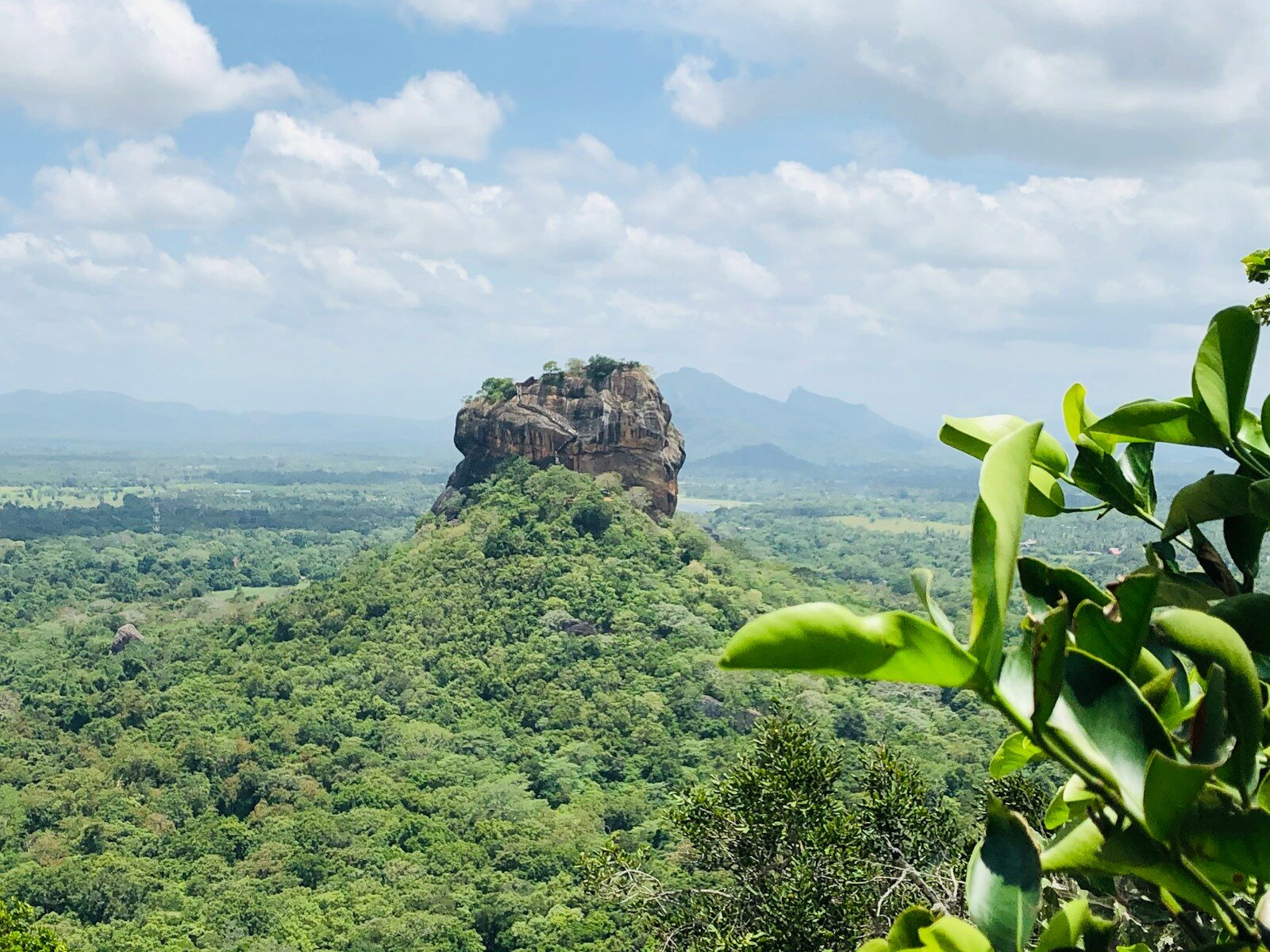
Sri Lanka is a teardrop-shaped island of about 65,610 square kilometres in the Indian Ocean, just off India’s southeast coast. Its landscapes change almost absurdly fast: in a single morning you can leave the tropical heat of Colombo, climb into the cool central highlands of tea estates, and end the day in a centuries-old fortified port town.
The island has two coasts that behave like opposite seasons. The west and south coasts (Colombo, Galle, Mirissa) are best from December to March, when seas are calm — blue whales cruise off Mirissa between November and April. The east coast (Trincomalee, Arugam Bay) shines from May to September. The inter-monsoon months of October and November are unpredictable. The local saying sums it up: there’s no bad month to visit Sri Lanka — only a wrong coast.
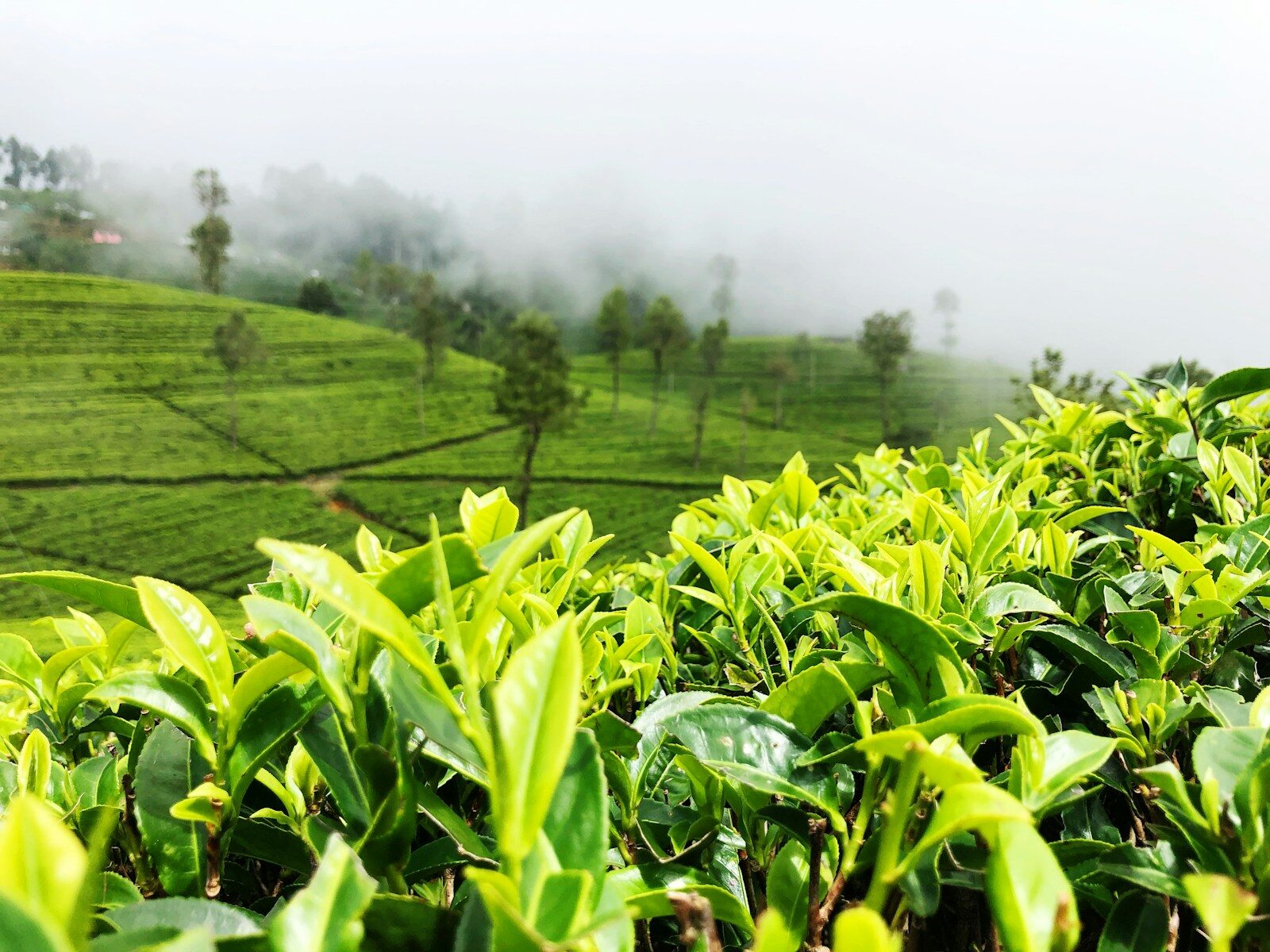
The central hill country around Nuwara Eliya and Ella is cooler year-round, occasionally chilly at night — the mist rolling over tea bushes is half the aesthetic. Take the sea seriously: strong rip currents on the south and west coasts cause most visitor accidents. Ask locally before swimming anywhere without a flagged beach.
People & Demographics
Sri Lanka is home to roughly 23 million people. The majority are Sinhalese, with substantial Tamil, Muslim (Moor), and smaller Burgher and Malay communities. Colombo is the commercial capital and de facto capital; the legislative capital is Sri Jayawardenepura Kotte.
Religion shapes daily life deeply: around 70% of Sri Lankans are Buddhist, with Hindu, Muslim, and Christian minorities. You’ll notice it everywhere — white-clad worshippers streaming toward temples on Poya (full-moon) days, and evenings layered with temple drums, church bells, and mosque calls.
The two official languages are Sinhala and Tamil; English is widely spoken in cities and tourist areas, though basic outside them. A little effort goes a long way:
Phrasebox
- Ayubowan — “may you live long,” the universal hello and goodbye, often said with palms pressed together
- Istuti — thank you
- Kohomada? — how are you?
- Bohoma istuti — thank you very much
Culture, Etiquette & Daily Habits
Sri Lankan culture blends Buddhist gentleness with a warm, slightly formal hospitality. Etiquette matters, especially at temples and around monks. A few firm rules:
- Temples: cover shoulders and knees, remove shoes and hats before entering, and never turn your back to a Buddha statue for a photo. Photos of statues are fine; selfies treating them as props are offensive.
- The head is sacred; feet are not. Don’t pat children’s heads, and don’t point the soles of your feet toward people or statues.
- Poya days are public holidays. Every full-moon day shuts down offices and bans alcohol sales. Visit temples instead — the atmosphere is extraordinary — and stock up on beer beforehand if it matters to you.
- Greetings are gentle. Ayubowan with pressed palms works everywhere; a head wobble means “okay/understood,” not “no.” Carry a sarong or scarf — Sigiriya and the major temples require covered legs.
- Tipping is appreciated but not mandatory: 10% at mid-range restaurants if no service charge, a few hundred rupees for drivers and guides.
- Photos of people: ask first. It costs nothing and earns a smile.
Lifestyle
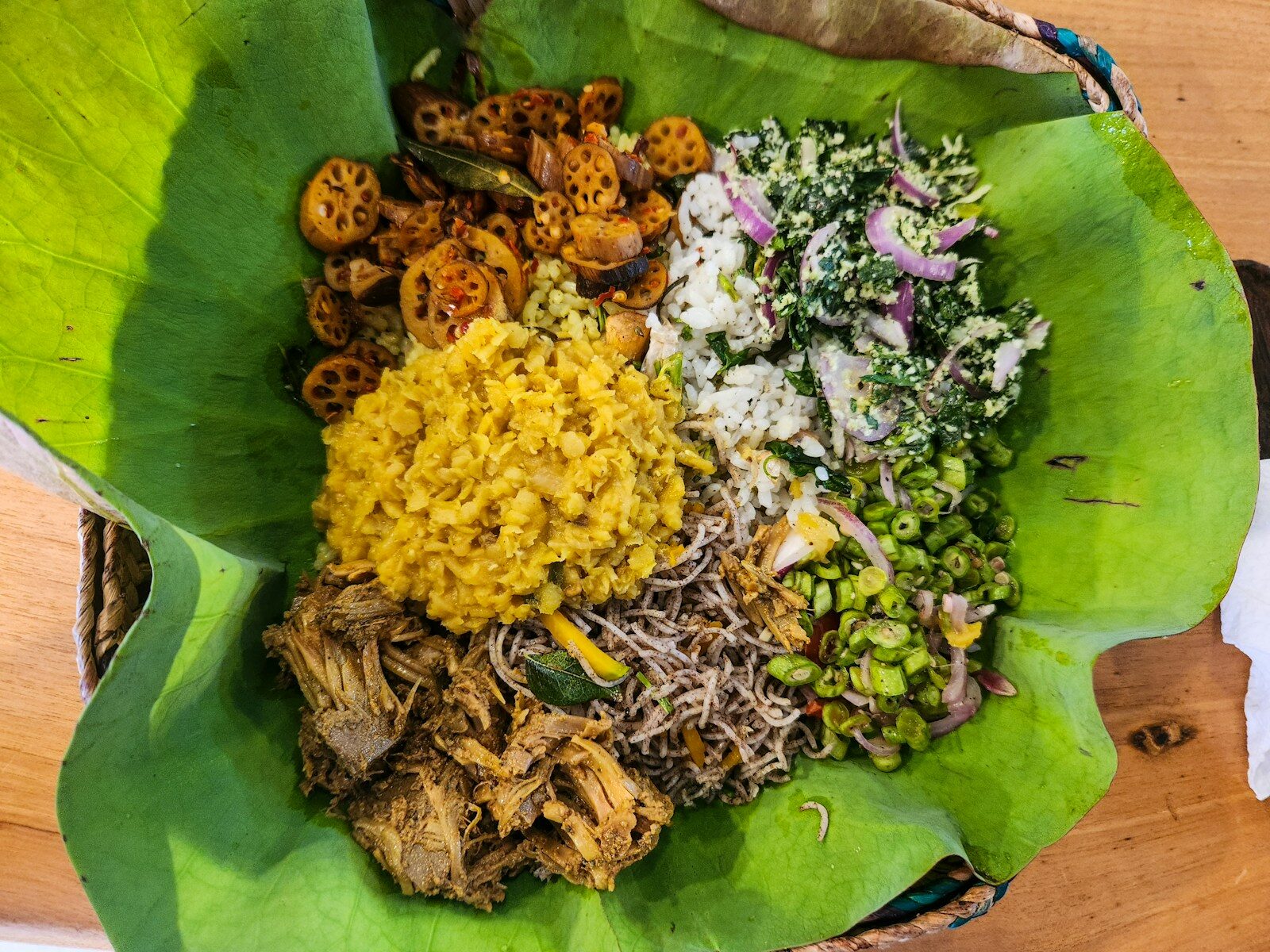
Food is the heartbeat of daily life. The national staple is rice and curry — not one curry but a plateful: rice ringed with dhal, coconut sambol, fish or chicken curry, and a crispy papadam, eaten by hand with the right hand. A local lunch costs $2–5, and it’s the single best value in the country. Breakfast belongs to hoppers (bowl-shaped fermented rice pancakes) and string hoppers.
Workdays run Monday to Friday, with streets buzzing by 7 a.m. and quieting after dark, though Colombo and Negombo have growing café and bar scenes. Cricket is effectively a second religion. Nightlife is low-key outside Colombo: beach bars in Mirissa and Arugam Bay, quiet dinners in Galle Fort.
Main Cities
Colombo — The sprawling, humid capital: Galle Face Green at sunset, Pettah’s markets, the Dutch Hospital precinct, and a strong food scene. Worth one or two nights.
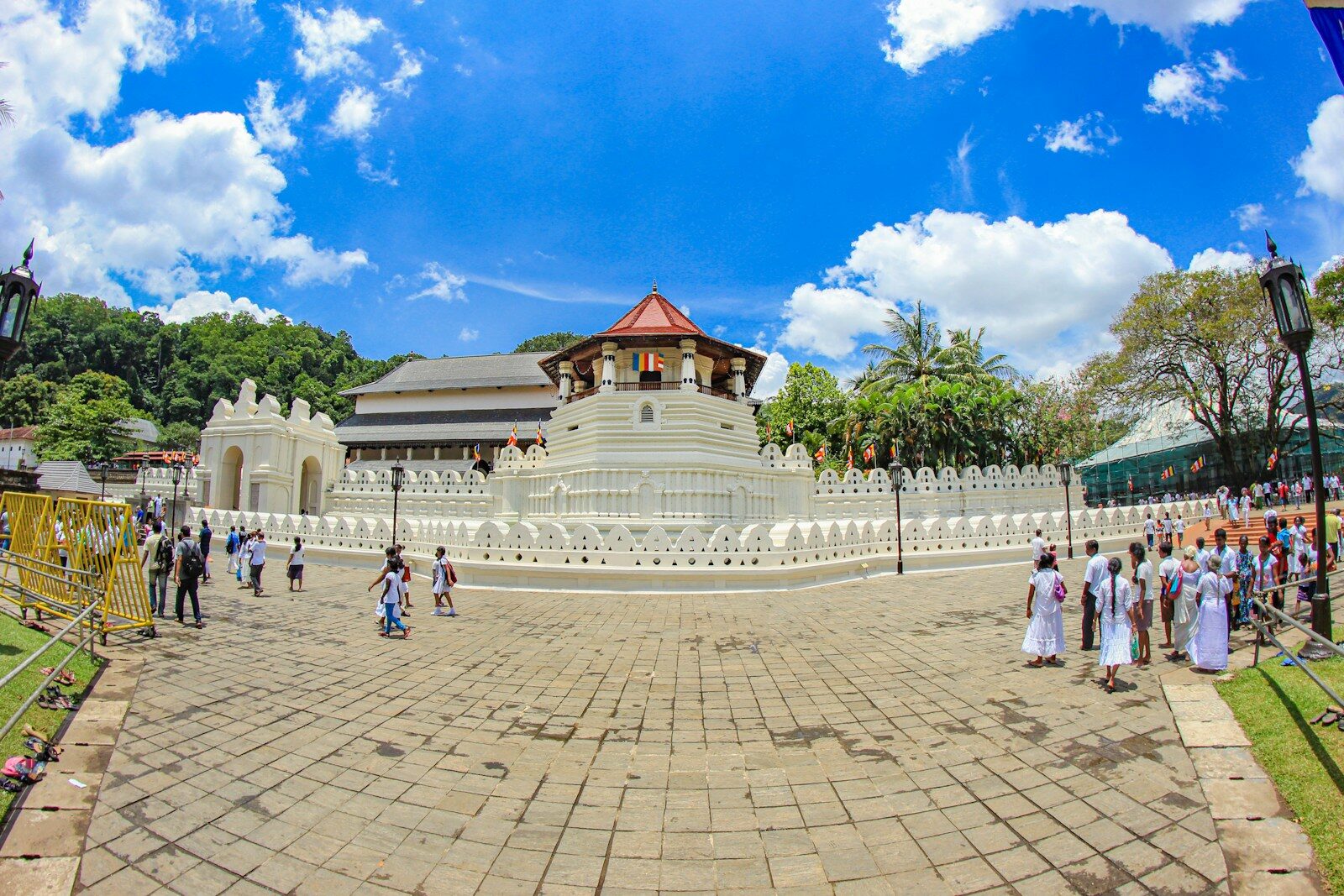
Kandy — The cultural heart, wrapped around a serene lake. Home to the Temple of the Sacred Tooth Relic; the city hums with drummers, dancers, and pilgrims during the Esala Perahera.
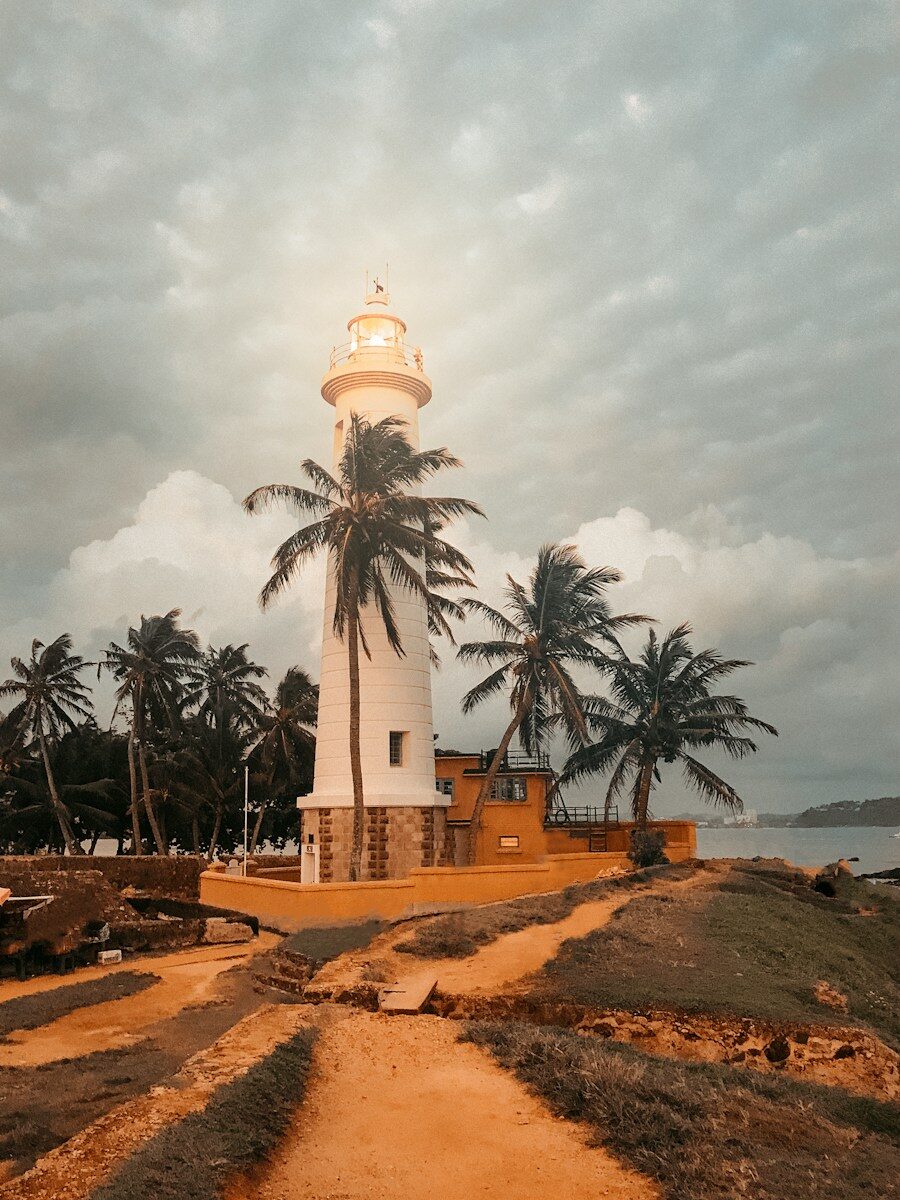
Galle — The fortified old town on the southwest coast: Dutch-colonial streets, lighthouse, cafés, and rampart walks at sunset. Stay inside the Fort.
Ella — A small mountain town with outsized backpacker buzz: Nine Arch Bridge, Little Adam’s Peak at sunrise, waterfalls, and cafés above the Ella Gap. Books up in season.
Nuwara Eliya — “Little England” at nearly 1,900 metres: colonial-era tea estates, cool air, and the island’s best tea factory tours with tastings.
Jaffna — The Tamil cultural capital in the far north: vibrant temples, distinct cuisine, and islands worth a day trip. Less touristed and all the more rewarding.
Trincomalee — East-coast harbour city with calm beaches (Uppuveli, Nilaveli) and whale watching March–August. Your May–September base.
Anuradhapura — Ancient capital and the heart of Buddhist Sri Lanka: vast stupas, monastic ruins, and the Sri Maha Bodhi — a 2,300-year-old tree from a cutting of the Buddha’s enlightenment tree.
Negombo — The beach town ten minutes from the airport: fish markets, canal boat trips, easy logistics for first or last nights.
Mirissa — South-coast beach town famous for blue-whale cruises (Nov–Apr) and beginner surf, with one of the island’s most photographed coves.
Top Places to Visit
- Sigiriya — The 5th-century rock fortress with its lion-paw staircase, frescoed “cloud maidens,” and the best view in the country (~$35 entry).
- Dambulla Cave Temple — Five caves of painted Buddhist murals and 150+ statues (LKR 3,000).
- Temple of the Sacred Tooth Relic, Kandy — Buddhism’s holiest Sri Lankan shrine; visit at the evening puja for the drumming ceremony (LKR 2,000–3,000; SAARC rate LKR 2,500).
- Nine Arch Bridge, Ella — The iconic colonial viaduct in the jungle; time your visit for a train crossing.
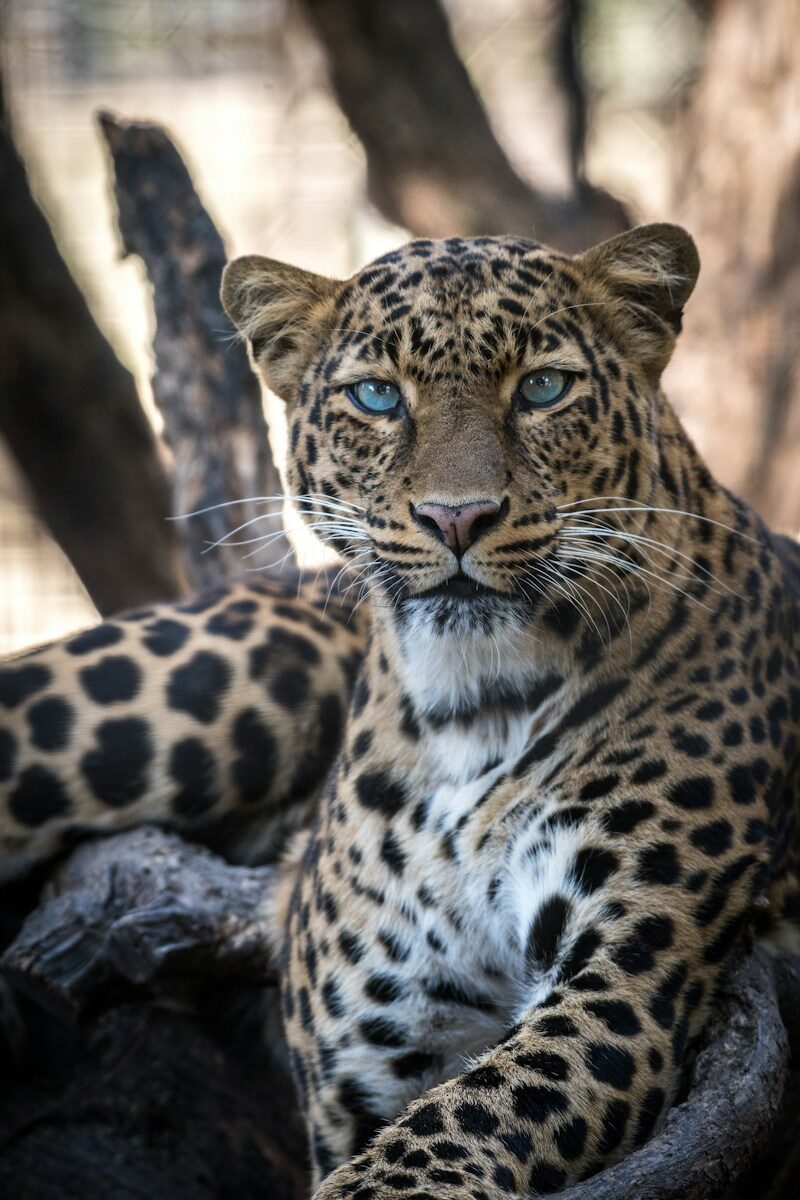
- Yala National Park — Among the densest leopard populations on Earth; dawn safaris (~$25 entry, ~$45 all-in sharing a jeep).
- Udawalawe National Park — The island’s best elephant country, with the Elephant Transit Home for orphaned calves.
- Minneriya National Park — The Aug–Sep Elephant Gathering: hundreds of elephants at the receding tank — one of Asia’s great wildlife spectacles.
- Adam’s Peak (Sri Pada) — The sacred 2,243-metre summit; pilgrimage season Dec–May, trails closed the rest of the year.
- Galle Fort — Walkable Dutch-colonial walls, boutiques, and cafés inside a 17th-century fortress.
- Arugam Bay — East-coast surf capital with a mellow backpacker soul; best May–Sep.
- Sri Maha Bodhi, Anuradhapura — A 2,300-year-old sacred fig, the oldest documented human-planted tree in the world.
- Knuckles Mountain Range — Cloud forests and village-to-village treks without the crowds.
🎟️ Book experiences in Sri Lanka
Tours we’d actually book — free cancellation on most. We may earn a commission if you book through these links, at no extra cost to you. Our affiliate disclosure.
- Colombo half-day city tour — Gangaramaya Temple, Galle Face Green, and Pettah Market.
- Cultural Colombo & local cuisine tour by bus — temples plus a Ceylon tea tasting.
- Browse all Colombo tours & activities
🎟️ More ways to book (Viator)
Two more reader-favorite ways to see Sri Lanka. We may earn a commission if you book through these links, at no extra cost to you. Our affiliate disclosure.
- Private Sigiriya & Dambulla day trip from Kandy — the rock fortress and cave temples, Badge of Excellence.
- Sigiriya + Dambulla + Minneriya safari day trip — add wild elephants to the cultural triangle in one day.
When to Visit & Getting Around
The perfect 10-day loop runs like this:
- Day 1 — Arrive. Most flights land at Bandaranaike late evening. Transfer to Negombo (15 min) or Colombo (45–60 min); Galle Face Green at sunset if you’re up for it.
- Day 2 — Colombo. Pettah markets, National Museum, Dutch Hospital precinct, Gangaramaya Temple.
- Day 3 — Sigiriya & Dambulla. Drive in (4–5 hrs from Colombo). Climb Sigiriya early to beat the heat; Dambulla Cave Temple in the afternoon.
- Day 4 — Kandy. Drive in (2–3 hrs); Temple of the Tooth at the evening puja, lake walk, Kandyan dance show.
- Day 5 — The train to Ella. The legendary Kandy–Ella hill-country train (6–7 hours) through tea estates and over viaducts. Book reserved seats — they sell out ~30 days ahead in season. Unreserved 2nd/3rd class is LKR 200–600 (~$1–2); reserved seats/observation car LKR 1,000–3,000. Check Sri Lanka Railways close to travel — hill-country services can be disrupted by severe weather (Cyclone Ditwah disrupted Kandy–Nanu Oya services in late 2026).
- Day 6 — Ella. Sunrise at Little Adam’s Peak, Nine Arch Bridge in the morning light, Ravana Falls, evening cafés.
- Day 7 — Yala safari. Drive south (3–4 hrs); a dawn safari gives the best leopard odds.
- Day 8 — Galle. Drive west; afternoon inside Galle Fort, sunset on the ramparts.
- Day 9 — Mirissa & the coast. Whale watching (Nov–Apr), stilt fishermen at Koggala, beach afternoon.
- Day 10 — Depart. Expressway to the airport (~3–4 hrs) — or linger one more day. Nobody regrets the extra day.
Festivals: the Kandy Esala Perahera (2026: Aug 18–28) — ten nights of torchlit processions with dancers, fire-spinners, and caparisoned elephants; Sinhala & Tamil New Year (Apr 13–14); Vesak in May. Expect Poya-day closures and plan alcohol purchases around them.
Getting around: trains are cheap, scenic, and occasionally delayed; private drivers with air-conditioned cars (around $50–70/day all-in) are the comfortable default for multi-stop loops. Tuk-tuks run 60–80 LKR/km metered in cities, 80–100 LKR/km negotiated — the PickMe app removes all haggling. Domestic flights are unnecessary on this route.
✈️ Find cheap flights to Sri Lanka — compare fares across airlines and booking sites in one search. Affiliate link: we may earn a commission at no extra cost to you.
🚗 Rent a car in Sri Lanka — compare rental prices across suppliers in one search. Affiliate link: we may earn a commission at no extra cost to you.
Budget
Sri Lanka remains one of Asia’s best-value destinations. Prices in Sri Lankan rupees (LKR); roughly 328 LKR = 1 USD as of late 2026 (check the live rate before you go).
- Budget ($30–40/day): guesthouses and hostels ($10–20), local rice-and-curry meals ($2–5), trains and buses, shared jeep safaris.
- Mid-range ($60–100/day): comfortable hotels ($40–90), a private driver on travel days, a mix of local and restaurant meals, one big-ticket sight per day.
- Comfort ($150+/day): boutique hotels and heritage villas, private safaris, fine dining in Colombo and Galle Fort, seaplanes if you’re feeling lavish.
Money-saving truths: eat where the tuk-tuk drivers eat; book the train’s reserved seats the moment your dates are firm; share safari jeeps (six to a jeep cuts Yala to ~$45 all-in); and buy your SIM and exchange cash in town, not at the airport.
Practical Tips
- Visa: Most nationalities need an ETA before arrival via eta.gov.lk — non-SAARC visitors pay $50 online (or $60 on arrival). Since 25 May 2026, citizens of 40 nationalities including India get a FREE 30-day double-entry ETA — you must still apply online. Children under 12 are free.
- SIM cards: Dialog or Mobitel tourist SIMs with 20–50GB for 30 days cost $4–8 — buy in town, it’s cheaper than the airport.
- Cash: ATMs are widespread; carry rupees for tuk-tuks, small eateries, and temples. Credit cards work at hotels and mid-range restaurants.
- Power: Type G (UK-style) and Type D plugs, 230V/50Hz. Bring a universal adapter.
- Emergency: dial 112. Tap water is not drinkable — stick to bottled or filtered.
- Tuk-tuk etiquette: agree on the fare (or use PickMe) before getting in. A smile and an “Ayubowan” beats hard bargaining.
- Packing: light clothes, a sarong or scarf for temples, reef-safe sunscreen, mosquito repellent, and a rain shell even in the dry season — the highlands make their own weather.
🛍️ Shop this guide: Sri Lanka packing essentials
Gear we’d actually pack for this trip. As an Amazon Associate we earn from qualifying purchases — at no extra cost to you. Our affiliate disclosure.
- Universal travel adapter — Sri Lanka uses Type G (UK-style) and Type D plugs at 230V.
- Mosquito repellent — hill country and coast both; dengue exists here.
- Lightweight sarong — temple dress code (Sigiriya, Kandy) plus beach cover-up.
- Compact travel umbrella — the highlands make their own weather, even in the dry season.
🧳 Plan your trip: Sri Lanka
Flights, stays, tours, and cruises — booked in one place. We may earn a commission if you book through these links, at no extra cost to you. Our affiliate disclosure.
- ✈️ Find cheap flights to Sri Lanka — compare fares across airlines and booking sites in one search.
- 🏨 Browse our Expedia Travel Shop — hand-picked stays and travel deals from our curated storefront.
- 🎟️ Browse Colombo tours & activities — free cancellation on most.
- 🛳️ Compare Indian Ocean cruises on CruiseDirect — sailings calling at Colombo and Hambantota.
Keep Exploring
Finished the Sri Lanka loop and hungry for more of the region? Keep exploring:
- Pair the trip with an island-hopping escape in our Maldives travel guide — Colombo connects to Malé in under two hours.
- Follow the ancient Ramayana trail across the strait in our India travel guide — Sri Lanka’s epics and Tamil culture are two halves of one story.
- Compare tropical beach scenes in our Thailand travel guide — a different flavour of island life with its own temple towns.
- For another temple-and-rice-terrace culture fix, see our Bali travel guide — Hindu rituals, volcano hikes, and surf towns that rhyme with Sri Lanka’s south coast.
Closing
Ten days in Sri Lanka is a sampler, not a farewell. You’ll leave having climbed a 1,500-year-old fortress, ridden one of the world’s great train journeys, locked eyes with a leopard, and watched the sun drop into the Indian Ocean from 400-year-old ramparts — and you’ll already be planning the return for the east coast or the north. That’s the island’s trick: small enough to loop in ten days, deep enough to fill ten trips. Pack the sarong, learn your Ayubowan, and go.
FAQ
How much does a 10-day trip to Sri Lanka cost?
Budget $60–100 per day for a comfortable mid-range trip — roughly $600–1,000 for ten days excluding international flights. Budget travellers manage on $30–40/day; luxury boutique stays push $150+/day.
How many days do I need in Sri Lanka?
Ten days covers the classic loop (Colombo → Kandy → Ella → south coast) at a good pace. Seven days is doable but rushed. Two weeks lets you add the east coast, Jaffna, or a second safari.
Is Sri Lanka safe for tourists?
Yes — Sri Lanka is generally low-risk, with friendly locals and well-trodden tourist routes. The real danger is the sea: strong rip currents on the south and west coasts, so swim only where locals do. Take normal precautions with valuables in busy markets.
What is the best season to visit Sri Lanka?
December–March for the west and south coasts (whale season off Mirissa runs Nov–Apr); May–September for the east coast (Trincomalee, Arugam Bay). October–November is the unpredictable inter-monsoon. No bad month — only a wrong coast.
How do I book the Kandy–Ella train?
Reserved seats sell out ~30 days ahead in peak season, so book the moment your dates are fixed via Sri Lanka Railways’ official booking channels. Unreserved 2nd/3rd class (LKR 200–600, ~$1–2) is always available but means standing or queuing early. Reserved seats/observation car: LKR 1,000–3,000; the ride takes 6–7 hours.
[…] The Maldives’ local-island playbook has a cousin in Sri Lanka — same Indian Ocean, guesthouse culture, and surf-and-safari days, but with 2,500 years of inland history — see our Sri Lanka travel guide. […]
[…] travel guide covers the day-trip math. India is a cheap two-to-four-hour hop from Dubai, and Sri Lanka is the perfect nearby budget beach […]
[…] money stretches in Asia. For another slow-travel loop with trains, tea country, and coast, read Sri Lanka’s perfect 10-day loop. And if ancient monuments are your thing, India’s Rajasthan vs Kerala debate is the […]