 admin
Introduction
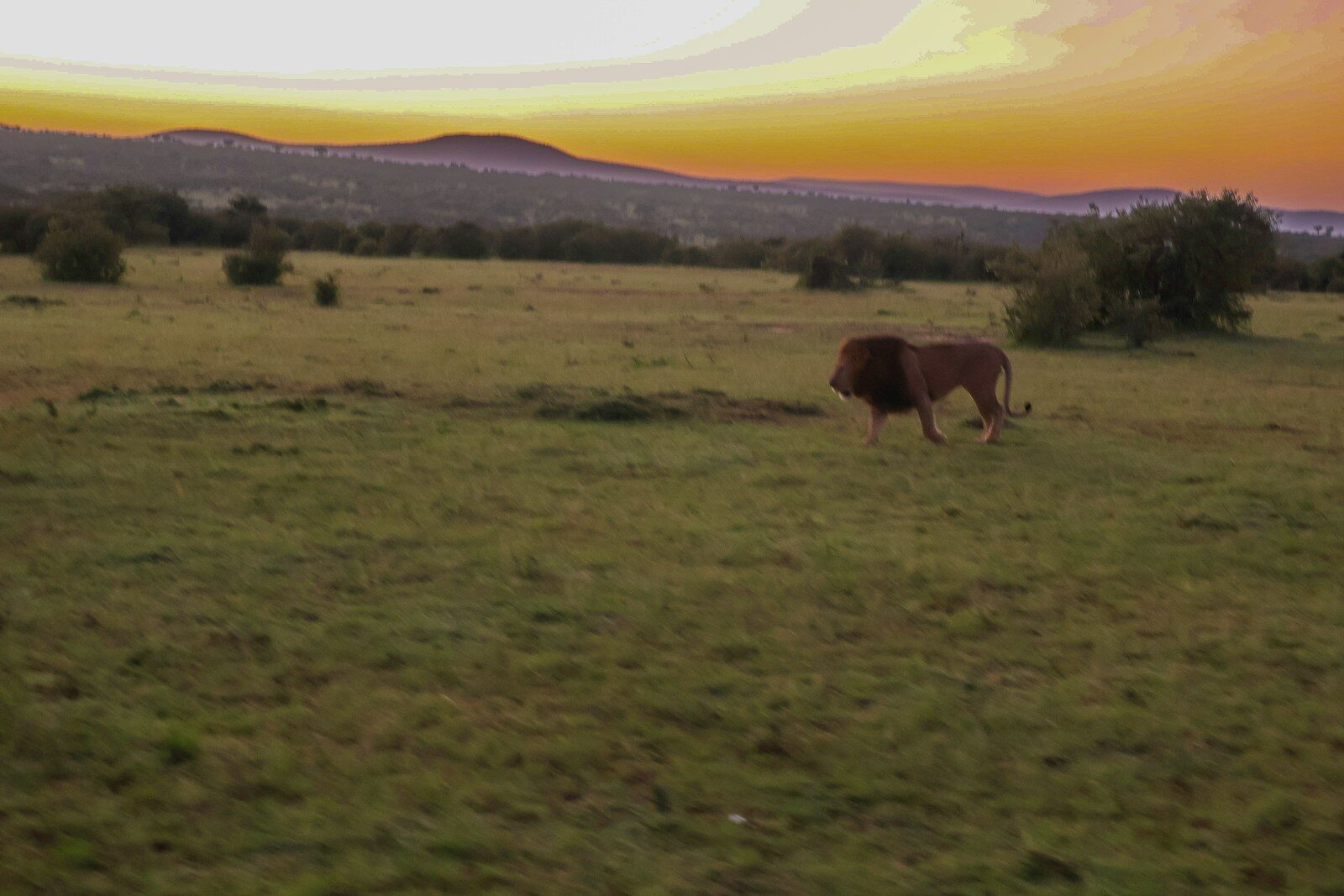
Here is a fact that breaks most people’s sense of what a city can be: in Kenya, you can watch lions hunt with skyscrapers behind them. Nairobi National Park is the only wildlife reserve in the world inside a capital city — lions, rhinos, and leopards roam the savanna while glass towers rise on the horizon and planes land at the airport beside them. It is the perfect symbol of the country around it: Kenya is where the safari was born, and it still does the safari better than anywhere else on Earth.
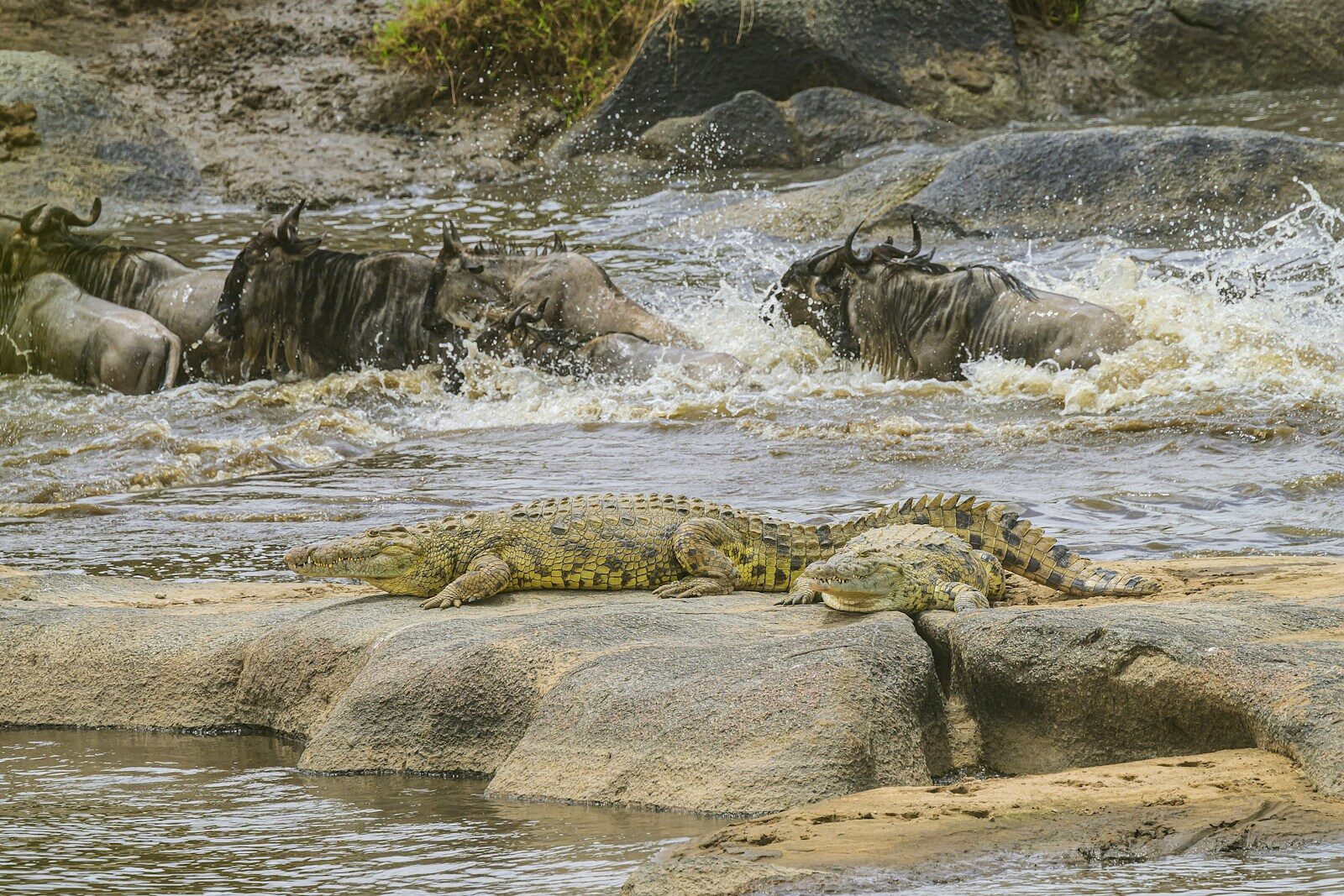
Kenya is East Africa’s safari heart, and it packs an astonishing amount of variety into one country. There is the Great Migration — nearly two million wildebeest thundering across the Mara River in the greatest wildlife show on the planet. There are elephants under Kilimanjaro in Amboseli, flamingos on the soda lakes of the Rift Valley, and a Swahili coast of white sand, carved doors, and dhows that has traded with Arabia and India for a thousand years. There is a snow-capped mountain on the equator, the world’s largest desert lake, and the city where mobile money was invented. This guide covers the trip that makes it all work: the Maasai Mara safari — when to go, what it costs, and how to book it — plus Nairobi, Amboseli, the Rift Valley lakes, and the coast, with the prices, the entry rules, the seasons, and the practical tricks that keep the trip smooth.
Geography & Climate
Kenya covers about 581,000 square kilometres — roughly the size of France — in East Africa, with some 536 kilometres of Indian Ocean coastline in the south-east and borders with Tanzania, Uganda, South Sudan, Ethiopia, and Somalia. The equator runs straight through the country, which is why the climate is stranger than the latitude suggests: the highlands are cool, the coast is hot and humid, and the north is dry desert.
The country divides into regions that feel like different worlds. The Central Highlands around Nairobi and Mount Kenya are green, fertile, and cool — tea and coffee country, at 1,500 to 2,000 metres above sea level. The Great Rift Valley runs north to south through the west, a chain of lakes — Nakuru, Naivasha, Bogoria, Baringo, Turkana — flanked by escarpments and volcanoes. The Maasai Mara in the south-west is open savanna, the northern half of the Serengeti ecosystem, rolling grassland dotted with acacia trees. The coast is Swahili country: Mombasa, Diani, Lamu, and Malindi, with white-sand beaches, coral reefs, and old towns built of coral stone. And the north is the dry frontier: the Chalbi Desert, the Jade Sea of Lake Turkana, and the wildlife conservancies of Samburu and Laikipia, where the animals are different — Grevy’s zebra, reticulated giraffe, gerenuk — and the light is harder.
The climate trick that catches first-timers is altitude. Nairobi sits at 1,795 metres, so the capital is spring-like all year — warm days, cool nights — while Mombasa at sea level is hot and sticky. The Mara sits around 1,500 metres, which is why the migration-season mornings are cold enough for a fleece at dawn and a T-shirt by noon. Rain comes in two seasons: the long rains of April and May, and the short rains of November. January to March is the dry, warm sweet spot; July to October is the dry, cool migration season. The landscape is the trip’s real star, from Mount Kenya’s 5,199-metre peak — Africa’s second-highest mountain, snow-capped on the equator — to the flamingo-pink soda lakes, the red earth of Tsavo, and the turquoise water off Diani.
People & Demographics
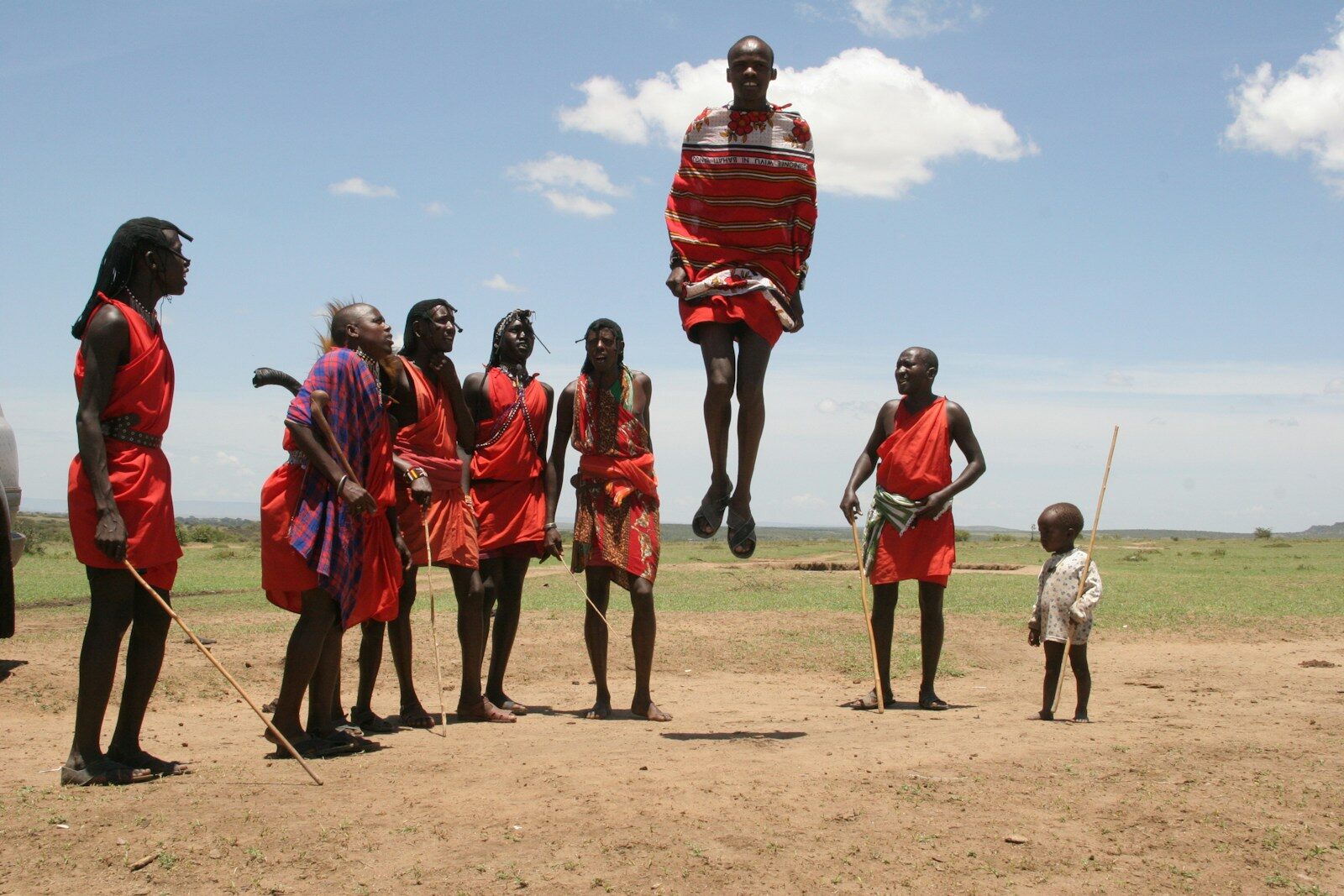
About 57.5 million people live in Kenya — a young country, with a median age around 20, and one of the most diverse populations in Africa. There are more than 40 ethnic groups, and the mix is the point of the trip as much as the wildlife: the Kikuyu are the largest group (about 17%), followed by the Luhya, Kalenjin, Luo, and Kamba, and the Maasai — the red-shuka pastoralists of the south — are the community the whole world pictures when it thinks of Kenya. The largest cities are Nairobi (about 4.4 million in the metro), Mombasa (about 1.2 million), Nakuru (about 571,000), Eldoret (about 476,000), and Kisumu (about 398,000), while the vast north is nearly empty. What strikes visitors most is the temperament: Kenyans are famously warm, funny, and entrepreneurial — this is, after all, the country that invented mobile money.
Language is the first thing that tells you so: Kenya has two official languages, English and Kiswahili (Swahili), and more than 60 languages are spoken across the country. English is the language of government, business, and tourism, and it is widely spoken everywhere a visitor goes — but learning a greeting in Kiswahili opens doors that English alone does not. The history is still visible everywhere: the Swahili coast traded with Arabia, Persia, and India for a thousand years before the Europeans arrived; the British built the “Lunatic Express” railway from Mombasa to Lake Victoria in 1901; independence came on 12 December 1963 under Jomo Kenyatta; and in 2007 Kenya gave the world M-Pesa, the mobile-money system that now moves money for most of the country. That history is not background here — it is the trip.
Mini phrasebox: Jambo (hello) · Karibu (welcome) · Asante (thank you) · Habari? (how are you?) · Pole pole (slowly slowly) · Safari (journey) · Harambee (pull together — the national motto).
Culture, Etiquette & Daily Habits
Kenya runs on a few rules that, once learned, make everything easier. Always greet before asking anything — a “Jambo” or “Habari?” before “where is the museum?” is not optional politeness, it is the price of the conversation. Use your right hand to give and receive things, including money and food. Ask before photographing people, especially Maasai villagers — a village visit fee (about US$20–40) is the norm, not a tip, and a manyatta is a home, not a theme park. Dress modestly on the Swahili coast — cover shoulders and knees in Lamu and Mombasa Old Town, especially near mosques. “Pole pole” — slowly slowly — is not a slogan, it is the operating system: nothing in Kenya happens in a hurry, and fighting it is the fastest way to ruin a day.
Tipping is expected in the safari economy — about 10% in restaurants (service charge is rarely included), roughly US$10–20 a day for a safari guide and driver, and small notes for porters and hotel staff. Bargaining is normal in markets and with curio sellers — start at half the asking price and meet in the middle, with a smile. Shoes come off in homes and mosques. The braai has a Kenyan cousin: nyama choma — roast meat over charcoal, eaten with your hands, and if you are invited, you go.
Do: greet first, learn five words of Kiswahili, accept the nyama choma invitation, pay by M-Pesa where you can, and ask before you photograph. Don’t: photograph Maasai villagers without asking (or paying the village fee), rush a safari guide, walk alone after dark in city centres, or call the Great Migration “the wildebeest migration” as if the zebras and gazelles were not part of it — your guide will correct you, and they will be right.
Lifestyle
Kenyan daily life runs on a rhythm that surprises first-timers: early mornings, long lunches, and evenings that start when the heat breaks. Nairobi is a working city of startups and skyscrapers — the “Silicon Savannah” — where the matatu minibuses blast music and the coffee is among the best in Africa. The coast runs slower: Swahili time, dhows on the tide, and the call to prayer drifting over Lamu’s rooftops.
Food is the country’s great leveller, and it is gloriously mixed. Ugali is the staple — a stiff maize porridge eaten with the hand, scooping up stews. Nyama choma is roast meat over charcoal, the social meal. Sukuma wiki (collard greens, literally “push the week”) stretches the budget to Friday. Pilau is spiced rice, chapati the flatbread, mandazi the sweet fried dough for breakfast. On the coast, the food turns Swahili: coconut fish curry, biryani, viazi karai (spiced potato fritters). And the drinks: Kenyan chai — milky, spiced, sweet — is the drink that gets you through a hot afternoon, and Tusker is the lager. Kenya is also the world’s largest exporter of black tea, and the highlands around Kericho grow some of the best-known tea on Earth. Sport is the national obsession: Kenya’s long-distance runners are the best in the world — Eldoret is the town that produces them — and football fills the stadiums. Music runs from benga and gengetone to the taarab of the Swahili coast. And the bush is not a tourist attraction — it is the working landscape of the country, where guides, trackers, and conservationists do the job that keeps the Big Five alive.
Main Cities
Nairobi — the anchor, and the “Green City in the Sun”. About 4.4 million people, at 1,795 metres, and the only capital city with a national park inside it. Two days covers Nairobi National Park, the Giraffe Centre, the Sheldrick elephant nursery, the Karen Blixen Museum, and the KICC rooftop — and the city is the gateway to every safari in this guide.
Mombasa — the historic Swahili port. About 1.2 million people, Fort Jesus (built by the Portuguese in 1593, now UNESCO-listed), the Old Town’s carved doors and narrow lanes, and the gateway to Diani Beach, 30 kilometres south.
Diani Beach — the coast’s best beach. White sand, turquoise water, kitesurfing, diving on the coral reef, and Colobus monkeys in the forest behind the beach. The place to end a safari trip.
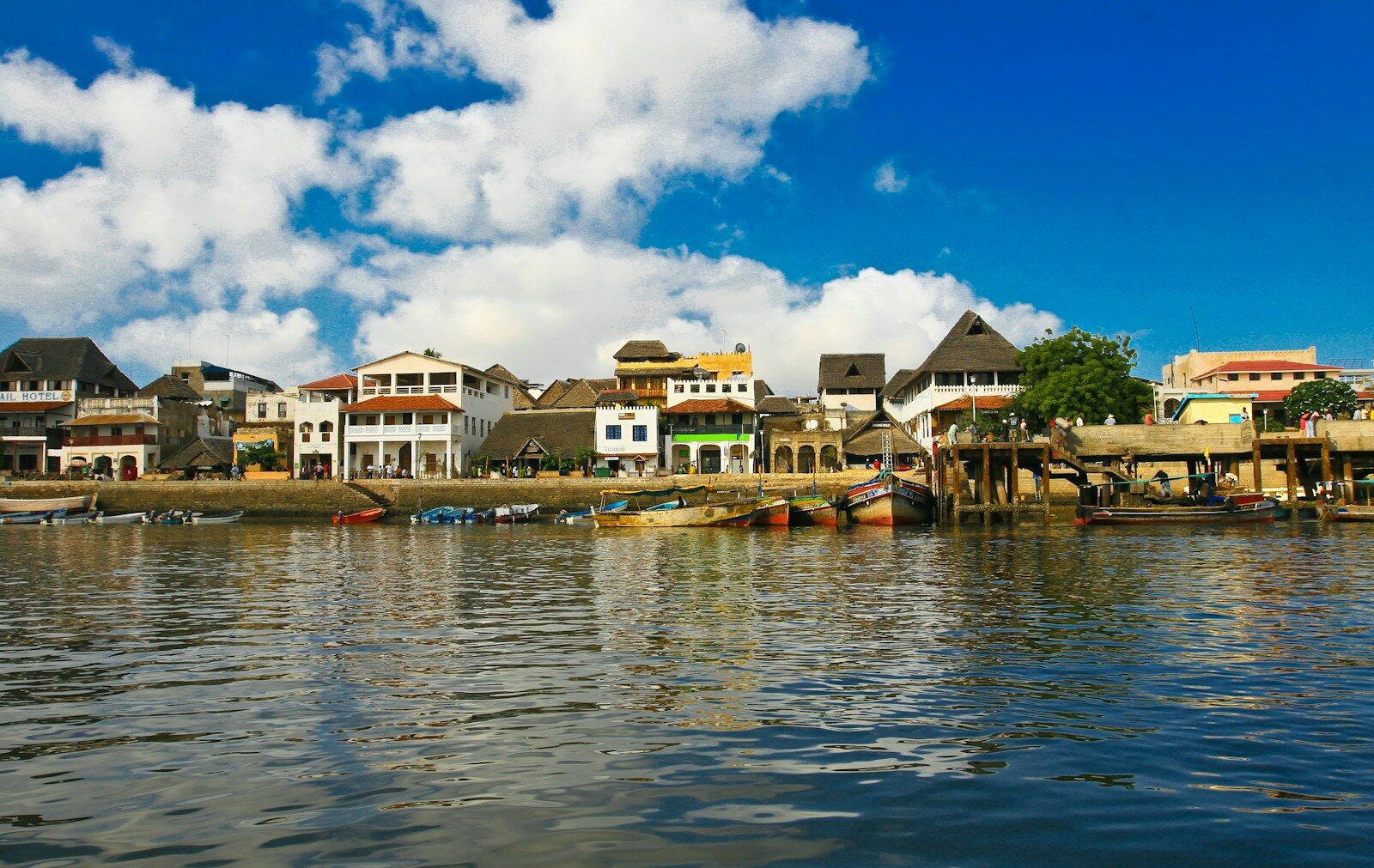
Lamu — the Swahili island town. A UNESCO Old Town where there are no cars — only donkeys and dhows — and where 14th-century Swahili culture is still a living thing, not a museum. Shela Beach, the Lamu Cultural Festival (usually November), and the slowest pace in Kenya.
Nakuru — the Rift Valley city. About 571,000 people, and the gateway to Lake Nakuru National Park (flamingos and rhinos) and Lake Naivasha, an hour away.
Kisumu — the Lake Victoria port. About 398,000 people, western Kenya’s hub: the Impala Sanctuary, Dunga Hill Camp on the lake, and the gateway to Kakamega Forest, Kenya’s last rainforest.
Eldoret — the highland town. About 476,000 people, home of Kenya’s running champions, and the gateway to the Cherangani Hills.
Naivasha — the Rift Valley lake town. Hell’s Gate National Park (cycle among the wildlife), Crescent Island walking safari, and boat rides past the hippos on the lake.
Top Places to Visit
- Maasai Mara National Reserve — the flagship safari: 1,510 km² of Big Five country, the highest concentration of predators in Africa, and the stage for the Great Migration. Non-resident entry US$100/day January–June, US$200/day July–December (12-hour ticket, 6am–6pm). Best July–October for the migration; January–March for predators at half the fee.
- Nairobi National Park — the city safari: lions, rhinos, and leopards against the Nairobi skyline, 15 minutes from the city centre. Non-resident adult US$80/day. Go at dawn, when the animals are active and the light is gold.
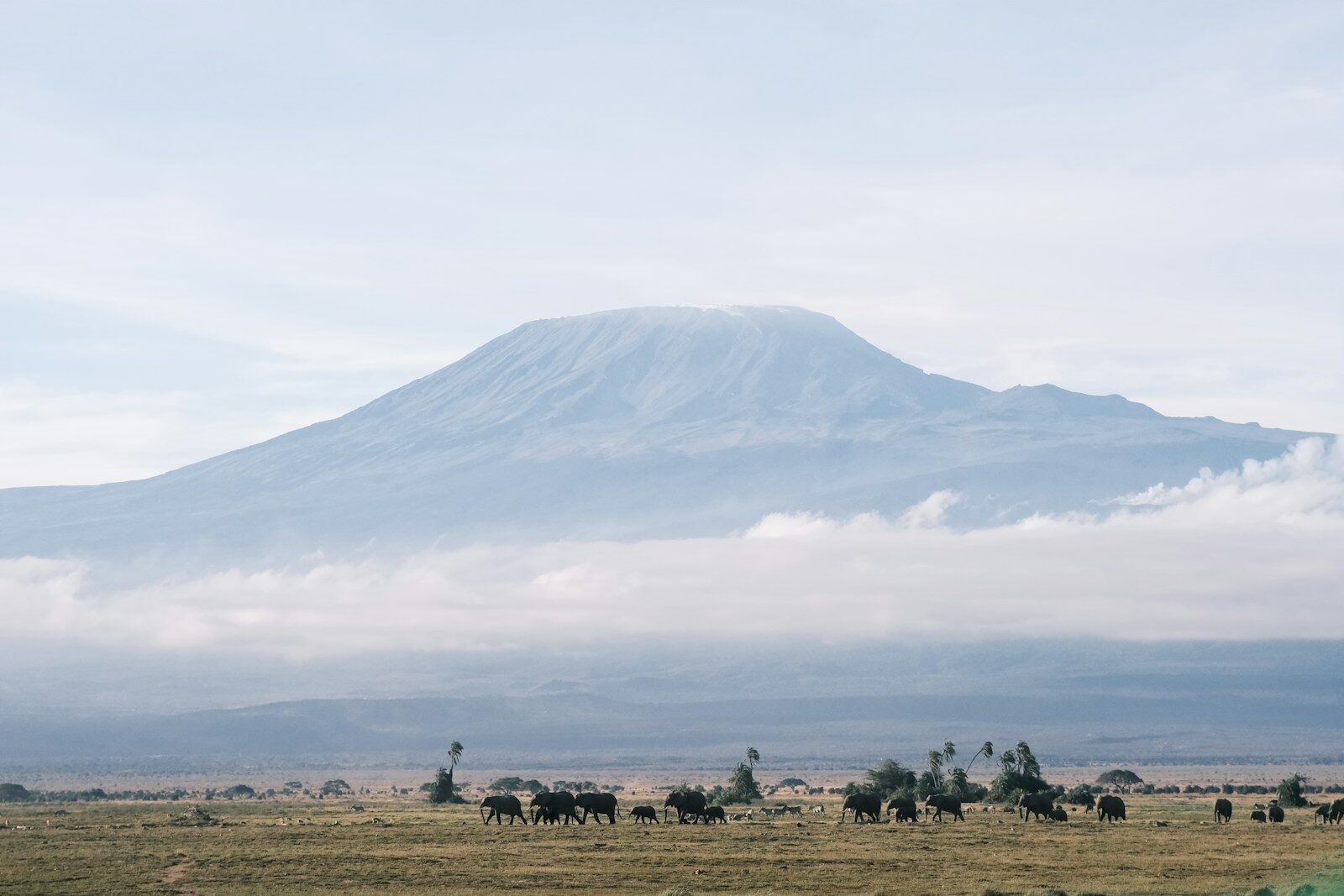
- Amboseli National Park — elephants under Kilimanjaro: the best up-close elephant viewing in Africa, with Africa’s highest mountain as the backdrop. Non-resident adult US$90/day. The classic shot is the herd crossing the dusty plain at sunrise, Kilimanjaro behind.
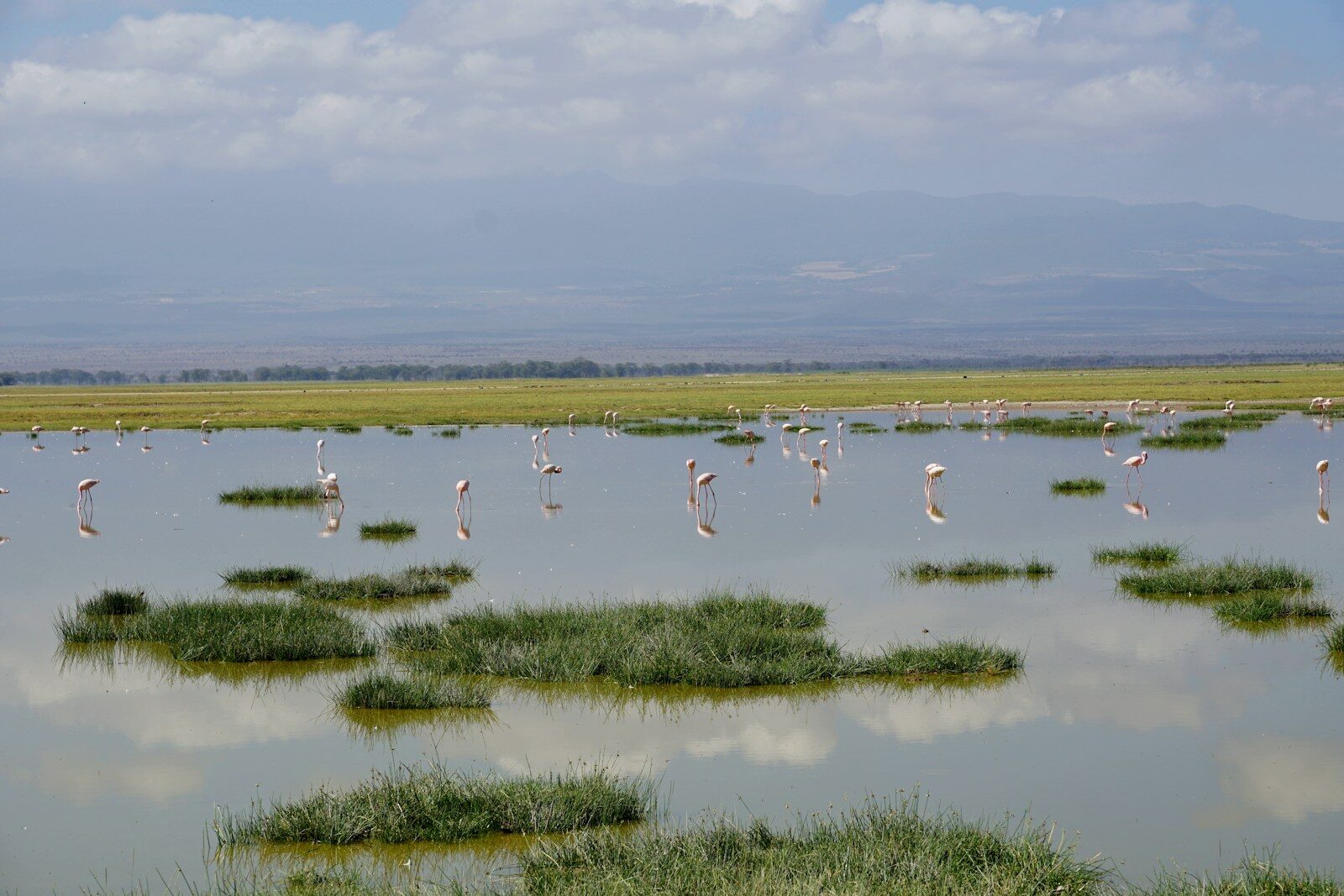
- Lake Nakuru National Park — flamingos and rhinos: a soda lake in the Rift Valley that turns pink with flamingos (numbers vary by season), plus one of Kenya’s best rhino sanctuaries. Non-resident adult US$90/day.
- Giraffe Centre, Nairobi — feed endangered Rothschild’s giraffes from a raised platform at head height. Non-resident adult KES 1,500 (~US$12), open 9am–5pm daily, no booking needed.
- David Sheldrick Wildlife Trust elephant nursery — the one-hour public visit (11am–noon daily, closed 25 December, advance email booking only) to watch orphaned baby elephants at their milk feeds. Non-resident adult US$20 donation plus the US$80 Nairobi National Park fee — the park ticket lasts 24 hours, so pair it with a game drive.
- Hell’s Gate National Park — cycle among the wildlife: the only Kenyan park where you can ride a bike past zebras and antelopes, then walk the gorges. Non-resident adult US$50/day. Widely credited as the inspiration for Pride Rock in The Lion King.
- Mount Kenya — Africa’s second-highest mountain at 5,199 metres, snow-capped on the equator, a UNESCO site since 1997. The country is named after it. Point Lenana (4,985 m) is a 3–5-day trek for fit hikers; the summit, Batian, is a technical climb.
- Lake Turkana — the Jade Sea: the world’s largest permanent desert lake and largest alkaline lake, in the far north. Remote, volcanic, and unforgettable — a serious expedition, not a day trip.
- Lamu Old Town — a UNESCO Swahili town where the 14th century is still alive: carved doors, donkeys, dhows, and no cars at all.
- Diani Beach — the coast’s best beach: white sand, reef diving, kitesurfing, and the Colobus Conservation forest walk.
- Ol Pejeta Conservancy — home to Najin and Fatu, the last two northern white rhinos on Earth, plus the Big Five and chimpanzee sanctuary. A day trip from Nanyuki, at the foot of Mount Kenya.
🎟️ Book experiences in Kenya
The tours we’d actually book — the Nairobi wildlife day that covers the park, the elephants, and the giraffes in one go, and the one-day Mara trip for travellers short on time. Free cancellation on most.
- Nairobi: National Park, Elephants & Giraffe Center Shared — a full day: a 4.5-hour game drive in Nairobi National Park, the Sheldrick elephant orphanage hour, and the Giraffe Centre, with hotel pickup. From ~US$35, rated 4.7/5 from 1,620 reviews.
- Nairobi: Day Trip to Maasai Mara Reserve & Maasai village — the one-day Mara: 4:30am pickup, game drives through the reserve, a picnic lunch, and an optional Maasai village visit, back in Nairobi by 8:30pm. From ~US$190, rated 4.6/5.
- Browse all Nairobi tours & activities
Some links in this box are affiliate links — we may earn a commission at no extra cost to you. See our affiliate disclosure.
🎟️ More ways to book (Viator)
- 4 Days Budget Safari to Maasai Mara only from Nairobi — the classic budget Mara: four days, three nights, daily game drives, hotel pickup and all meals, from ~US$390 per person.
- Masai Mara 3 Days Luxury Tented Safari — the private luxury version: two nights at Ashnil Mara Luxury Camp, all park fees and meals included, door-to-door from Nairobi. From ~US$2,515 per person.
Some links in this box are affiliate links — we may earn a commission at no extra cost to you. See our affiliate disclosure.
When to Visit & Getting Around
The verdict: January to March and July to October are the two best windows, and they suit different trips. January–March is dry and warm, the plains are green, the predators are at their best, and the Mara costs half as much (US$100/day instead of US$200). July–October is the migration: the herds arrive in mid-July, the river crossings peak in August and September, and the bush is dry and cool — but the camps cost double and you must book 6–12 months ahead. The sweet spot for a first trip that does both Nairobi and the Mara without the peak-season bill is late June or early July — the herds are arriving, the fee is still US$100 until 1 July, and the crowds have not peaked. Avoid April–May if you can — the long rains make some Mara roads difficult, though the lodges are cheapest and the landscape is at its greenest. Watch for: the Lamu Cultural Festival (usually November), the Mombasa Carnival (November, dates vary), and Jamhuri Day on 12 December.
Getting there: most visitors fly into Jomo Kenyatta International Airport, Nairobi (NBO), with direct flights from London, Paris, Amsterdam, Dubai, Doha, Toronto, and New York. For the coast, fly into Moi International, Mombasa (MBA). The classic route is to land in Nairobi, spend two days there, then fly or drive to the Mara — and finish on the coast.
Getting around: Kenya is a driving and flying country. Nairobi to the Mara is about five to six hours by road (roughly 280 km) via the Great Rift Valley escarpment viewpoint, or a 45-minute flight from Wilson Airport to a Mara airstrip. The Madaraka Express (SGR) train is the best way to the coast: 472 km from Nairobi to Mombasa in about five and a half hours, three trains a day, at about KES 1,500 in economy and KES 4,500 in first class (2026 fares — confirm at metickets.krc.co.ke when you book; the Nairobi terminus is Syokimau, so allow an hour or more from the city centre). In Nairobi, matatus (minibuses) cost KES 50–200 a ride and Uber and Bolt work well — they are the safe default at night, and traffic is heavy, so allow double the time you think you need. Domestic flights link Nairobi to Mombasa (about an hour), Kisumu, and Malindi/Diani. And for the safari, hire a car with a driver-guide — self-driving the Mara is for experienced safari drivers only; the roads are rough and the animals have right of way. Drive on the left.
✈️ Find cheap flights to Kenya — compare fares across airlines and booking sites in one search. Affiliate link: we may earn a commission at no extra cost to you.
🚗 Rent a car in Kenya — compare rental prices across providers, with free cancellation on most bookings. Affiliate link: we may earn a commission at no extra cost to you.
Budget
Kenya is mid-priced for Africa — cheaper than Tanzania’s Serengeti side of the same migration, pricier than South Africa — and the safari is where the money goes. Daily budgets per person, excluding international flights (1 USD ≈ KES 130 in November 2026):
- Budget — US$70–150/day (KES 9,000–20,000). Nairobi hostel or guesthouse (US$15–30), local meals (US$5–15 — ugali, nyama choma, chapati), matatu and Uber, and one KWS park day (Nairobi National Park is US$80). Note: a 3-day group camping safari from Nairobi runs about US$800–1,300 total — budget it as a separate line, not a daily rate, and remember the Mara fee alone is US$100–200 a day.
- Mid-range — US$180–400/day (KES 23,000–52,000). A 3★ hotel (US$60–120), restaurants (US$15–30 a meal), a car with a driver or guided day trips (the Nairobi wildlife day runs from about US$35 plus the park and attraction fees), and the SGR in first class to the coast. A 7-day private mid-range road safari (Amboseli, Nakuru, Naivasha, Mara) runs roughly US$2,800–4,500 per person.
- Comfort — US$500+/day (KES 65,000+). Boutique hotels and Diani beach resorts, a private guide and driver, and a fly-in Mara stay at US$1,000–2,500+ a night at a luxury conservancy camp (Angama Mara, Mahali Mzuri, Mara Plains). A 7-day luxury fly-in safari runs roughly US$7,000–12,000+ per person in peak season.
Money-saving truths: the Mara fee doubles on 1 July — go in June or January–March for the same resident wildlife at half the park fee. Book the SGR in economy (about KES 1,500) instead of flying to Mombasa. Eat nyama choma and ugali, not hotel restaurants. Pair the Sheldrick visit with a Nairobi National Park game drive — the US$80 park ticket lasts 24 hours, so one fee covers both. And a hot-air balloon ride (about US$450) is the one splurge worth it — the Mara at sunrise from a basket is the memory the whole trip is built around.
The migration vs the rest of the year — the call: July to October is the real thing — the river crossings, the herds stretching to the horizon, the biggest wildlife show on Earth — but it costs double in park fees and the camps must be booked 6–12 months ahead, and a crossing is never guaranteed on any given day. January to March is the smart one — the same lions, leopards, and cheetahs, the same Mara, at half the fee, with quieter camps and guides who have time for you. If the crossing is the point of the trip, go August–September and book early. If the safari is the point, go January–March and spend the savings on an extra day.
Practical Tips
- Get the entry rules right. Most nationalities (US, UK, EU, Canada, Australia, India, Japan) need an approved eTA before travel — apply at etakenya.go.ke at least two weeks ahead; there is no visa on arrival and airlines will deny boarding without one. It costs US$30 for a 90-day single entry. Your passport must be valid for at least six months beyond arrival. Kenya also added a mandatory government travel-health-insurance requirement in October 2026 (about US$44) — it was challenged in court, so confirm the current status on the eTA portal before you travel.
- Book migration camps 6–12 months ahead for August–September, and book the Sheldrick elephant nursery by email as soon as you have dates — the 11am–noon public hour sells out.
- Pay KWS park fees online in advance (eCitizen/KWSPay) — cash is no longer accepted at park gates. The Mara fee is separate (Narok County) and is paid per 12-hour ticket, 6am–6pm.
- Pack for two climates. Mara mornings are cold — a fleece and windbreaker at dawn — while the coast is hot and humid. Layers, not bulk. And bring a Type G adapter (UK-style 3-square-pin, 240V).
- Malaria and health. Malaria is present in western Kenya and on the coast; the Mara and the highlands are lower risk. Take prophylaxis advice from a travel clinic before you go. A yellow fever certificate is only needed if you arrive from a yellow-fever country.
- Don’t drive yourself in the Mara unless you are an experienced safari driver — hire a car with a driver-guide. The roads are rough, the river crossings are real, and the animals have right of way.
- Stay safe, stay normal. The main tourist areas — Nairobi’s Karen and Westlands, the parks, Diani, Lamu — are well set up for visitors. Use Uber or Bolt at night, don’t walk alone after dark in city centres, keep valuables out of sight, and don’t flash your phone in traffic. Check the current travel advisory before you go — some northern counties near the Somali border carry do-not-travel advice. Emergency numbers: 999 (police), 112 (general emergency from any mobile).
🛍️ Shop this guide: Kenya packing essentials
Gear we’d actually pack for this trip. As an Amazon Associate we earn from qualifying purchases — at no extra cost to you. Our affiliate disclosure.
- Compact safari binoculars (8×42) — the difference between a distant speck and a leopard in a tree on a Mara game drive.
- Kenya travel guidebook — the migration, the parks, and the Swahili coast all make far more sense with a good guide in hand.
- Universal travel adapter (Type G) — Kenya uses UK-style 3-square-pin plugs at 240V; a universal adapter without the Type G pin will not help you.
- Packable sun hat (UPF 50) — the equatorial sun is fierce on a Mara game drive and on Diani beach alike.
- Travel-size mosquito repellent — dusk on the coast and in western Kenya demands it.
🧳 Plan your trip: Kenya
Flights, stays, tours, and cruises — booked in one place. We may earn a commission if you book through these links, at no extra cost to you. Our affiliate disclosure.
- ✈️ Find cheap flights to Kenya — compare fares across airlines and booking sites in one search.
- 🏨 Browse our Expedia Travel Shop — hand-picked stays and travel deals from our curated storefront.
- 🎟️ Browse Nairobi tours & activities — free cancellation on most.
- 🛳️ Compare East Africa cruises on CruiseDirect — sailings calling at Mombasa, plus Indian Ocean itineraries via the Kenyan coast.
Closing
Kenya is the country that invented the safari, and it still does it better than anywhere else: dawn in the Mara with the herds stretching to the horizon, elephants under Kilimanjaro, a giraffe bending down to your hand in Nairobi, and a dhow sailing past Lamu at sunset. It is lions against a skyline, a snow-capped mountain on the equator, a desert lake the colour of jade, and a coast that has traded with the world for a thousand years — and it is cheaper than the Serengeti side of the same migration, with the same animals. Go for the crossing, stay for the rest — and leave with red dust on your shoes, a few words of Kiswahili, and the feeling that you have only just started.
FAQ
How many days do you need in Kenya?
Seven to ten days is the sweet spot: two days in Nairobi (the national park, Giraffe Centre, and Sheldrick nursery), three to four days on safari in the Maasai Mara (or Amboseli + Nakuru), and two to three days on the coast at Diani or Lamu. Two weeks adds Mount Kenya, Samburu, and the Rift Valley lakes.
How much does a trip to Kenya cost?
Budget travellers manage US$70–150 a day; mid-range is US$180–400 a day; comfort starts around US$500 a day — all excluding international flights. The safari is a separate line: a 3-day group camping safari from Nairobi runs about US$800–1,300 per person, a 7-day private mid-range safari about US$2,800–4,500, and a 7-day luxury fly-in safari about US$7,000–12,000+ in peak season.
Do I need a visa for Kenya?
Most nationalities need an approved eTA before travel — apply online at etakenya.go.ke at least two weeks ahead (US$30, 90-day single entry). There is no visa on arrival. East African Community nationals and most other African Union nationals are exempt. Confirm the travel-health-insurance requirement’s current status on the portal before you travel.
When is the best time to visit Kenya?
July to October for the Great Migration (river crossings peak August–September); January to March for the best all-round safari at half the Mara park fee. The coast is best December to March. Avoid April–May (long rains) if you want dry Mara roads.
How much is the Maasai Mara entry fee?
Non-resident adults pay US$100 per day from January to June and US$200 per day from July to December (2026 rates, per 12-hour ticket, 6am–6pm). Children aged 9–17 pay US$50 a day year-round. The fee is separate from your camp or tour price — always check whether it is included.
Is Kenya safe for tourists?
Yes, with normal vigilance in the main tourist areas. Nairobi’s Karen and Westlands, the national parks, Diani, and Lamu are well set up for visitors. Use Uber or Bolt at night, don’t walk alone after dark in city centres, keep valuables out of sight, and check the current travel advisory before you go — some northern counties near the Somali border carry do-not-travel advice.
Can you really see lions with skyscrapers behind them?
Yes — in Nairobi National Park, the only wildlife reserve in the world inside a capital city. Lions, rhinos, and leopards roam the savanna with Nairobi’s glass towers on the horizon, 15 minutes from the city centre. It is the most accessible safari on Earth.
Keep exploring
- South Africa travel guide — the other great African safari country, from Cape Town to Kruger
- Egypt travel guide — North Africa’s ancient wonders, from the pyramids of Giza to a Nile cruise
- Morocco travel guide — Marrakech’s souks, the Atlas Mountains, and the Sahara dunes
- Peru travel guide — Machu Picchu, the Sacred Valley, and the Andes’ high-altitude cousin to Mount Kenya
- Jamaica travel guide — another warm-water escape with mountains, music, and a very different coast