
 admin
Vietnam is the destination that converts skeptics. Travelers arrive expecting the chaos — the motorbike swarms, the horn symphonies, the organized madness of a Hanoi intersection — and leave talking about the coffee, the karsts, the kindness. It’s one of the cheapest countries in Asia to travel well, and one of the richest in texture: imperial citadels, lantern-lit port towns, terraced mountains, floating markets, and the world’s largest cave hiding in the jungle. This guide covers the land, the people, how they live, where to go — and settles the classic question: Ha Long Bay or Sapa?
Geography & Climate: An S on the Map
Vietnam is shaped like a long, skinny S — roughly 331,000 km² (a touch larger than Italy), with about 3,260 km of coastline running from the Chinese border in the north to the Mekong Delta in the south. It borders China, Laos, and Cambodia, and its geography falls into three distinct zones that make one-size-fits-all weather advice impossible:
- The North (Hanoi, Ha Long Bay, Sapa): subtropical, with a genuine winter. The Red River Delta is flat and fertile; the highlands around Sapa rise into real mountains — Fansipan (3,143 m) is the highest peak in Indochina.
- The Center (Hue, Da Nang, Hoi An): a narrow coastal strip backed by the Annamite Range, with the country’s most dramatic weather swings.
- The South (Ho Chi Minh City, the Mekong Delta, Phu Quoc): tropical lowlands, flat river plains, and islands scattered offshore.
The country runs on two monsoons, and they hit different regions at different times — so “the best time to visit Vietnam” always needs a regional answer. The rough rules:
- North: best October–April; cool dry winter December–February (Hanoi can dip toward 10°C); hot and humid May–August.
- Central: best February–May; watch out for the typhoon and flood season September–November — Hoi An’s old town famously floods, so build buffer days into any autumn central-coast trip.
- South: dry season November–April, wet season May–November (short, heavy afternoon showers rather than all-day washouts).
- Countrywide sweet spots: March–April and November are the safest bets for a north-to-south trip.
One more date to know: Tet, the Lunar New Year (late January to mid-February), is Vietnam’s biggest holiday. It’s festive and wonderful — but transport is packed, prices spike, and some businesses close. Book everything early if you travel during Tet.
People & Demographics: 101 Million and Counting
Vietnam’s population is about 101 million (2024) — the world’s 16th-largest — with a median age in the early 30s. It’s a young, urbanizing country: the workforce is huge, the startup scene in Ho Chi Minh City and Hanoi is buzzing, and the motorbike-to-human ratio feels like a statistical category of its own.
Ethnically, the Kinh (ethnic Vietnamese) make up about 85% of the population, but Vietnam officially recognizes 54 ethnic groups. The remaining 15% — Hmong, Dao, Tay, Thai, Cham, Khmer Krom and others — live mostly in the highlands and the Mekong Delta, and their cultures are central to the travel experience: the homestays and guided treks around Sapa are run by Hmong and Red Dao families.
Religion is predominantly Buddhist, layered with Confucian ethics and ancestor worship — family altars sit in most homes, and burning votive offerings on festival days is everyday life. Catholicism has a notable presence (a French colonial legacy), and the south hosts Cao Dai and Hoa Hao traditions.
Language: Vietnamese — a tonal language with six tones, written in a Latin-based script (quoc ngu) introduced by French missionaries, which makes signs readable even when the tones defeat you. English is workable in tourist areas but far from universal; a few phrases go a long way. Mini phrasebox: xin chao (hello), cam on (thank you), bao nhieu? (how much?), ngon (delicious), ca phe (coffee — the most important word in the country).
Culture, Etiquette & Daily Habits
Vietnamese social life blends Confucian respect for hierarchy with a warm, informal street culture. A few norms that matter for visitors:
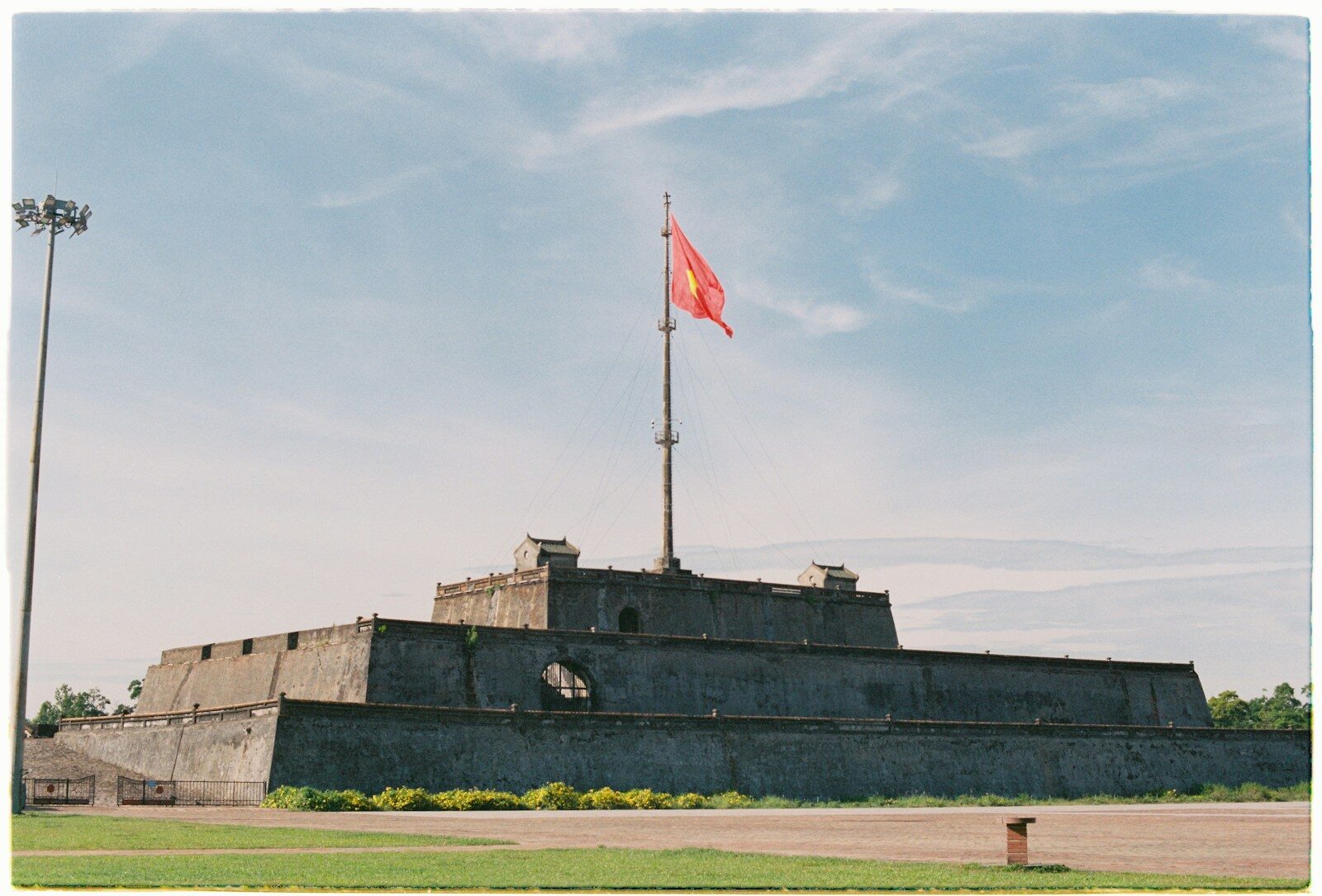
- Temples and pagodas: dress modestly — cover shoulders and knees, remove shoes where asked. The Imperial City in Hue and Hanoi’s Temple of Literature are working heritage sites, not just photo sets.
- Shoes off when entering homes, and in many homestays around Sapa — the rule is signaled by a pile of shoes at the door.
- Ask before photographing ethnic minority villagers, especially in the northern highlands. A smile and a gesture goes further than a telephoto lens.
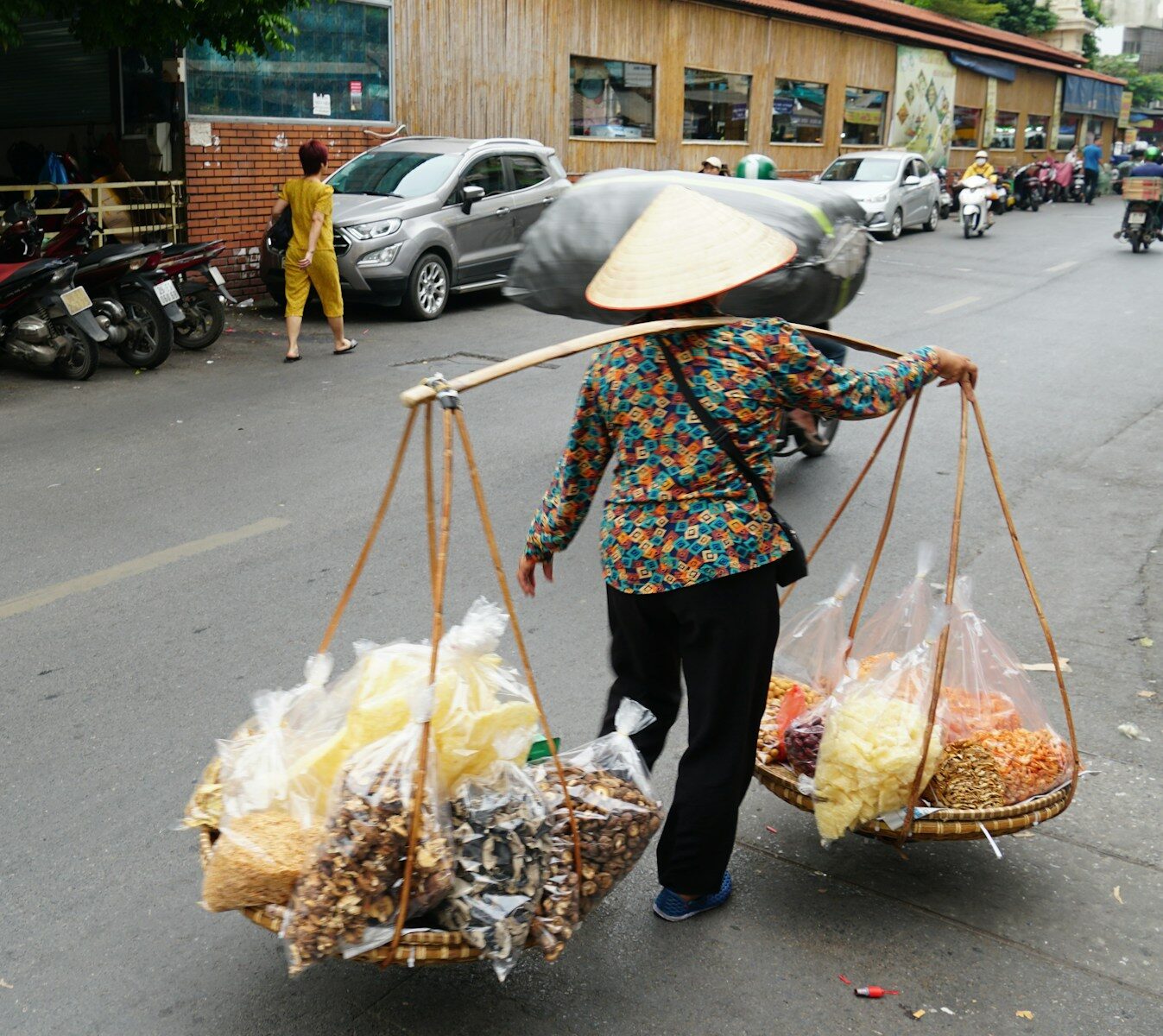
- Bargaining is expected at markets and with street vendors — start around 50–70% of the asking price and settle in the middle, always with good humor. Fixed prices apply in malls, supermarkets, and restaurants.
- Chopsticks etiquette: don’t stick them upright in a rice bowl (it resembles funeral incense), and don’t point with them.
- The street-crossing rule: Hanoi and HCMC traffic looks suicidal but runs on flow — walk slowly and steadily, never dart or stop. The motorbikes will flow around you. Commit, don’t hesitate.
Tipping isn’t traditional and isn’t expected, though rounding up or leaving small tips for guides and in nicer restaurants is increasingly common and appreciated.
Lifestyle: Coffee, Street Food & the Motorbike Nation
Coffee is not a drink in Vietnam; it’s a civilization. Vietnam is the world’s second-largest coffee exporter, and the domestic cafe culture is arguably the world’s most serious. The default order is ca phe sua da — strong robusta coffee dripping through a metal phin filter over sweetened condensed milk, served iced. In Hanoi, don’t miss ca phe trung (egg coffee): whipped egg yolk and condensed milk over hot coffee, rich as dessert. Cafes are social headquarters — business gets discussed, friendships get maintained, afternoons get stretched — over tiny plastic stools and tall glasses.
Street food is the main event. Vietnam’s cuisine is regional, and eating your way north to south is a legitimate itinerary: Hanoi’s pho (the northern original — clear, delicate broth) and bun cha (grilled pork with noodles, made globally famous by a certain presidential visit); Hue’s imperial-era royal dishes and fiery bun bo Hue; Hoi An’s cao lau (noodles made with water from one specific well, or so the legend goes); the south’s com tam (broken rice with grilled pork) and banh xeo (crispy stuffed pancakes). Prices are absurd: pho $1.50–3, banh mi $1–2, bun cha $2–4, coffee $1–3. A street-food crawl costs less than a sandwich back home.
The motorbike nation: tens of millions of motorbikes are the country’s circulatory system — family transport, delivery fleet, mobile shopfront. Grab (ride-hailing for cars and motorbike taxis) works in the cities: the price is fixed in the app, which neatly sidesteps the classic tourist-taxi negotiations.
Daily rhythms: cities wake early — markets are liveliest at dawn — and the heat enforces an afternoon slowdown. Evenings belong to the street: night markets, bia hoi (fresh draft beer) corners, riverside promenades. Work culture is intense in the big cities but the cafe is never far; Vietnam runs on the paradox of relentless hustle and total sidewalk relaxation.
Main Cities: Where to Go
Hanoi — The capital, a thousand years old and proud of it. The Old Quarter is 36 streets of organized chaos, each historically named for its trade (Silver Street, Bamboo Street — the names still fit). Walk around Hoan Kiem Lake at dawn with the tai chi crowds, visit the Temple of Literature (Vietnam’s first university, 1070), eat your way through the street stalls, and finish the day with egg coffee overlooking the lake. Give it 2–3 days; Hanoi rewards walkers.
Ho Chi Minh City (Saigon) — The southern economic engine: bigger, brasher, more vertical than Hanoi. Ben Thanh Market for the classic market experience, the War Remnants Museum (harrowing, essential), the colonial-era Notre-Dame Cathedral and Central Post Office, and the Cu Chi Tunnels as a half-day trip — the Viet Cong’s underground city, preserved and explorable. The rooftop-bar scene here is the country’s best.
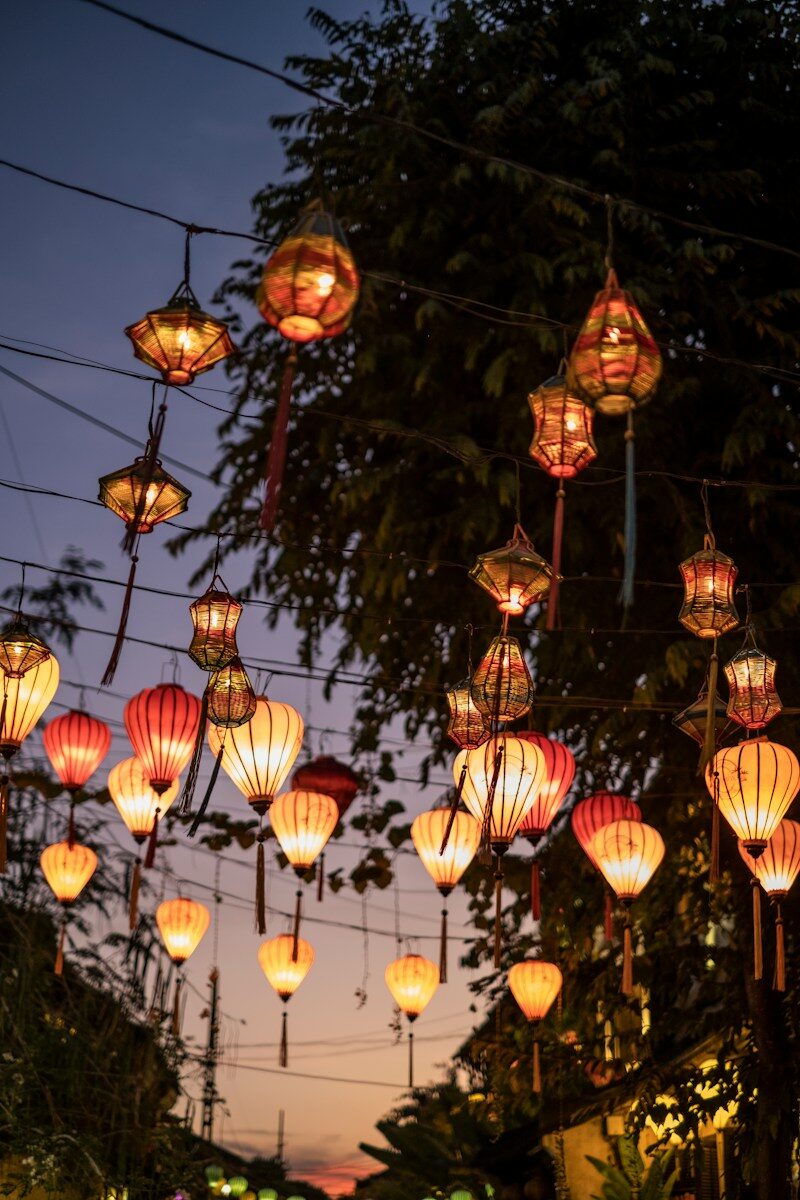
Hoi An — The lantern-lit ancient trading port on the central coast, a UNESCO World Heritage site. By day: tailors (a custom suit in 24–48 hours is the classic purchase), the Japanese Covered Bridge, the old merchant houses. By night: the Thu Bon River glows with lanterns and candle-lit boats. It’s touristy, yes — and still magical. Stay 2–3 nights minimum.
Hue — The former imperial capital and the seat of the Nguyen emperors. The Imperial City (citadel) is Vietnam’s Forbidden City — part restored, part evocatively ruined. Take a dragon boat up the Perfume River to the Thien Mu Pagoda and the emperors’ tombs scattered in the hills. Hue is also a food city: its royal cuisine is the most refined in the country.
Da Nang — The central coast’s modern beach city: the Dragon Bridge (it breathes fire on weekend nights), My Khe Beach, the marble mountains, and the gateway to both Hoi An and the Ba Na Hills cable-car complex. Increasingly the “live here” pick for long-stay travelers.
Da Lat — The cool highland escape in the south-central mountains: French colonial villas, coffee plantations, waterfalls, pine forests. Temperatures stay spring-like year-round — Vietnam’s honeymoon town.
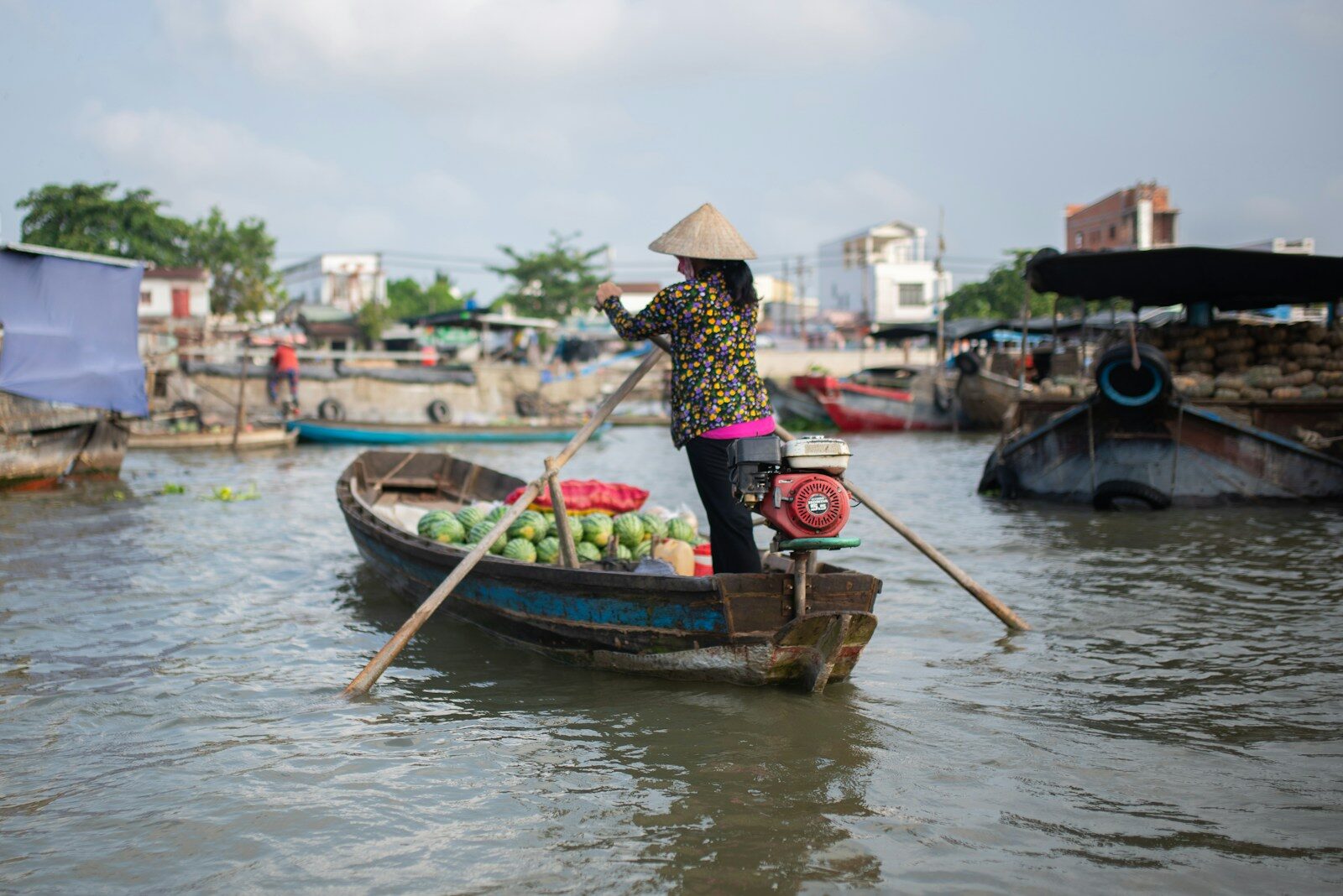
Can Tho — The Mekong Delta’s biggest city and the launch point for the Cai Rang floating market: hundreds of boats trading fruit and produce at dawn, best experienced from a small boat before 7 a.m.
Top Places to Visit: Beyond the Cities
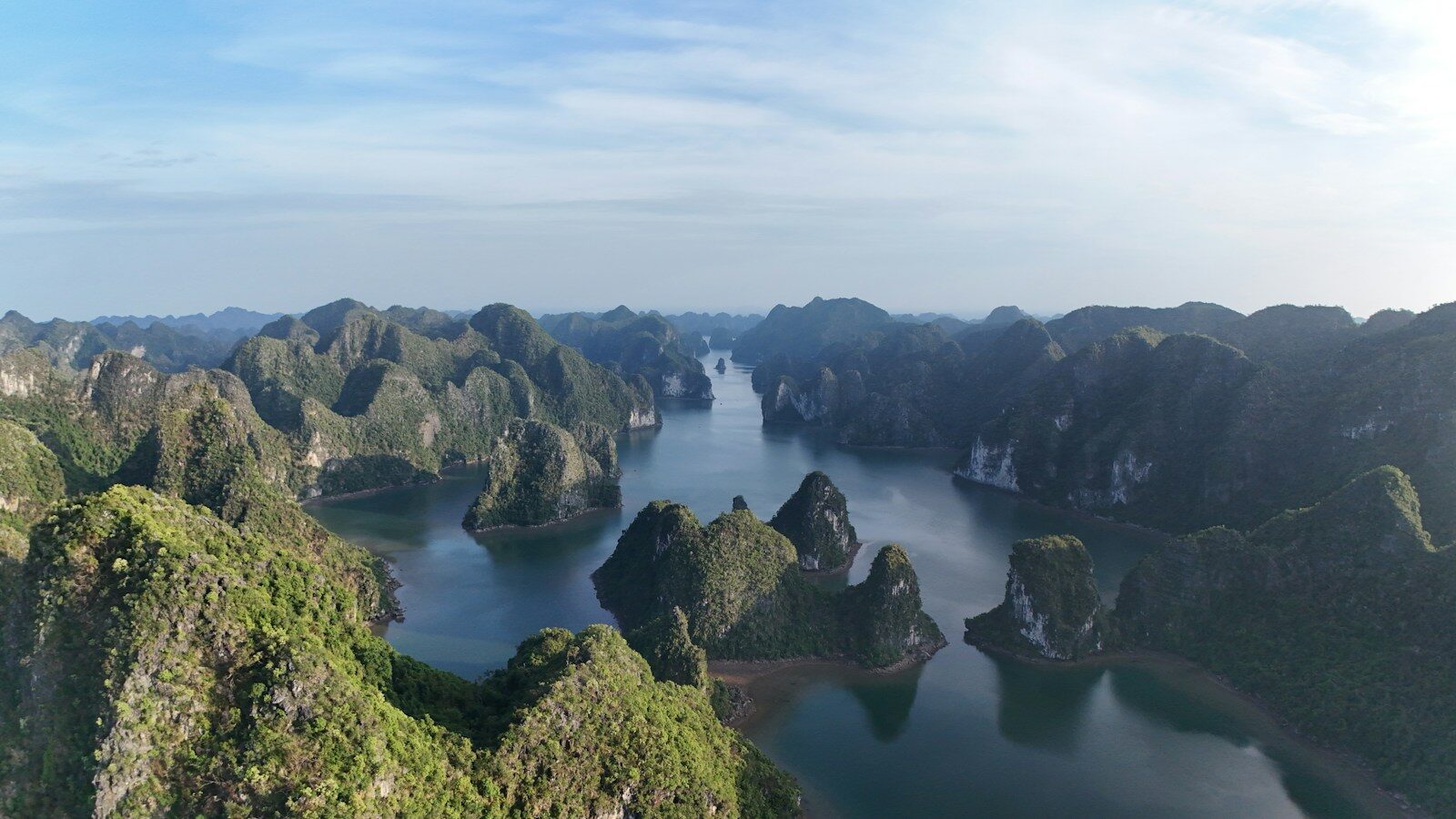
- Ha Long Bay — ~1,600–2,000 limestone karst islands rising from emerald water, a UNESCO site since 1994. Do it as an overnight cruise (day trips from Hanoi exist but the bay at dawn is the point). Best months: March–April, October–November.
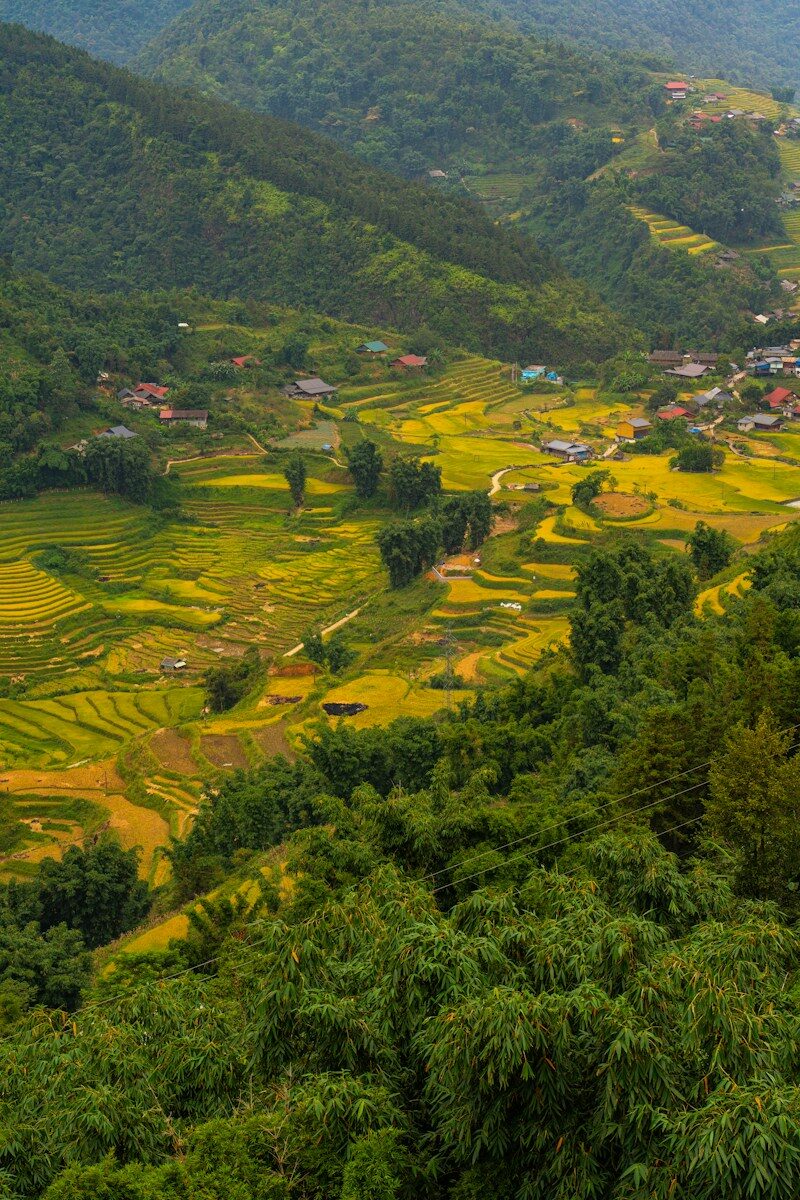
- Sapa — Terraced rice paddies carved into the northern highlands, Fansipan towering above, Hmong and Red Dao villages for homestays and treks.
- Phong Nha-Ke Bang National Park — Karst cave country: Paradise Cave (31 km long, walkable boardwalks) and the legendary Son Doong — the world’s largest cave passage, with its own jungle and weather system inside.
- Ninh Binh — “Ha Long Bay on land”: limestone karsts rising from rice paddies, rowed through on sampan boats at Tam Coc and Trang An. An easy day trip or overnight from Hanoi.
- Mui Ne — Sand dunes (yes, real dunes) and kitesurfing on the south-central coast.
- Phu Quoc — Vietnam’s largest island, in the Gulf of Thailand: beaches, night markets, pepper farms, and some of the country’s best sunsets.
- Con Dao Islands — Remote, pristine, and historically heavy (a former prison island) — now one of Southeast Asia’s most unspoiled archipelagos.
- Cat Ba Island — Ha Long Bay’s quieter sibling: karsts, jungle national park, and Lan Ha Bay’s calmer waters without the cruise crowds.
Ha Long Bay vs Sapa: Which Deserves Your 5 Days?
The classic Vietnam dilemma. Both are in the north, both are unmissable on paper, and most travelers only have about five days beyond Hanoi and Hoi An. Here’s the honest breakdown.
Ha Long Bay (Quang Ninh province, ~170 km from Hanoi) is the postcard: 1,600–2,000 limestone islands scattered across emerald water. The experience is almost entirely passive — you board a cruise, and the scenery does the work. Kayak through lagoons, visit caves like Sung Sot (Surprise Cave), watch the karsts turn gold at sunset. It’s effortless and genuinely spectacular. The catch: cruise quality varies wildly, so book a reputable operator and check what’s actually included (kayaking, cave visits, meals). One night is the standard; two nights gets you deeper into the bay and away from the day-trip crowds.
Sapa (Lao Cai province, ~320 km northwest of Hanoi) is the active choice: terraced rice paddies stair-stepping down mountainsides, Vietnam’s highest peak above you, and treks through Hmong and Red Dao villages where you sleep in family homestays. The payoff is cultural as much as visual. The catch: it demands effort — an overnight sleeper train or 6–8 hour sleeper bus from Hanoi each way — and the weather is fickle. Sapa in fog is a grey wall; Sapa in golden harvest season (September–October) is one of Asia’s great sights.
The verdict: pick Ha Long Bay if you want iconic scenery with minimal effort — the cruise does everything. Pick Sapa if you want trekking, culture, and the feeling of earning the view. With five full days, the classic combo works: 2 days for the bay cruise + 3 days for Sapa — but factor in the travel time honestly, because the overnight journeys eat into both. If the forecast for Sapa looks grim, the bay never disappoints.
🎟️ Book experiences in Vietnam
Tours we’d actually book — free cancellation on most. We may earn a commission if you book through these links, at no extra cost to you. Our affiliate disclosure.
- Hanoi Old Quarter walking tour — street food, Train Street, and hidden alleyways with a local guide.
- Hanoi city tour: the timeless charm of Vietnam — landmarks and history, a perfect first-day orientation.
- Browse all Hanoi tours & activities
🎟️ More ways to book (Viator)
Two more reader-favorite ways to see Vietnam. We may earn a commission if you book through these links, at no extra cost to you. Our affiliate disclosure.
- Ha Long Bay full-day cruise with lunch & kayak — Surprise Cave, Ti Top Island, and sunset on the bay.
- Ha Long Bay deluxe cruise day tour — six hours on the water with buffet lunch and bamboo boat.
When to Visit & Getting Around
Seasons (regional recap): North — October to April is best; Central coast — February to May, avoiding the September–November typhoon season; South — November to April dry season. March–April and November are the sweet spots for a full north-to-south trip. Tet (late January–mid-February) is magical but packed — book transport and hotels well ahead.
Getting around: Vietnam is a long, thin country, and the classic route runs north to south (or reverse).
- Trains: The Reunification Express runs Hanoi to Ho Chi Minh City (30+ hours end to end, but you’ll use it in legs). Sleeper berths are the move — especially Hanoi to Lao Cai (for Sapa) and Hanoi to Hue. Book soft sleepers ahead in peak season.
- Sleeper buses: cheap, ubiquitous, and surprisingly comfortable VIP sleepers on major routes. The budget traveler’s default.
- Domestic flights: $25–80 booked ahead on VietJet, Vietnam Airlines, or Bamboo Airways — Hanoi to Da Nang and Da Nang to HCMC are the classic time-savers.
- In cities: Grab for cars and motorbike taxis (price fixed in-app). For the adventurous, renting a motorbike is the definitive Vietnam experience — the Ha Giang Loop in the far north is one of the world’s great motorbike routes — but only if you can genuinely ride; Vietnamese traffic is not a classroom.
Festivals worth timing: Tet (Lunar New Year) for the country’s biggest celebration; the Hue Festival (biennial, celebrating imperial heritage); Hoi An’s monthly full-moon lantern festival, when the old town goes electric-free and glows entirely by lantern light.
✈️ Find cheap flights to Vietnam — compare fares across airlines and booking sites in one search. Affiliate link: we may earn a commission at no extra cost to you.
🚗 Rent a car in Vietnam — compare rental prices across suppliers in one search. Affiliate link: we may earn a commission at no extra cost to you.
Budget: What Vietnam Costs (per person/day, in-country, excluding international flights)
- Backpacker: $25–50 — Hostel dorms ($5–12), street food for every meal, sleeper buses, free walking tours. Vietnam is one of the few countries where $30 a day still feels abundant.
- Mid-range: $60–150 — Comfortable 3-star hotels, restaurant meals, domestic trains, guided tours and the odd cruise. A 14-day mid-range trip runs roughly $1,525 in-country — remarkable for two weeks.
- Comfort: $150–200+ — Boutique hotels, private drivers, Ha Long Bay’s luxury cruises, fine dining in Saigon.
Money-saving truths: street food is not the budget option — it’s the best option (the $2 bowl of bun cha beats most restaurant meals). Domestic flights booked a few weeks out are often cheaper than the sleeper train. ATMs charge roughly 55,000–100,000 VND per withdrawal, so withdraw larger sums less often. Cash (VND) still rules at street stalls and markets; cards are fine in hotels, malls, and mid-range restaurants. As of October 2026, 1 CAD is approximately 18,500–18,800 VND (approximate — check current rates before you go).
Visa note for Canadians: the 90-day e-visa is open to all nationalities — USD 25 single entry / USD 50 multiple entry — applied for at the official portal evisa.gov.vn only (beware look-alike sites charging multiples). Processing takes 3–5 business days and the fee is non-refundable. Canada is not on the 45-day visa-free list, so Canadians staying beyond 45 days need the e-visa. Passports must be valid 6+ months on arrival. New since April 2026: a Digital Arrival Card must be completed within 72 hours before arrival (currently enforced at Tan Son Nhat airport in HCMC).
Practical Tips
- Connectivity: buy a tourist SIM at the airport on arrival (~$5–10 with generous data). Coverage is good even in the highlands.
- Water: do not drink tap water. Bottled or filtered water is everywhere and cheap.
- Crossing streets: walk slowly and steadily — never run, never freeze. Traffic flows around predictable pedestrians.
- Scams to know: the shoe-shine ambush, overpriced cyclo rides agreed verbally, and the “that attraction is closed today, come to my cousin’s shop” redirect. Agree prices upfront, in writing where it matters.
- Safety: violent crime against tourists is rare — normal big-city awareness applies. Watch for bag-snatching by passing motorbikes in tourist areas; wear backpacks front-facing in crowds.
- Health: travel insurance is essential; ask your travel clinic about typhoid and hepatitis vaccines. Bring mosquito protection for rural and Mekong areas.
- Power plugs: Vietnam uses types A, C, and F (220V) — most modern chargers work with a simple adapter.
🛍️ Shop this guide: Vietnam packing essentials
Gear we’d actually pack for this trip. As an Amazon Associate we earn from qualifying purchases — at no extra cost to you. Our affiliate disclosure.
- Waterproof dry bag — Ha Long Bay kayaking and Sapa’s surprise rain.
- Packable rain jacket — the “beautiful chaos” includes sudden tropical downpours.
- Portable charger — motorbike-city days are long and outlet-scarce.
- Compact travel umbrella — doubles as a sun shade in Hue’s midday heat.
🧳 Plan your trip: Vietnam
Flights, stays, tours, and cruises — booked in one place. We may earn a commission if you book through these links, at no extra cost to you. Our affiliate disclosure.
- ✈️ Find cheap flights to Vietnam — compare fares across airlines and booking sites in one search.
- 🏨 Browse our Expedia Travel Shop — hand-picked stays and travel deals from our curated storefront.
- 🎟️ Browse Hanoi tours & activities — free cancellation on most.
- 🛳️ Compare Asia cruises on CruiseDirect — Ha Long Bay and Southeast Asia itineraries.
Keep Exploring
- Planning a wider Asia trip? Read our Japan travel guide — a 7-day Tokyo to Kyoto to Nara itinerary on a mid-range budget.
- Vietnam pairs perfectly with Thailand — our full breakdown of traveling Thailand on $50 a day, from Bangkok’s street food to the southern islands.
- From Vietnam, the classic next stop is Angkor Wat — and our upcoming Cambodia guide will cover it. Subscribe to the One Minute World YouTube channel so you don’t miss it.
Closing
Vietnam doesn’t do lukewarm. It’s the 6 a.m. pho steam rising off a Hanoi sidewalk, the karsts of Ha Long Bay materializing through morning mist, the Hmong grandmother who out-walks you up a Sapa mountainside without breaking stride. It’s cheap without feeling cheap, chaotic without ever feeling unsafe, and ancient without feeling like a museum. Come for the bay or the terraces — stay for the coffee, and leave already planning the motorbike loop you’ll do next time.
Watch: Vietnam in 60 Seconds
FAQ
How many days do you need in Vietnam?
10–14 days covers the classic north-to-south route (Hanoi, Ha Long Bay, Hue, Hoi An, HCMC, Mekong Delta). With only 5 days, base yourself in the north: Hanoi + Ha Long Bay + Sapa. Less than that and you’re rushing the country’s best parts.
Is Vietnam safe for tourists?
Yes — violent crime against tourists is rare. The real risks are traffic and petty theft: cross streets carefully, secure your bag against snatch theft, and agree prices before services. Standard Southeast Asia awareness is enough.
When is the best time to visit Vietnam?
March–April and November are the safest countrywide bets. Regionally: the north is best October–April, the central coast February–May (avoid September–November typhoon season), and the south November–April.
Is Vietnam expensive?
No — it’s one of Asia’s best-value destinations. Backpackers manage on $25–50/day, mid-range travelers on $60–150/day, and a two-week mid-range trip runs roughly $1,525 in-country excluding international flights.
Do people speak English in Vietnam?
Basic English works in tourist areas, hotels, and tour operations, but it’s far from universal. Learn a few Vietnamese phrases — xin chao (hello), cam on (thank you), bao nhieu? (how much?) — and download an offline translation app for the highlands and countryside.
Ha Long Bay or Sapa?
Ha Long Bay for iconic scenery with minimal effort (the cruise does the work); Sapa for active trekking and cultural immersion. With 5 days, do both: 2 days for an overnight bay cruise + 3 days for Sapa, using overnight sleeper transport between them.

[…] Kerala’s backwaters have a cousin in Vietnam’s Mekong Delta — river life, floating markets, and slow boats: our Vietnam travel guide. […]
[…] by the terraces and treks? Our Vietnam travel guide covers Sapa’s rice terraces and the Fansipan highlands — Southeast Asia’s other great […]
[…] And for the region’s other great ocean story, Vietnam’s Ha Long Bay cruise versus Sapa’s rice terraces: our Vietnam travel guide. […]
[…] Ha Long Bay’s limestone karsts are Southeast Asia’s other unmissable water-and-rock spectacle after Marina Bay — plan it with our Vietnam travel guide. […]
[…] Vietnam’s beautiful chaos is the backpacker counterpoint — Ha Long Bay vs Sapa. […]
[…] Craving more cliffside coasts and street food after the Amalfi Coast? Our Thailand travel guide and Vietnam travel guide cover Southeast Asia’s legendary coastlines. And if Italy’s high-speed trains impressed […]