
 admin
Introduction
Austria is small — about 83,871 square kilometres, smaller than the US state of Maine — and it uses every one of them. In five days you can stand in a Habsburg palace in the morning, eat lunch in Mozart’s birthplace, and be staring at a mountain lake by evening, all without ever feeling rushed. This guide follows the classical music trail: Vienna first, then Salzburg, with a Hallstatt day trip and an Alpine detour, because that route gives you the two sides of Austria at their best — imperial grandeur and mountain air.
Geography & Climate
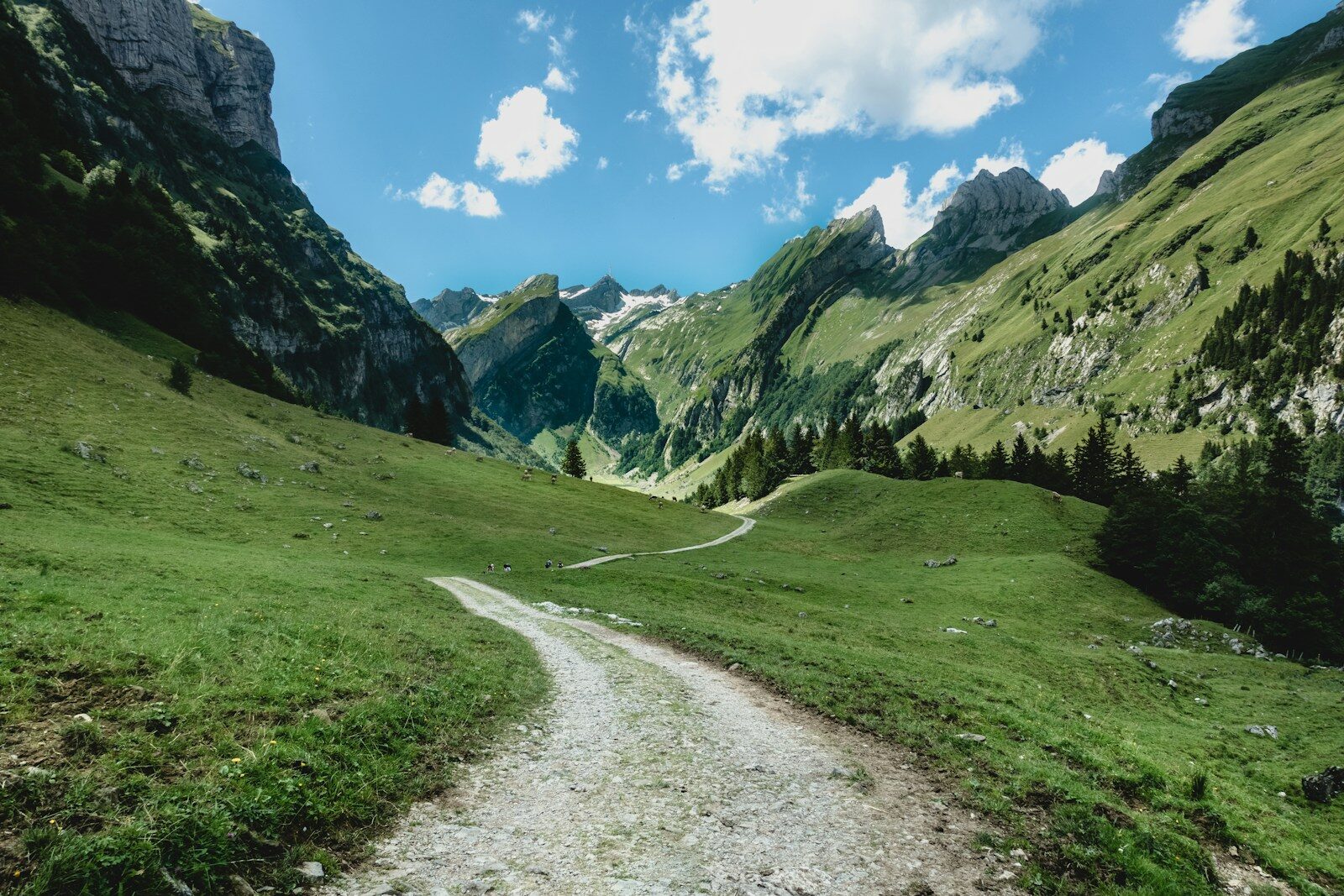
Austria is landlocked in the heart of Europe, bordered by Germany and Czechia to the north, Slovakia and Hungary to the east, Slovenia and Italy to the south, and Switzerland and Liechtenstein to the west. Around 62% of the country is Alps, which is why the postcard version of Austria — steep green valleys, white peaks, lakes the colour of glass — is also the accurate one. The east, around Vienna and the Danube, is flatter, warmer, and more urban; the west, Tyrol and Vorarlberg, is vertical.
The climate is temperate-continental with real seasons. Summers (June–August) are warm, typically 25–30°C in Vienna, perfect for lake swimming and hiking, with afternoon thunderstorms in the Alps. Winters (December–February) are cold — Vienna hovers around 0°C — and the ski resorts come alive. Spring and autumn are the sweet spots for cities: mild, golden, and far less crowded. The worst weather surprise is Alpine rain in July, which can wash out a hiking day; always have a town-and-museum backup plan.
People & Demographics
Austria has about 9.1 million people, and more than two in nine of them live in or around Vienna — the capital passed 2 million residents in 2026 and recorded over 20 million tourist overnight stays in 2025. The population is mostly ethnic Austrian, with large communities of German, Turkish, Serbian, and Croatian heritage, and Vienna alone is home to people of 187 nationalities. Around 55–60% of Austrians are Roman Catholic, though church attendance is low; the rest are mostly unaffiliated, with Muslim and Orthodox minorities.
German is the official language, spoken in the lilting Austrian variant — don’t be surprised if “hello” sounds like “Grüß Gott” rather than “Guten Tag.” English is widely spoken in hotels, restaurants, and attractions in Vienna and Salzburg, less so in small Alpine villages.
Mini phrasebox: Grüß Gott (hello, literally “greet God”) · Danke (thank you) · Bitte (please / you’re welcome) · Auf Wiedersehen (goodbye) · Ein Melange, bitte (a Viennese coffee with steamed milk, please) · Die Rechnung, bitte (the bill, please).
Culture, Etiquette & Daily Habits
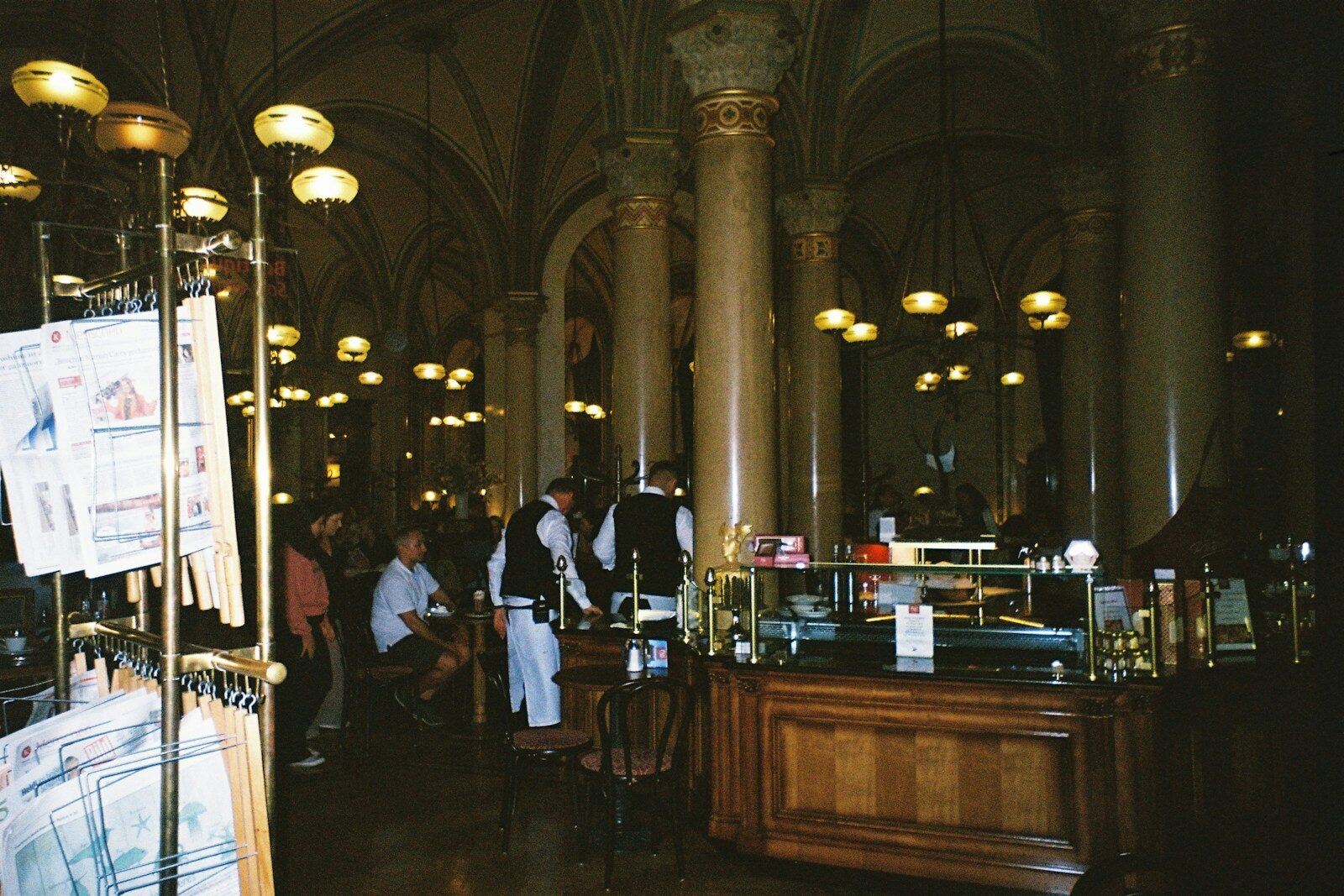
Austrian culture runs on a paradox: famously formal, famously cosy. The coffee house is the institution that explains it. Vienna’s coffee-house culture is UNESCO-listed intangible heritage: you order one Melange, sit for three hours with a newspaper, and nobody hurries you. The waiter is not rude — he is respecting your table. That unhurried, correct, slightly old-fashioned manners code runs through everything.
Do: Greet shopkeepers with “Grüß Gott” when you enter; shake hands on meeting and leaving; dress a notch smarter than you would at home for concerts and nice restaurants; be punctual — trains and concert doors both mean it; queue properly and keep voices down on public transport.
Don’t: Call a Wiener Schnitzel anything but veal (by law, “Wiener” means veal; pork is “Schnitzel Wiener Art”); jaywalk in front of waiting Viennese — they will stare; assume shops open on Sundays (most don’t); photograph the Lipizzaner stallions with flash; tip by leaving coins on the table — tell the waiter the total you want to pay when handing over the money.
Tipping is gentle: round up the bill or add 5–10% in restaurants, a euro or two for a coffee, and round up for taxis. Nobody will chase you for more.
Lifestyle
Food is the daily rhythm. Breakfast is bread, jam, and cold cuts; lunch is the main hot meal (many restaurants offer a cheaper Mittagsmenü); dinner is lighter. The canon: Wiener Schnitzel with potato salad, Tafelspitz (boiled beef with horseradish), Käsespätzle in the west, and for dessert Sachertorte (the 1832 Hotel Sacher chocolate cake, still served with unsweetened whipped cream) and Apfelstrudel. Markets are a way of life — Vienna’s Naschmarkt is the famous one, but every town has a farmers’ market worth a wander.
Work culture is orderly and early; shops typically open 9–10am and close 6–7pm, earlier on Saturdays. Evenings belong to music: Vienna has more concert halls per capita than almost anywhere on Earth, and standing-room opera tickets at the Staatsoper (from a few euros, queued on the night) are one of Europe’s great travel bargains. Sport means skiing in winter and hiking and cycling in summer — Austrians treat the mountains the way other countries treat the beach. And yes, The Sound of Music is a real part of Salzburg’s tourist economy, even if most Austrians have never seen it.
Main Cities
- Vienna (pop. ~2.04 million) — The imperial capital, and still the showpiece: Ringstrasse boulevards, Schönbrunn and Hofburg palaces, the Staatsoper, and coffee houses that double as living rooms. Give it three days minimum; it rewards slow walking.
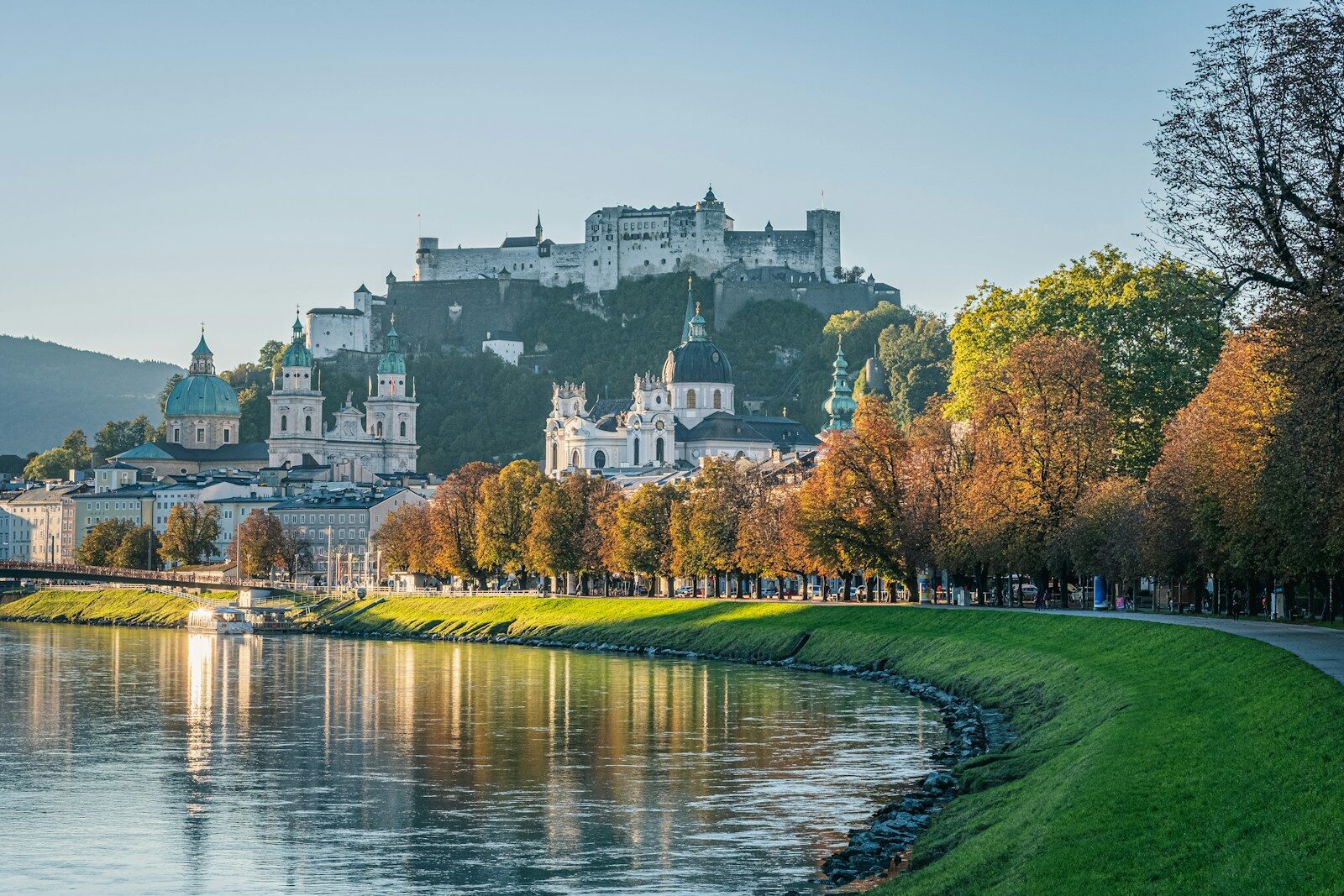
- Salzburg (pop. ~155,000) — Mozart’s birthplace and a baroque jewel squeezed between the Salzach river and a fortress hill. The old town is compact, walkable, and gorgeous at dusk.
- Innsbruck (pop. ~130,000) — The Alpine capital, twice a Winter Olympics host, where you can ride a cable car from the old town to 2,000 metres in twenty minutes.
- Graz (pop. ~300,000) — Austria’s second city and a university town with a relaxed, Mediterranean feel, a hilltop clock tower, and the best food scene outside Vienna.
- Linz (pop. ~210,000) — Danube industrial city turned culture hub, home of the Ars Electronica digital-arts festival and the original Linzer Torte.
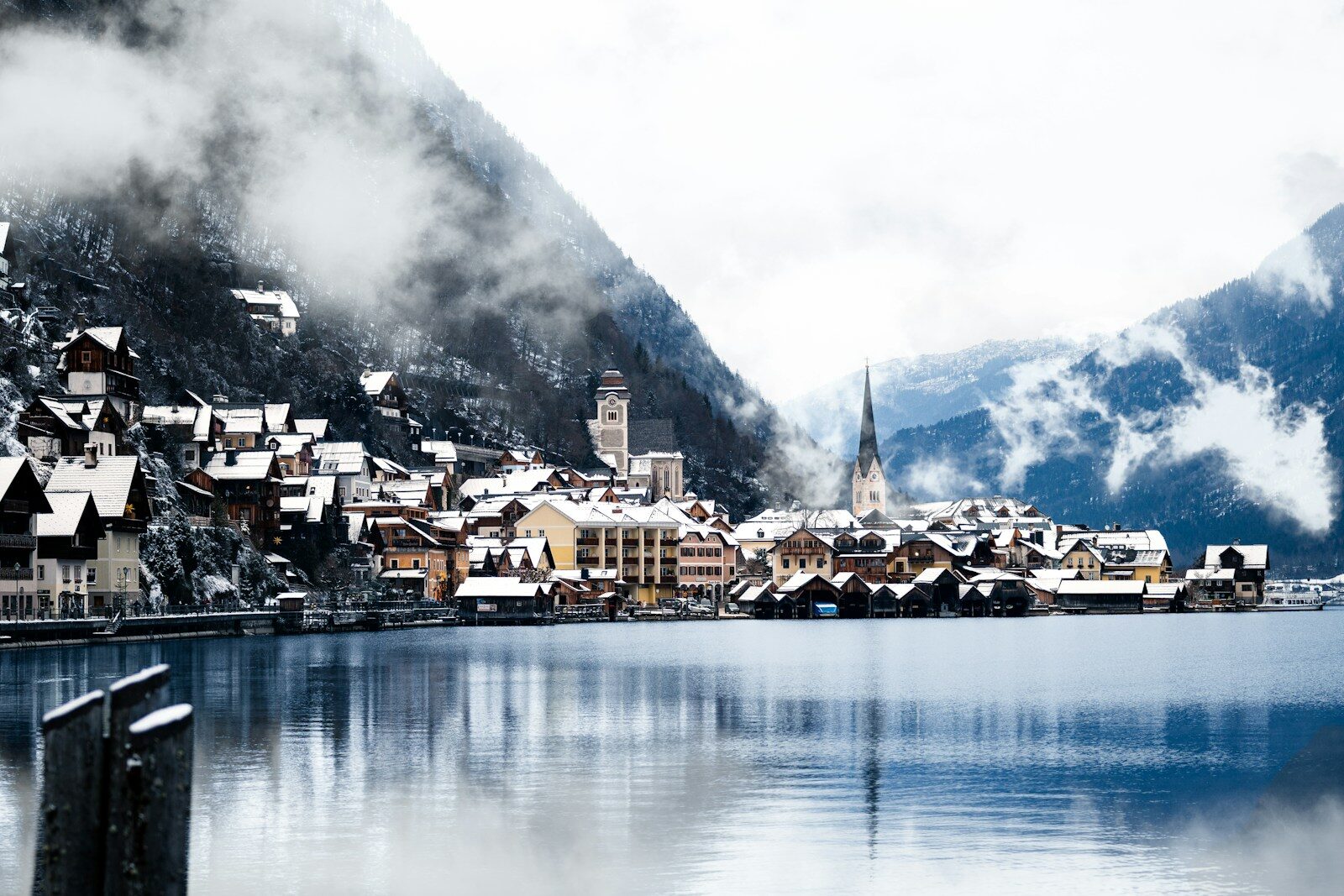
- Hallstatt (pop. ~750) — Not a city at all, but the village everyone photographs: pastel houses on a lake under a mountain wall, with a 7,000-year-old salt mine above it.
Top Places to Visit
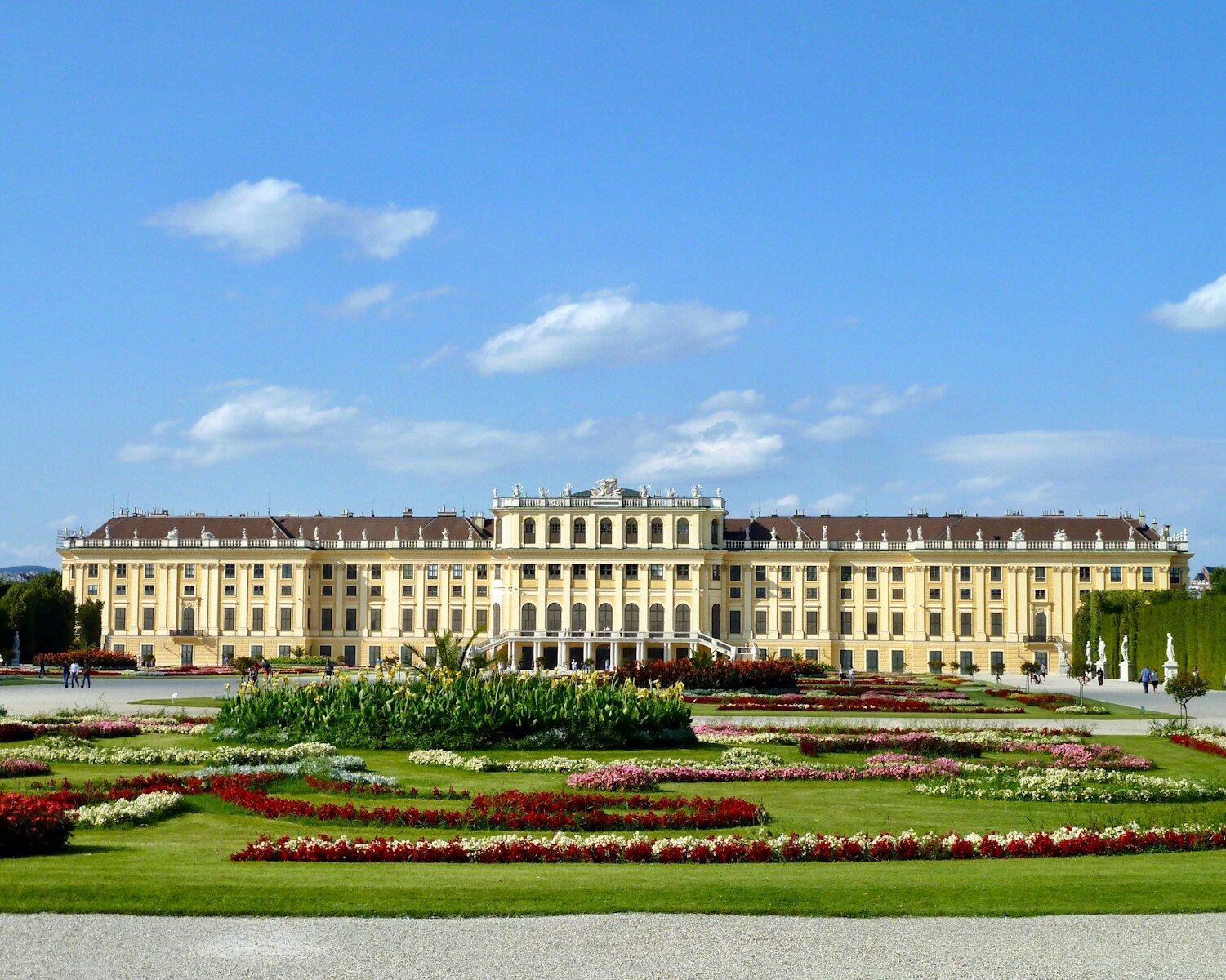
- Schönbrunn Palace, Vienna — The Habsburgs’ summer residence: 1,441 rooms, vast gardens, and the Gloriette viewpoint. Book a timed ticket.
- Hofburg & the Sisi Museum, Vienna — The winter palace complex, Empress Elisabeth’s apartments, and the Spanish Riding School’s Lipizzaners next door.
- St. Stephen’s Cathedral, Vienna — The Gothic heart of the old town; climb the south tower for the rooftops view.
- Belvedere Palace, Vienna — Klimt’s “The Kiss” in a baroque palace with a garden sloping down to the city.
- Mozart’s Birthplace, Salzburg — Getreidegasse 9, where Mozart was born in 1756; the street itself is a sight.
- Hohensalzburg Fortress, Salzburg — One of Europe’s largest medieval castles, reached by funicular, with views over the whole city.
- Hallstatt & the Skywalk — The lakeside village, the salt mine, and the “World Heritage View” platform hanging over the lake.
- Melk Abbey, Wachau Valley — A golden baroque abbey above the Danube, best reached by river cruise between Krems and Melk.
- Grossglockner High Alpine Road — 48 km of hairpins past Austria’s highest peak (3,798 m), open roughly May to October, weather permitting.
- Eisriesenwelt, Werfen — The world’s largest ice cave, a 40-minute drive from Salzburg; bring a warm layer even in summer.
- Kitzbühel & the Arlberg — The classic ski circuit (St. Anton, Lech, Zürs) in winter; wildflower hiking in summer.
- Neusiedler See — The shallow steppe lake on the Hungarian border, a UNESCO site famous for birdlife, cycling, and white wine.
🎟️ Book experiences in Austria
Tours we’d actually book — free cancellation on most. We may earn a commission if you book through these links, at no extra cost to you. Our affiliate disclosure.
- Skip-the-line Schönbrunn Palace & Gardens tour — the Highlights Route of 22 rooms with a licensed guide, plus the gardens and Gloriette.
- Hallstatt day trip with Skywalk option from Vienna — Salzkammergut lakes, Schloss Ort, and Hallstatt village in one long, beautiful day.
- Browse all Vienna tours & activities
🎟️ More ways to book (Viator)
More Austria tours with free cancellation on most. We may earn a commission if you book through these links, at no extra cost to you. Our affiliate disclosure.
- Day trip to Hallstatt from Vienna — guided village walk, with a Lake Hallstatt boat ride in summer or the Ossuary in winter.
- Melk, Hallstatt & Salzburg full-day guided tour from Vienna — abbey, lake village, and Mozart’s city in a single day.
When to Visit & Getting Around
Best time: May–June and September–October for cities and hiking (mild, fewer crowds); December for the Christmas markets (Vienna’s Rathausplatz market runs mid-November to 26 December, Schönbrunn’s to 6 January); January–March for skiing. July–August is peak season — Hallstatt in particular can feel overwhelmed by day-trippers, so go early or stay overnight.
Getting there: Vienna International Airport (VIE) is the main gateway, with the S7 train to the city centre (€5.50) or the CAT express (€14.90). Salzburg and Innsbruck airports serve the west. Most visitors from the US, Canada, UK, Australia, and the EU need no visa for stays under 90 days in the Schengen zone.
Getting around: Austria’s trains are superb. ÖBB Railjet services link Vienna–Salzburg in about 2.5 hours; book Sparschiene advance fares early for the best prices. Within Vienna, the U-Bahn, trams, and buses run on one ticket: a single is €3.20 on paper / €3.00 in the app (80 minutes, transfers included), a 24-hour ticket €10.20 / €9.70, and a 7-day ticket €28.90 / €25.20. The Vienna City Card (24h €19, 48h €31, 72h €37, 7-day €39) adds 200+ attraction discounts on top of unlimited transit. Note: Wiener Linien scrapped its 48- and 72-hour standard tickets on 1 January 2026, so multi-day visitors should buy the 7-day ticket or the City Card. The annual KlimaTicket (€1,400 in 2026) only makes sense for residents.
✈️ Find cheap flights to Austria — compare fares across airlines and booking sites in one search. We may earn a commission if you book through this link, at no extra cost to you.
🚗 Rent a car in Austria — compare rental prices for a Vienna–Salzburg–Hallstatt road trip. We may earn a commission if you book through this link, at no extra cost to you.
Budget
Prices in euros; €1 ≈ $1.15–1.20 (November 2026, approximate).
- Budget (€70–100 / $80–120 per day): hostel dorm or budget pension (€35–55), bakery breakfasts and market lunches (€15–20 food), a 24-hour transit ticket and one paid sight a day.
- Mid-range (€140–220 / $165–260 per day): 3-star hotel or good pension (€90–160), a restaurant dinner with wine (€35–50), Schönbrunn or a day trip, and a City Card.
- Comfort (€300+ / $350+ per day): 4–5-star hotel in the Innere Stadt or Salzburg old town (€200+), concert or opera seats, guided tours, and a rental car for the Alps.
Money-saving truths: The Schönbrunn park and gardens are free — only the palace interior is ticketed. Standing-room opera tickets cost a few euros. Supermarkets (Billa, Spar, Hofer) cut food costs in half versus restaurants. And the most expensive mistake is renting a car in Vienna itself — transit is faster, parking is painful, and you only need a car for the mountains.
Practical Tips
- Validate your ticket. Vienna’s transit runs on trust plus inspectors: stamp paper tickets in the blue machines before boarding, or have your digital ticket ready. The fine is €105+.
- Book Schönbrunn online. Palace tickets are timed entry and sold online only through the official shop — the Palace Ticket is €42 for adults, the shorter State Apartments €30. Walk-ups risk a long wait or a sold-out slot.
- Cash still matters in villages. Cards work everywhere in cities, but small Alpine huts, market stalls, and Hallstatt’s lanes may be cash-only. Carry €50 in small notes.
- Sunday shutdown. Most shops close on Sundays and public holidays; museums, restaurants, and sights stay open. Plan shopping for Saturday.
- Power & connectivity. Type C/F plugs, 230V. EU roaming is free for EU visitors; others should buy a local eSIM at the airport. Free Wi-Fi is common in cafés and hotels.
- Emergencies: 112 works EU-wide; 144 is the ambulance, 133 the police, 122 the fire brigade.
- Hallstatt etiquette. It’s a real village of ~750 people, not a theme park. Keep noise down after dark, don’t fly drones over private houses, and consider staying overnight — the village after the day-trippers leave is a different, quieter place.
🛍️ Shop this guide
Gear we’d pack for Austria. We may earn a commission if you book through these links, at no extra cost to you. Our affiliate disclosure.
- Comfortable walking shoes — Vienna’s cobbles and Salzburg’s fortress hill punish flimsy footwear.
- Packable rain jacket — Alpine afternoons can turn in twenty minutes, even in July.
- Type C travel adapter — Austria uses C/F sockets at 230V.
- 20L daypack — for palace days, lake walks, and carrying a market lunch into the mountains.
- Portable charger (10,000 mAh) — navigation, tickets, and photos will drain a phone by dinner.
🧳 Plan your trip
One box, everything booked. We may earn a commission if you book through these links, at no extra cost to you. Our affiliate disclosure.
- ✈️ Find cheap flights to Austria — compare fares across airlines and booking sites in one search.
- 🏨 Browse our Expedia Travel Shop — hand-picked stays and travel deals from our curated storefront.
- 🎟️ Browse Vienna tours & activities — free cancellation on most.
- 🛳️ Compare Danube river cruises on CruiseDirect — Vienna to Budapest sailings along the river that built the empire.
Closing
Austria doesn’t shout. It plays — a waltz in a palace ballroom, a busker on the Graben, cowbells on an Alpine pasture — and if you slow down to its tempo, it stays with you longer than louder countries do. Come for the palaces, stay for the coffee houses, and leave with a soundtrack in your head.
Keep exploring
- Switzerland travel guide
- Netherlands travel guide
- Iceland travel guide
- Greece travel guide
- Portugal travel guide
FAQ
How many days do you need in Austria? Five days covers Vienna (3) plus Salzburg and Hallstatt (2) comfortably. Add 2–3 days for Innsbruck or a ski/hiking base, and a week total is ideal.
Is Austria expensive? Mid-range by Western European standards. Budget travellers can manage on €70–100 a day with hostels and markets; Vienna’s free palace gardens, standing-room opera, and cheap transit help a lot.
Do I need a car in Austria? No for Vienna and Salzburg — transit is excellent. Yes if you want the Grossglockner road, remote Alpine valleys, or the Salzkammergut lakes at your own pace.
What is the best month to visit Austria? May–June and September for the best balance of weather and crowds; December for Christmas markets; January–February for skiing.
Is Hallstatt worth the trip from Vienna? Yes, but go with eyes open: it’s a 13-hour guided day or a 4-hour train each way, and midday crowds are intense. Staying overnight transforms it.
Is Austria safe for tourists? Very. Violent crime is rare; the main risks are pickpockets in crowded Vienna stations and Alpine weather changing fast on hikes. Standard precautions cover both.
[…] Austria travel guide — Vienna and Salzburg on the classical music trail. […]
[…] Austria travel guide — Vienna and Salzburg on the classical music trail, for the mountain-and-culture combination. […]