admin
adminJapan is the rare destination that exceeds its own hype. Neon skylines and silent bamboo groves, 1,200-year-old temples and robot-staffed hotels, exquisite politeness and vending machines that sell hot coffee at 3 a.m. — nowhere else on earth compresses this much contrast into one country. This guide covers everything a first-time (or fifth-time) visitor needs: the land, the people, how they live, where to go, and how to do it without accidentally offending anyone.
Geography & Climate: An Archipelago Built Sideways
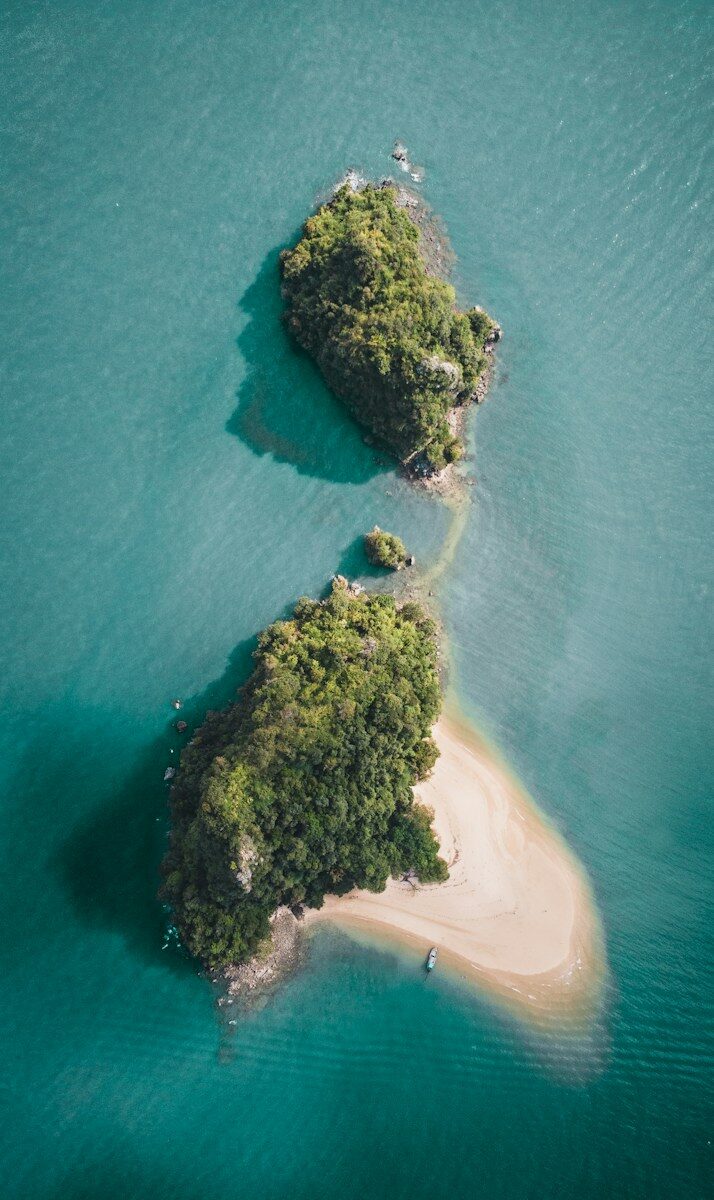
Japan is an island nation in East Asia, stretching about 3,000 km from the snowy tip of Hokkaido in the north to the subtropical beaches of Okinawa in the south. In 2023, Japan’s Geospatial Information Authority finished a digital recount and nearly doubled the official island count: the country is now recognized as having 14,125 islands, up from the long-quoted 6,852. Only about 430 are inhabited.
Four main islands hold almost the entire population: Honshu (the largest, home to Tokyo, Kyoto and Osaka), Hokkaido (wild, northern, famous for powder snow), Kyushu (volcanic, subtropical south) and Shikoku (the smallest, known for its 88-temple pilgrimage route).
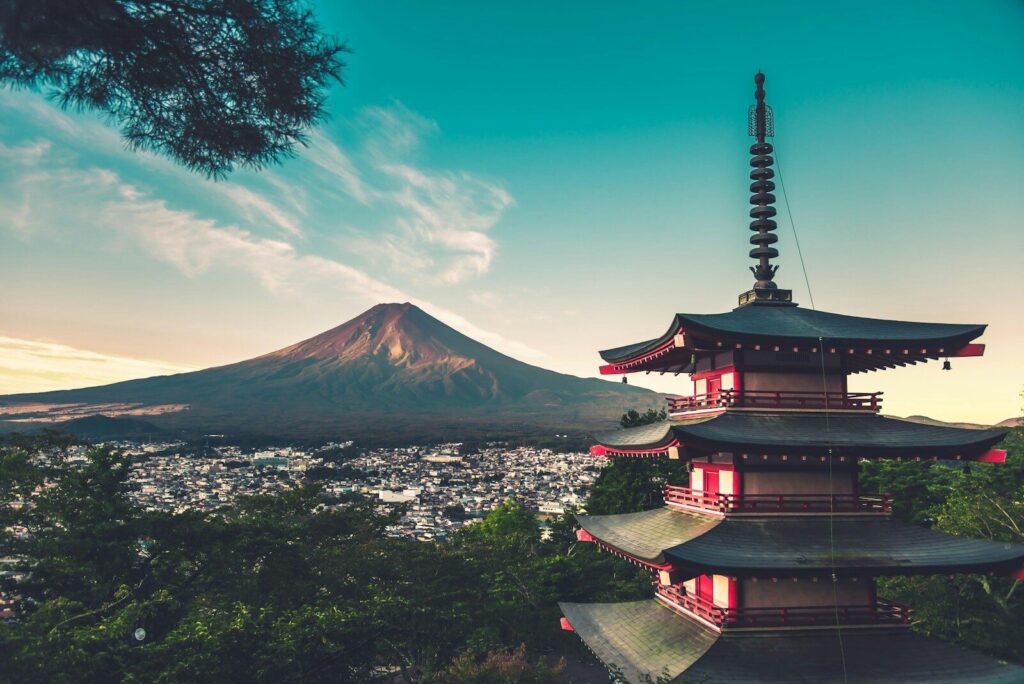
Roughly three-quarters of Japan is mountainous, which is why the population crowds into narrow coastal plains. The spine of the country is volcanic — Japan sits on the Pacific Ring of Fire, with 111 active volcanoes, frequent earthquakes, and the iconic, perfectly symmetrical Mount Fuji (3,776 m), the nation’s highest peak and most sacred mountain.
Climate varies wildly by latitude. Hokkaido has real winters (Sapporo averages well below freezing in January, with meters of snow). Tokyo and Kyoto have four distinct seasons: cherry-blossom spring (late March–April), hot and humid summers, spectacular autumn foliage (koyo, peaking in November), and crisp, dry winters. Okinawa is subtropical year-round. Typhoon season runs August–September, and the June rainy season (tsuyu) soaks most of Honshu for about a month.
People & Demographics: The World’s Oldest Society
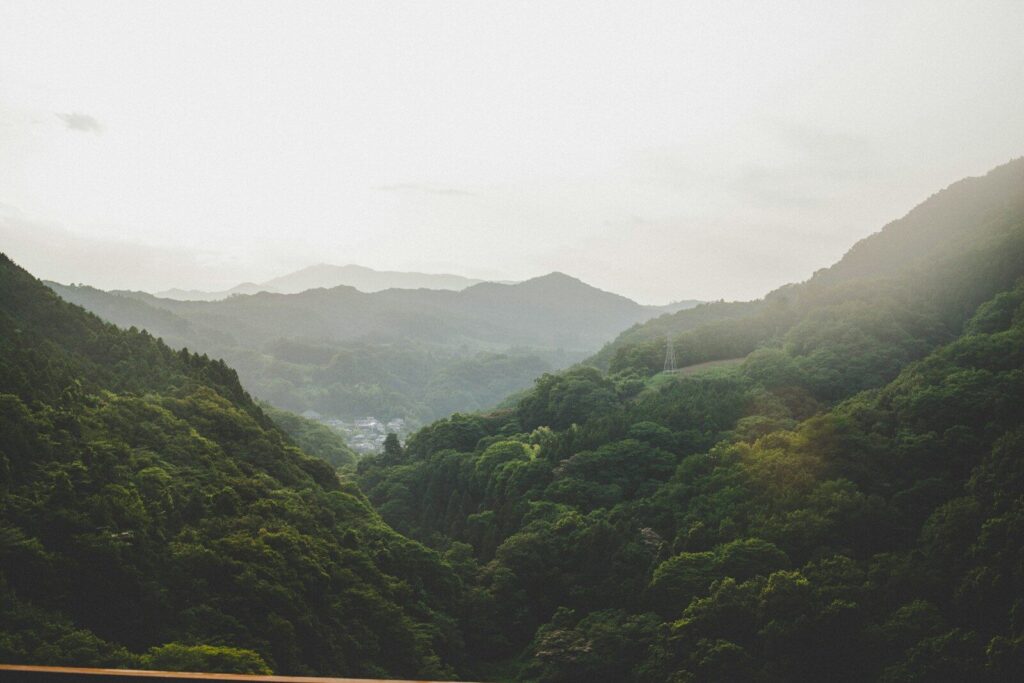
Japan’s population is about 124 million, making it the 11th most populous country — but it’s shrinking. Births have fallen to record lows (under 800,000 a year) while life expectancy is among the highest on earth. The result: nearly 30% of Japanese are over 65, the highest share of any major country. You’ll notice it — rural towns skew elderly, and the countryside is dotted with akiya, abandoned houses left behind as young people move to the cities.
The population is remarkably concentrated: the Greater Tokyo Area holds around 37–38 million people, the largest metropolitan economy on the planet. Meanwhile, entire villages in the mountains are quietly emptying out.
Ethnically, Japan is one of the most homogeneous large countries — over 97% of residents are ethnically Japanese. Immigration has been rising (foreign workers now number over 2 million, a record), but slowly and controversially. The indigenous Ainu people of Hokkaido and the distinct Ryukyuan culture of Okinawa add important layers most visitors never hear about.
Religion is syncretic and low-key: most Japanese blend Shinto (the native animist tradition of shrines, festivals and spirits in nature) with Buddhism (temples, funerals, meditation). Surveys show most people don’t identify as “religious,” yet they’ll visit a shrine on New Year’s Day, get married in a chapel, and hold a Buddhist funeral without seeing any contradiction. Christianity is under 1%.
Language: Japanese. English proficiency is famously low outside tourist zones — learn a dozen phrases and carry a translation app. Key ones: sumimasen (excuse me/sorry), arigatou gozaimasu (thank you), oishii (delicious), toire wa doko desu ka (where is the toilet?).
Culture, Etiquette & Daily Habits
Japanese social life runs on consideration for others — omotenashi (wholehearted hospitality) and meiwaku (causing trouble for others, the thing you must never do). A few rules that matter for visitors:
- Bowing is the default greeting, thank-you and apology. A small nod back is fine — nobody expects tourists to bow perfectly.
- Shoes off indoors. At temples, traditional restaurants, ryokans and many Airbnbs, you’ll step up from the genkan (entryway) into indoor slippers. Never wear outdoor shoes on tatami mats.
- Chopstick taboos: never stick chopsticks upright in rice (it resembles funeral incense), never pass food chopstick-to-chopstick, and don’t rub disposable chopsticks together — it implies they’re cheap.
- Onsen (hot springs) etiquette: wash thoroughly at the showers before entering the bath, no swimwear, keep your towel out of the water. Tattoos were traditionally banned at many onsen (yakuza association) — attitudes are softening and many now allow them, but check in advance.
- Trains are libraries. Keep your voice down and never take phone calls on the train. Queuing in neat lines on the platform is automatic.
- Trash: public bins are rare, yet streets are spotless — because everyone carries their trash home. Do the same.
- Tipping: don’t. It’s not done and can cause confusion. Great service is the baseline, not something you pay extra for.
- Cash vs. card: Japan was famously cash-heavy, but the pandemic accelerated cashless payments. Cards and IC cards (Suica/Pasmo) now work in most cities — still carry yen for rural areas, small restaurants and temple donations.
Gift culture (omiyage) is serious: travelers are expected to bring back regional sweets for coworkers. You’ll see entire department-store floors devoted to beautifully boxed local specialties.
Lifestyle: How Japan Actually Lives Day to Day
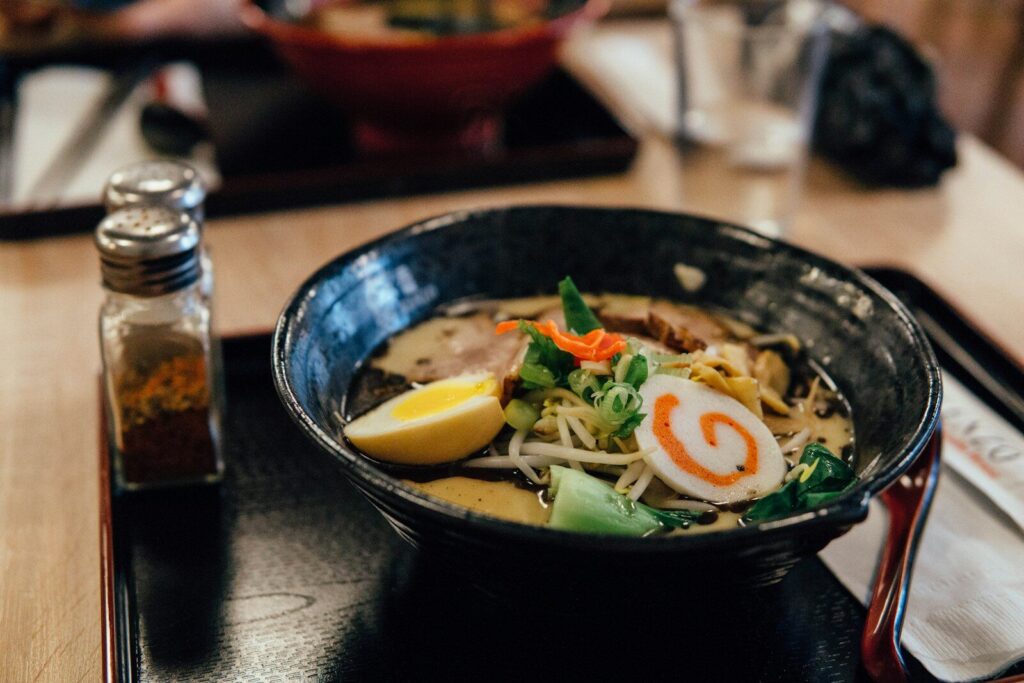
Food is a way of life, not a meal break. Beyond sushi and ramen, daily Japan runs on konbini (convenience stores like 7-Eleven, FamilyMart, Lawson) — and these are not like convenience stores elsewhere. Fresh onigiri, surprisingly good coffee, hot fried chicken, entire bento dinners: many travelers eat half their meals from konbini and love it. Regional food culture is intense — Osaka is “the nation’s kitchen” (takoyaki, okonomiyaki), Sapporo does miso ramen, Fukuoka does tonkotsu, and every prefecture has its own meibutsu (famous local product) it will defend to the death.
Work culture is changing. The salaryman stereotype — brutal hours, mandatory after-work drinking (nomikai) — still exists but is fading among younger generations. Remote work, job-hopping and work-life balance were fringe ideas a decade ago; they’re mainstream now, accelerated by labor shortages in an aging society.
Daily rhythms: cities wake early. Commuter trains are engineering marvels — the Shinkansen’s average delay is measured in seconds per year. After work, Japan unwinds in izakayas (pub-restaurants), karaoke boxes (private rooms, not bar stages), arcades, and pachinko parlors. Baseball and sumo are the traditional sporting passions; football has surged since the J-League’s founding.
Tech and tradition coexist weirdly. You’ll use a QR code to order at a 300-year-old soba shop, then encounter Japan’s famous washlet toilets everywhere (a genuine quality-of-life upgrade), then walk outside into a shopping street (shotengai) that hasn’t changed in decades.
Main Cities: Where to Base Yourself
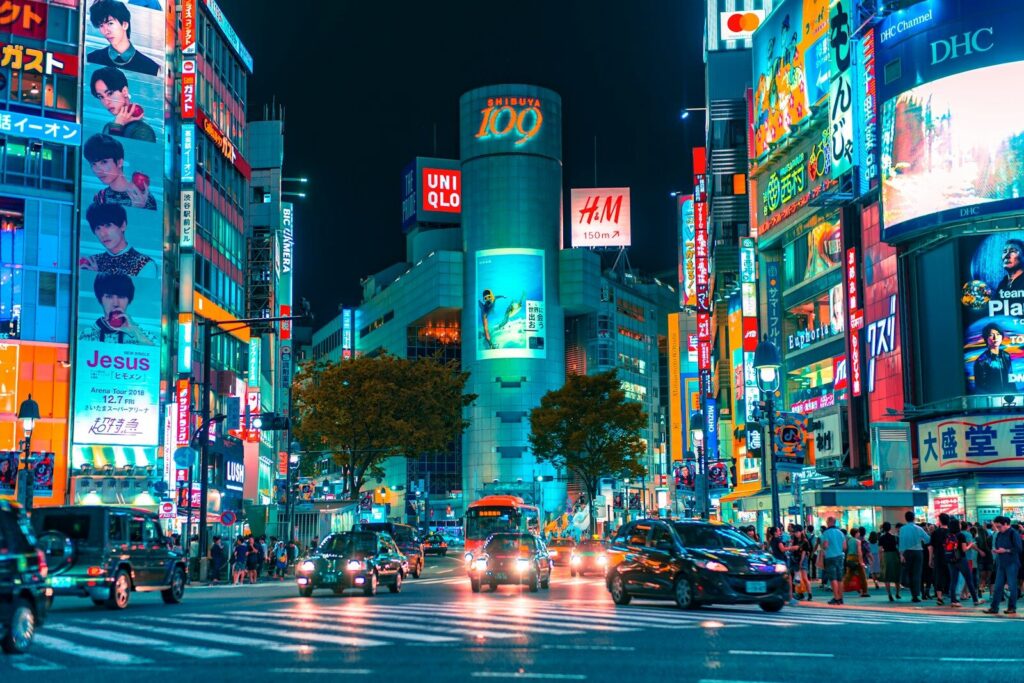
Tokyo — The capital and largest metro area on earth. It’s really a constellation of cities: neon-drunk Shibuya and Shinjuku, old-school Asakusa with Senso-ji temple, youth-culture Harajuku, upscale Ginza, and the quiet shrine forests of Meiji Jingu in the middle of it all. You could spend a month here and not repeat a day. Don’t miss the observation decks (Shibuya Sky > Skytree for the vibe), a sumo morning practice, and at least one alley of six-seat bars in Golden Gai.
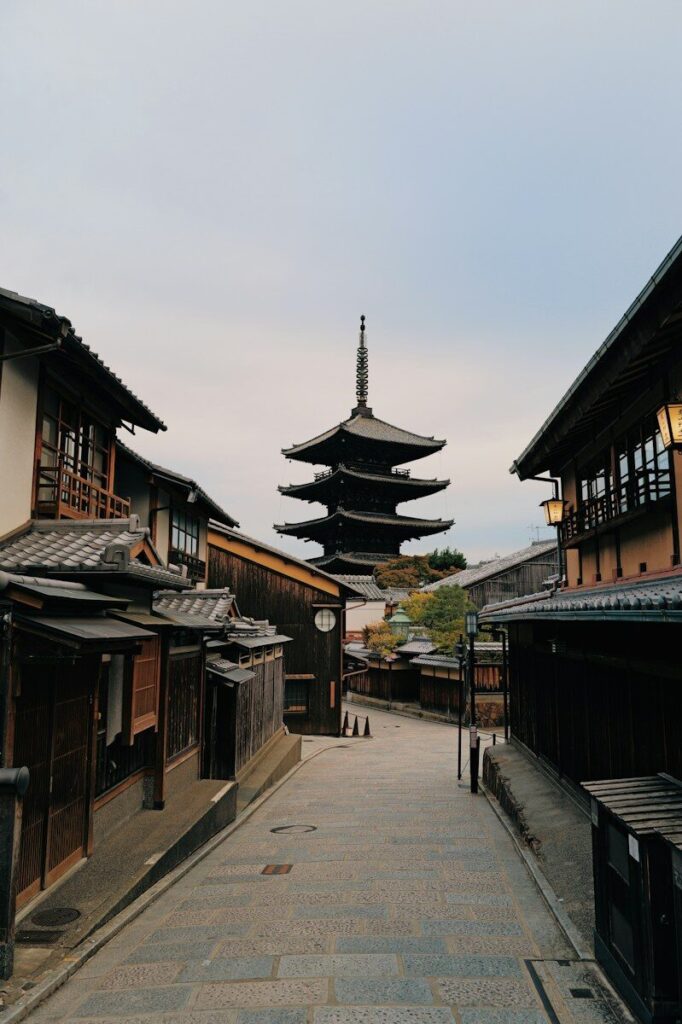
Kyoto — The soul of old Japan. Capital for over 1,000 years, home to 1,600 Buddhist temples and 400 Shinto shrines. Fushimi Inari’s endless red torii gates, Kinkaku-ji’s Golden Pavilion, the bamboo grove of Arashiyama, geisha-spotting in Gion at dusk. It’s touristy — go early in the morning and it gives you its magic back.
Osaka — Kyoto’s fun sibling. Louder, funnier, obsessed with food. Dotonbori’s canal of glowing signs, street food alleys, the castle, and a legendary comedy and nightlife scene. The local saying: Kyotoites spend money on clothes, Osakans spend it on food.
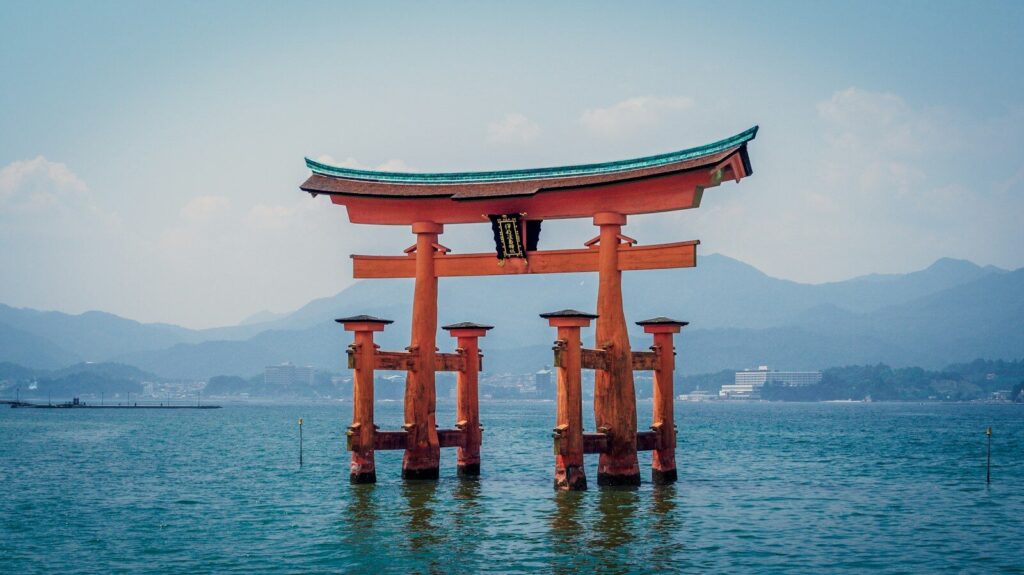
Hiroshima — The Peace Memorial Park and Atomic Bomb Dome are essential, sobering visits. Nearby Miyajima Island (officially Itsukushima) has the famous “floating” torii gate and wild deer of its own — many travelers call it the single most beautiful spot in Japan.
Nara — Japan’s first capital (710 AD), 45 minutes from Kyoto. Home to Todai-ji’s Great Buddha — one of the world’s largest bronze statues — and over a thousand sacred deer that roam the park and bow to you for crackers.
Kobe — Between the mountains and the sea, famous for its namesake beef, sake breweries, and a surprisingly international past (one of the first ports opened to the West).
Sapporo — Hokkaido’s capital. The Snow Festival (February) builds entire city blocks from ice, the beer is legendary, and winter sports are world-class (Niseko’s powder draws skiers globally).
Fukuoka — Kyushu’s gateway city, famous for tonkotsu ramen, open-air food stalls (yatai), and a laid-back vibe that’s distinct from Honshu’s intensity.
Kanazawa — “Little Kyoto” without the crowds: samurai districts, one of Japan’s three great gardens (Kenrokuen), and superb seafood from the Sea of Japan.
Top Places to Visit (Beyond the Cities)
- Mount Fuji — Climb it in season (July–early September) or admire it from Chureito Pagoda in Fujiyoshida, the most photographed view in Japan.
- Miyajima / Itsukushima Shrine — the floating torii at high tide.
- Himeji Castle — Japan’s most spectacular feudal castle, a UNESCO site that survived war and time intact.
- Arashiyama Bamboo Grove, Kyoto — arrive before 7 a.m.
- Jigokudani Monkey Park, Nagano — snow monkeys bathing in hot springs.
- Shirakawa-go — thatched-roof farmhouses in the mountains, magical under snow.
- Nikko — lavish Toshogu Shrine plus waterfalls and lake country, 2 hours from Tokyo.
- Okinawa — Japan’s tropical alter ego: coral reefs, distinct Ryukyuan culture, and some of the world’s longest-lived people.
- The Nakasendo Trail — walk the preserved Edo-period post towns (Magome–Tsumago) between Kyoto and Tokyo.
- teamLab Planets, Tokyo — the immersive digital art museum that broke Instagram.
When to Visit & Getting Around
Best seasons: late March–April (cherry blossoms) and November (autumn colors) are peak for a reason — book months ahead. Shoulder sweet spots: late May–June and September–October have good weather and fewer crowds. Avoid Golden Week (late April–early May), when the entire country travels at once, and mid-August (Obon holidays + heat).
Getting around is half the joy. The Shinkansen (bullet train) network connects Tokyo–Kyoto–Osaka–Hiroshima–Fukuoka at up to 320 km/h. Important 2026 note: the JR Pass had a major price hike in October 2023 (the 7-day ordinary pass is now around ¥50,000), so it’s no longer the automatic bargain it was — price out your route first. Regional passes (JR Kansai, JR East Tohoku, etc.) are often better value now, and domestic flights (Peach, Jetstar Japan) can undercut trains on long hops like Tokyo–Sapporo. In cities, get an IC card (Suica/Pasmo) on your phone — it works for trains, buses, konbini and vending machines.
Budget: What Japan Costs in 2026
Japan is no longer the budget-buster of its 1990s reputation — a weak yen has made it genuinely good value.
- Budget: ¥10,000–15,000/day (~$65–100 USD) — hostels or business hotels, konbini + ramen, city passes.
- Mid-range: ¥20,000–35,000/day (~$130–230 USD) — 3-star hotels, mix of restaurants, a few paid attractions, intercity trains.
- Comfort: ¥40,000+/day (~$260+ USD) — ryokan with kaiseki dinner, green-car Shinkansen, guided experiences.
Money-saving truths: lunch sets (teishoku) are the best value meals in the country; department-store basements (depachika) discount prepared food after 7 p.m.; and many top sights — Meiji Shrine, Nara Park, Harajuku people-watching — are free.
Practical Tips
- Connectivity: rent a pocket WiFi or buy an eSIM before arrival — you’ll need maps and translation constantly.
- Luggage: use takkyubin (luggage forwarding) between hotels — ~¥2,000 per bag, and it frees you from hauling suitcases on trains.
- Cash: carry ¥10,000–20,000. Cards work in cities; rural Japan still runs on cash.
- Power: Type A/B plugs, 100V — North American devices work, Europeans need adapters.
- Emergencies: 110 (police), 119 (fire/ambulance). The Japan Visitor Hotline (050-3816-2787) offers 24/7 English help.
- Vending machines: yes, there are around four million of them — roughly one for every 30 people. Hot coffee in a can at 2 a.m. is a rite of passage.
Why Japan Stays With You
Japan rewards the curious traveler like nowhere else. It’s the country where a 7-Eleven egg sandwich becomes a core memory, where a deer bows at you in Nara, where the train apology for a 20-second delay is utterly sincere. Come for the temples and neon; stay for the thousand small kindnesses engineered into everyday life.
Watch: Japan in 60 Seconds — our 60-second video guide is coming soon on the One Minute World YouTube channel.
Japan Travel FAQ
Is Japan expensive to visit in 2026?
Less than its reputation. A mid-range traveler spends roughly $130–230 USD per day, and the weak yen has made Japan one of Asia’s better-value destinations.
How many days do I need in Japan?
7–10 days covers Tokyo, Kyoto and Nara at a comfortable pace. Two weeks lets you add Osaka, Hiroshima/Miyajima and either Hokkaido or Kyushu.
Do I need the JR Pass in 2026?
Not automatically — since the October 2023 price increase, compare the pass price against your planned Shinkansen legs. Regional passes often win now.
Is Japan safe for tourists?
One of the safest countries in the world. Petty crime is rare, solo travelers (including women) generally report feeling very safe, and lost items are routinely returned.
When is cherry blossom season?
Typically late March to early April in Tokyo/Kyoto, earlier in the south, later in Hokkaido. Dates shift yearly — check forecasts from January.